 ZOOMRY

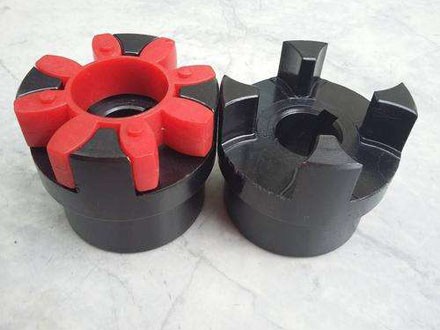
Coupling for belt conveyor Drive Systems
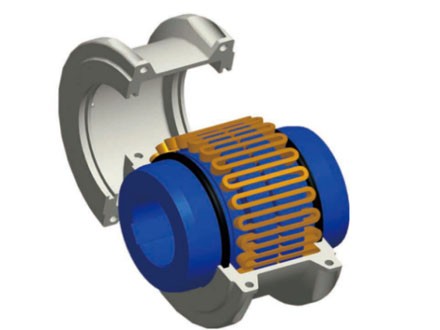
In belt conveyor drive applications, the coupling between motor and reducer must handle high starting torque, absorb shock loads from material feeding, and tolerate minor shaft misalignment. ZOOMRY selects SL series snake spring couplings for these duties because the design combines the torque capacity of a conventional gear coupling with the vibration damping of an elastic coupling — supporting reliable power transmission in large-capacity, high-power, and long-distance conveyor projects.
The coupling has been applied in multiple ZOOMRY long-distance conveyor installations where drive reliability and maintenance access are critical operating requirements. For the complete SL101–SL125 specifications table, see the coupling between motor and reducer product page.
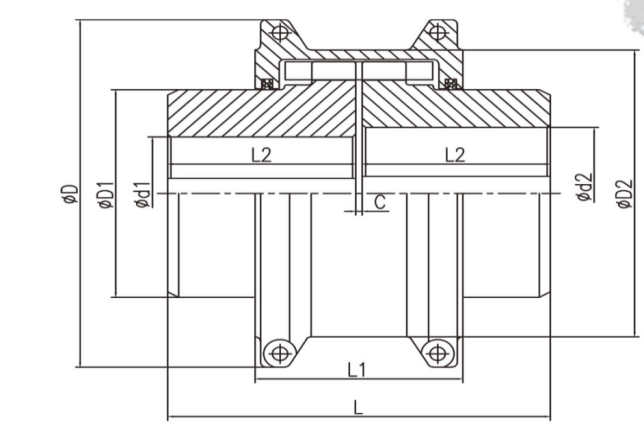
SL Series Snake Spring Coupling — Motor-to-Reducer Connection for Belt Conveyor Drives
Why Snake Spring Couplings for Belt Conveyors
- High Starting Torque Capacity: Conveyor start-up demands torque spikes that rigid couplings transmit directly to the reducer. The snake spring design absorbs these peaks, protecting the reducer and motor from shock damage.
- Impact Damping During Loading: When material drops onto the belt at loading zones, sudden load changes travel back through the drive train. The spring flexes under these spikes, reducing stress on connected equipment.
- Misalignment Tolerance: Belt conveyor drive bases can shift slightly due to foundation settlement or thermal expansion. The coupling accommodates angular and parallel misalignment without excessive wear.
- Dry Operation: Unlike gear couplings that require periodic greasing, the spring-and-groove design operates without lubrication — reducing maintenance tasks on long-distance conveyors where access may be limited.
- Quick Spring Replacement: The spring element can be removed without moving the motor or reducer, supporting faster maintenance turnaround in continuous production environments.
Coupling Selection for Belt Conveyor Drives
Selecting the correct coupling model depends on three key parameters:
- Motor rated torque (Nm): The coupling's rated torque must exceed the motor's peak output torque. For conveyor drives, a service factor of 1.5–2.0 is typically applied to account for start-up and loading shock.
- Motor speed (r/min): The coupling's allowable speed must exceed the motor's rated RPM. Larger SL models have lower allowable speeds and are matched to low-speed, high-torque conveyor drives.
- Shaft diameters (mm): The coupling bore must accommodate both the motor shaft (d1) and reducer input shaft (d2). Refer to the full specifications table for maximum bore dimensions per model.
Quick reference for common conveyor drives:
| Motor Power | Motor Speed | Typical Starting Model | Notes |
|---|---|---|---|
| ≤ 30 kW | 1,500 r/min | SL103 – SL104 | Light-duty conveyors, feeders |
| 30 – 90 kW | 1,500 r/min | SL105 – SL106 | Standard belt conveyors |
| 90 – 250 kW | 1,500 r/min | SL107 – SL109 | High-capacity conveyors |
| 250 – 500 kW | 1,500 r/min | SL110 – SL112 | Long-distance conveyors |
| 500+ kW | 1,000 r/min or lower | SL113 and above | Overland / high-tension drives |
The above is a general reference only. Final coupling selection must be confirmed through drive torque calculation, service factor evaluation, and shaft dimension verification. Contact ZOOMRY engineering for a project-specific recommendation.
What Information Do We Need for Coupling Selection?
- Motor specifications: Rated power (kW), rated speed (r/min), shaft diameter (mm), and shaft keyway dimensions.
- Reducer specifications: Input shaft diameter (mm), input speed (r/min), and mounting arrangement.
- Conveyor duty: Starting method (direct-on-line, soft start, VFD), expected start frequency, and whether the conveyor operates under shock loading conditions.
- Operating environment: Temperature range, dust exposure, and whether the drive is indoor or outdoor.
- Existing equipment context: Current coupling type, available space for coupling installation, and whether this is a retrofit or new installation.
Related Equipment
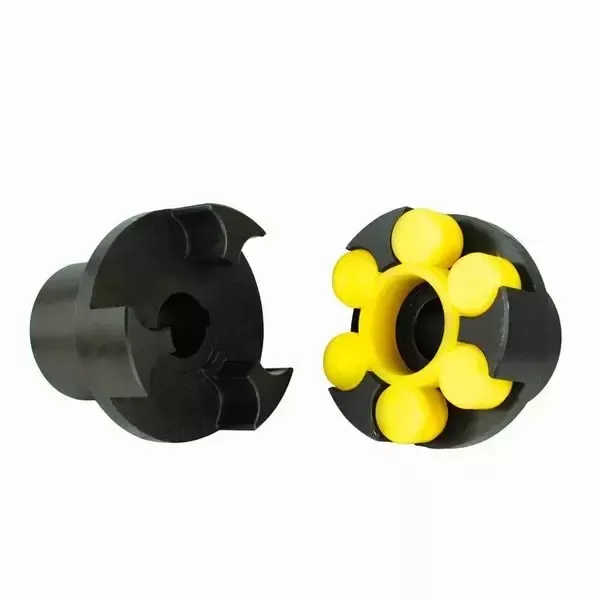
Complete SL series specifications table (SL101–SL125) with rated torque, speed, and dimensions.
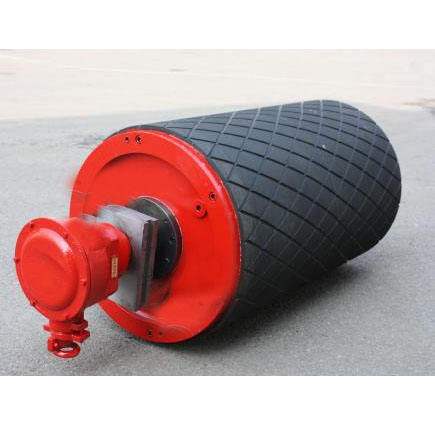
Integrated motor-gearbox drum — eliminates external coupling and saves drive space.
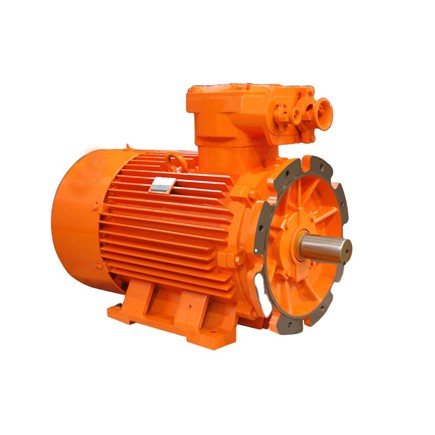
Integrated drive systems — motor, coupling, reducer, and backstop for belt conveyors.
Need a Coupling Recommendation for Your Conveyor Drive?
Tell us your motor power, speed, and shaft diameters — our engineers will recommend the right SL series coupling model for your drive system.
Request Coupling Selection →