
The Ultimate Buyer Guide for Telescopic Stacker – 10 Key Factors | ZOOMRY
If you are in the market for a telescopic stacker, careful evaluation of key factors ensures an informed decision.
Quick Answer
If you are in the market for a telescopic stacker, careful evaluation of key factors ensures an informed decision. As a professional bulk material handling solution provider, ZOOMRY supplies mobile telescopic stackers and radial stackers for mining, quarry, and port applications. Below: technical definitions, sizing logic, and how to specify the equipment.
If you are in the market for a telescopic stacker, careful evaluation of key factors ensures an informed decision. As a professional bulk material handling solution provider, ZOOMRY supplies mobile telescopic stackers and radial stackers for mining, quarry, and port applications. This guide covers the 10 essential factors to evaluate when purchasing a telescopic stacker.
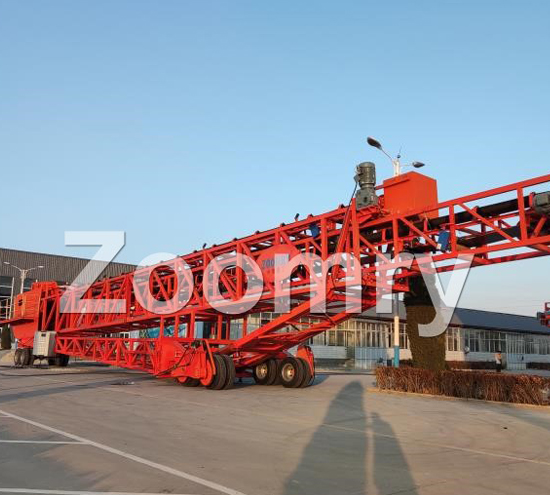
10 Key Factors for Buying a Telescopic Stacker
| # | Factor | What to Look For |
|---|---|---|
| 1 | Capacity and Lift Height | Capacity is the maximum weight the stacker can lift and stack — match it to your load requirements. Lift height determines stacking elevation — choose a height exceeding your highest shelf or rack. ZOOMRY telescopic radial stackers reach up to 20 meters with capacities up to 2,400 m³/h. |
| 2 | Type of Load | Match the stacker attachment to your material: fork attachments for pallets, drum attachments for barrels. For bulk materials like aggregates and ores, a mobile telescopic stacker with belt conveyor is the correct choice. |
| 3 | Maneuverability | For tight spaces, choose a stacker with a small turning radius. Tracked radial stackers offer superior mobility on soft ground; wheeled versions excel on firm surfaces. |
| 4 | Power Source | Electric stackers suit indoor use; diesel, gas, or propane for outdoor operations. ZOOMRY stackers offer diesel, electric, and dual-power options — choose based on site power availability and emission requirements. |
| 5 | Durability | Look for high-quality materials — heavy-duty steel frame, quality tires and wheels, and durable rollers designed to withstand continuous operation in demanding environments. |
| 6 | Safety Features | Essential safety equipment: emergency stop button, horn, reverse alarm, belt arrestors for incline stackers, and operator guard rails. Safety features prevent workplace accidents and injuries. |
| 7 | Cost | Telescopic stacker costs vary by features and specifications. Balance budget with required features — a higher initial investment in quality equipment typically yields lower total cost of ownership through reduced maintenance and longer service life. |
| 8 | Maintenance | Choose a stacker that is easy to maintain and service — readily available replacement parts and service support minimize downtime. Modular designs with quick-change components simplify routine maintenance. |
| 9 | Brand Reputation | Select a brand with a strong industry reputation for reliable, durable equipment. ZOOMRY has 20+ years of experience supplying stackers to 30+ countries with comprehensive after-sales support. |
| 10 | Warranty | A comprehensive warranty covering both parts and labor provides peace of mind and protects your investment. Verify warranty terms before purchase — including coverage duration and any exclusions. |
Related Equipment
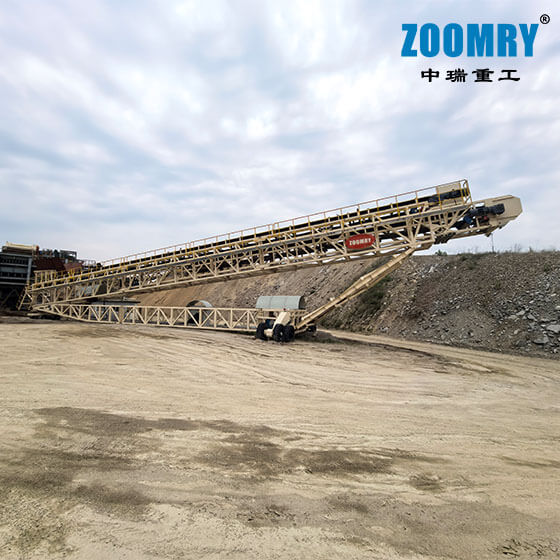
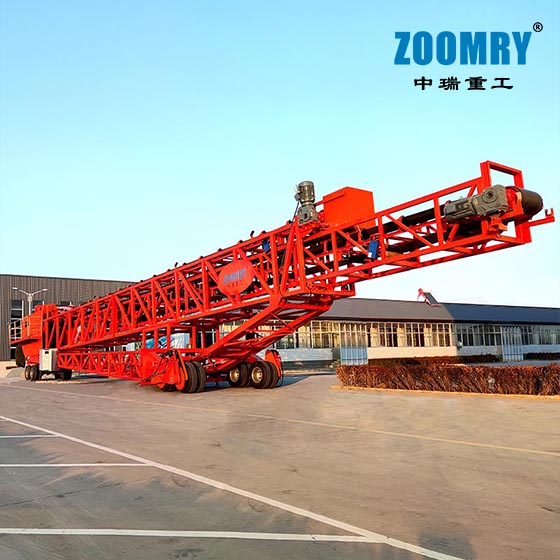
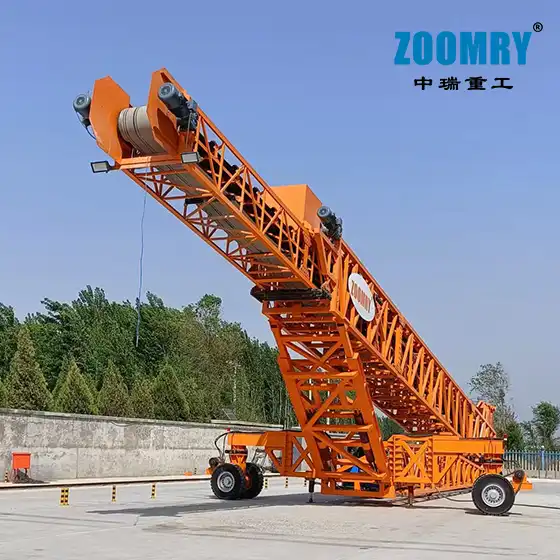
Explore This Topic: Stackers & Stacker Reclaimers
Stockyard equipment guides: bucket wheel stacker reclaimers, radial and telescopic stackers, and how to select between them.
- Portable Radial Stacker Conveyor | Mobile Stockpile Stacking — Product
- What Is the Difference Between a Radial Stacker and a Fixed Stacker? — Guide
- Mobile Telescopic Stacker – Self-Propelled Wheeled Stacker for Mining & Ports — Product
- Fixed Stacker Conveyors: When a Permanent Stockyard Line Wins — Guide
- Tracked Bucket Wheel Reclaimer | Hydraulic Drive Terrain Specialist — Product
Let's build it together
Need a custom bulk handling solution?
Talk to our engineers about conveyors, stackers, ship loaders and turnkey EPC systems.