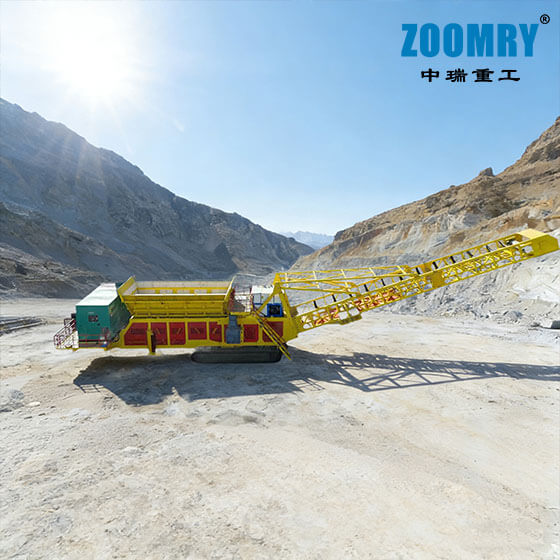
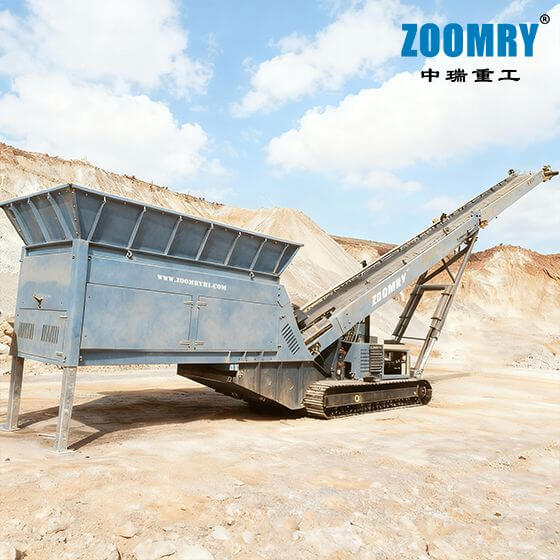
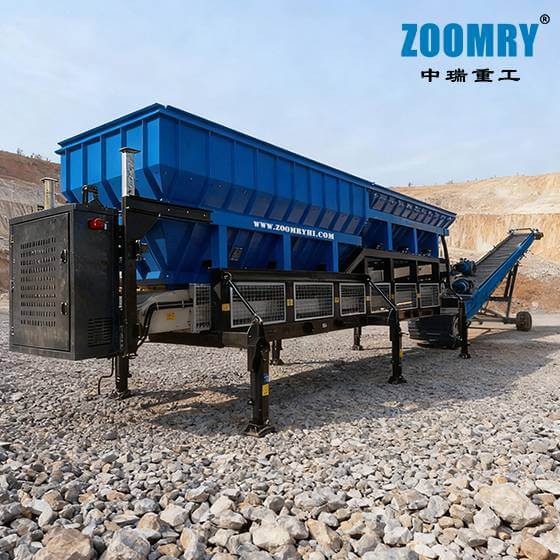
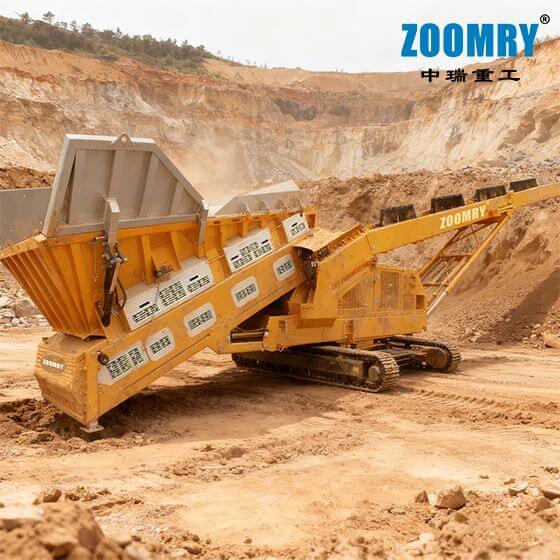
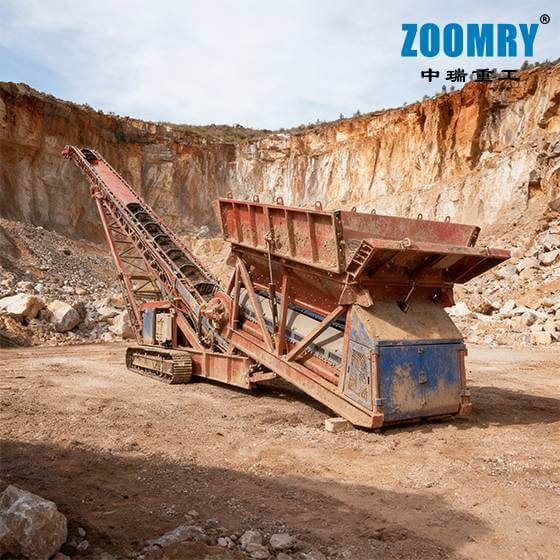
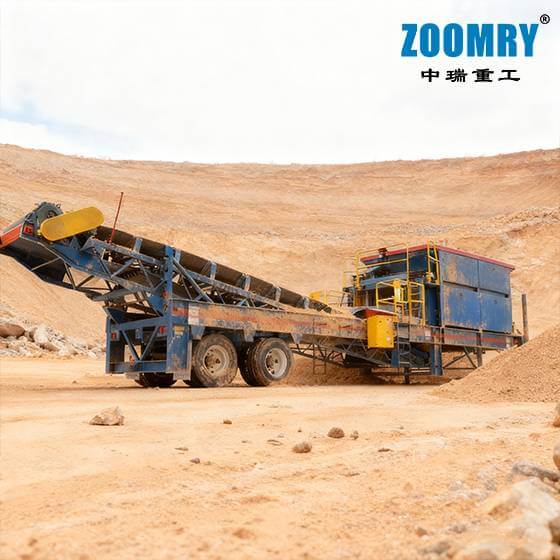
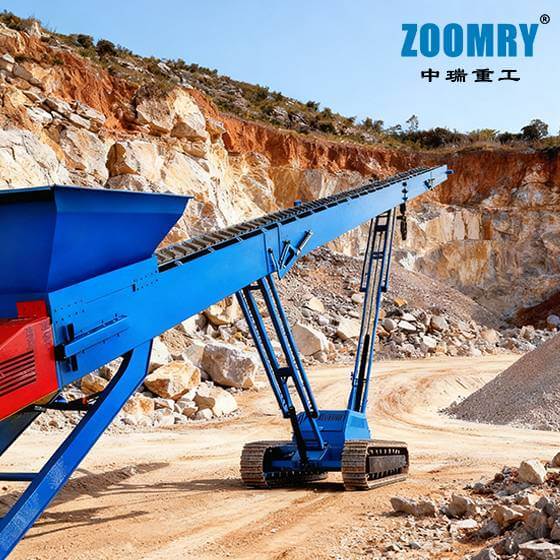
ZOOMRY's hopper feeders cover full-scenario needs – including static, tracked, heavy-duty, low-feed, biomass-specific, and 360° rotating series – with hopper capacities from 5 to 24 m³ and peak throughput up to 3,000 TPH. Designed to perfectly match loaders and excavators, they eliminate secondary material handling and serve as the core front-end equipment for bulk material conveying systems.
Which hopper feeder fits your material and site conditions? Our range features wear-resistant liners and reinforced structures, suitable for sand, gravel, ore, grain, and biomass. Choose from multiple power options – diesel-hydraulic, hybrid, or pure electric – compliant with EU Stage V/Tier 4 standards. Tracked or wheeled chassis provide superior mobility for mining, ports, recycling, and agriculture applications, with easy maintenance and optimized energy consumption.
With over 20 years of bulk handling expertise, ZOOMRY delivers customized, efficient feeding solutions worldwide, fully compatible with our entire product line. Contact our feeding system experts for a free site assessment and tailored recommendation.
| Model | Hopper capacity | Max handling capacity | Max feed size | Feeding system |
|---|---|---|---|---|
| Tracked hopper feeder | 7–15 m³ | 1,000 t/h | ≤150 mm | 1,200 mm EP500 3-ply belt |
| Static hopper feeder | 5–15 m³ | 1,000 t/h | ≤200 mm | 1,200 mm EP500 3-ply belt |
| Low-feed hopper feeder | 7–12 m³ | 800 t/h | ≤200 mm | 1,200 mm EP500 3-ply belt |
| Heavy-duty hopper feeder | 12–24 m³ | 3,000 t/h | ≤250 mm | 1,400 mm EP800 or 8 mm chain plate |
| Wheeled feed system | 9.2–15.3 m³ | 450–900 t/h | — | 762–1,067 mm belt feeder |
Hopper capacity is quoted in the horizontal state; stacking the extension section raises effective capacity by 20–30%. Discharge height spans 5.5–13.4 m depending on the tilting arm length of 15–28 m.