
A brief introduction to bulk grain horizontal transportation equipment
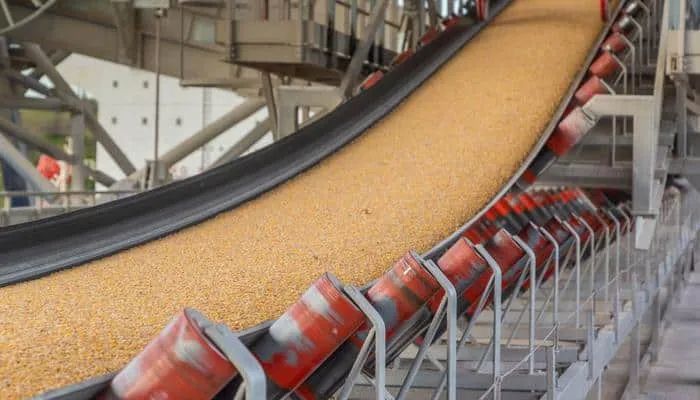
Ordinary three-roller belt conveyor conveyor The ordinary three-roller belt conveyor is the most commonly used and most technologically mature belt conveyor.
Quick Answer
The ordinary three-roller belt conveyor is the most commonly used and most technologically mature belt conveyor. It drives the conveyor belt to run through the friction between the transmission roller and the conveyor belt. The sections below cover the specification, applications, and related equipment.
A brief introduction to bulk grain horizontal transportation equipment
Currently, the equipment used for horizontal transportation of bulk grains mainly includes ordinary three-roller belt conveyors, single-roller belt conveyors, scraper conveyors, etc.
1. Ordinary three-roller belt conveyor conveyor
The ordinary three-roller belt conveyor is the most commonly used and most technologically mature belt conveyor. It drives the conveyor belt to run through the friction between the transmission roller and the conveyor belt. The load-bearing and return travel of the conveyor belt are supported on the idler rollers.
2. Single roller belt conveyor
The return belt of a single roller belt conveyor is supported on a sliding plate. The upper roller has double-tapered bearing surfaces at both ends made of polymer material, in the shape of a dumbbell.
The single roller belt conveyor can solve the problem of poor sealing of ordinary roller belt conveyors. It can realize sealed transportation without building a closed corridor. The rotating bearings of the rollers can be kept exposed for easy maintenance and avoid the risk of dust explosion caused by bearing heating.
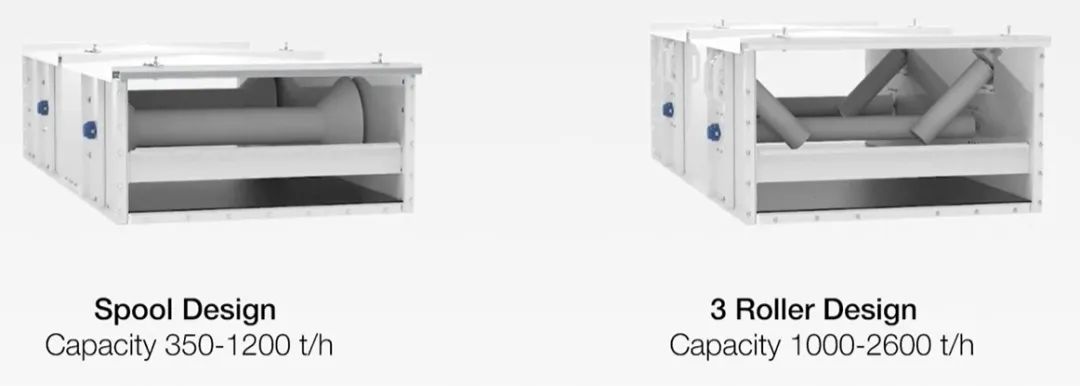
The single roller belt conveyor is also suitable for long-distance transportation. It has low noise, low energy consumption and investment, and good sealing performance. It can be arranged on an open trestle. The wear of this model is greater than that of three rollers, and the conveying capacity is weaker.
3. Scraper conveyor
The scraper conveyor is enclosed in a giant metal shell and uses a chain to drive the scraper to push the bulk material forward. The main components include: scraper chain, machine body, drive and protection device, etc.
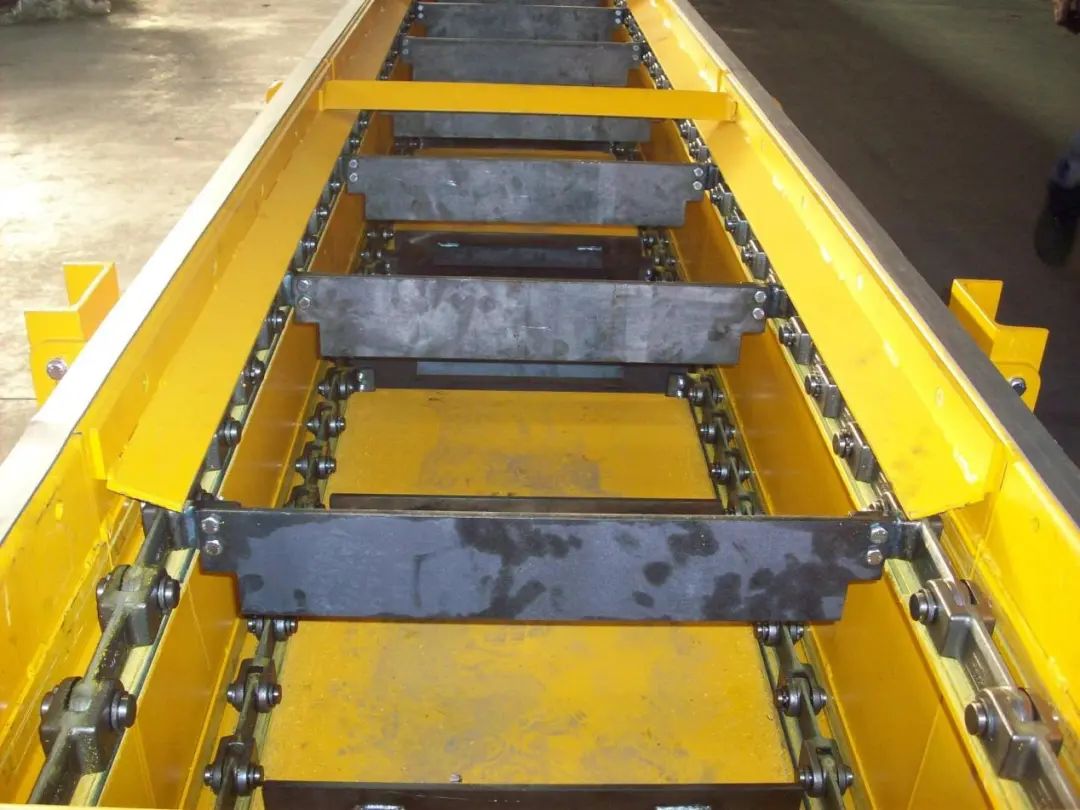
The scraper conveyor can be arranged in the open air, occupies a small area, and the process is flexible and compact. It can realize horizontal, inclined and vertical transportation, and can also load and unload materials at multiple points, and the operation is safe and environmentally friendly. However, the length of the whole machine and the running speed of the chain are limited, so it is not suitable for long-distance transportation, and the grain crushing rate is also higher than other transportation methods.
In short, equipment selection should be fully investigated, obtain the opinions and suggestions of the user, and conduct comparative studies from various aspects such as transportation capacity, sealing, maintenance volume, investment, and energy consumption.
Explore This Topic: Conveyor Rollers, Idlers & Pulleys
Component-level guides for selecting, classifying and replacing conveyor rollers, idlers, pulleys and belt-cleaning parts.
- Mining Conveyor Rollers Guide — Heavy-Duty Idlers — Topic hub
- PSV 1.20F14.114N Return and Carry Roller: Specification and Replacement Guide — Guide
- Steel Conveyor Roller: Heavy-Duty Carrying & Return Idlers for Mining, Coal & Port — Product
- Impact Roller: Rubber-Ring Idler for Conveyor Loading Zone Protection — Product
- Replaceable Pulley Lagging – On-Site Slide Lagging for Conveyor Pulleys — Product
- Advantages of Impact Rollers – Buffer Idler Benefits for Belt Conveyors — Guide
Let's build it together
Need a custom bulk handling solution?
Talk to our engineers about conveyors, stackers, ship loaders and turnkey EPC systems.