
Is Your Buffer Bed Damaging the Belt? Critical Installation Tolerances Guide
Conveyor buffer beds are critical for absorbing impact energy at transfer points, yet improper installation often leads to premature belt wear and increased downtime.
Quick Answer
Conveyor buffer beds are critical for absorbing impact energy at transfer points, yet improper installation often leads to premature belt wear and increased downtime. Instead of viewing them as simple static components, operators should treat them as precision-engineered systems. Further down: worked configurations, common pitfalls, and related ZOOMRY systems.
Conveyor buffer beds are critical for absorbing impact energy at transfer points, yet improper installation often leads to premature belt wear and increased downtime. Instead of viewing them as simple static components, operators should treat them as precision-engineered systems. Here is a technical guide on optimizing buffer bed performance based on industry standards and Zoomry’s engineering data.
Critical Installation Tolerances
The most common cause of belt damage is incorrect vertical alignment relative to the idlers.
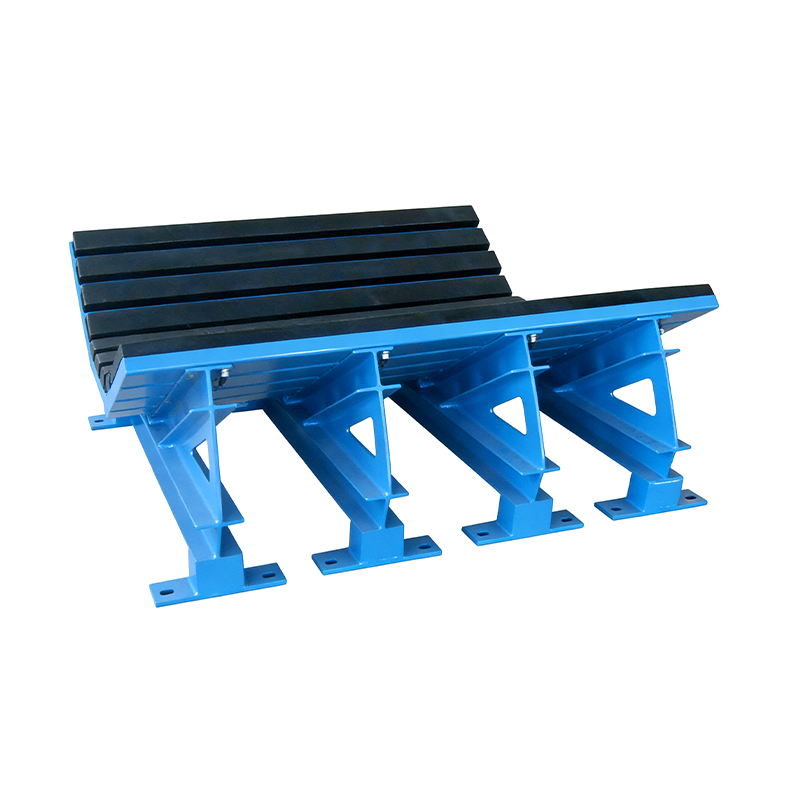
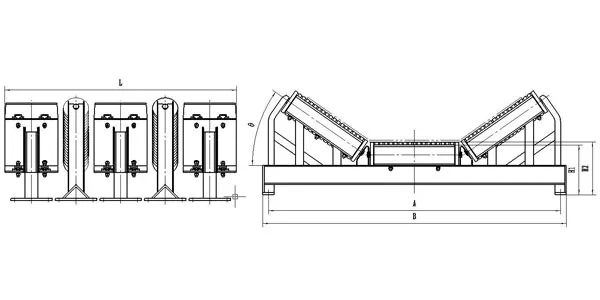
Vertical Clearance: The top surface of the buffer bed must sit slightly lower than the adjacent troughing idlers. A standard clearance of 2mm to 5mm is recommended. If the buffer bed is too high, it creates excessive drag; if too low, the belt sags between idlers, exposing it to direct impact from falling material.
Centerline Alignment: Misalignment causes the belt to track poorly immediately after the loading zone. Ensure the buffer bed is centered within ±3mm of the conveyor’s theoretical centerline to prevent edge wear on the UHMWPE strips.
Engineering Design Factors
Not all buffer beds handle dynamic loads equally. When evaluating equipment, consider the structural integrity under load.
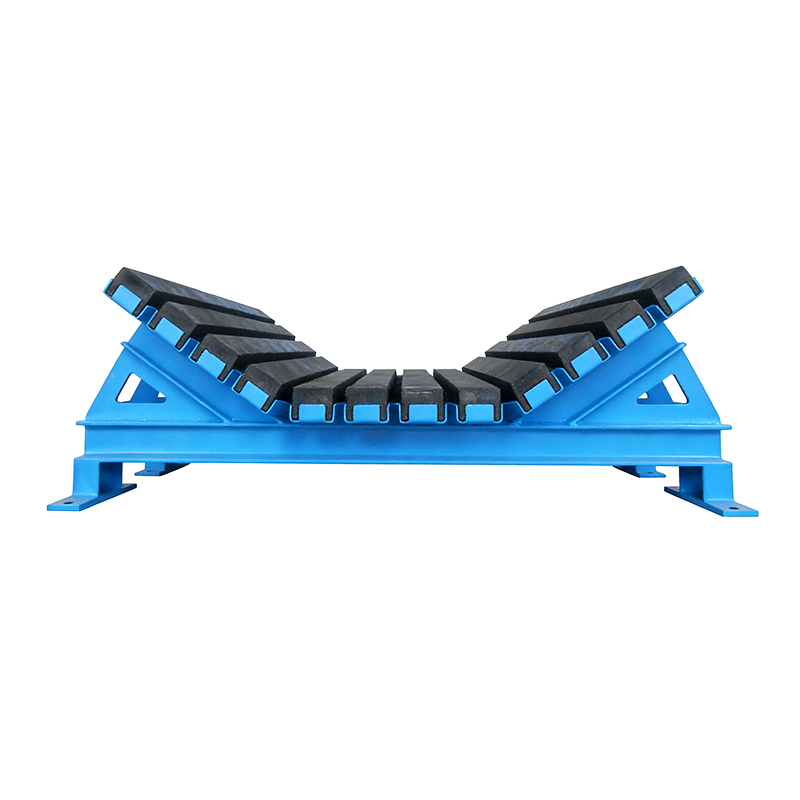
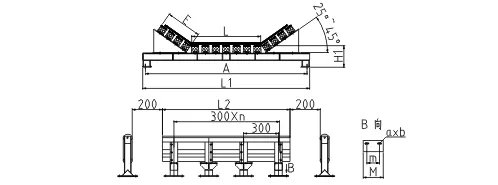
Support Beam Density: Standard designs may have wide gaps between support beams. At Zoomry, we optimize beam spacing based on the specific lump size and drop height of the material. Closer beam spacing prevents the belt from deflecting excessively under heavy loads, distributing the kinetic energy more evenly across the rubber layer.
Bonding Technology: Mechanical fasteners can loosen over time due to vibration. We utilize a vulcanized bonding process to fuse the UHMWPE wear layer to the elastic rubber base. This eliminates gaps where material could get trapped and ensures the wear layer remains intact even under high-shear forces.
Maintenance Best Practices
Proactive maintenance is cheaper than belt replacement.
Wear Monitoring: Inspect the UHMWPE surface regularly. Replace the buffer bars when the wear layer is reduced to one-third of its original thickness or if deep gouges appear.
Debris Removal: Sticky materials can build up in the support structure. Regular cleaning prevents material carryback and ensures the belt maintains proper contact with the buffer surface.
By adhering to these technical standards, operators can maximize the lifespan of both the buffer bed and the conveyor belt.

Belt Cleaning and Impact Protection: What Determines Service Life
Carry-back and loading-zone impact are the two most common causes of premature conveyor belt wear. A primary cleaner removes the bulk of adhered material at the head pulley, while secondary and V-return cleaners handle the residual fines that would otherwise build up on return rollers and pulleys. Impact beds support the belt across the loading zone so that falling material is absorbed by elastic bars rather than by the belt carcass. Correct installation tolerances — blade pressure, bar height relative to the belt line, and chute alignment — matter as much as the component specification itself.
Selection and operating notes
- Set blade pressure to the manufacturer value; excessive preload accelerates both the blade and the belt cover.
- Check that impact bars sit level with the belt line; a proud bar creates a wear stripe, a low bar leaves the belt unsupported.
- Keep chute discharge centred on the belt to avoid off-centre loading and tracking drift.
- Inspect V-return and secondary cleaners where fines accumulate near the tail pulley.
Related equipment and guides
Let's build it together
Need a custom bulk handling solution?
Talk to our engineers about conveyors, stackers, ship loaders and turnkey EPC systems.