
News and technical guides on ZOOMRY conveyor core components — rollers, idlers, pulleys, belts, cleaners, arrestors, drives, air chute conveyors, steel structures, rain covers, ship loader chutes, impact beds, and belt arrestors.
Planning maintenance or an upgrade? This section covers CEMA-standard design, steel and HDPE and wear-resistant material options, replacement guidance, and component selection notes for mining, ports, cement plants, and aggregate operations.
Browse the Conveyor Parts range, or contact our parts specialists with your belt width and duty conditions.
 2026-11-26
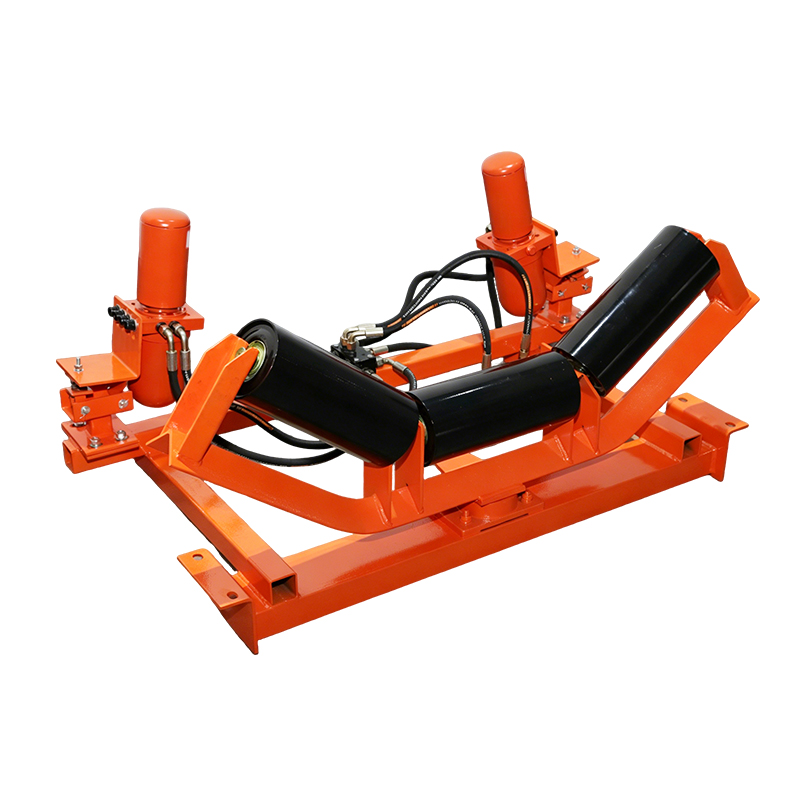
PSV 1.20F14.114N return and carry roller: how to read the drawing code, the difference between return-side and carrying-side idlers, and the checks needed befor...
Read more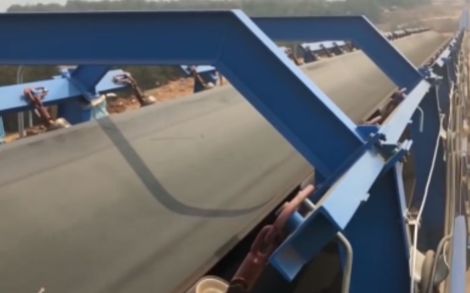 2026-11-26
Steel cord conveyor belt specifications from ST630 to ST4000: what the ST grade means, cord construction, cover grades, splice efficiency, minimum pulley diamet...
Read more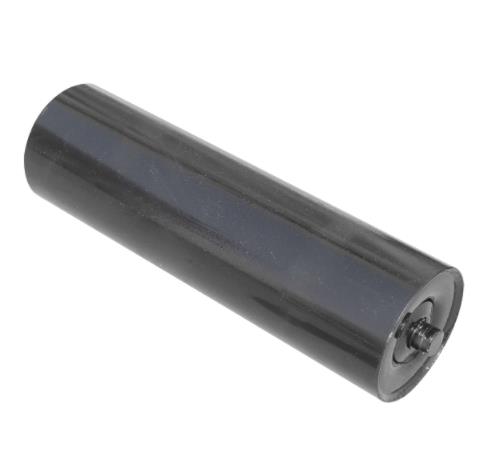 2026-11-16
Someone searching “mining conveyor rollers manufacturer” has already decided to buy. In mining, the seal is the first component to fail and the hardest to inspe...
Read more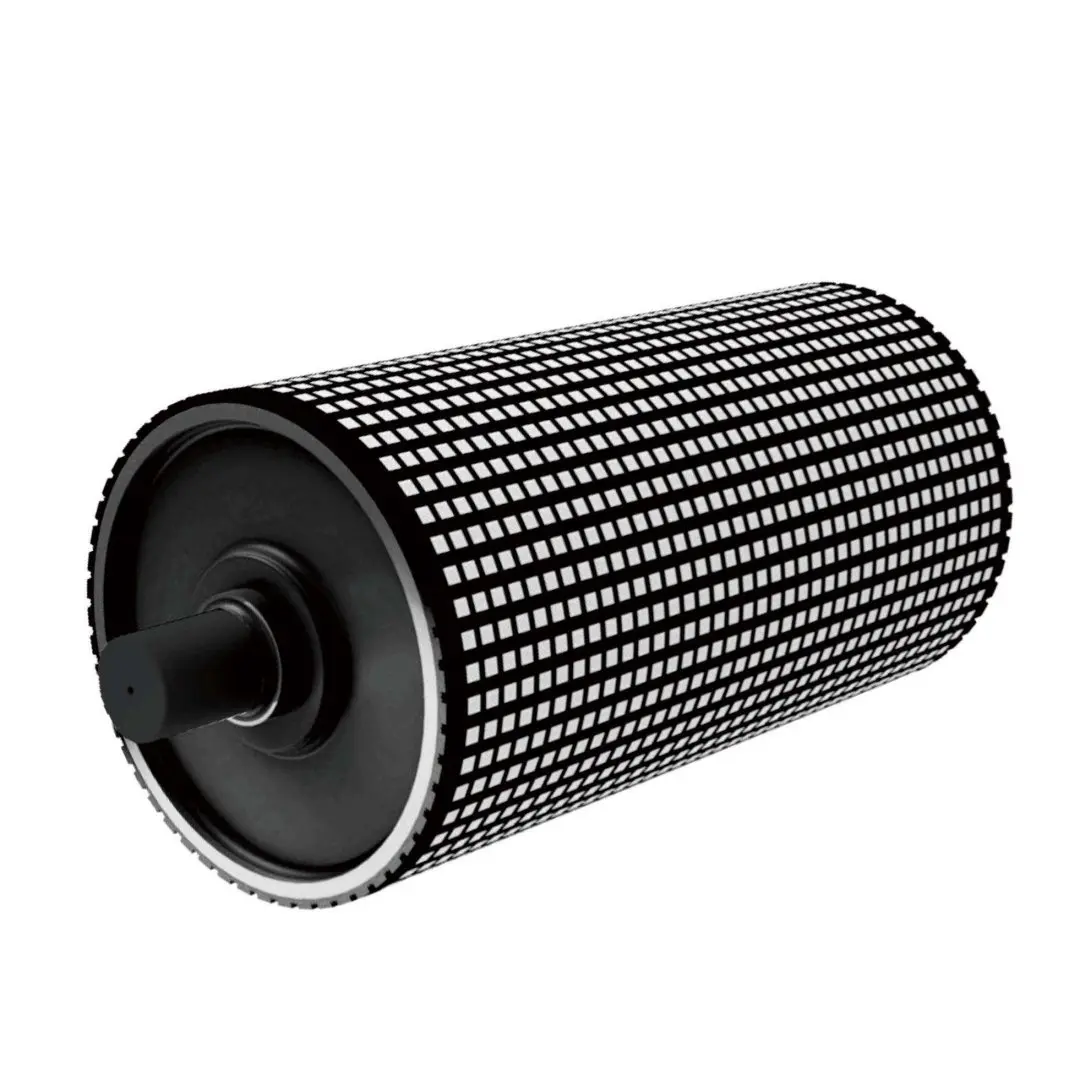 2026-10-16
A conveyor pulley is a cylindrical rotating component that supports and drives the conveyor belt. Pulleys are mounted at the head, tail, and intermediate points...
Read more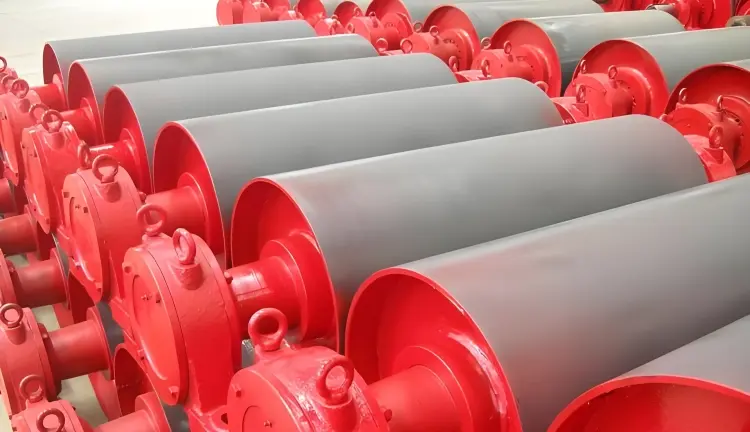 2026-09-16
The difference between a drive pulley and a bend pulley lies in their function within the belt conveyor system. The drive pulley powers the conveyor; the bend p...
Read more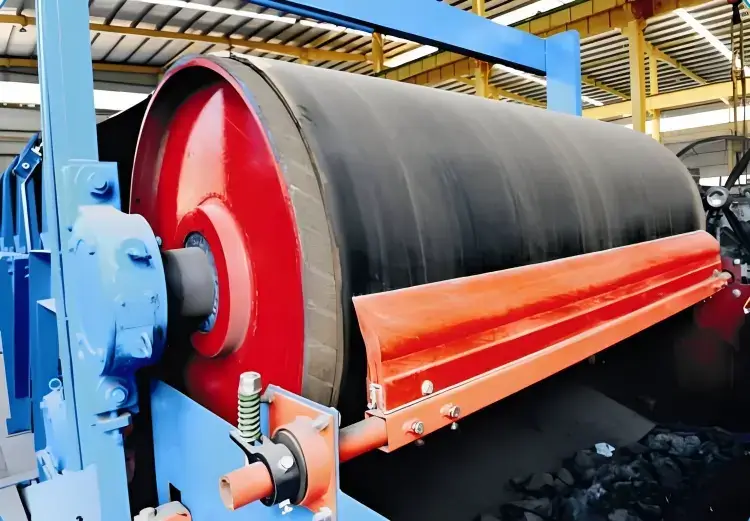 2026-09-15
The difference between a belt cleaner and a belt scraper is primarily one of scope and terminology. A belt scraper is the blade element within the cleaner syste...
Read more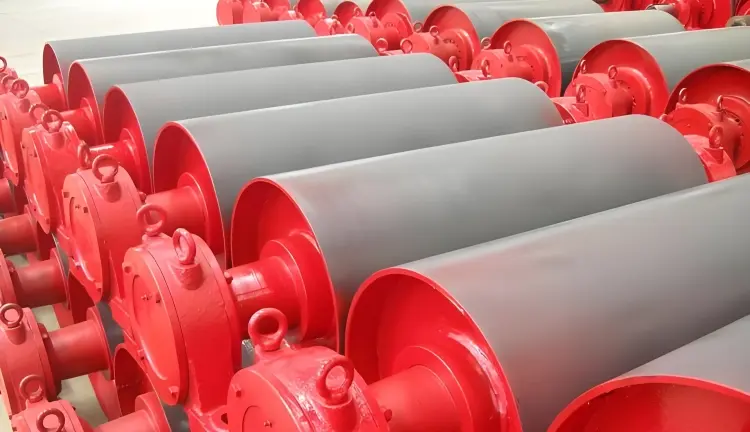 2026-09-14
The difference between a conveyor pulley and a conveyor roller lies in their function within the belt conveyor system. A roller supports the belt along its leng...
Read more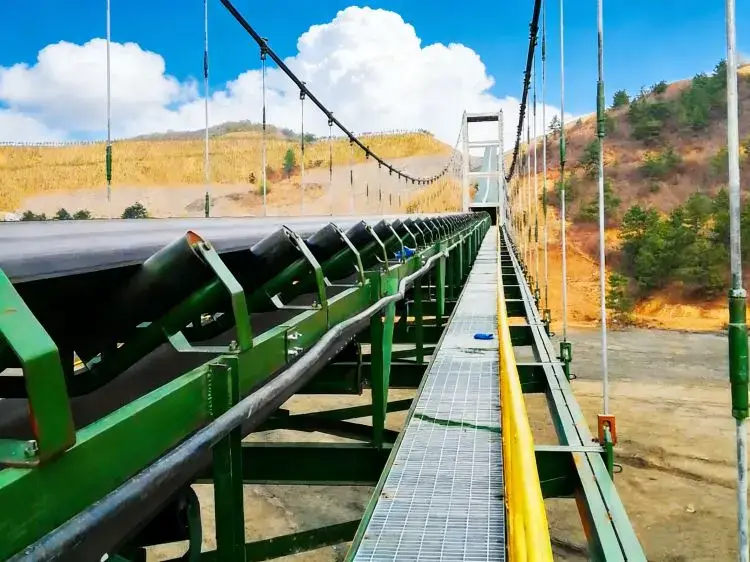 2026-09-08
The difference between a belt conveyor and a roller conveyor lies in how material is moved along the conveying path.
Read more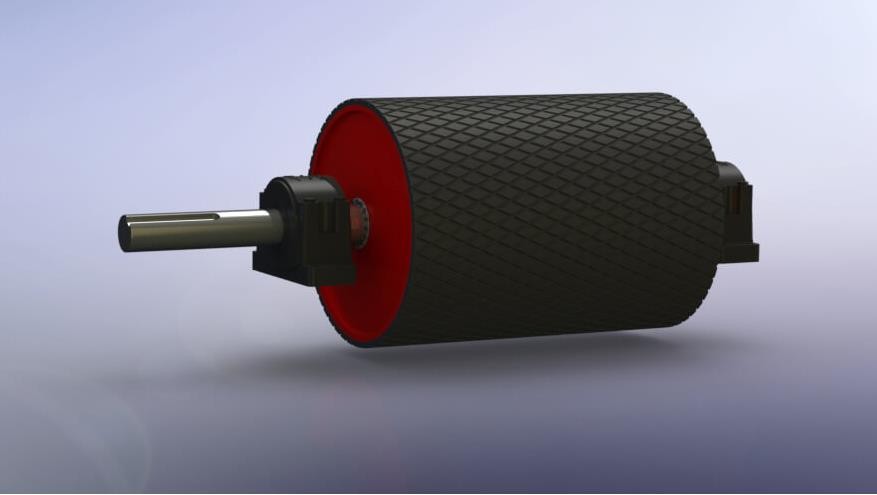 2026-08-17
Conveyor pulley lagging is the layer applied to a pulley shell to improve traction between the pulley and the conveyor belt, protect the shell from wear, and ai...
Read more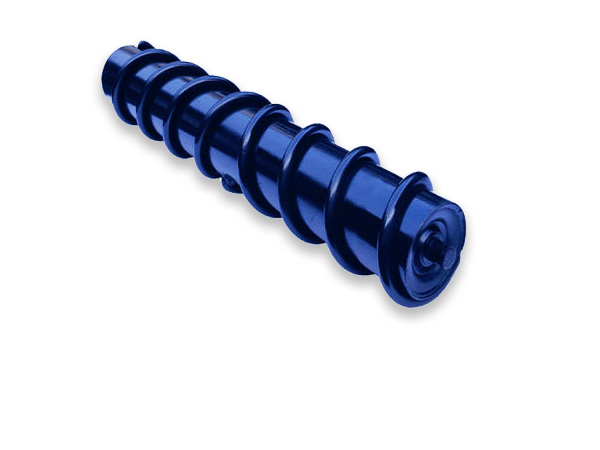 2026-08-14
A return idler supports the empty belt on the return side of a belt conveyor after material has been discharged at the head pulley.
Read more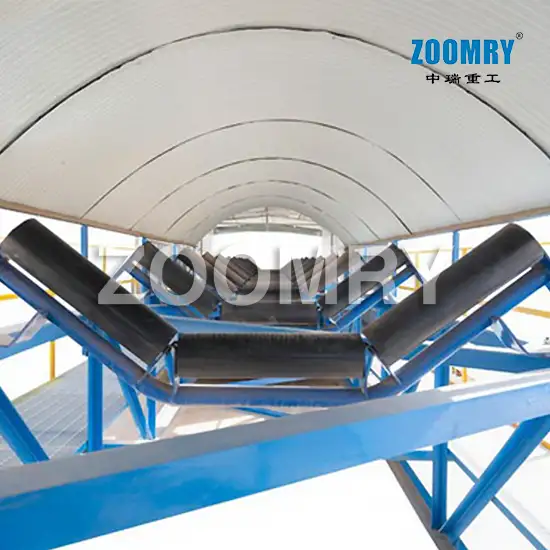 2026-08-13
In belt conveyor systems, the carrying idler supports the loaded belt and the material being conveyed on the carrying side.
Read more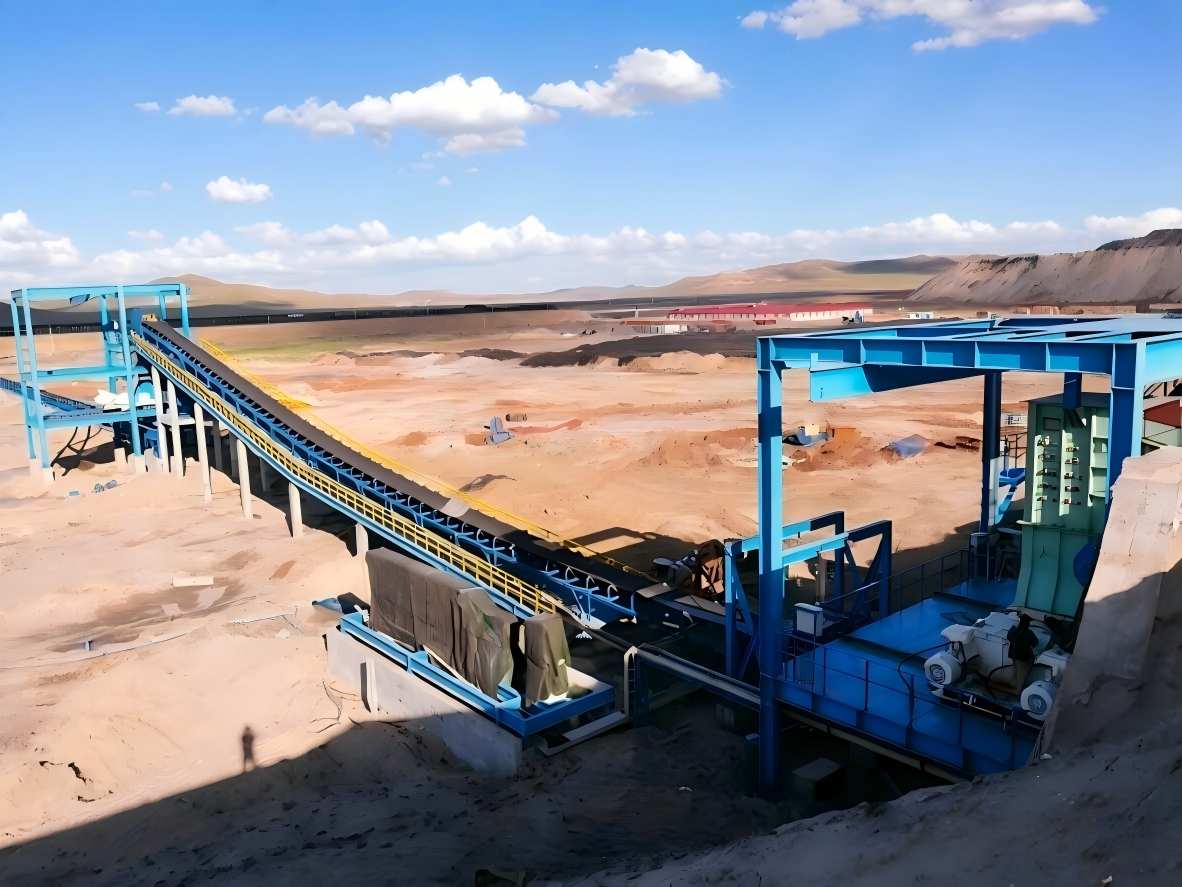 2026-08-11
In mining operations, conveyor rollers and idlers face the harshest conditions in bulk material handling — abrasive ores, 24/7 operation, extreme dust, and heav...
Read more