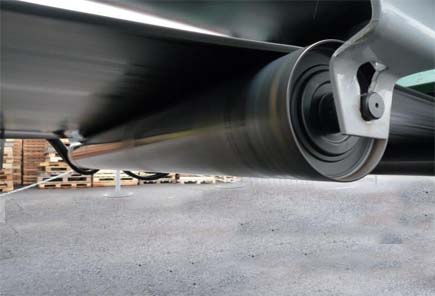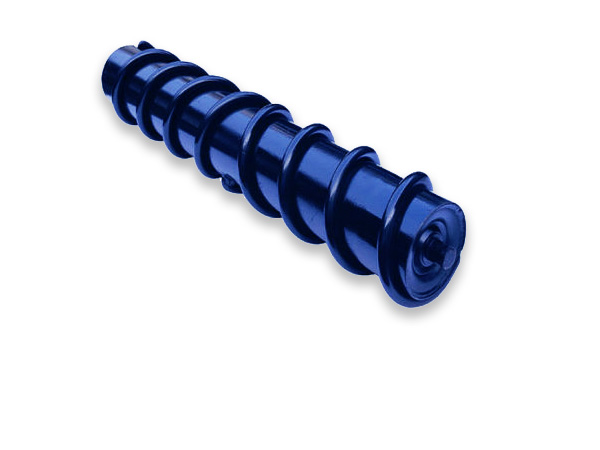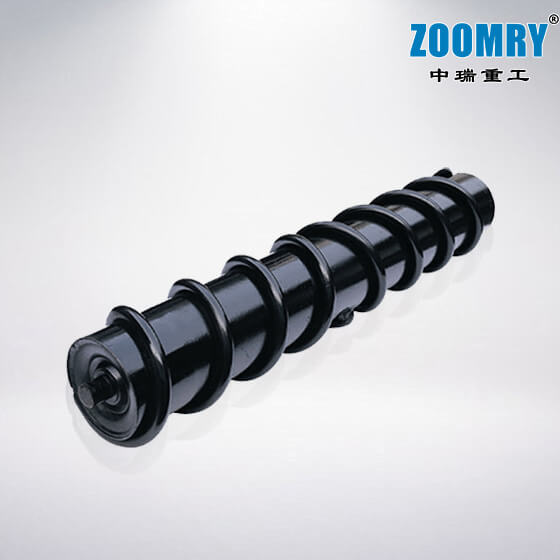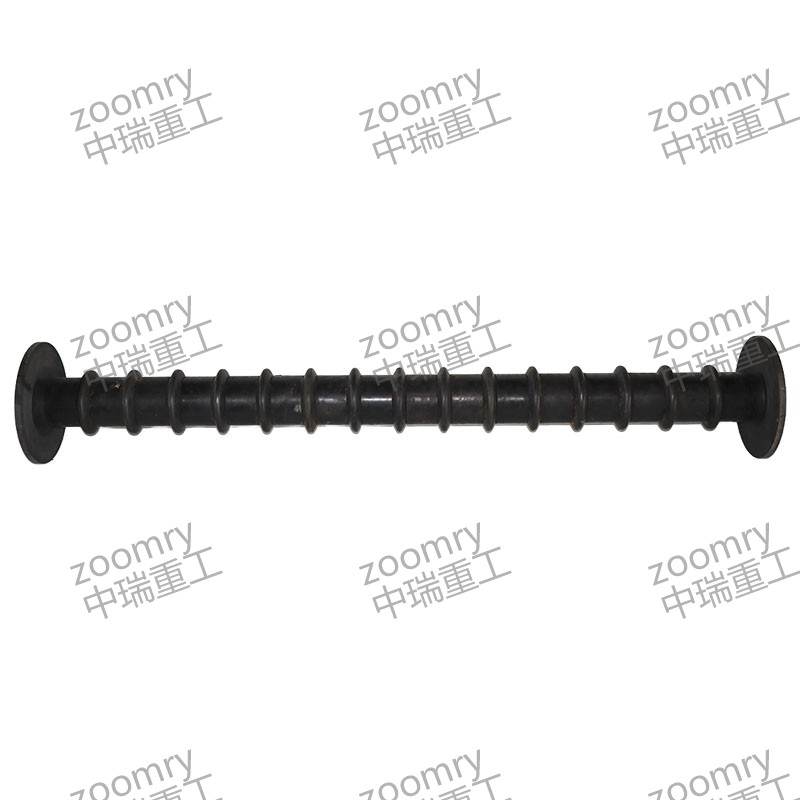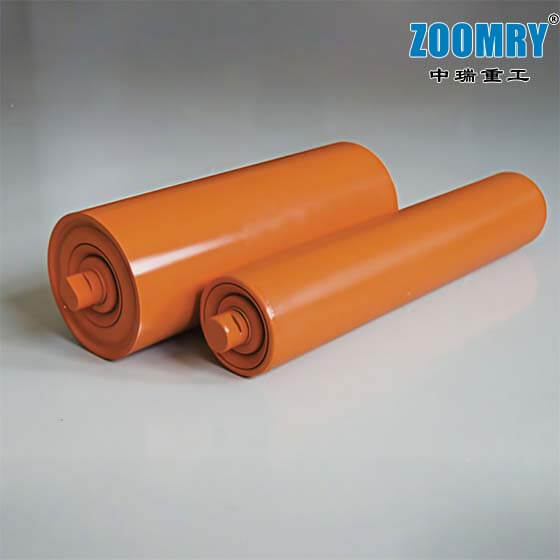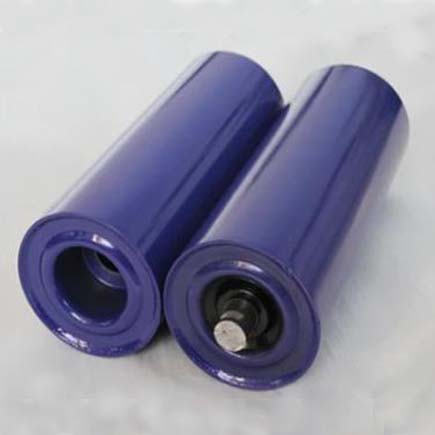

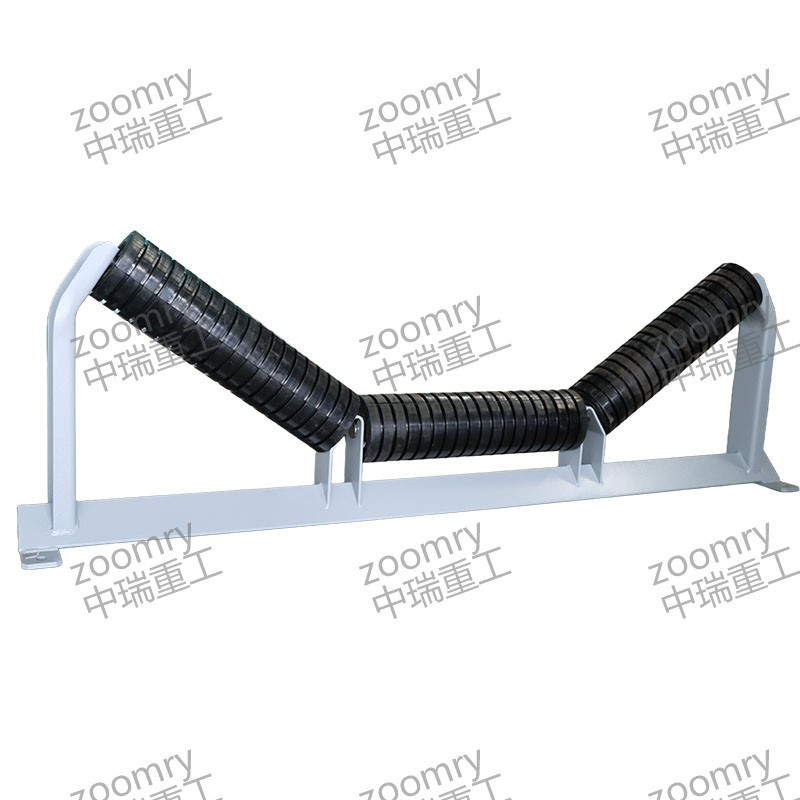
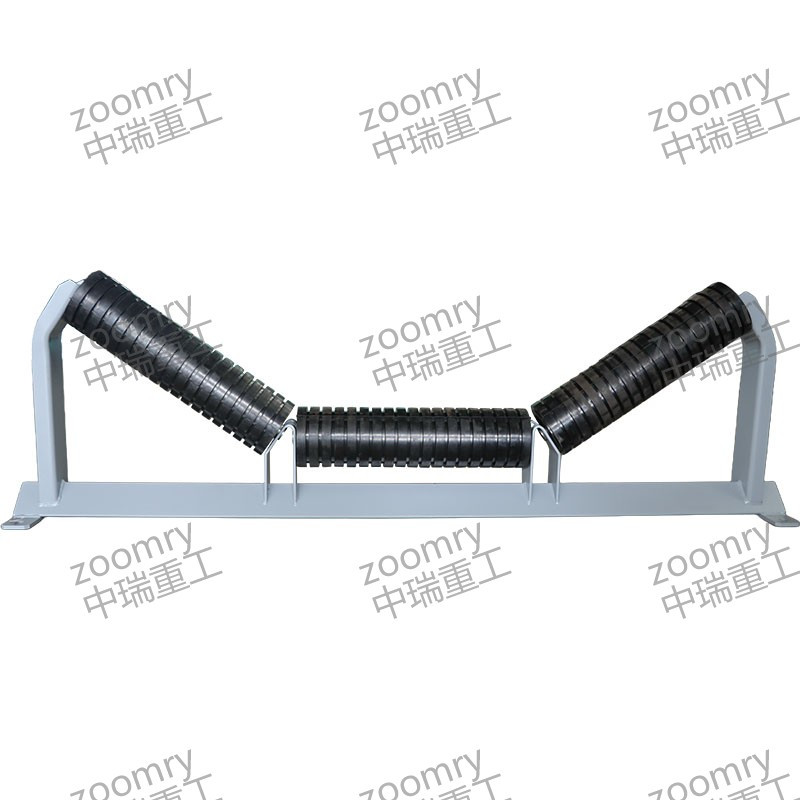
Shell Working Principle Belt conveyor rollers function as rotating support elements that convert sliding friction into rolling friction as the conveyor belt passes.
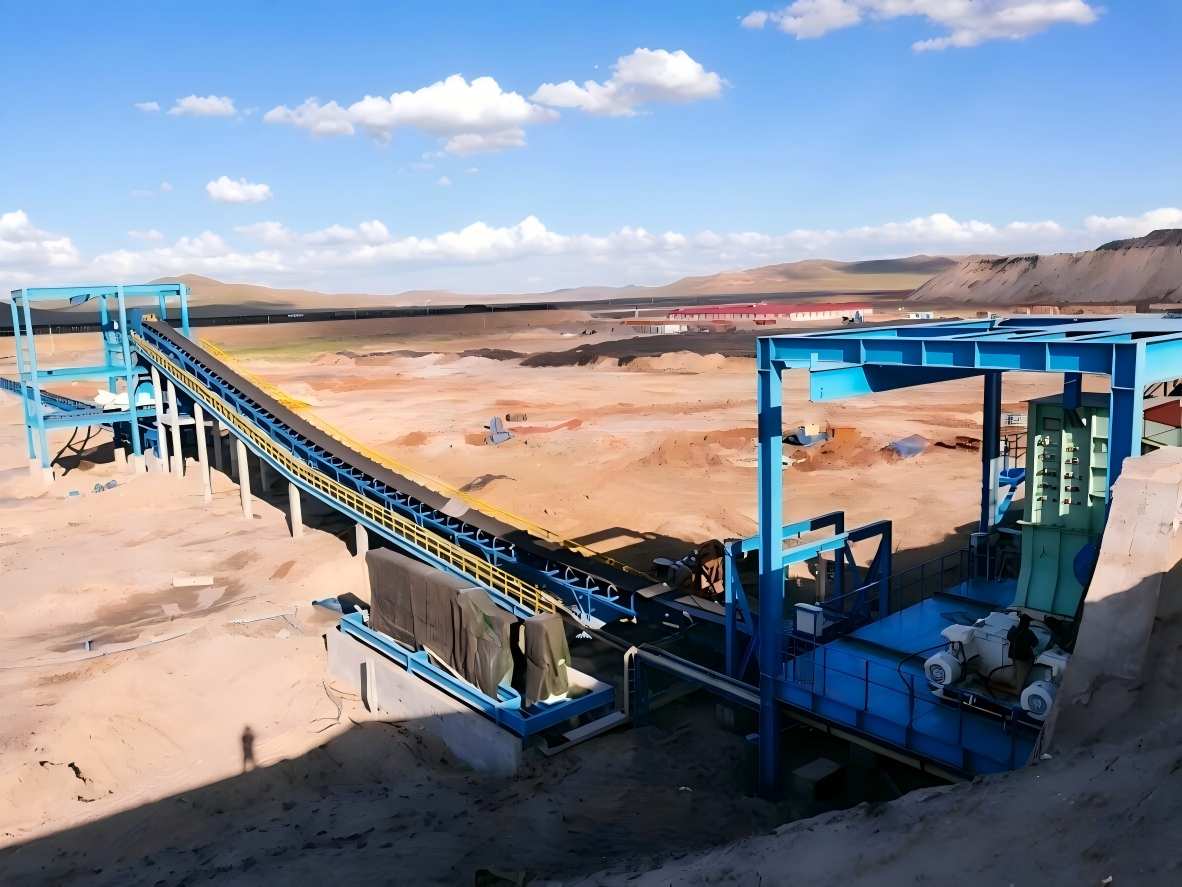
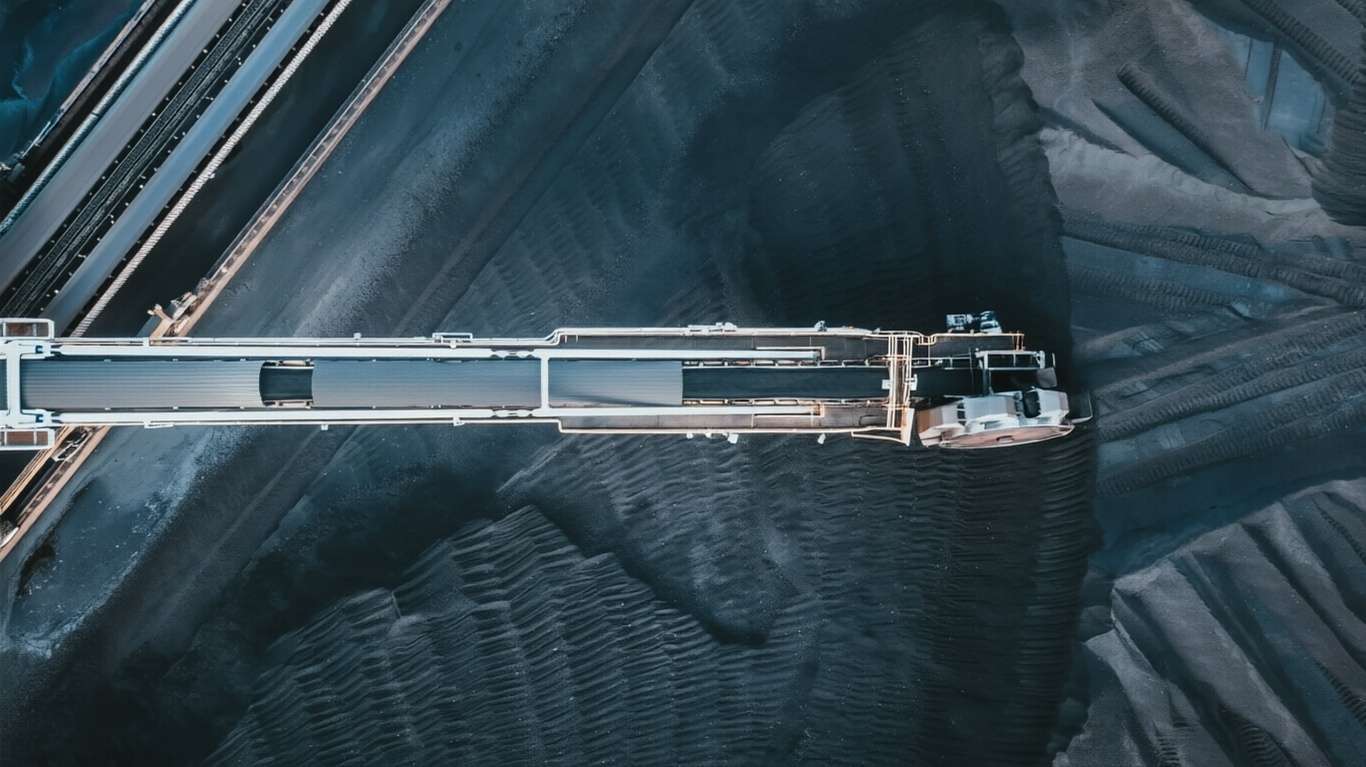
In a belt conveyor system, rollers support the belt and conveyed load along the carrying run, and support the empty belt along the return run where required by the conveyor arrangement. Their shell, shaft, bearing, and sealing configuration affect rolling resistance, operating reliability, and maintenance demand in continuous bulk-material handling applications.
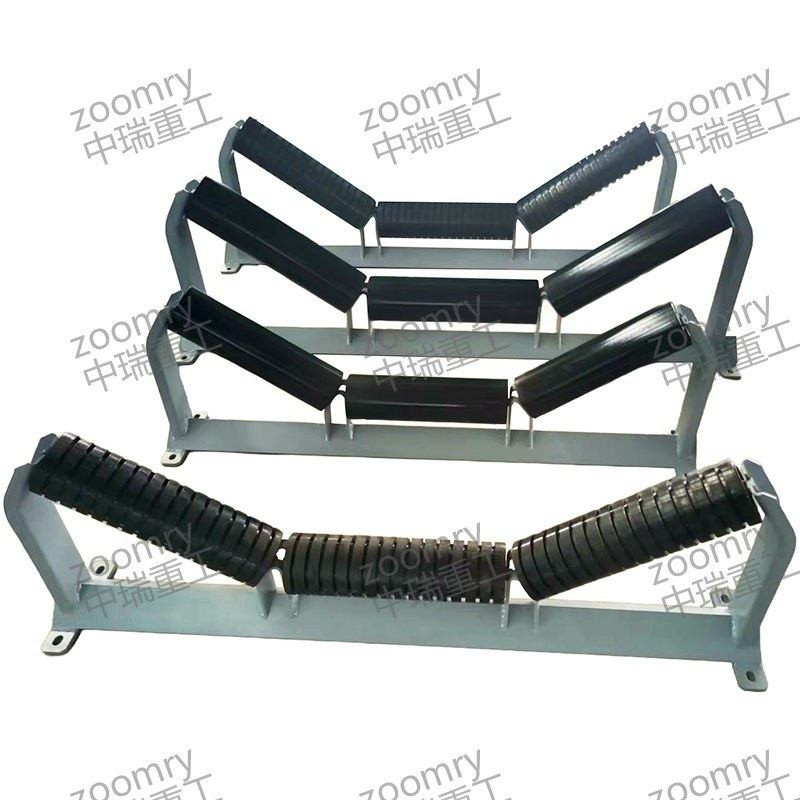
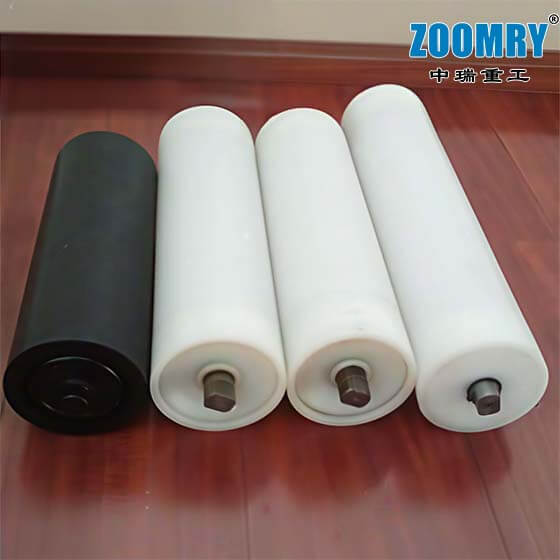
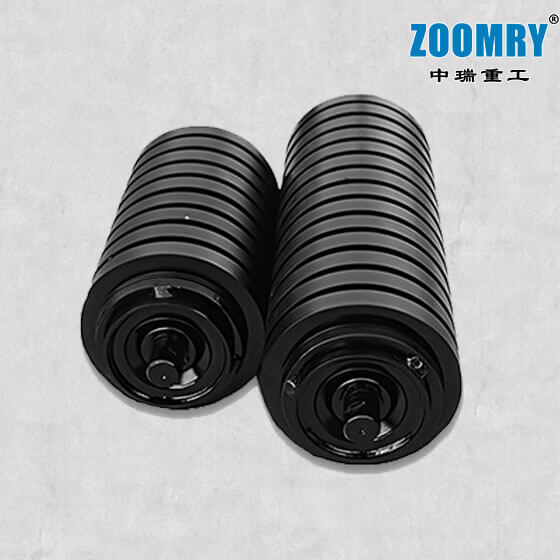
ZOOMRY conveyor rollers are specified according to belt width, roller spacing, material load, belt speed, environmental exposure, and roller position. Steel rollers are commonly selected for general heavy-duty conveying, HDPE rollers can be considered where corrosion resistance or lower rotating mass is required, and impact rollers are used around loading and transfer zones to help absorb local belt impact.
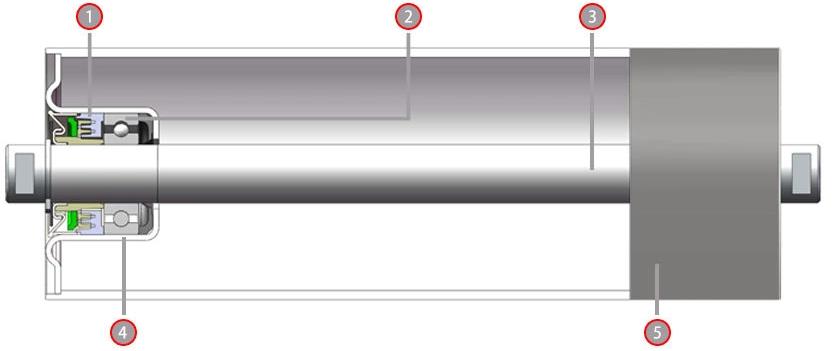
Belt Conveyor Roller Structure — 1. Seal Assembly 2. Bearing 3. Shaft 4. Bearing Housing 5. Shell
Belt conveyor rollers function as rotating support elements that convert sliding friction into rolling friction as the conveyor belt passes over them. Each roller consists of a cylindrical shell mounted on a shaft through deep-groove ball bearings, with the bearing assembly protected by a multi-stage sealing arrangement. This design distributes material load across the belt width while supporting stable belt travel and helping limit rolling resistance when the roller is correctly selected, installed, and maintained.
The multi-stage labyrinth seal forms a sealing path that helps restrict dust and moisture ingress before contaminants can reach the bearing chamber. Grease selection can be specified according to operating conditions. This sealing approach differs from open-bearing designs, which are more susceptible to contamination in dusty conveyor environments.
Roller material and configuration are selected according to duty conditions. The table below summarizes typical selection logic for different operating environments.
| Roller Type | Shell Material | Selection Considerations | Typical Applications |
|---|---|---|---|
| Steel Roller | Q235 carbon steel | General heavy-duty conveying; wear-resistant shell | Mining, coal, cement, port conveyors |
| HDPE Roller | High-density polyethylene | Where corrosion resistance and low roller mass are priorities, subject to duty conditions | Fertilizer, salt, chemical, coastal port |
| Impact Roller | Steel core + rubber rings | Loading zones where local belt impact needs to be absorbed | Crusher discharge, transfer points |
Roller selection depends on belt width, roller spacing, material load, belt speed, environmental exposure, and roller position. Compatibility with existing frames and mounting dimensions should be confirmed before replacement.
| Parameter | Specification |
|---|---|
| Product Name | Belt Conveyor Roller |
| Roller Diameter | 89–159 mm |
| Roller Length | 190–1,500 mm |
| Shell Material | Carbon steel |
| Bearing Type | Deep-groove ball bearing |
| Seal Type | Multiple labyrinth seal |
| Surface Coating | Customized color; powder coating available upon request |
| Warranty | Subject to order scope and application conditions |
| Compliance Documents | Available upon request; subject to model, destination market, and project requirements |
To provide an accurate belt conveyor roller specification, please share the following project parameters:
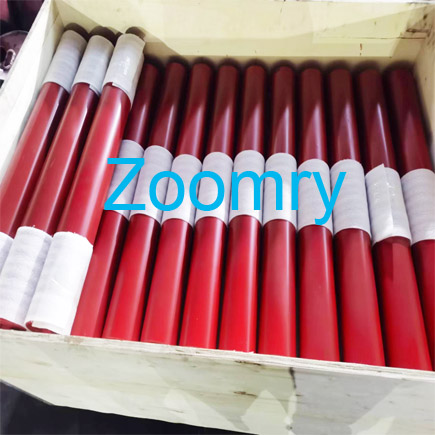
Tell us your belt width, material type, and operating environment — our engineers will recommend the right roller material, diameter, bearing, and sealing arrangement.
Request Conveyor Roller Recommendation →The roller diameter is 89–159 mm.
The roller length is 190–1,500 mm.
Compare adjacent models, sizes and duty classes in this category before requesting a quotation.
Browse all Conveyor Roller models or the complete product range.