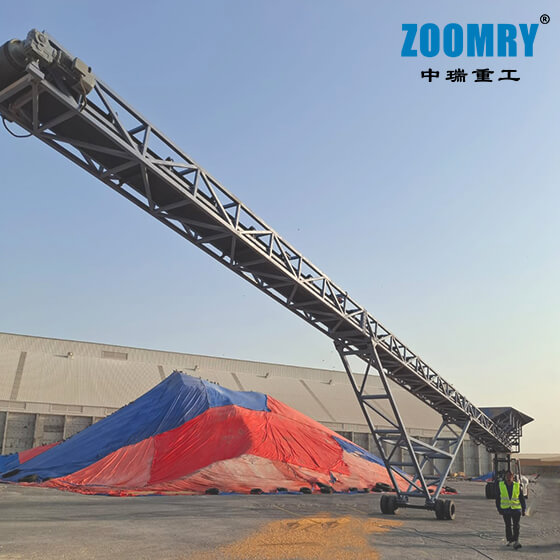

How Grasshopper Conveyors Work A grasshopper conveyor is assembled from modular truss sections bolted together in the field.
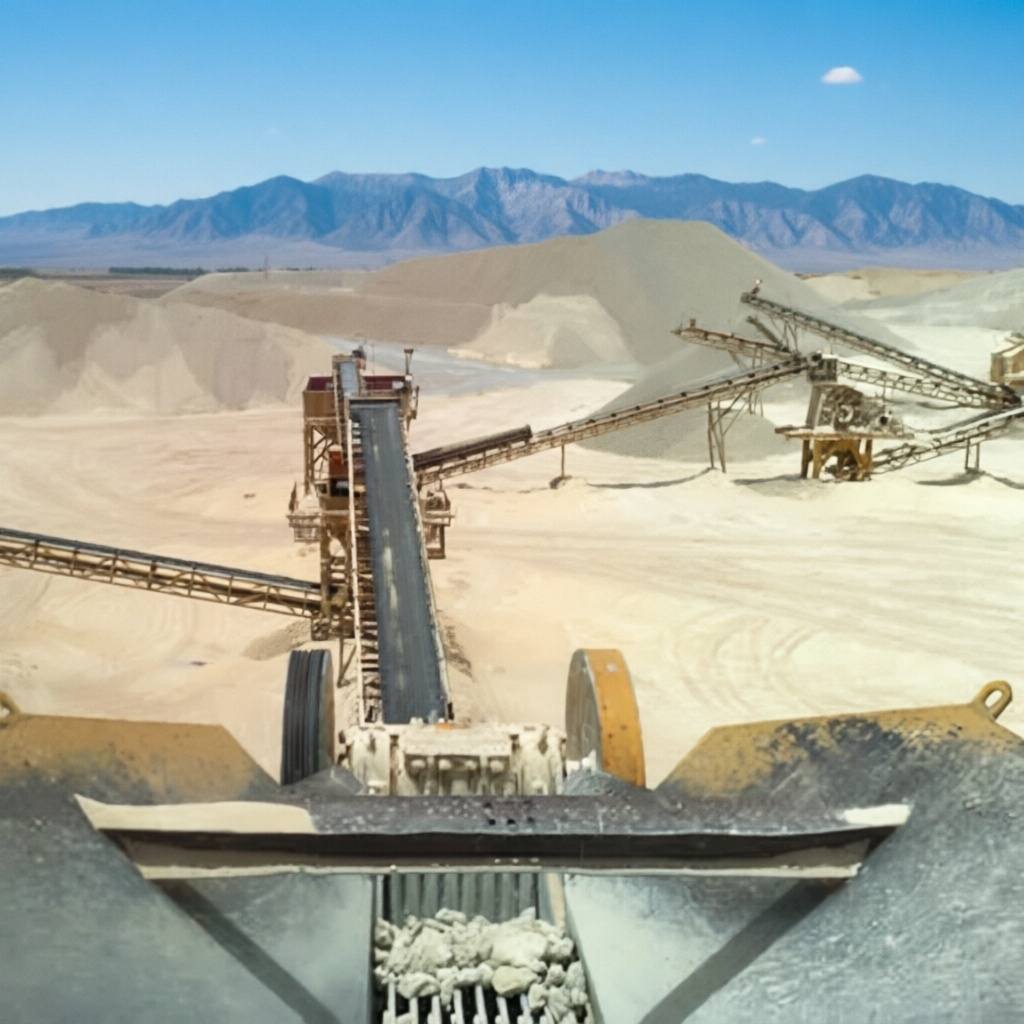
ZOOMRY grasshopper conveyors are relocatable belt conveyor systems designed to move bulk material between stockpiles, processing stages, and loading points. Built from field-bolted prefabricated truss sections, these portable transfer conveyors can reduce reliance on loaders and haul trucks for suitable short-distance transfer routes in aggregate, mining, and port applications.
Standard configurations range from the ZR65D (200 t/h) to the ZR120D (550 t/h), with 20m or 25m lengths, 18.5–37 kW belt drive power, and stacking heights of 6.5m or 8.0m. Multiple units can be connected in series to form a longer portable transfer line between truck unloaders, hopper feeders, and downstream processing equipment.

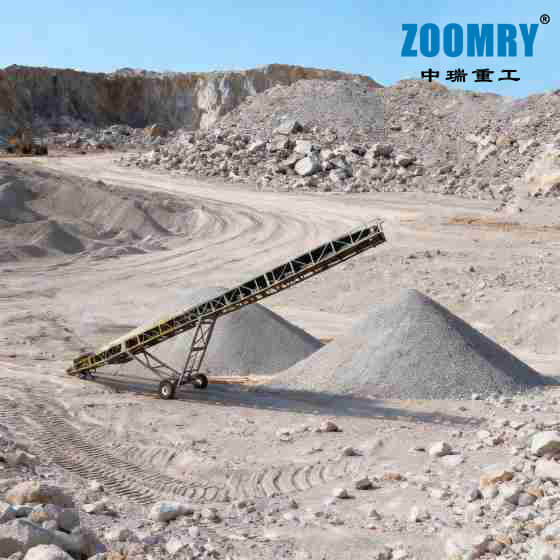
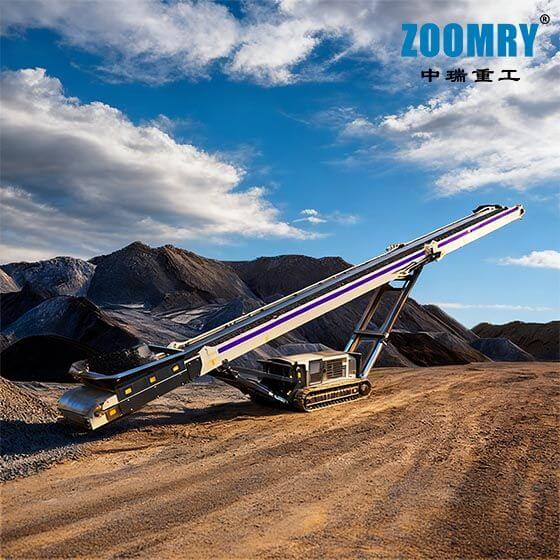
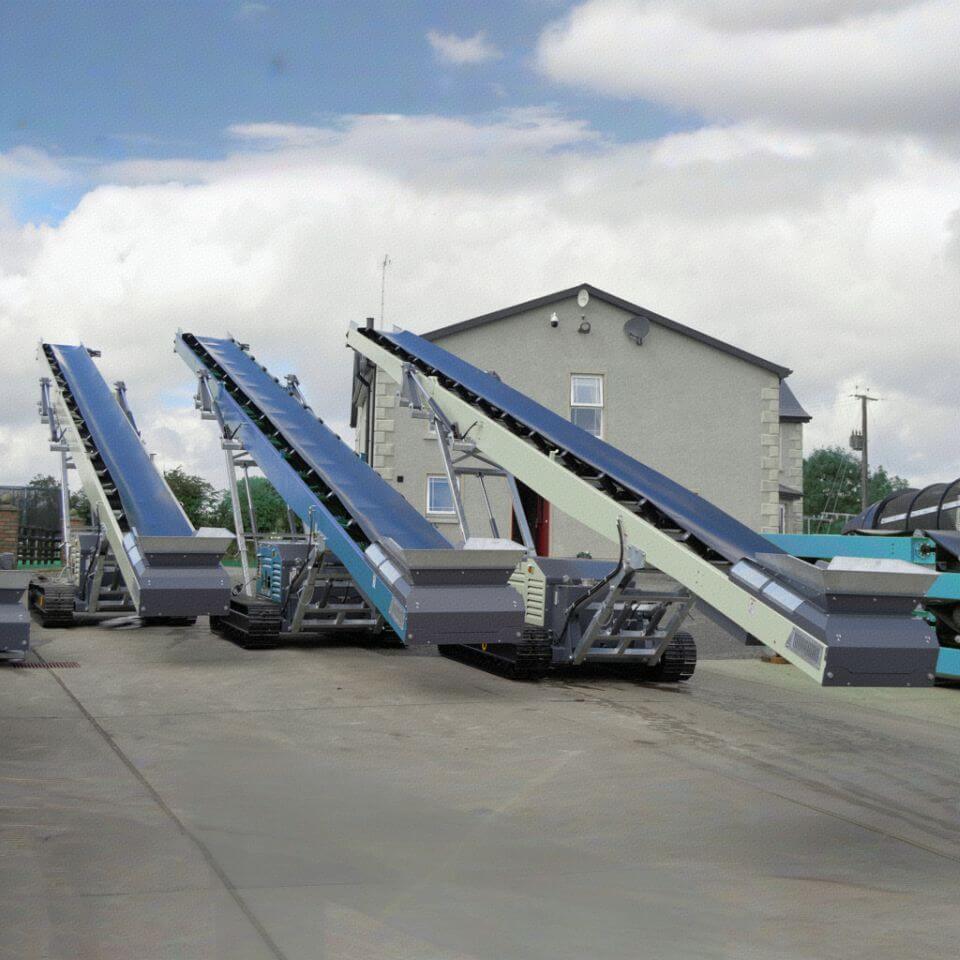
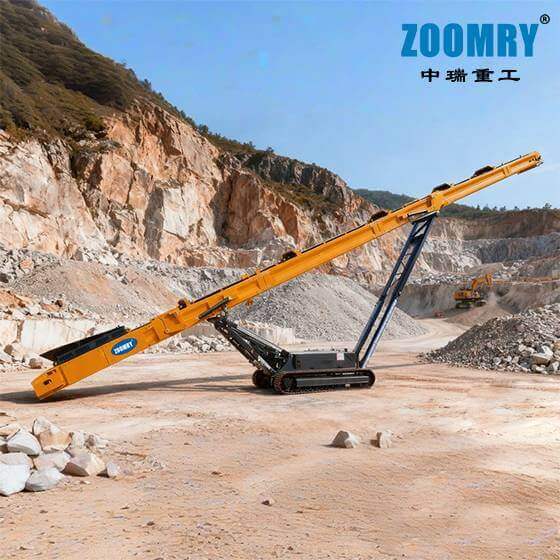
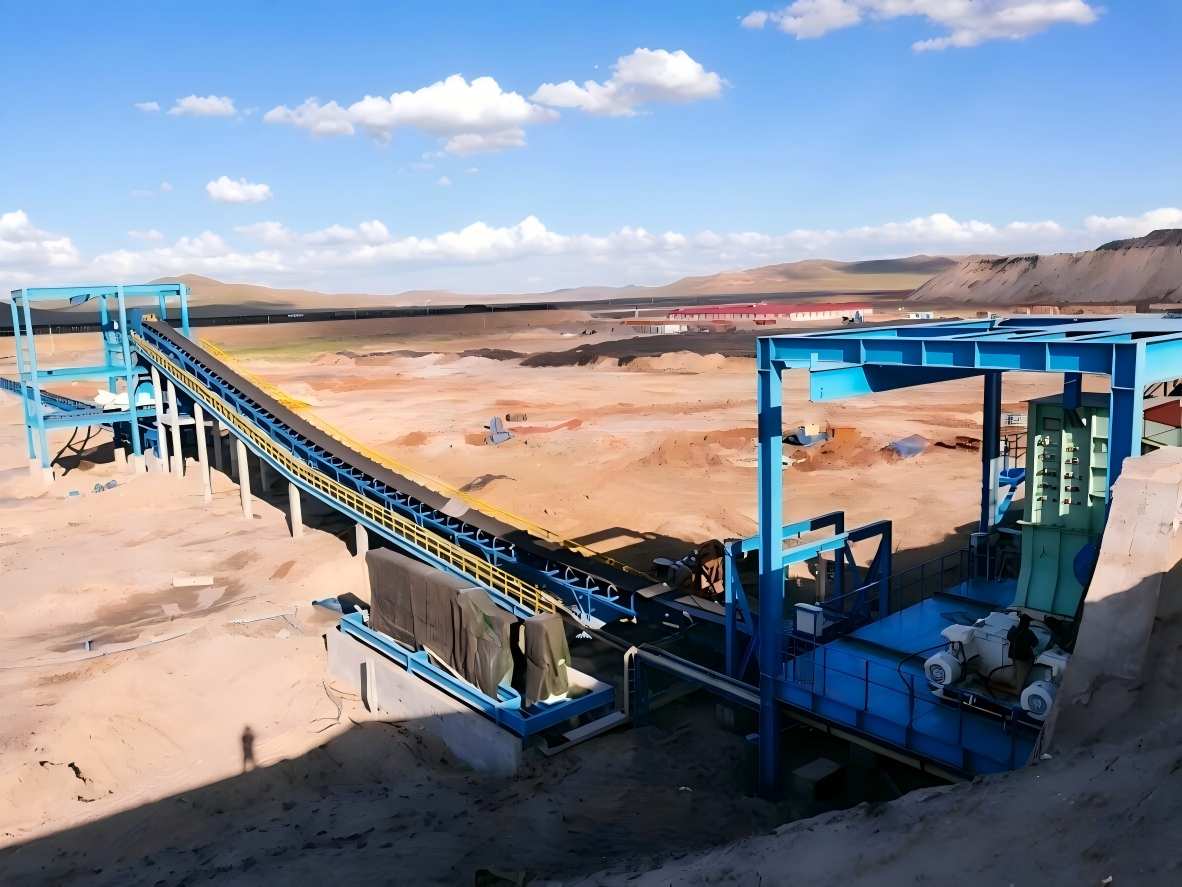
A grasshopper conveyor is assembled from modular truss sections bolted together in the field. One end is elevated by struts from a wheeled axle assembly, allowing the discharge end to feed material onto a stockpile or into the next process stage. The modular design enables multiple grasshopper conveyors to be connected in series when longer transfer distances are required.
Units are repositioned using a fork truck or front-end loader, making them suitable for temporary stockpile operations, progressive earthmoving, and aggregate crushing circuits where transfer routes change as the site develops. Each unit can be supplied with an independent drive and integrated into a coordinated control and interlock arrangement for the complete transfer route.
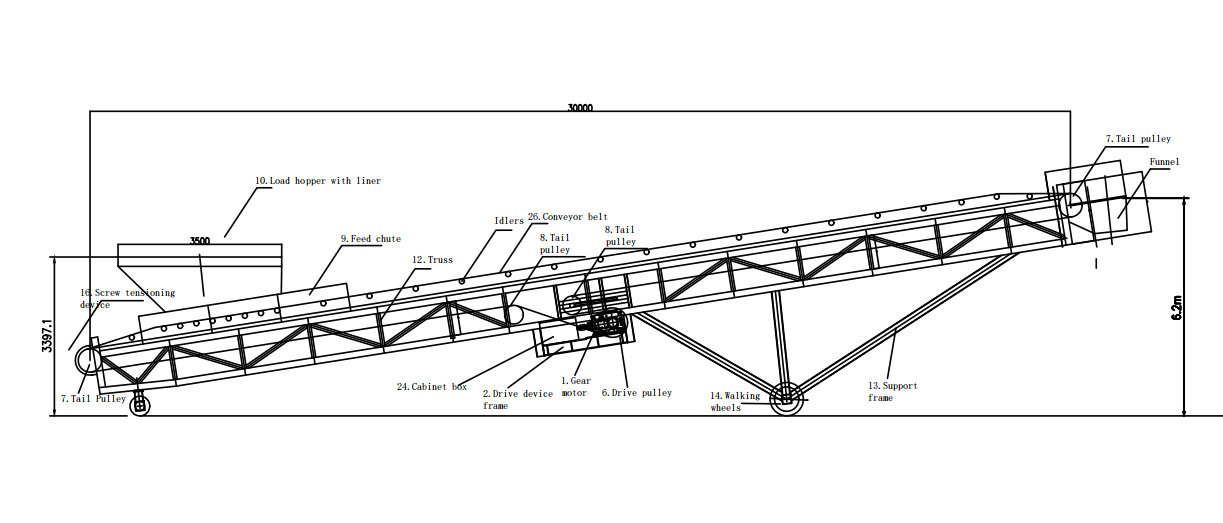
Modular Prefabricated Truss Design — Field-bolted truss sections support modular assembly and relocation using suitable site equipment, helping accommodate progressive mine and quarry operations.
Relocatable Wheeled Axle Assembly — One end is elevated by struts from a wheeled axle, allowing repositioning by fork truck or front-end loader.
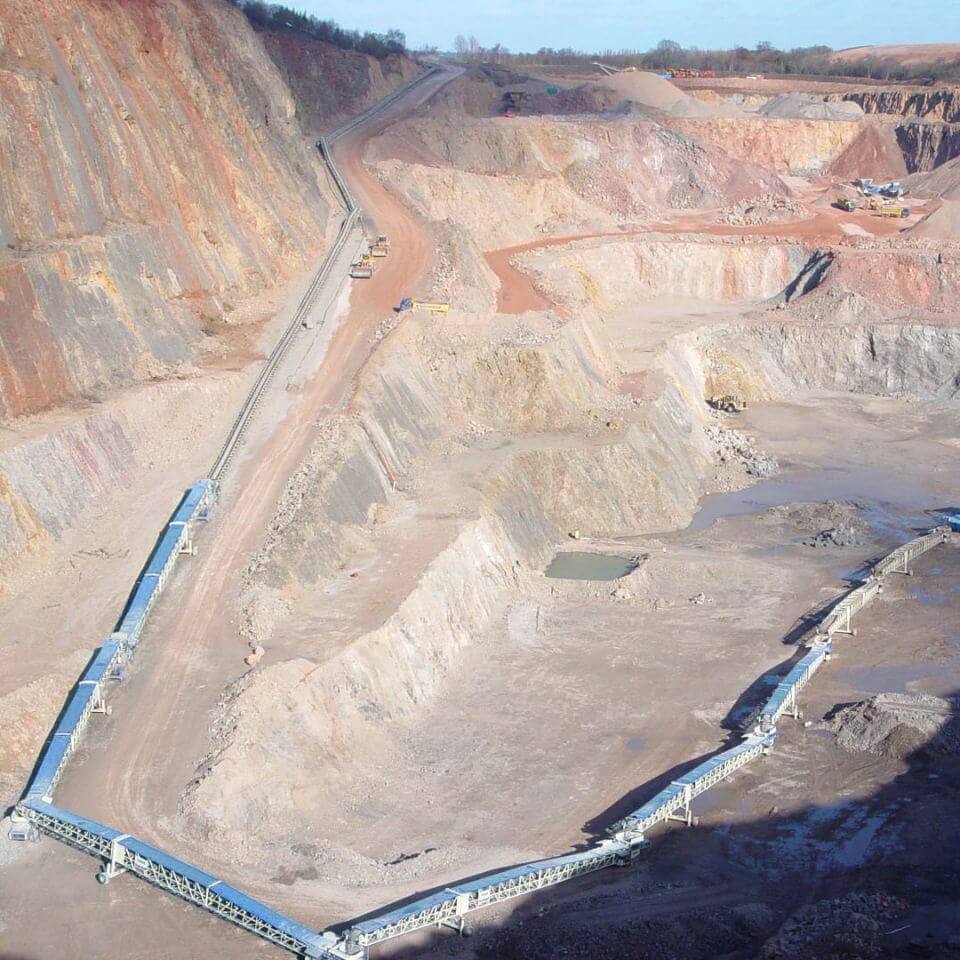
Series-Connection Capability — Multiple grasshopper units can be arranged in sequence to create a longer portable transfer line for extended stockpile or processing area layouts.
Adjustable Discharge Height — Stack heights of 6.5m or 8.0m accommodate a range of downstream equipment, stockpile configurations, and port loading applications.
In-House Electrical Design — Conveyor interlocks automatically stop production in the event of process interruptions, supporting safe operation and reduced downtime.
| Model | Capacity (t/h) | Length (m) | Belt Drive Power (kW) | Travel Motor Power (kW) | Max Inclination (°) | Stack Height (m) | Belt Speed (m/s) |
|---|---|---|---|---|---|---|---|
| ZR65D | 200 | 20 / 25 | 18.5 | 11 | 18 | 6.5 / 8.0 | 2.0 |
| ZR80D | 300 | 20 / 25 | 22 | 11 | 18 | 6.5 / 8.0 | 2.0 |
| ZR100D | 400 | 20 / 25 | 30 | 15 | 18 | 6.5 / 8.0 | 2.5 |
| ZR120D | 550 | 20 / 25 | 37 | 15 | 18 | 6.5 / 8.0 | 2.5 |
Standard production configurations for ZOOMRY grasshopper conveyors. Maximum inclination of 18° is subject to material characteristics, belt design, and site conditions. Custom configurations available on request.
Mobile Link to Processing Plants — Connect primary and secondary crushing stages in pit operations, replacing loader movement for continuous material transfer.
Port Terminal Links — Bridge material flow from truck unloaders and hopper feeders to ship loaders in port and inland terminal applications.
Heap Leach Operations — Transport ore between stacking pads in heap leach plants where transfer routes change as the pad develops.
Warehouse to Ship Loading — Provide flexible transfer links between storage areas and vessel loading or unloading points.
Tell us your required capacity, transfer length, and material type — our engineers will recommend the optimal grasshopper conveyor configuration and series arrangement.
Request Grasshopper Conveyor Recommendation →Standard configurations range from the ZR65D (200 t/h) to the ZR120D (550 t/h), with 20m or 25m lengths, 18.5–37 kW belt drive power, and stacking heights of 6.5m or 8.0m.
Maximum inclination of 18° is subject to material characteristics, belt design, and site conditions.
Compare adjacent models, sizes and duty classes in this category before requesting a quotation.
Browse all Grasshopper Conveyor models or the complete product range.