
Semi-stationary grasshopper conveyor for extended-duty crusher-to-stockpile and plant transfer routes in aggregate and mining operations.
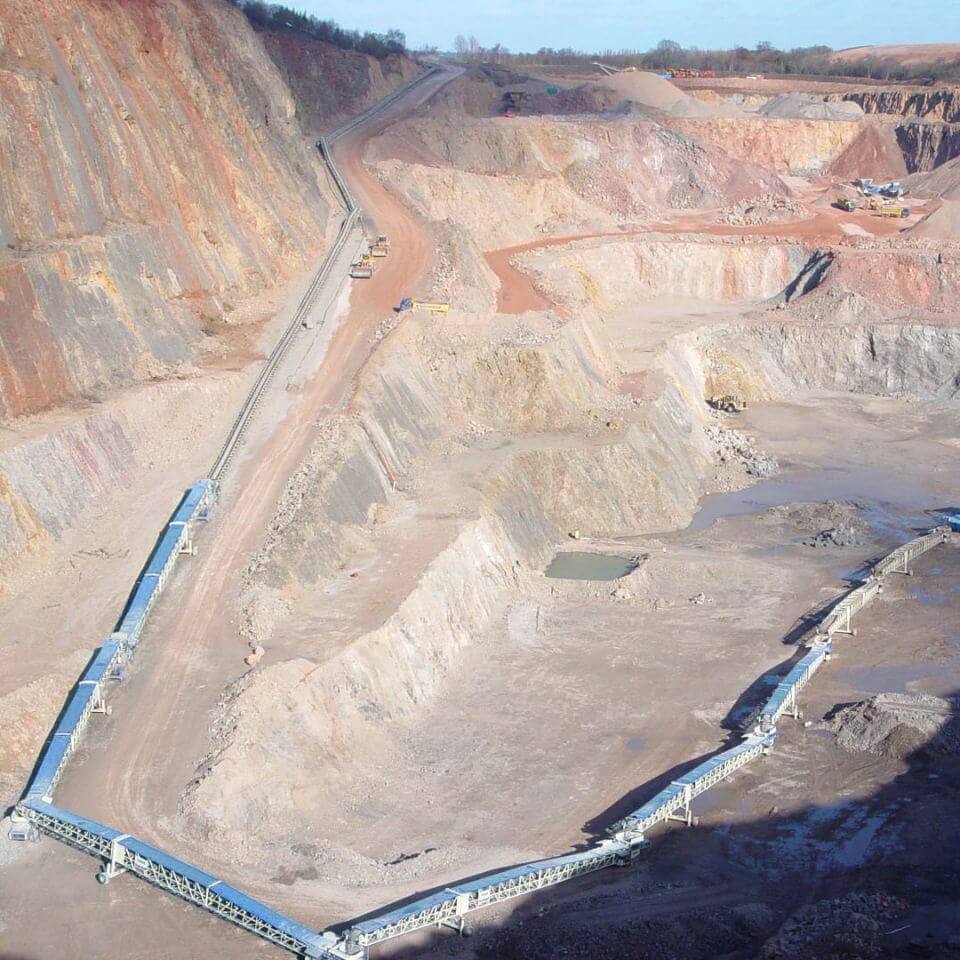
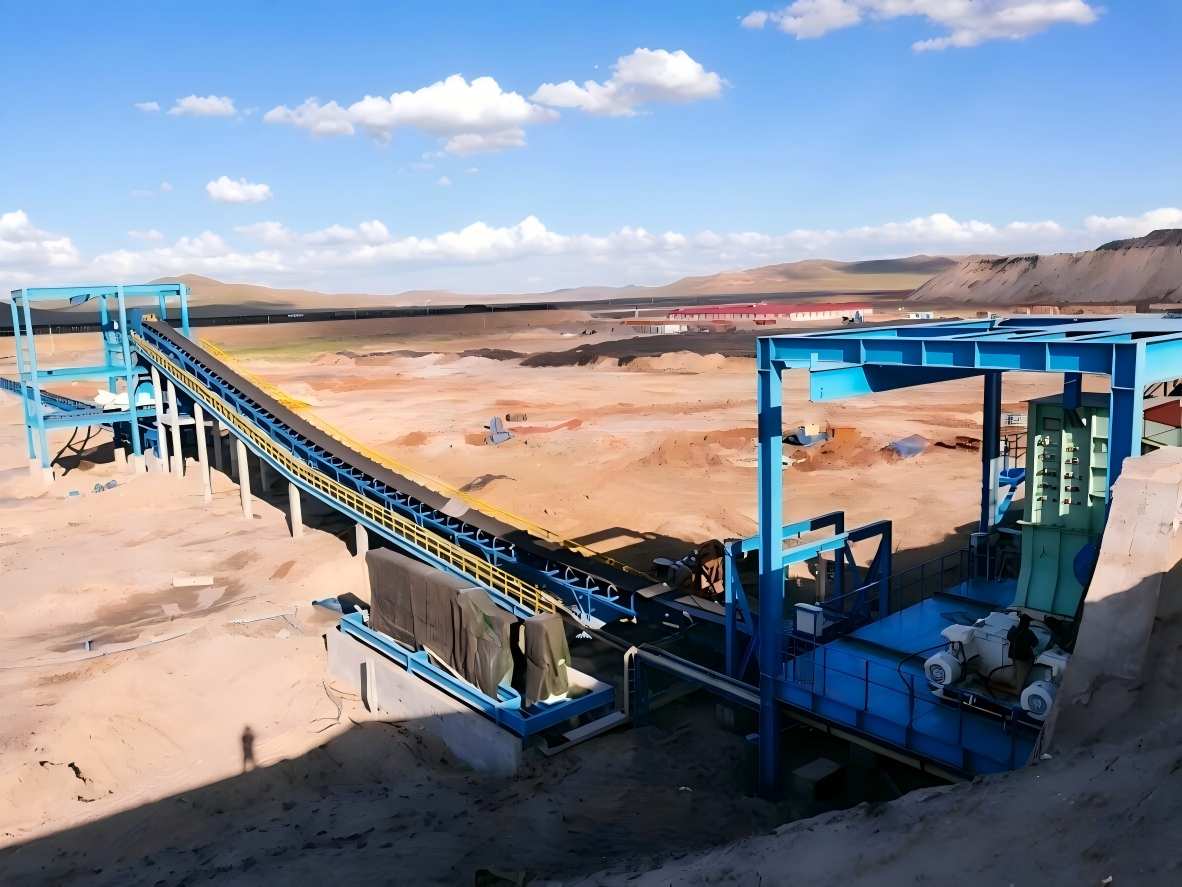
In bulk material handling, not every transfer route needs to be moved every shift. When a crusher-to-stockpile connection or plant transfer route is expected to remain stable for weeks or months, a semi-stationary grasshopper conveyor offers an alternative to both frequently repositioned portable units and permanently fixed conveyor galleries. The conveyor is installed along a planned route, operates continuously, and can still be relocated when quarry faces advance or process circuits are reconfigured.
ZOOMRY configures each semi-stationary conveyor around the specific transfer task: belt width and drive power are matched to material density and throughput, support and feed arrangements are selected for the terrain, and discharge height is set for the downstream receiving point. This project-specific approach avoids the compromise of applying a single standard design to routes with different lengths, lifts, and operating durations.
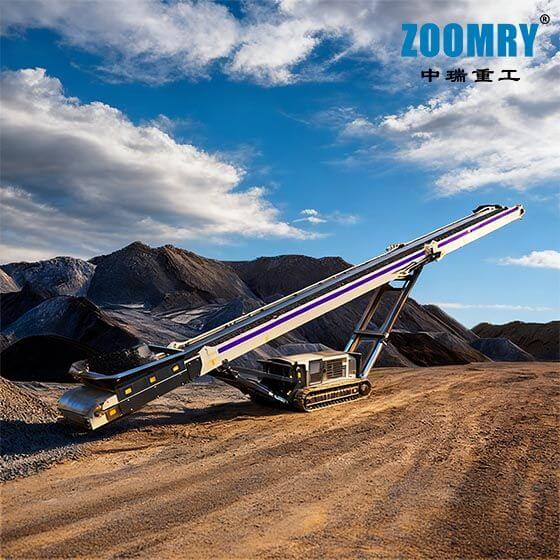
Semi-Stationary Grasshopper Conveyor — Extended-Duty Transfer Conveyor for Aggregate and Mining Operations
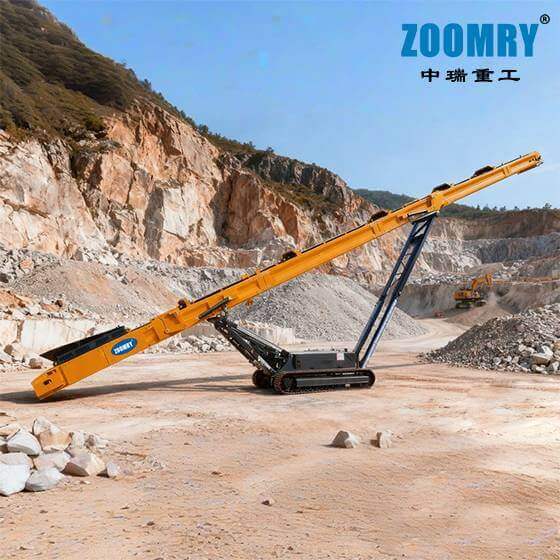
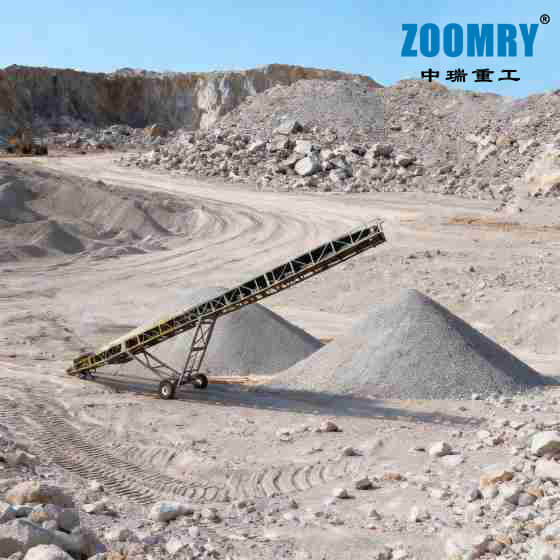
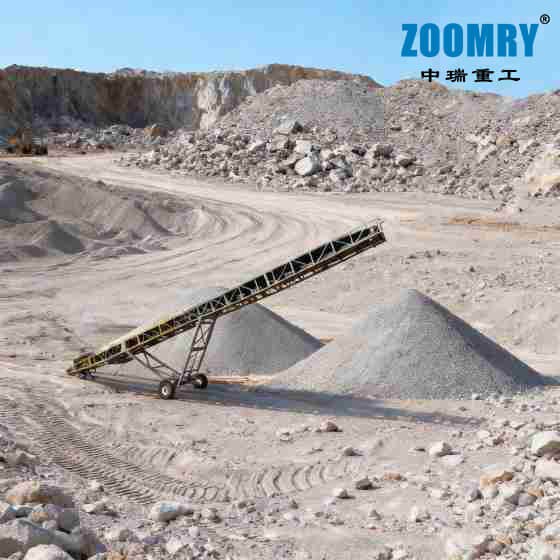
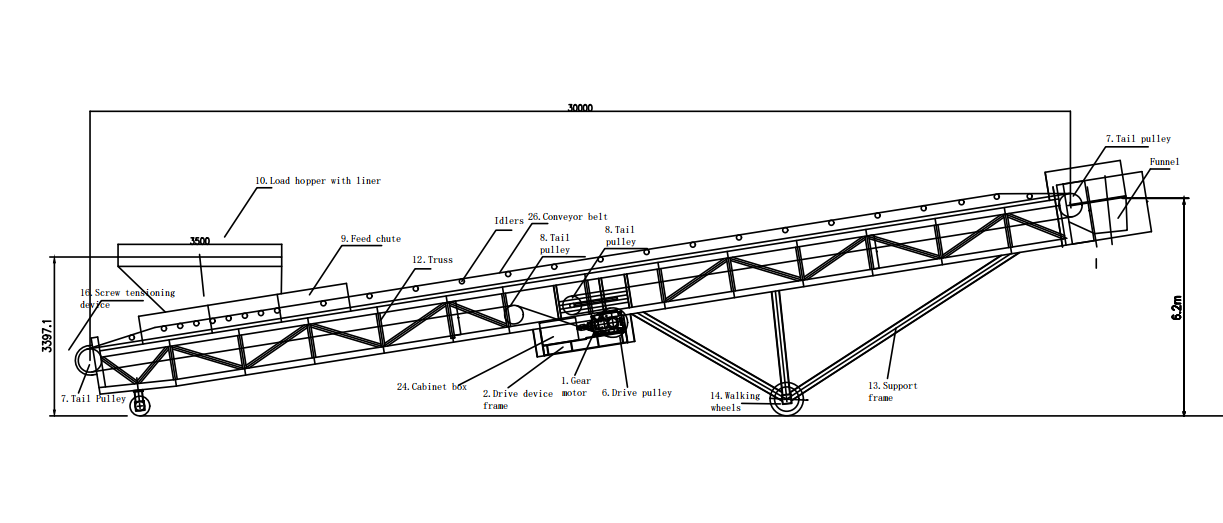
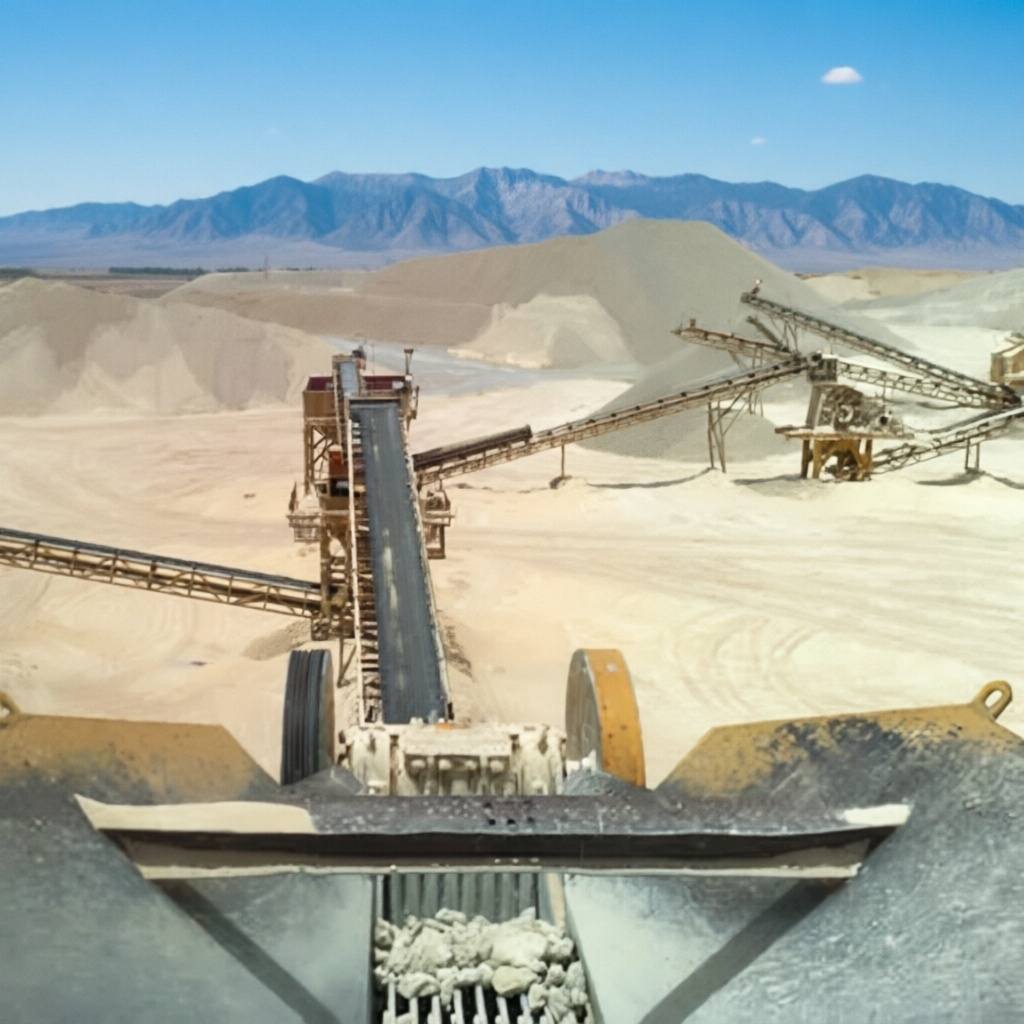
Semi-stationary grasshopper conveyors serve as intermediate transfer links within a multi-stage bulk handling circuit. Material enters the tail section from an upstream crusher, screen, hopper, or another conveyor, travels along the inclined conveyor, and discharges at the elevated head end onto a stockpile or into downstream equipment.
Compared with a standard portable grasshopper that is frequently repositioned between work areas, this configuration is intended for routes that remain stable for longer periods. When site layout or process flow changes, the conveyor can be relocated using suitable site equipment without permanent structural modification.
| Model | Capacity (t/h) | Length (m) | Installed Drive Power (kW) | Max Inclination (°) | Stack Height (m) | Belt Speed (m/s) |
|---|---|---|---|---|---|---|
| ZR65D | 200 | 20 / 25 | 18.5 | 18 | 6.5 / 8.0 | 2.0 |
| ZR80D | 300 | 20 / 25 | 22 | 18 | 6.5 / 8.0 | 2.0 |
| ZR100D | 400 | 20 / 25 | 30 | 18 | 6.5 / 8.0 | 2.5 |
| ZR120D | 550 | 20 / 25 | 37 | 18 | 6.5 / 8.0 | 2.5 |
Installed drive power varies with conveyor length, inclination, belt speed, material density, and operating environment. Capacity figures represent nominal design values and should be confirmed against the specific material and site conditions.
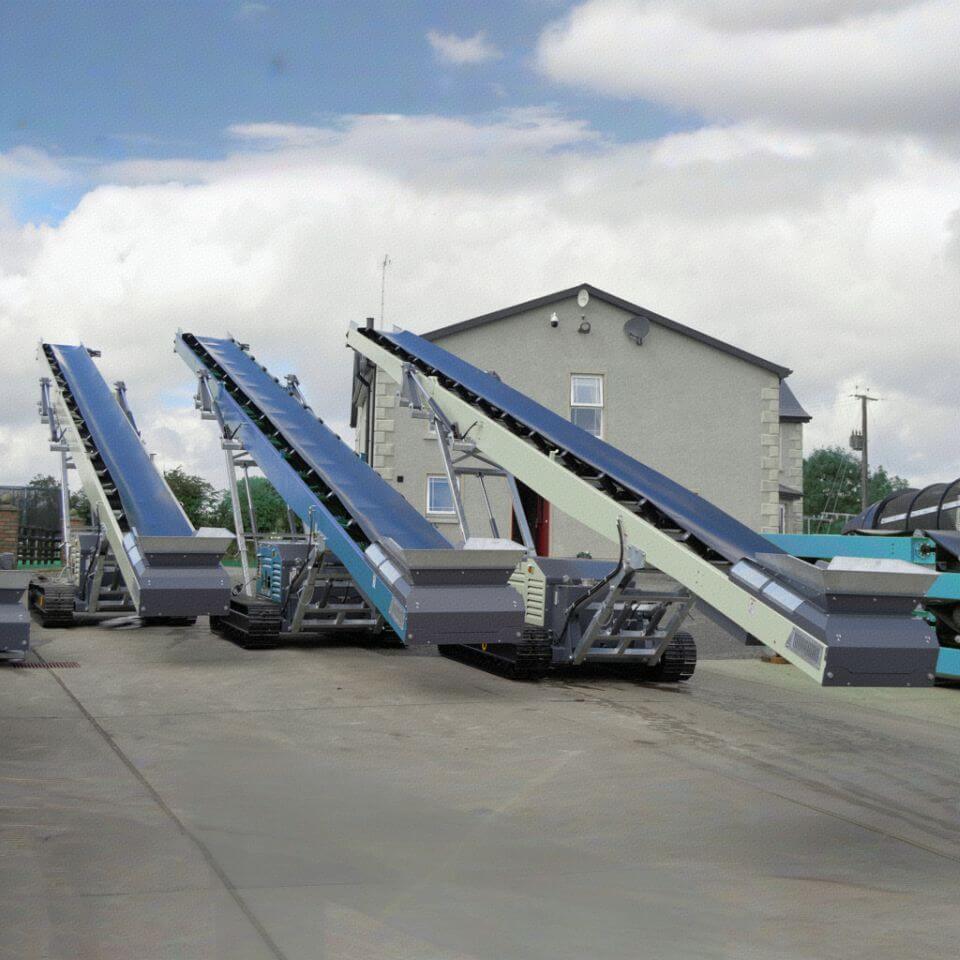
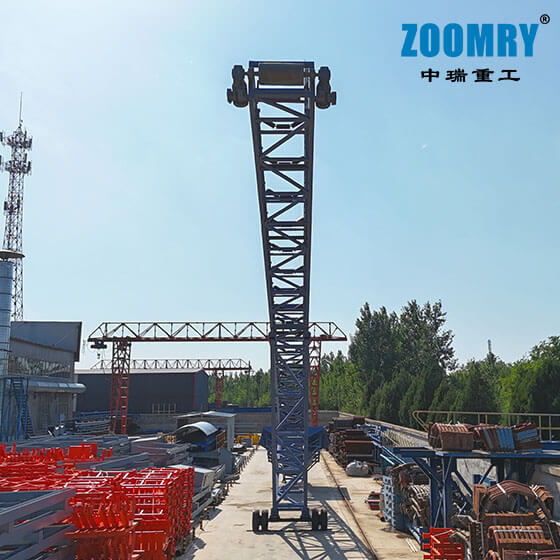
Compare adjacent models, sizes and duty classes in this category before requesting a quotation.
Browse all Grasshopper Conveyor models or the complete product range.
Tell us your material type, throughput, transfer distance, and expected workstation duration — our engineers will recommend the right ZR model and configuration.
Request Semi-Stationary Conveyor Quote →