
Different Types of Belt Conveyor Columns – Structure & Selection Guide | ZOOMRY
Belt conveyor columns and support structures form the backbone of any belt conveyor system — providing the structural foundation for conveyor rollers, idlers, and the belt itself.
Quick Answer
Belt conveyor columns and support structures form the backbone of any belt conveyor system — providing the structural foundation for conveyor rollers, idlers, and the belt itself. The rest of the page explains how the variants differ and which one fits a given line.
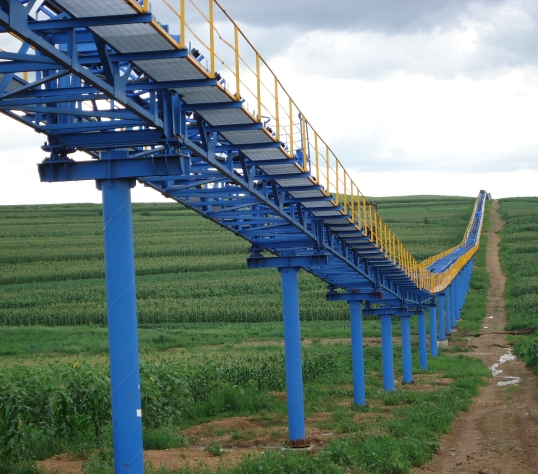
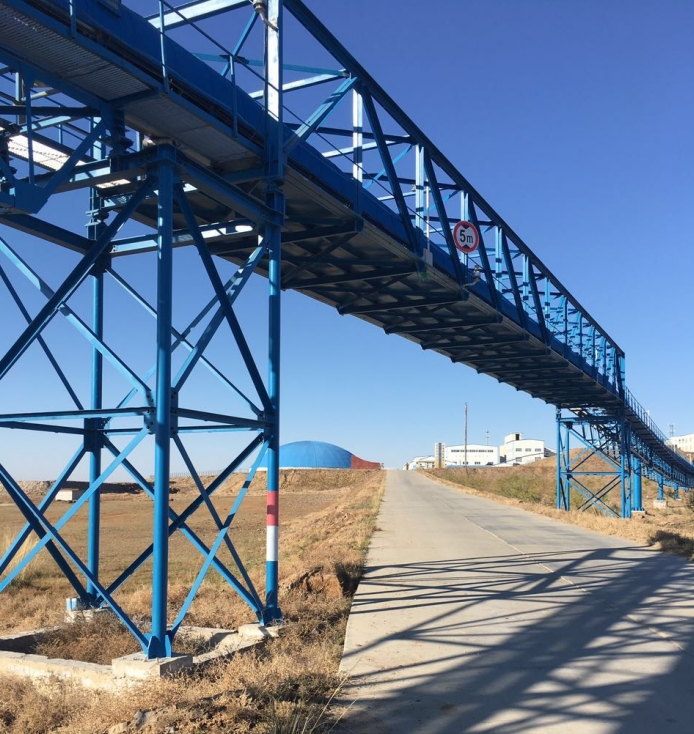
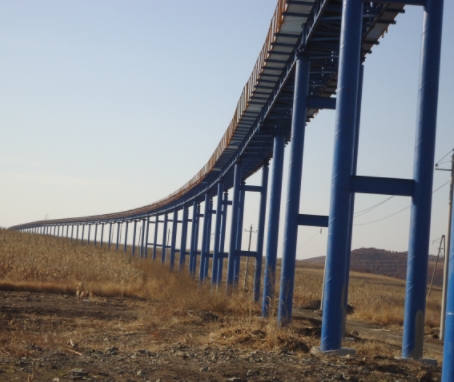
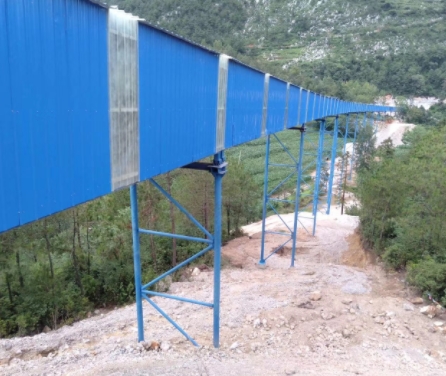
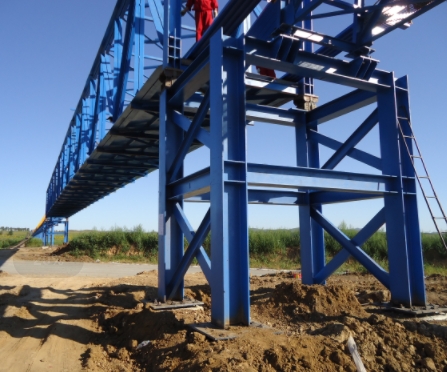
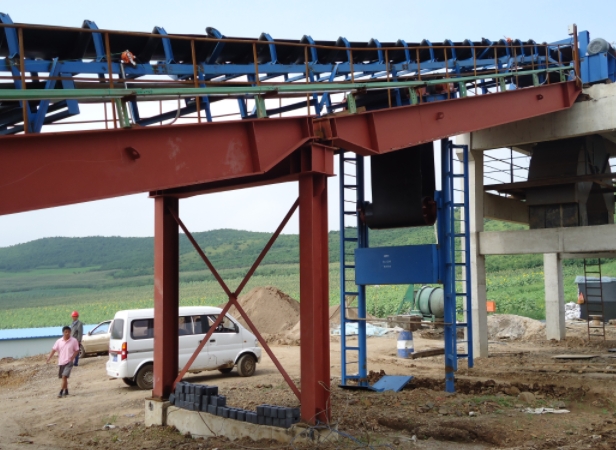
Belt conveyor columns and support structures form the backbone of any belt conveyor system — providing the structural foundation for conveyor rollers, idlers, and the belt itself. As a professional bulk material handling solution provider, ZOOMRY engineers complete steel structures for conveyor systems in mining, cement, and port applications. Below are the common types of belt conveyor support column configurations used across different operating scenarios.
Conveyor Column Selection Factors
When selecting the appropriate support structure for a belt conveyor system, consider the following factors:
- Conveyor length and capacity: Longer and higher-capacity conveyors require heavier-duty columns with reinforced steel truss sections.
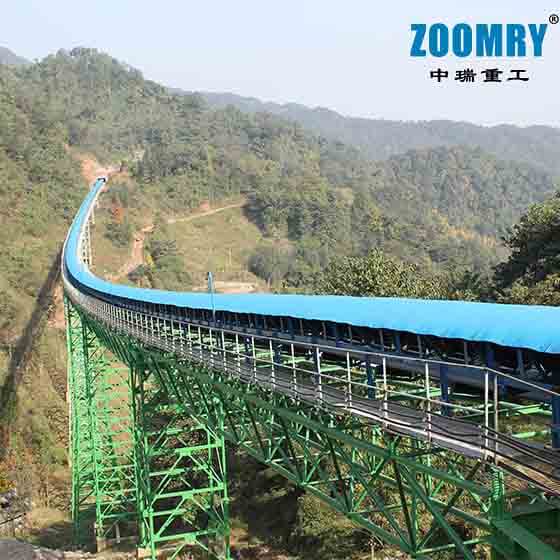
- Terrain and installation site: Uneven or sloping ground requires adjustable-height columns or custom support designs — common in long distance overland conveyors.
- Environmental conditions: Outdoor installations require corrosion-protected steel (galvanized or coated). Coastal port environments demand enhanced corrosion resistance.
- Mobility requirements: Fixed columns for permanent installations; mobile chassis with integrated columns for mobile stackers and portable systems.
- Maintenance access: Walkways and platforms integrated into the support structure for safe inspection and maintenance access.
Related Equipment
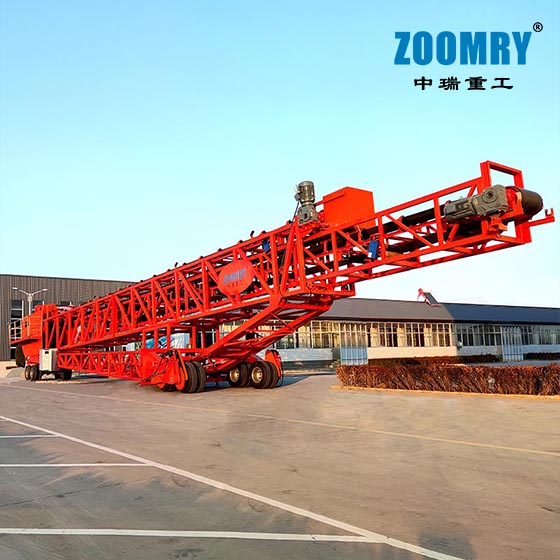
Radial and Telescopic Stackers: Building Stockpiles Efficiently
Radial stackers build a fan-shaped stockpile by slewing around a fixed feed point; telescopic versions extend the boom as the pile grows, keeping the discharge close to the pile surface to limit dust and segregation. Tracked or wheeled undercarriages add mobility between piles. The selection is driven by required stockpile volume, material angle of repose, feed rate and how often the machine must be repositioned.
Selection and operating notes
- Feed rate and belt width must be matched to the upstream crusher or hopper output.
- Tracked radial stackers suit soft or uneven ground where wheeled units lose traction.
- Confirm boom length, discharge height and power supply against the site layout before ordering.
- Telescopic extension reduces drop height, which limits dust and material segregation.
Related equipment and guides
Explore This Topic: Belt Conveyor Systems
Foundations of belt conveying: system components, layouts, drive methods, types, cleaning and maintenance.
- Belt Conveyor Systems — Topic hub
- What Type of Cover Closure is Used for Belt Conveyors When Mobile Reception and Conveying — Guide
- What Is the Difference Between a Belt Cleaner and a Belt Scraper? — Guide
- Belt Conveyor Drive Methods: Electric Roller vs Hydraulic Coupling – Which One to Choose? | ZOOM — Guide
- Tail Pulley & Bend Pulley – Belt Conveyor Tail & Bend Pulleys — Product
- Conveyor Rain Cover | Belt Conveyor Protective Cover - Full & 3/4 Styles - ZOOMRY — Product
Let's build it together
Need a custom bulk handling solution?
Talk to our engineers about conveyors, stackers, ship loaders and turnkey EPC systems.