
This section collects ZOOMRY news on belt conveyor systems — overland and curved conveyors, pipe conveyors, and large inclination units — including project milestones, engineering case studies, and technical articles on belt selection, drive configuration, and dust control.
Planning a conveying route? Find stories on long-distance haulage replacing truck fleets, terrain-following curved layouts, enclosed pipe transport for sensitive materials, and steep-angle conveying in confined plant areas.
Explore the Belt Conveyor System range or contact our engineers for route and capacity selection.
 2026-11-27
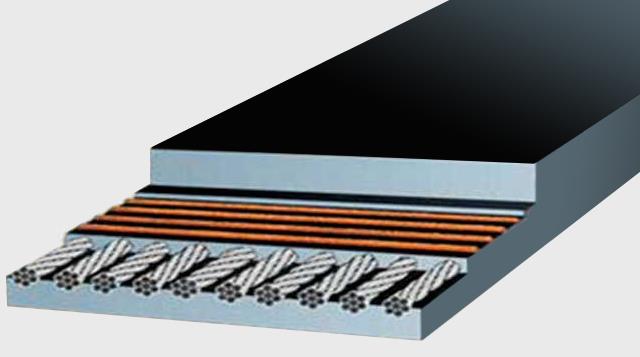
Why conveyor belt prices range from $30 to $120 per meter: carcass type, ST grade, cover compound, belt width, and order volume. ZOOMRY explains the five cost d...
Read more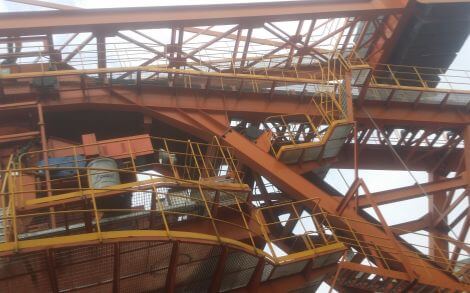 2026-11-26
Conveyor belt pricing is driven by belt width, carcass type, cover grade, length, drives, idlers, steel structure and installation. Learn the cost drivers and w...
Read more
2026-11-25
Why “conveyor belt manufacturer” searches need a different page than “belt selection” searches Someone searching “steel cord conveyor belt selection” is decidin...
Read more
2026-11-24
The safety factor, the splice design, the cover grade, and the rip protection strategy are the parameters that determine whether the belt reaches its design lif...
Read more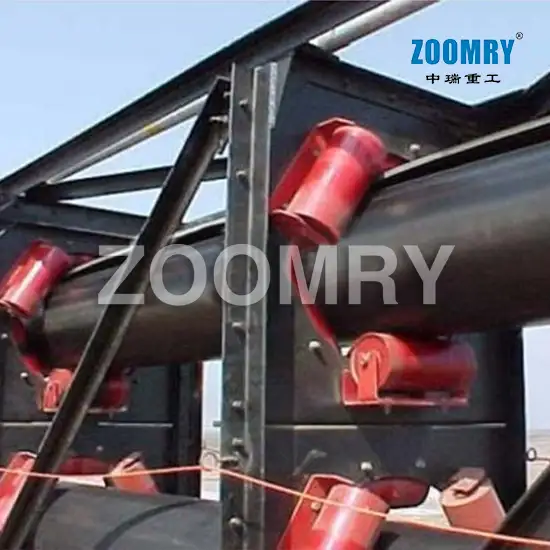 2026-11-23
The pipe diameter is set by the largest particle in the material — a 400 mm pipe handles up to 120–150 mm particles, an 850 mm pipe up to 300–400 mm.
Read more 2026-11-12
Three decision factors — dust compliance, terrain complexity, and 10-year total cost — with ZOOMRY project data from Shandong coal and Vietnam cement.
Read more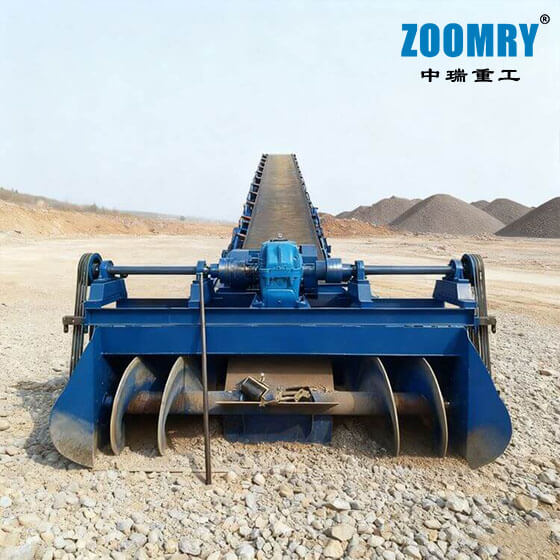 2026-11-09
No single conveyor type covers the whole chain. An open conveyor in a humid climate or a rainy port exposes the product to caking and quality loss.
Read more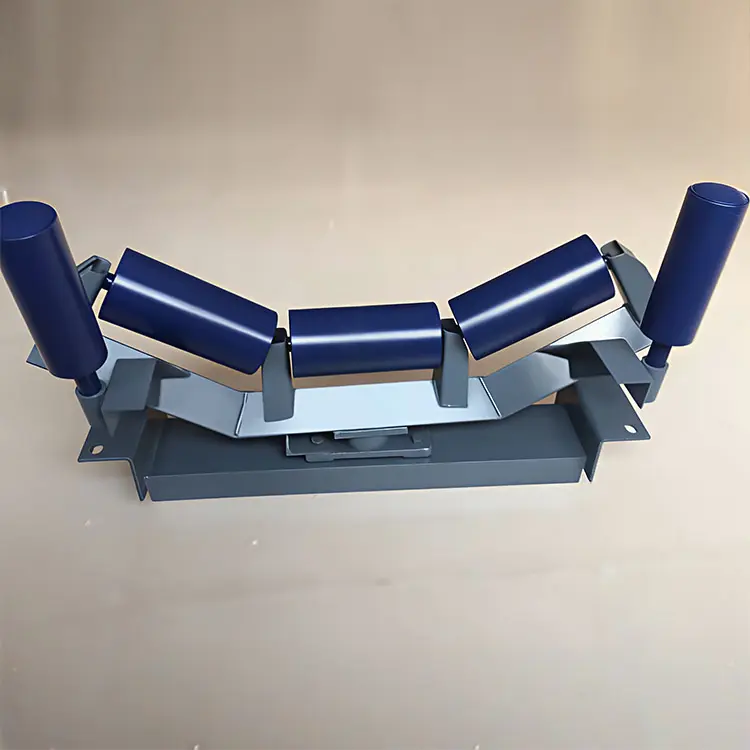 2026-10-27
Why Belt Mistracking Is a Critical Problem On a short conveyor, a slightly off-center belt may only cause minor spillage. In these cases, hydraulic belt alignme...
Read more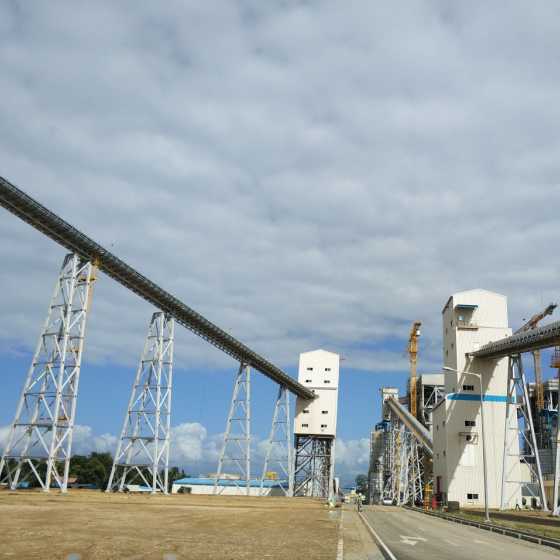 2026-10-15
Select a conveyor type by material properties, required capacity, route geometry and enclosure needs. A decision framework for bulk handling engineers.
Read more 2026-09-03
The difference between a steel cord conveyor belt and a fabric conveyor belt lies in the carcass material that provides the belt's tensile strength.
Read more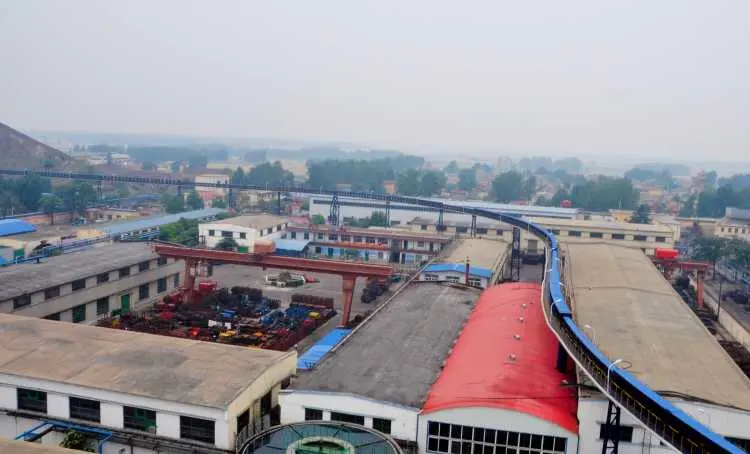 2026-09-02
The difference between a pipe conveyor and a tubular conveyor is primarily a difference in terminology rather than technology.
Read more 2026-08-27
The difference between a pipe conveyor and a trough conveyor lies in how the belt is formed and how material is contained during transport.
Read more