
Three Major Problems Causing Conveyor Downtime – Belt Deviation, Carryback & Damage | ZOOMRY
Material handling in mines accounts for a large proportion of total mining costs — making conveyor systems the common solution for improving operational efficiency.
Quick Answer
Material handling in mines accounts for a large proportion of total mining costs — making conveyor systems the common solution for improving operational efficiency. The challenge is that conveyors often operate under extremely harsh conditions: dirty environments, temperature extremes, and high humidity. Further down: configuration options, installation notes, and related systems.
Material handling in mines accounts for a large proportion of total mining costs — making conveyor systems the common solution for improving operational efficiency. The challenge is that conveyors often operate under extremely harsh conditions: dirty environments, temperature extremes, and high humidity. Without proper maintenance, conveyors experience rapid belt wear and component failure — resulting in costly downtime. As a professional bulk material handling solution provider, ZOOMRY supplies complete conveyor systems with integrated maintenance solutions for mining, cement, and industrial operations. This guide covers the three most common causes of conveyor downtime and their proven solutions.
1. Belt Deviation (Misalignment)
The Problem
Belt misalignment occurs when the belt deviates from its intended path — a serious issue leading to belt edge damage, equipment failure, and material spillage. Common causes include insufficient belt tension, eccentric loading, incorrect splicing, component deflection, and material buildup on idlers and pulleys. Left uncorrected, belt deviation can destroy a belt within hours.
The Solution
The best approach is finding the root cause through systematic belt inspection. Check belt tension at the take-up pulley, verify idler alignment, and inspect for material accumulation. For slight misalignment, self-aligning idlers automatically correct the belt trajectory and maintain straight running. For persistent issues, laser alignment tools provide precision adjustment of all idler frames and pulley axes.
2. Material Carryback
The Problem
When fine material sticks to the belt surface after discharge, the conveyor carries it back on the return side — causing buildup under the belt and on idlers and drums. Certain materials like clay and sticky ores adhere more readily. Although carryback volume seems small per revolution, over weeks it accumulates to tons of material requiring manual cleanup. Carryback also creates safety hazards, environmental issues, and prevents the conveyor system from operating at optimal condition.
The Solution
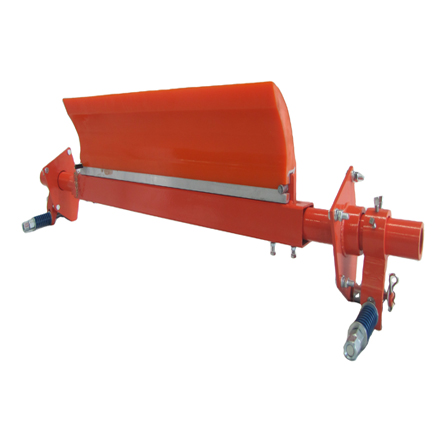
Install belt cleaners designed to prevent carryback. A primary belt cleaner at the head pulley removes 60-80% of carryback; a secondary cleaner with tungsten carbide blade removes fine residue. Combined cleaning efficiency reaches 95%+. The benefits far outweigh the upfront investment — reduced spillage saves maintenance costs, creates a safer workplace, prevents premature idler failure, extends belt life, and keeps the system operating optimally. For sticky materials, water-enhanced cleaning systems with spray bars achieve up to 99% efficiency.
3. Belt Damage
The Problem
Belt damage arises from multiple sources: excessive impact force at loading points, misalignment causing edge wear, improper sealing systems, seized rollers or belt cleaners, and insufficient pulley traction causing slippage. The conveyor belt is typically the most expensive component — making proactive damage prevention essential to avoid irreparable failure and costly replacement.
The Solution
Because belt damage has multiple causes, solutions vary by root cause:
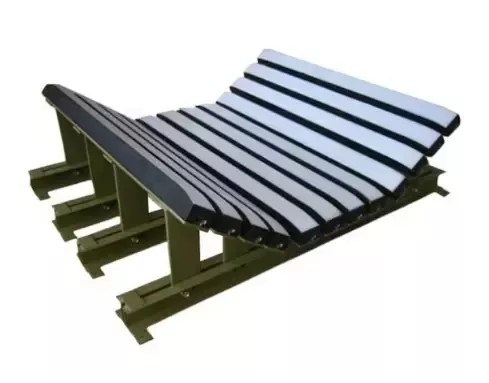
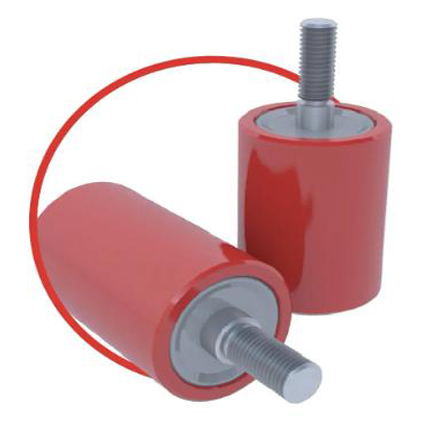
- Impact damage: Install impact rollers or impact beds at loading points to disperse falling material impact and reduce belt wear.
- Sealing system damage: Proper sealing prevents material entrapment that gouges the belt surface.
- Pulley slippage: Ceramic pulley lagging increases friction and prevents slippage without rapid belt wear — maintaining grip even in wet conditions.
Regular belt inspections identify minor damage before it becomes major failure — catching small cuts, gouges, and splice issues that can be repaired during scheduled maintenance rather than causing unplanned downtime.
Related Equipment
Explore This Topic: Belt Conveyor Systems
Foundations of belt conveying: system components, layouts, drive methods, types, cleaning and maintenance.
- Conveyor Belt Sweeper – Complete Belt Cleaning System QSY/QSE/QSV Series — Product
- Belt Conveyor Motor and Reducer Sizing: Power, Torque and Soft Start — Guide
- Heavy-Duty Drive Pulley – Conveyor Head Pulley Selection & Lagging Options — Product
- How to Choose a Mining Rubber Conveyor Belt – 8 Key Selection Criteria — Guide
- How to Choose a Conveyor Belt – Types, Materials & Selection Guide — Guide
Let's build it together
Need a custom bulk handling solution?
Talk to our engineers about conveyors, stackers, ship loaders and turnkey EPC systems.