
What is a Transfer Roller? Common Problems & Solutions Guide | ZOOMRY
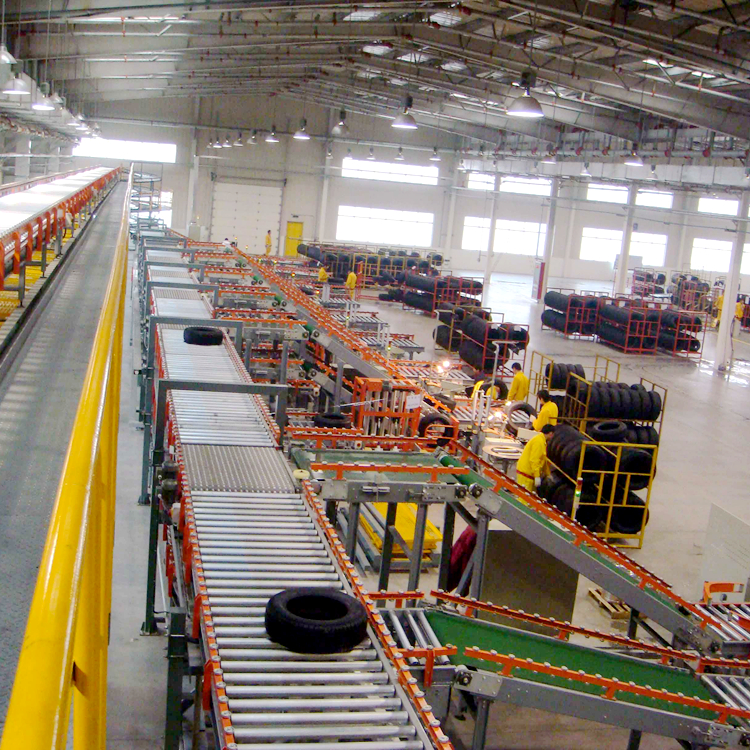
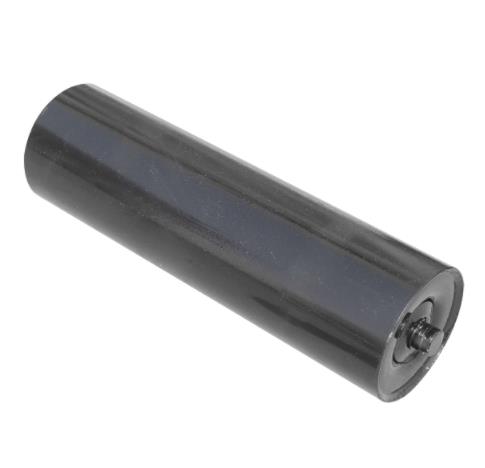
A transfer roller is a cylindrical component on conveying equipment — divided into drive rollers and driven rollers.
Quick Answer
A transfer roller is a cylindrical component on conveying equipment — divided into drive rollers and driven rollers. The rest of the page explains the construction, duty range, and selection criteria. Exact capacities, dimensions and standards are confirmed per project in the technical agreement, not from catalogue text.
A transfer roller is a cylindrical component on conveying equipment — divided into drive rollers and driven rollers. Typically made from seamless steel pipe, rollers may also use steel castings, solid forged alloy steel cores, 2205 duplex stainless steel, aluminum alloy 6061T5, or 304L/316L stainless steel depending on application requirements. As a professional bulk material handling solution provider, ZOOMRY manufactures a complete range of conveyor rollers and pulleys for mining, cement, and industrial applications. The primary function of a conveyor roller is to drive the assembly line conveyor belt or change its running direction.
The Role of Lagging Rollers
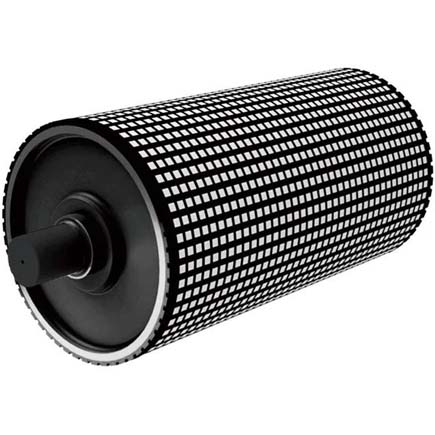
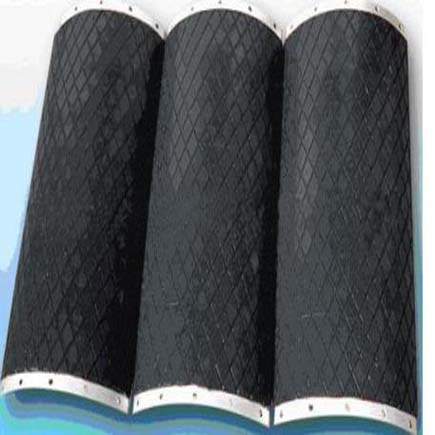
The lagging roller is an important protective component on the transfer roller. Rubber or ceramic lagging reduces belt deviation and wear, and prevents material from sticking to the roller surface. A properly lagged drum improves the working state of the transport system, protects the metal drum surface from sliding friction wear, prevents drive pulley belt slippage, and maintains stable synchronous operation between belt and drum — enabling large-capacity, high-efficiency conveying.
Common Transfer Roller Problems
The most common problems involve metal material damage from long-term vibration and compound pressure during operation, or roller bearing wear. These issues develop gradually under continuous heavy-load conditions and, if left unaddressed, lead to belt misalignment, increased energy consumption, and premature belt failure.
Solutions: Traditional vs Modern Repair Methods
| Repair Method | Description | Limitations |
|---|---|---|
| Electroplating | Applies a metal coating to the roller surface to restore dimensions. | High temperature during process can cause unpredictable damage to the metal substrate. May lead to fracture and bending during long-term use. |
| Thermal Spraying | Sprays molten material onto the roller surface to build up worn areas. | Coating easily peels off under operational stress. Provides only a temporary solution. |
| Surfacing/Welding | Builds up worn areas by welding additional material onto the roller. | Cannot fundamentally solve the problem. Heat-affected zone may weaken the roller structure. |
| Polymer Composite Repair | Uses advanced polymer composite materials to fill, bond, and protect damaged areas at ambient temperature. | — (None — this is the preferred modern method) |
Why Polymer Composite Repair is the Preferred Solution
Foreign companies and advanced operations increasingly use polymer composite materials for transfer roller repair and maintenance. This method eliminates the adverse effects of traditional repair techniques:
- No high-temperature damage: Applied at ambient temperature — no heat-affected zone to weaken the metal substrate.
- Vibration absorption: Polymer composites absorb equipment vibration, preventing further fatigue damage to the roller structure.
- Excellent adhesion: Bonds permanently to metal surfaces without risk of peeling or delamination under operational stress.
- Corrosion protection: Forms a protective barrier against moisture, chemicals, and abrasive materials.
For severely damaged rollers, replacement with new ZOOMRY conveyor rollers is recommended — featuring precision bearings, IP66 sealing, and 50,000+ hour service life. For pulleys, replaceable pulley lagging enables on-site refurbishment without removing the pulley from the conveyor.
Related Equipment
Explore This Topic: Conveyor Rollers, Idlers & Pulleys
Component-level guides for selecting, classifying and replacing conveyor rollers, idlers, pulleys and belt-cleaning parts.
- Mining Conveyor Rollers Guide — Heavy-Duty Idlers — Topic hub
- PSV 1.20F14.114N Return and Carry Roller: Specification and Replacement Guide — Guide
- CEMA B Rubber Disc Return Idlers: Light-Duty Self-Cleaning Return Rollers, 4″ & 5″ — Product
- CEMA B Self-Aligning Return Idlers: Light-Duty Return Side Tracking, 4″ & 5″ — Product
- CEMA D Unequal Impact Troughing Idlers – Heavy-Duty Loading Zone Protection | 20° & 35° — Product
- CEMA C Unequal Impact Troughing Idlers: Medium-Duty L1/L2 Loading Zone Protection — Product
Let's build it together
Need a custom bulk handling solution?
Talk to our engineers about conveyors, stackers, ship loaders and turnkey EPC systems.