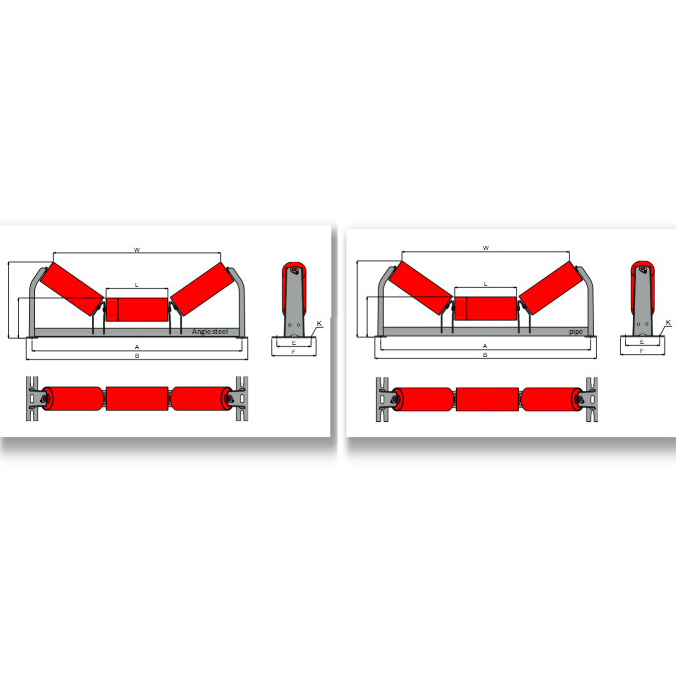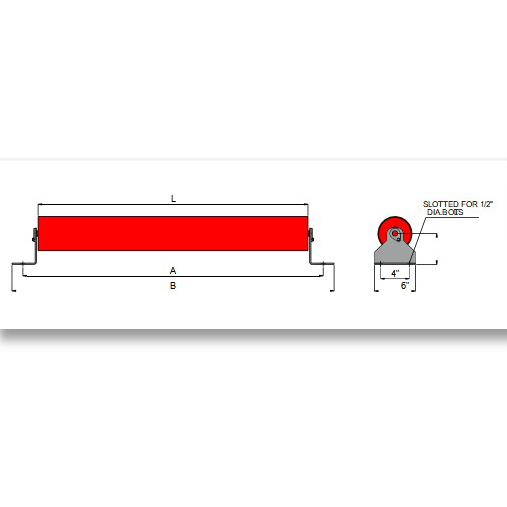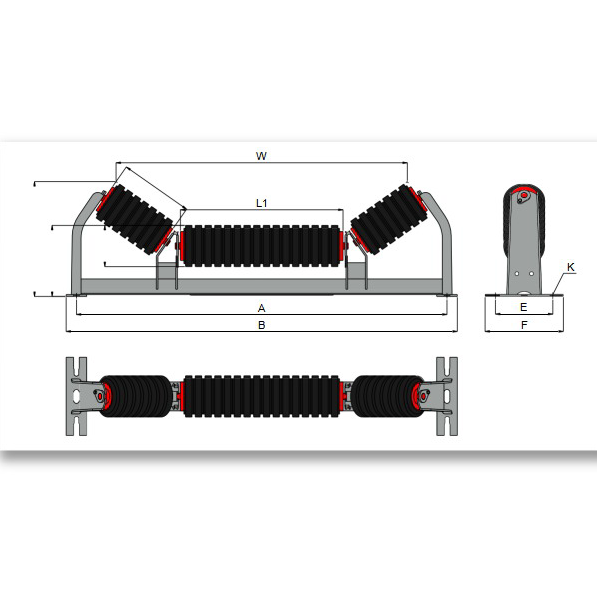

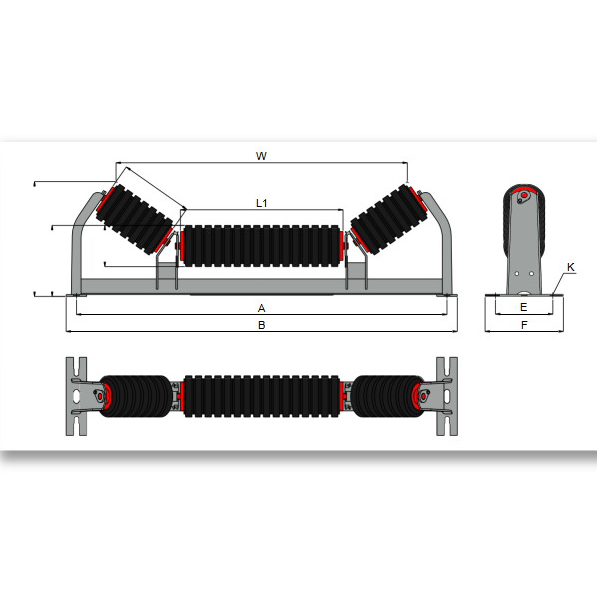
CEMA D unequal impact troughing idlers combine offset roller design with rubber cushion rings for heavy-duty loading zone protection.
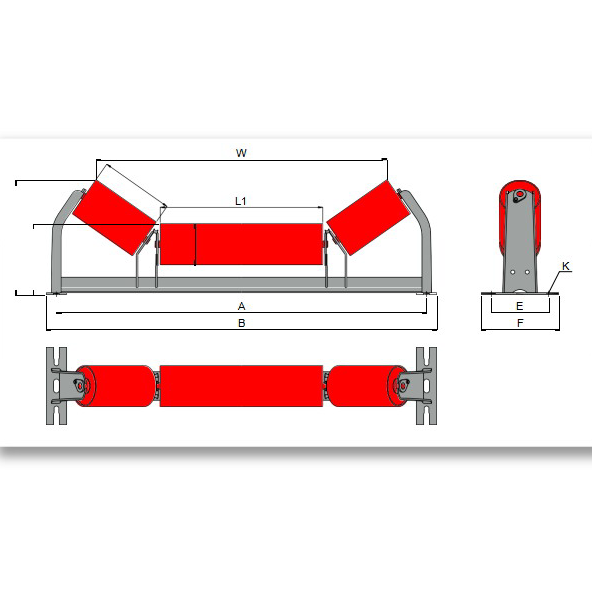
ZOOMRY CEMA D unequal impact troughing idlers are heavy-duty loading zone components with offset roller design and reinforced impact absorption. Built to CEMA D standards for mining crusher discharge and transfer points, these impact idlers combine L1 longer center and L2 shorter wing rollers with rubber cushion rings — absorbing up to 80% of falling material energy at loading zones.
Compared to CEMA E unequal impact idlers for extra heavy-duty 96-inch belts, the CEMA D version covers the heavy-duty 24–72 inch range — the most common belt width class for aggregate crushing circuits, coal transfer points, and cement plant conveyor loading zones.
Loading zones are the most vulnerable points on any heavy-duty conveyor. Falling material — whether run-of-mine ore from a crusher or aggregate from a truck dump hopper — strikes the conveyor belt with concentrated force. Standard troughing idlers cannot absorb this impact, leading to belt cover damage, carcass fatigue, and premature bearing failure.
CEMA D unequal impact troughing idlers address this with rubber cushion rings on all three rollers. These rings dissipate up to 80% of falling material energy, distributing impact forces across the idler frame rather than concentrating them on belt contact points. The unequal roller design further enhances protection — the longer center roller (L1) provides extended support surface directly under the material drop zone, reducing belt puncture incidents by over 60% compared to standard troughing idlers at transfer points.
CEMA D Heavy-Duty Impact Rating — Engineered specifically for loading zones with 5" and 6" diameter impact rollers, rubber cushion rings, and reinforced frames for belt widths up to 72 inches.
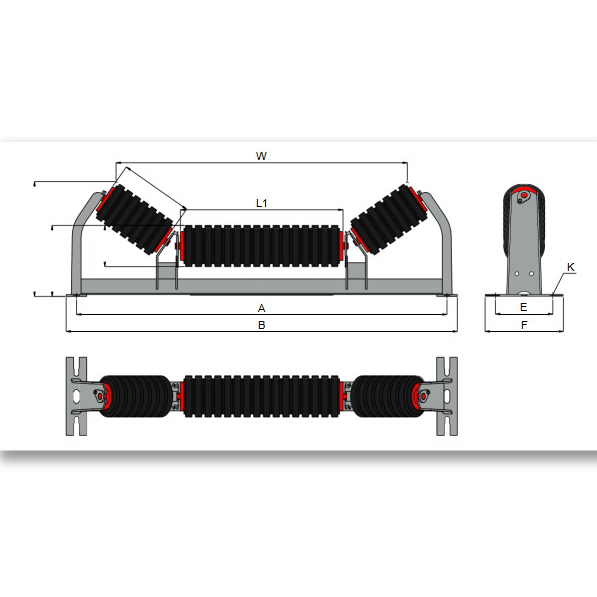
Unequal Offset Design — Longer center roller (L1) + shorter wing rollers (L2) provide enhanced support directly under the impact zone where material drops, improving belt tracking on the carrying side.
Rubber Cushion Rings — Impact-absorbing rubber rings on all three rollers dissipate up to 80% of impact energy, reducing belt stress in aggregate quarry and mining crusher discharge applications.
Advanced Labyrinth Sealing — Multi-stage seals protect bearings from fine dust generated at transfer points, maintaining rotational resistance ≤2N.
Dual Trough Angles — Available in 20° and 35° angles to match material characteristics and loading zone conveyor design.
Primary Crusher Discharge — Run-of-mine ore dropping onto takeaway conveyors in mining operations. CEMA D impact idlers with unequal roller design provide maximum belt protection at the most critical loading point.
Aggregate Transfer Points — Conveyor-to-conveyor transfer chutes in aggregate quarry crushing circuits where material free-falls onto receiving belts.
Cement Plant Loading — Limestone and clinker transfer points in cement plants where abrasive materials require impact-rated idlers for continuous 24/7 operation.
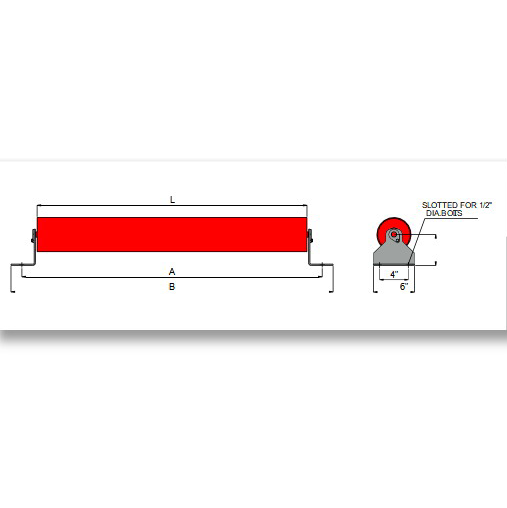
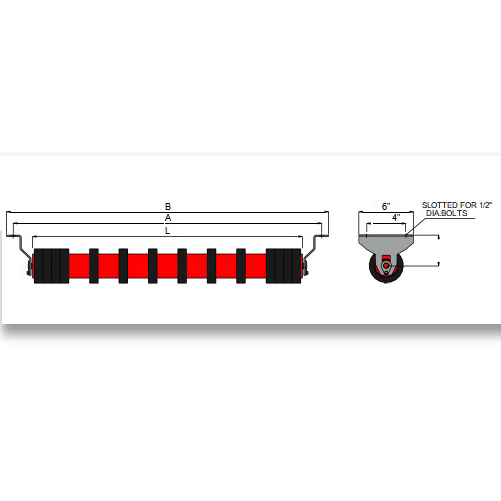
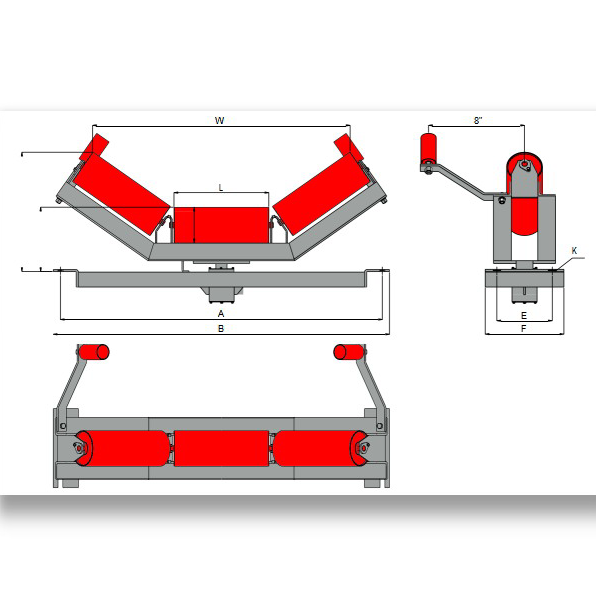
ZOOMRY CEMA D unequal impact troughing idlers are manufactured to CEMA D industry-standard dimensions with L1 (long center roller) and L2 (short wing rollers) offset configuration. Available in 5-inch and 6-inch roller diameters for belt widths from 24 to 72 inches:
| 5" Roller | 6" Roller | ||||||||||||||
|---|---|---|---|---|---|---|---|---|---|---|---|---|---|---|---|
| Angle | BW | A | B | L1 | L2 | H1 | H2 | W | H1 | H2 | W | E | F | K | |
| 20° | 24 | 33 | 35 | 15 7/16 | 5 7/16 | 7 | 9 1/16 | 26 15/16 | 7 1/2 | 9 7/16 | 26 9/16 | 6 | 8 | 1/2 | |
| 30 | 39 | 41 | 21 3/8 | 5 7/16 | 7 | 9 1/16 | 32 7/8 | 7 1/2 | 9 7/16 | 32 1/2 | 6 | 8 | 1/2 | ||
| 36 | 45 | 47 | 27 3/8 | 5 7/16 | 7 | 9 1/16 | 38 7/8 | 7 1/2 | 9 7/16 | 38 1/2 | 6 | 8 | 1/2 | ||
| 42 | 51 | 53 | 33 3/8 | 5 7/16 | 7 1/2 | 9 9/16 | 44 7/8 | 8 | 9 15/16 | 44 1/2 | 7 1/2 | 9 1/2 | 5/8 | ||
| 48 | 57 | 59 | 39 3/8 | 5 7/16 | 7 1/2 | 9 9/16 | 50 7/8 | 8 | 9 15/16 | 50 1/2 | 7 1/2 | 9 1/2 | 5/8 | ||
| 54 | 63 | 65 | 45 3/8 | 5 7/16 | 9 | 11 | 56 7/8 | 9 1/2 | 11 7/16 | 56 9/16 | 9 | 11 | 5/8 | ||
| 60 | 69 | 71 1/2 | 51 3/8 | 5 7/16 | 9 | 11 | 62 7/8 | 9 1/2 | 11 7/16 | 62 9/16 | 9 | 11 | 5/8 | ||
| 72 | 81 | 83 1/2 | 63 3/8 | 5 7/16 | 9 1/2 | 11 3/8 | 74 7/8 | 10 | 11 13/16 | 74 9/16 | 9 | 11 | 5/8 | ||
| 35° | 24 | 33 | 35 | 13 1/4 | 6 3/4 | 7 | 11 | 25 7/16 | 7 1/2 | 11 3/8 | 24 7/8 | 6 | 8 | 1/2 | |
| 30 | 39 | 41 | 15 7/16 | 8 15/16 | 7 | 12 1/4 | 31 1/4 | 7 1/2 | 12 5/8 | 30 11/16 | 6 | 8 | 1/2 | ||
| 36 | 45 | 47 | 21 3/8 | 8 15/16 | 7 | 12 1/4 | 37 1/8 | 7 1/2 | 12 5/8 | 36 9/16 | 6 | 8 | 1/2 | ||
| 42 | 51 | 53 | 21 3/8 | 11 1/8 | 7 1/2 | 14 | 40 3/16 | 8 | 14 3/8 | 40 3/4 | 7 1/2 | 9 1/2 | 5/8 | ||
| 48 | 57 | 59 | 27 3/8 | 11 1/8 | 7 1/2 | 14 | 46 3/4 | 8 | 14 3/8 | 46 | 7 1/2 | 9 1/2 | 5/8 | ||
| 54 | 63 | 65 | 33 3/8 | 11 1/8 | 9 | 15 9/16 | 52 5/8 | 9 1/2 | 15 7/8 | 52 1/16 | 9 | 11 | 5/8 | ||
| 60 | 69 | 71 1/2 | 39 3/8 | 11 1/8 | 9 | 15 9/16 | 58 5/8 | 9 1/2 | 15 7/8 | 58 1/16 | 9 | 11 | 5/8 | ||
| 72 | 81 | 83 1/2 | 51 3/8 | 11 1/8 | 9 1/2 | 15 7/8 | 70 5/8 | 10 | 16 5/16 | 70 1/16 | 9 | 11 | 5/8 | ||
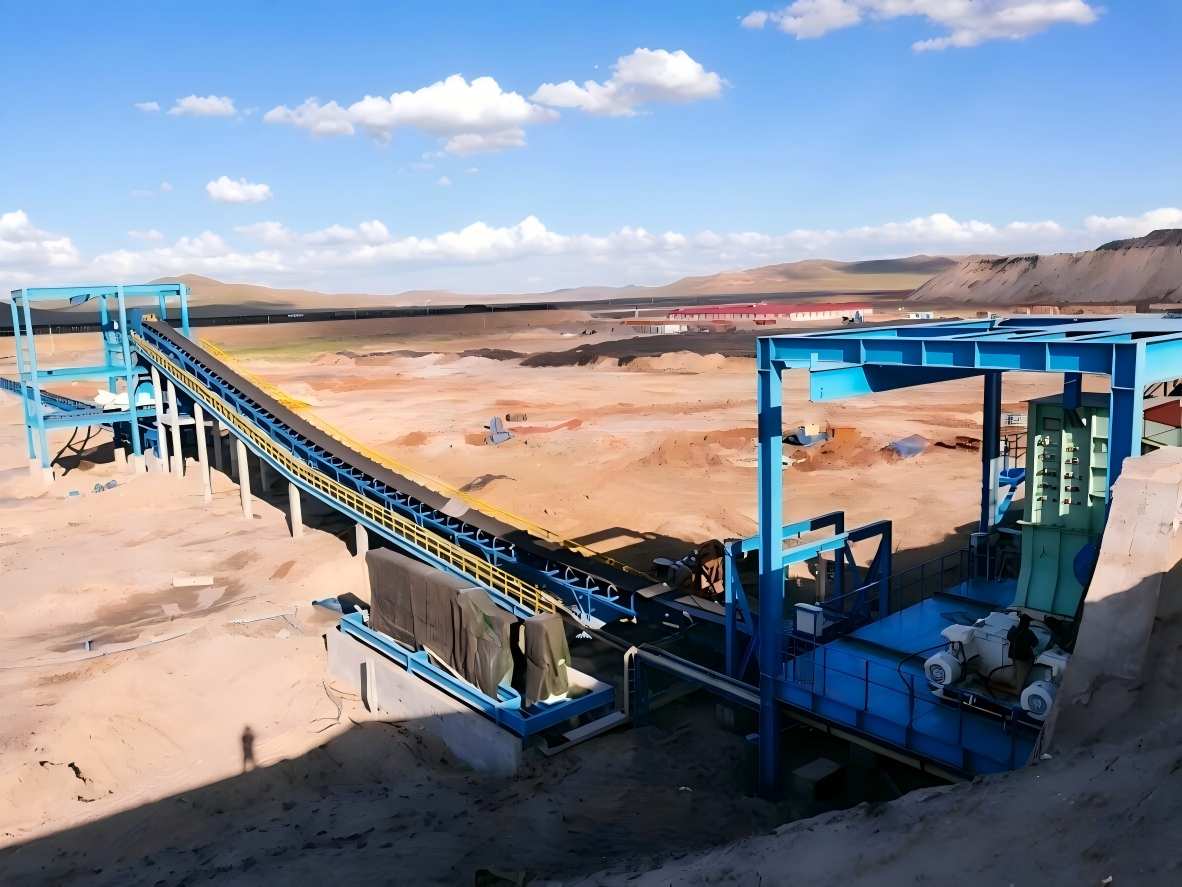

Tell us your material type, drop height, and belt width — our engineers will recommend the optimal impact idler configuration for your loading zone.
Impact Idler Selection Guide →Key Features CEMA D Heavy-Duty Impact Rating — Engineered specifically for loading zones with 5" and 6" diameter impact rollers, rubber cushion rings, and reinforced frames for belt widths up to 72 inches.
Dual Trough Angles — Available in 20° and 35° angles to match material characteristics and loading zone conveyor design.
This model, CEMA D Unequal Impact Troughing Idlers, sits in the CEMA D class — the heavy duty tier of the CEMA idler range. That class is intended for higher idler loads, wider belts and abrasive materials, and it is most often specified for mining, high-capacity stockyards and heavy ore handling.
Within that class, this Unequal Impact Troughing variant uses offset impact rollers for a non-centred loading zone, which makes it suited to transfer points where the material stream lands off the belt centre. Compared with other forms in the same CEMA D family, the difference is in how the rollers support and steer the belt rather than in the duty rating itself.
Selecting between CEMA classes and forms starts from the calculated idler load, belt width, speed and material density. Verify the assembly against CEMA and the project technical agreement before fabrication. For abrasive material, plan wear-part replacement together with the maintenance schedule.
Full CEMA Idler Catalog for all CEMA B, C, D and E idler variants.
Compare adjacent models, sizes and duty classes in this category before requesting a quotation.
Browse all Conveyor Idler models or the complete product range.