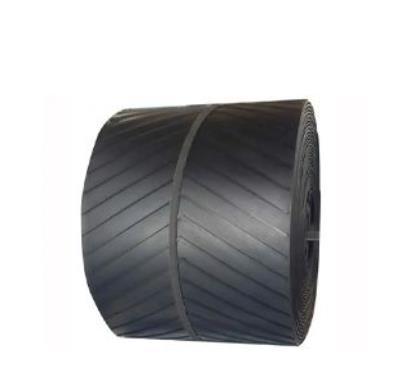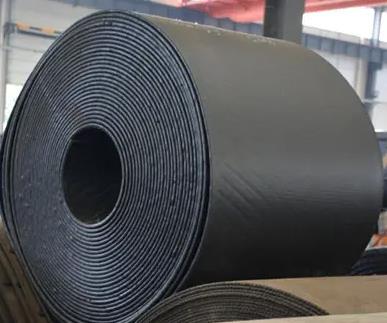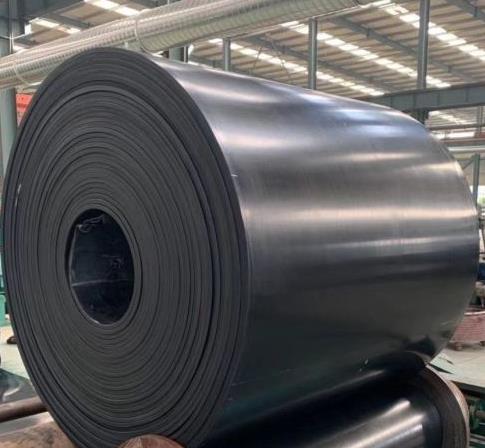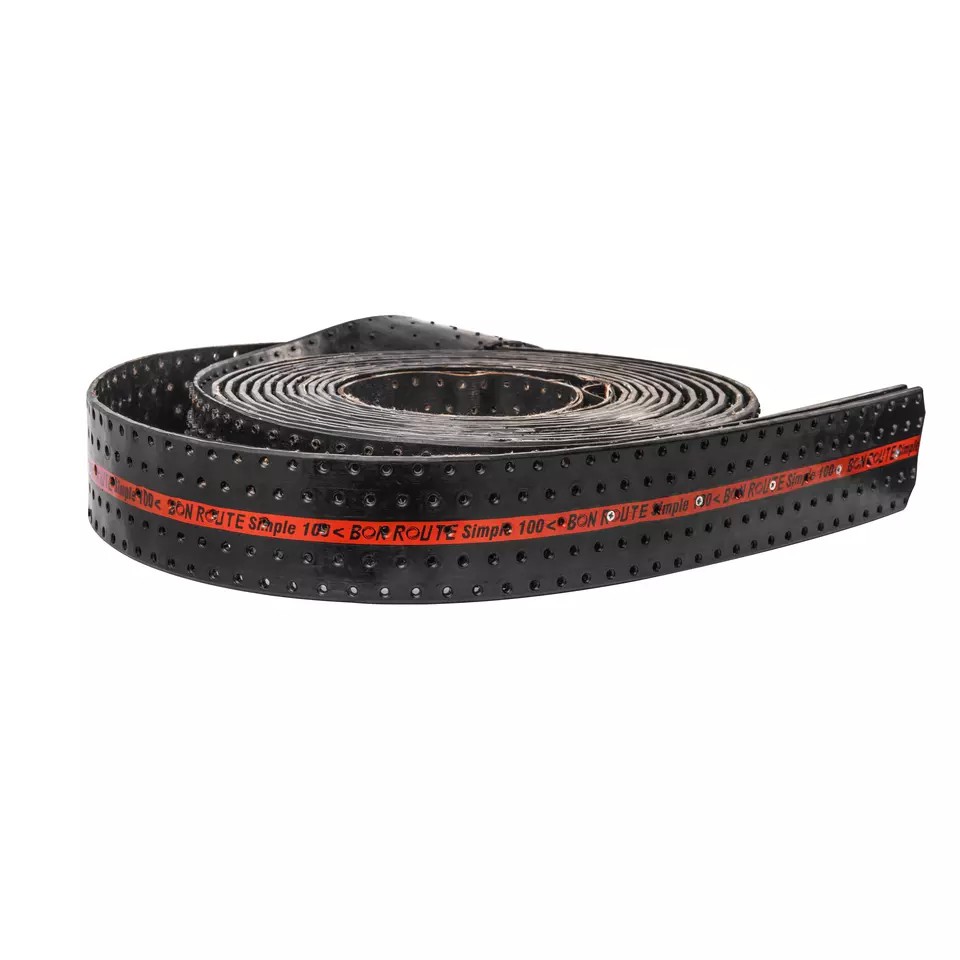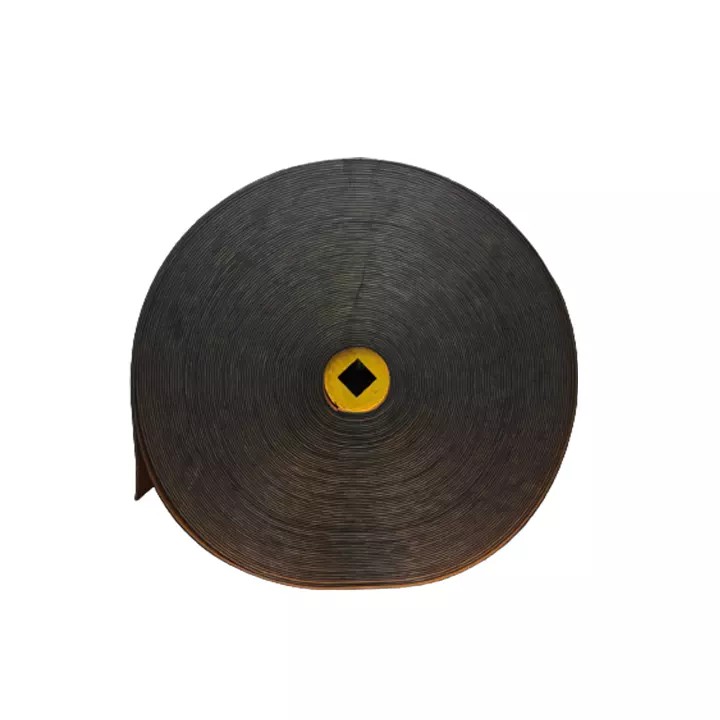

Heat resistant conveyor belts transport high-temperature materials such as cement clinker, coke, sinter, and hot casting at continuous temperatures up to 200C.
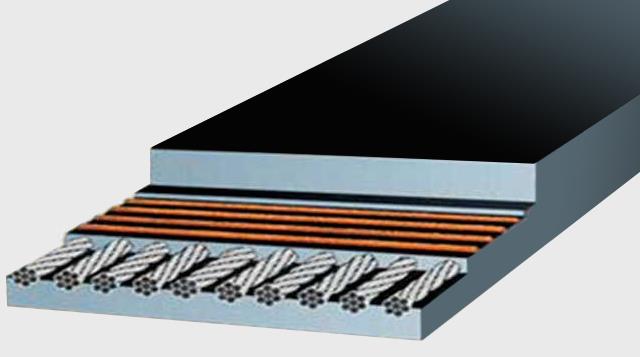
ZOOMRY heat resistant conveyor belts are specifically designed for transporting high-temperature materials such as cement clinker, sintered ore, hot coke, foundry castings, and phosphate fertilizer. Constructed with multi-ply rubber, polyester cotton canvas carcass, and specially formulated heat-resistant rubber compounds, these belts maintain structural integrity and flex resistance at continuous material temperatures up to 200°C — with intermittent peaks up to 220°C. Unlike standard conveyor belts that harden, crack, and carbonize under prolonged thermal exposure, ZOOMRY heat resistant belts resist thermal degradation and cover cracking throughout their service life. Available in HR (T1), SHR (T2), and UHR (T3) grades, these belts are the preferred choice for cement plants, steel mills, foundries, and sinter handling operations worldwide.
Standard conveyor belts exposed to continuous high temperatures undergo a cascade of failure mechanisms: the rubber cover hardens and loses flexibility, surface cracking develops along trough lines, the carcass layers separate due to thermal breakdown of bonding compounds, and ultimately the belt fails prematurely — often within months of installation. A heat resistant conveyor belt breaks this cycle through its specially formulated cover compounds and carcass construction.
The key is in the rubber compound formulation. ZOOMRY's heat resistant belts use EPDM (ethylene propylene diene monomer) and SBR (styrene-butadiene) based compounds that resist thermal oxidation, maintain elasticity at elevated temperatures, and prevent the progressive hardening that leads to cracking. Combined with a multi-ply polyester cotton canvas carcass that provides dimensional stability under thermal cycling, the result is a belt that delivers reliable performance in applications where standard belts fail rapidly.
| Grade | Max. Temp. on Belt Surface (°C) | Max. Temp. of Material Handled (°C) | Typical Applications |
|---|---|---|---|
| HR (T1) | 125 | 180 | Paper, foundries, hot pellets, hot chemicals & fertilizer plants |
| SHR (T2) | 150 | 200 | Sintered ore, hot cement, hot powder, coke, hot chemicals & fertilizers |
| UHR (T3) | 180 | 220 | Red hot materials: cement, clinker, sintered ore, phosphate |
Selecting the correct heat resistant belt grade depends on the material temperature at the loading point — not the ambient temperature or the average temperature along the conveyor. Here's a quick guide:
When specifying a heat resistant belt, always provide the maximum material temperature at the loading point, the belt speed (which determines cooling time between loading and discharge), and the material particle size (which affects both heat transfer and abrasion). ZOOMRY's engineering team can recommend the optimal grade and cover thickness based on these parameters.
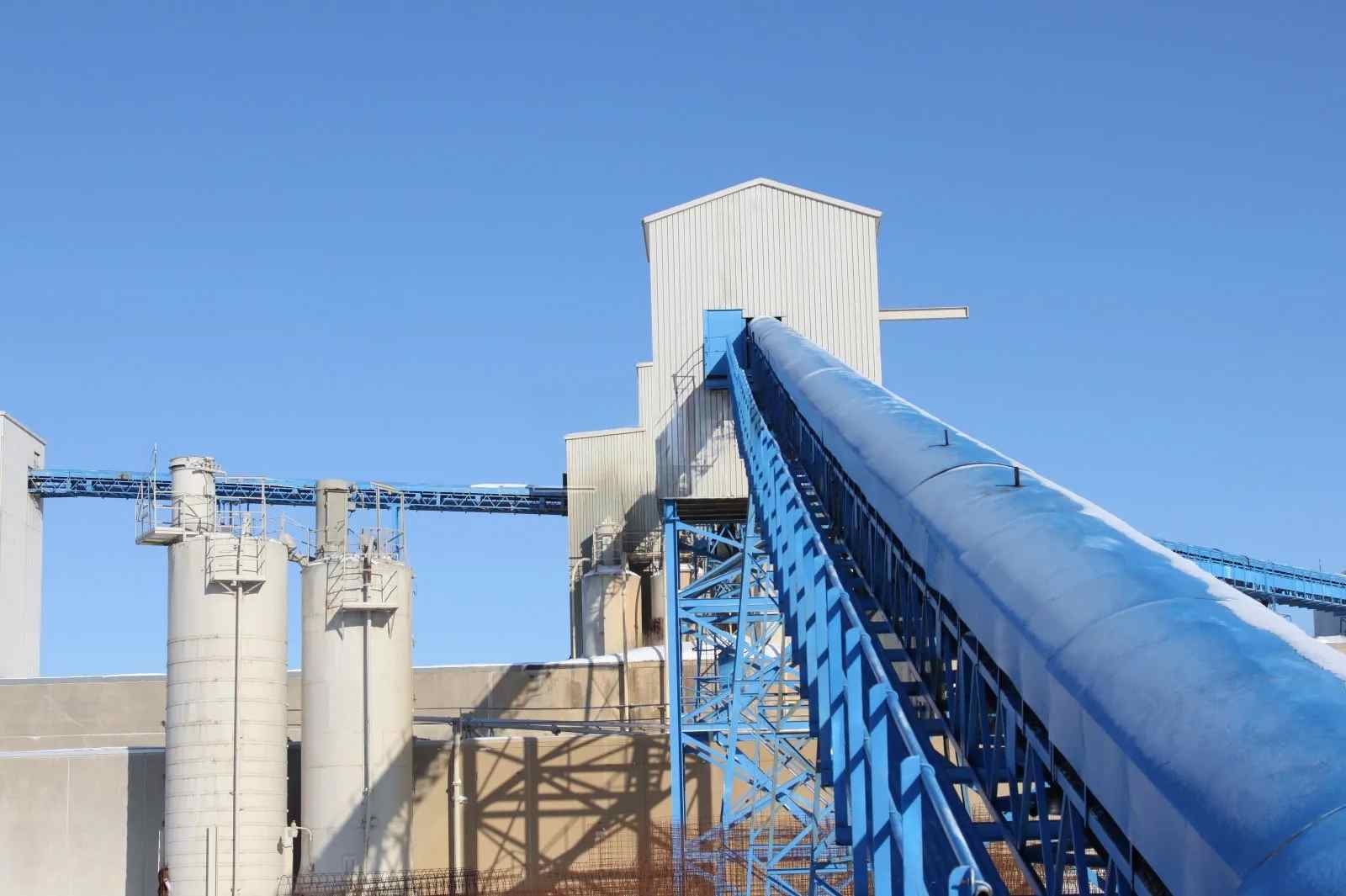
Compare adjacent models, sizes and duty classes in this category before requesting a quotation.
Browse all Conveyor Belt models or the complete product range.
Contact ZOOMRY for heat resistant belts in HR, SHR, and UHR grades — engineered to match your specific material temperature, belt speed, and cover thickness requirements.
Contact Us TodayUHR (T3) is rated for 180 °C on the belt surface and 220 °C material temperature, covering red-hot cement clinker, sintered ore and phosphate. SHR (T2) covers 150 °C surface and 200 °C material, HR (T1) covers 125 °C surface and 180 °C material.
Two figures are quoted for each grade: the maximum temperature on the belt surface and the maximum temperature of the material being handled. The material figure is higher because the belt surface cools as the load settles.
Sustained operation above the grade limit, hot lumps sitting stationary on a stopped belt, and insufficient transition distance from the kiln or cooler. Grade selection has to follow the hottest sustained condition, not the average.