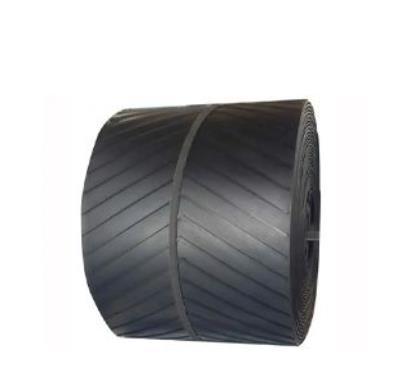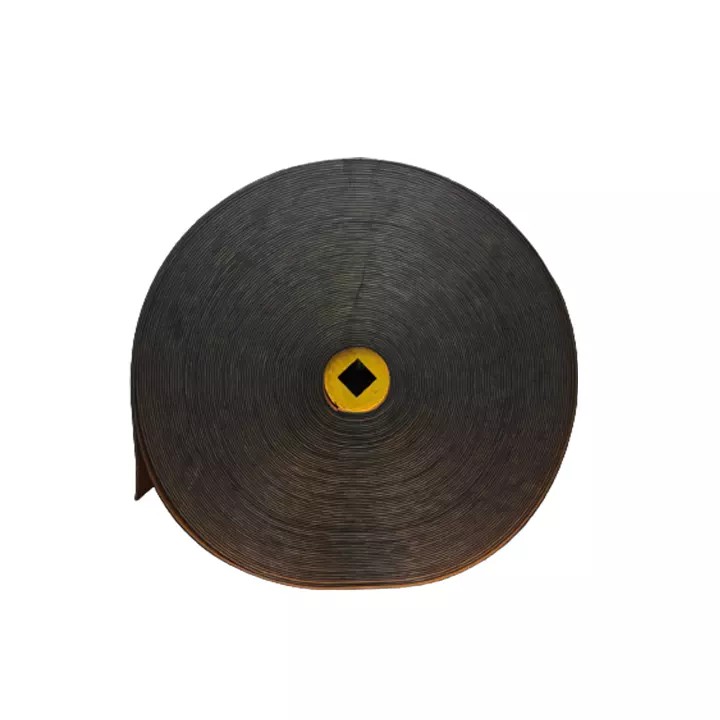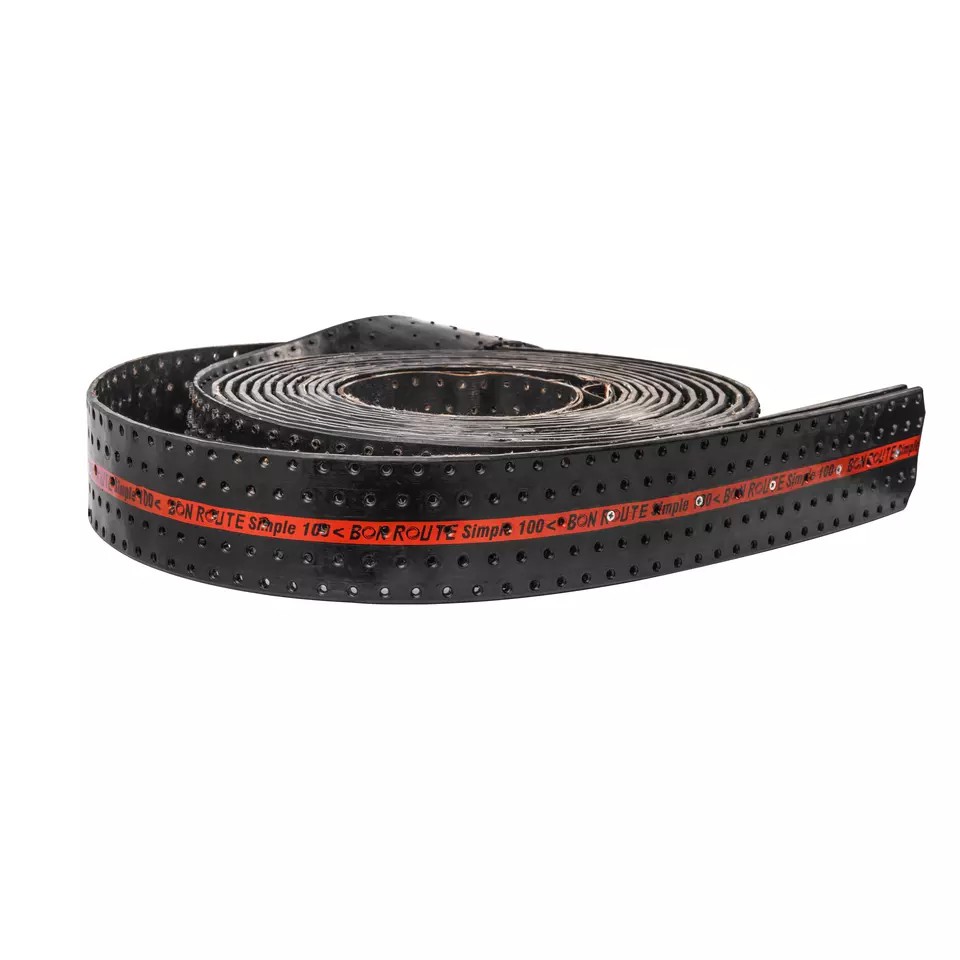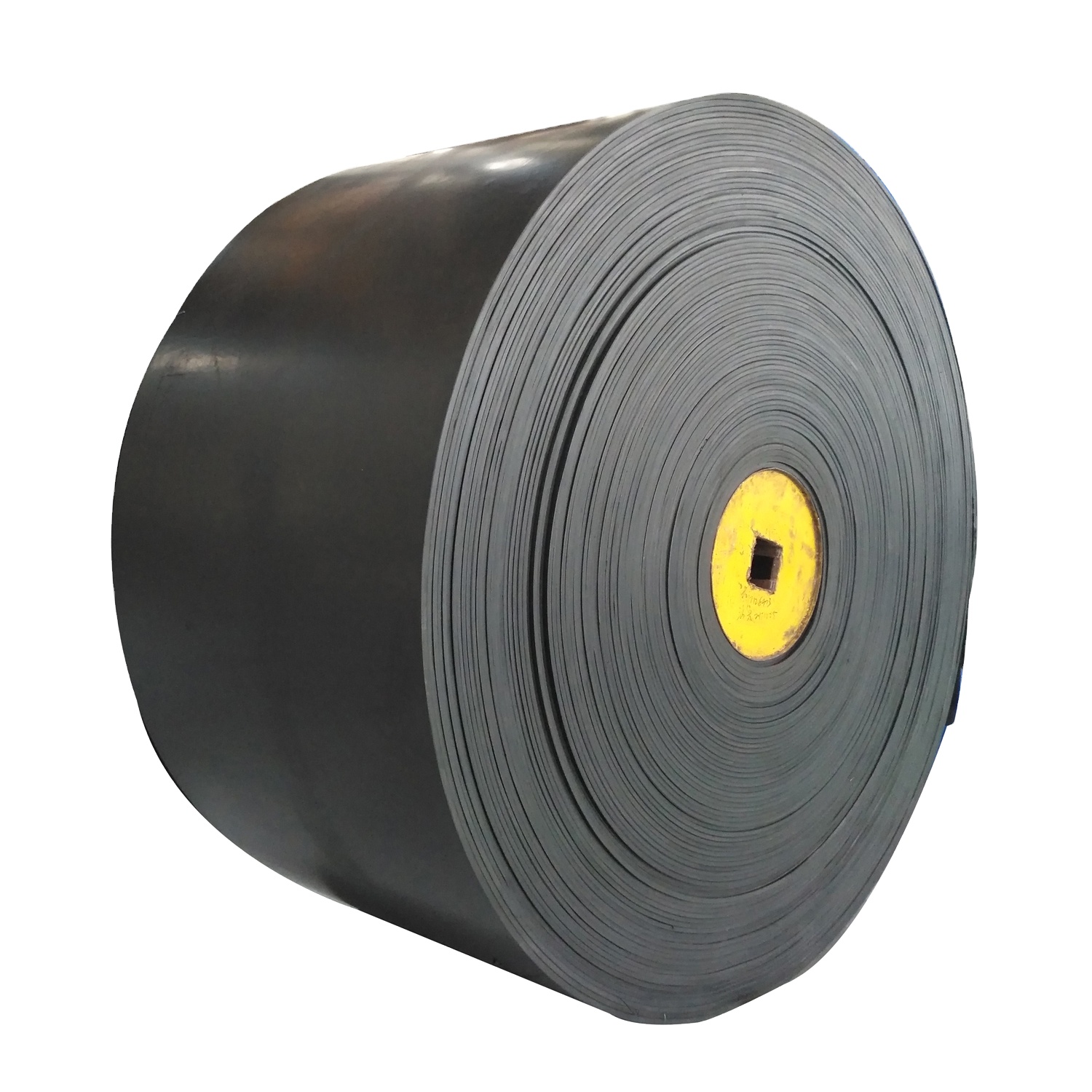

An economical alternative to steel cord belts for moderate distances and loads. Available in cover grades from 8MPA to 26MPA with DIN, RMA, and AS standard options.
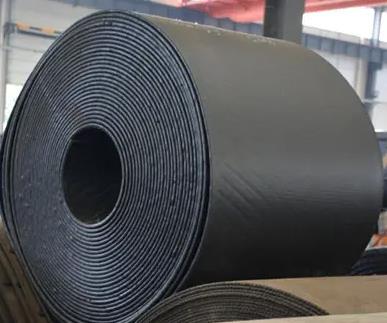
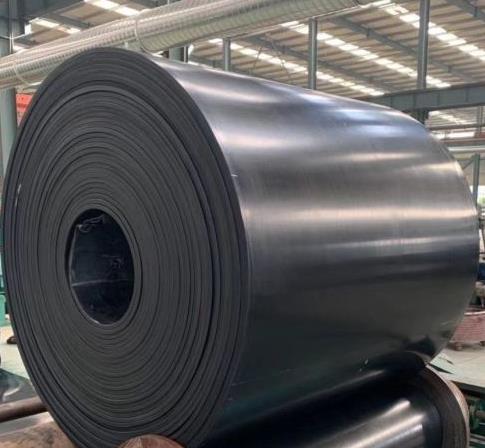
ZOOMRY fabric conveyor belts, also known as textile conveyor belts, are multi-ply bulk material handling belts constructed from EP (polyester-nylon) and nylon fabric carcasses. Available in options from 3 ply to 6 ply, these versatile belts deliver excellent troughability, impact resistance, and flexibility for a wide range of standard-duty applications. Compared to steel cord conveyor belts, fabric belts offer a more economical solution for moderate distances and loads — making them the most widely used belt type in mining, cement, and quarry operations worldwide.
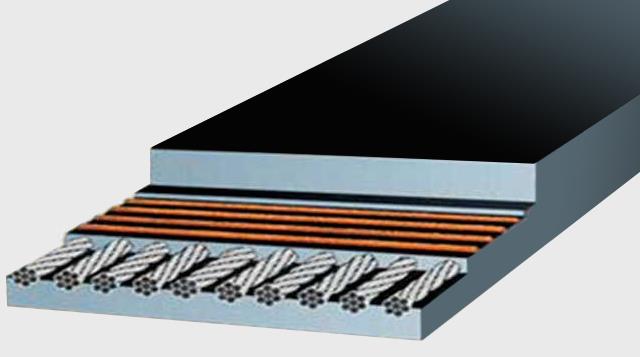
The fundamental difference lies in the carcass construction. Fabric belts use layers of woven polyester and nylon fabric (plies) bonded together with rubber — creating a flexible, troughable belt that absorbs impact well. Steel cord belts use longitudinal steel cables for tensile strength and are preferred for long-distance, high-tension applications. For moderate conveyor lengths (up to several kilometers) and standard material loads, fabric belts provide a more cost-effective solution with easier splicing and maintenance.
ZOOMRY offers two primary fabric belt types: EP belts (polyester warp fibers for strength, nylon weft fibers for flexibility and troughability) and nylon belts (nylon in both directions for maximum elasticity and impact absorption). EP belts are the preferred choice for most bulk handling applications due to their lower elongation and better dimensional stability under load.
| Cover Rubber Grade | 8MPA, 10MPA, 12MPA, 15MPA, 18MPA, 20MPA, 24MPA, 26MPA Standard: DIN-X, Y, W / RMA-1, RMA-2 / N17, M24 |
| Belt Width | 500, 600, 650, 700, 800, 1000, 1200, 1400, 1500, 1800, 2000, 2200, 2500 mm 18", 20", 24", 30", 36", 40", 42", 48", 60", 72", 78", 86", 94" |
| Tensile Strength | EP315/3, EP400/3, EP500/3, EP600/3, EP400/4, EP500/4, EP600/4, EP500/5, EP1000/5, EP1250/5, EP600/6, EP1200/6 330 PIW, 440 PIW |
| Top + Bottom Thickness | 3+1.5, 4+2, 4+1.5, 4+3, 5+1.5 mm 3/16"+1/16", 1/4"+1/16" |
| Belt Thickness | 3mm, 4mm, 5mm, 6mm, 7mm, 8mm, 9mm, 10mm, 12mm, 15mm, 20mm, 25mm |
| Belt Length | 10m, 20m, 50m, 100m, 200m, 250m, 300m, 500m (Custom lengths available) |
| Belt Edge Type | Moulded (sealed) edge or cut edge |
Choosing the correct fabric conveyor belt involves matching several key parameters to your application:

Contact ZOOMRY for EP and nylon fabric conveyor belts engineered to your specific ply count, tensile strength, and cover grade requirements.
Contact Us TodayCompare adjacent models, sizes and duty classes in this category before requesting a quotation.
Browse all Conveyor Belt models or the complete product range.