
How to Choose a Grasshopper Conveyor – Selection Guide & Applications | ZOOMRY
As a professional bulk material handling solution provider, ZOOMRY offers a complete range of grasshopper conveyors for mining, construction, and aggregate quarry applications.
Quick Answer
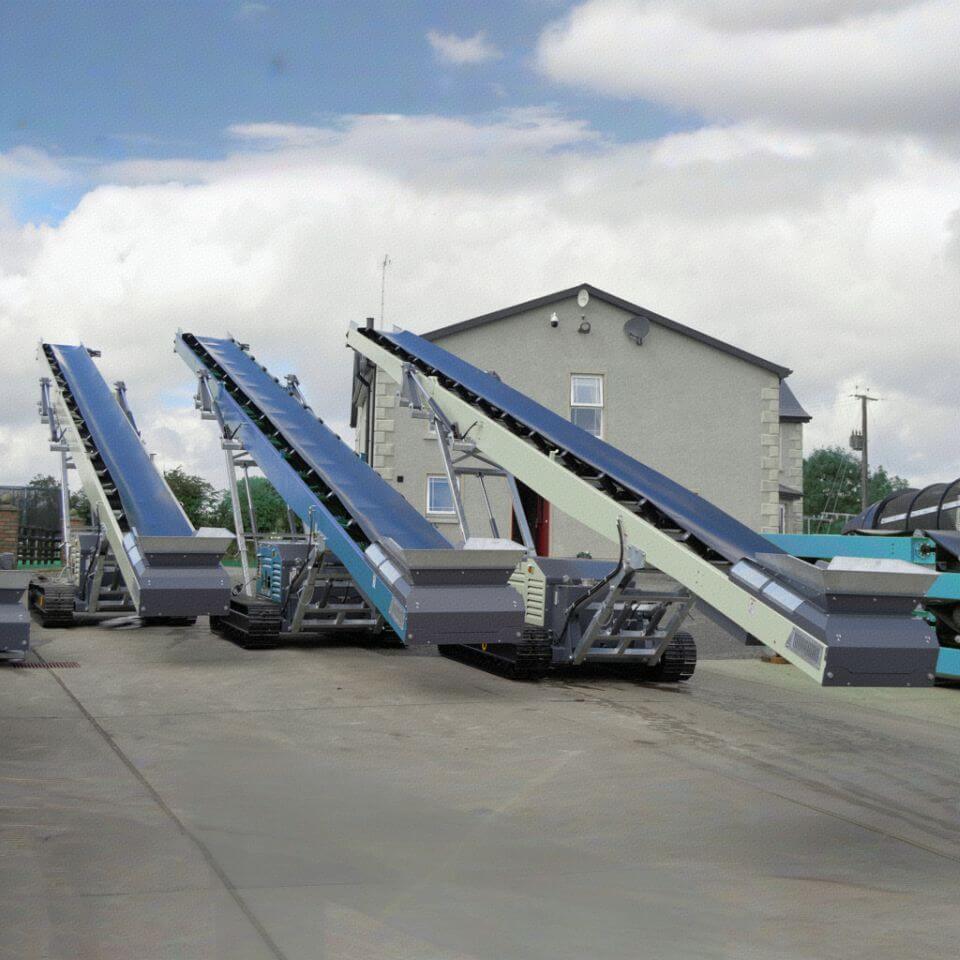
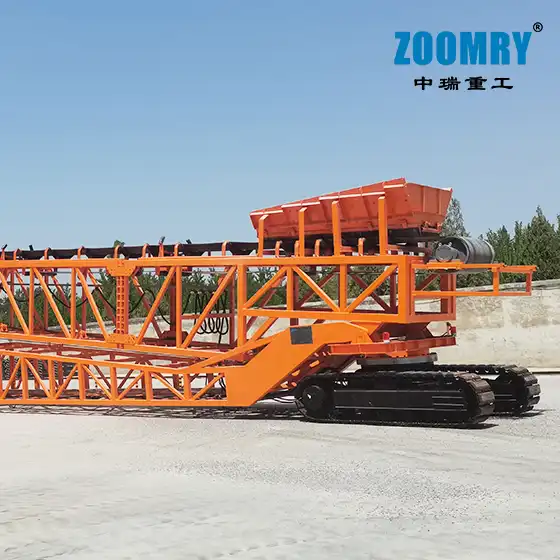
A Grasshopper Conveyor — also known as a portable link conveyor or jump conveyor — is a highly flexible, mobile conveyor system consisting of multiple short belt sections connected together to form a structure that adjusts position and length at the work site. Below is the practical sequence, from site conditions to final specification.
A Grasshopper Conveyor — also known as a portable link conveyor or jump conveyor — is a highly flexible, mobile conveyor system consisting of multiple short belt sections connected together to form a structure that adjusts position and length at the work site. As a professional bulk material handling solution provider, ZOOMRY offers a complete range of grasshopper conveyors for mining, construction, and aggregate quarry applications. Typically consisting of a conveyor belt, drive rollers, support frame, and wheeled or tracked mobile chassis, this system adapts to temporary or short-term material handling needs with quick setup and relocation.
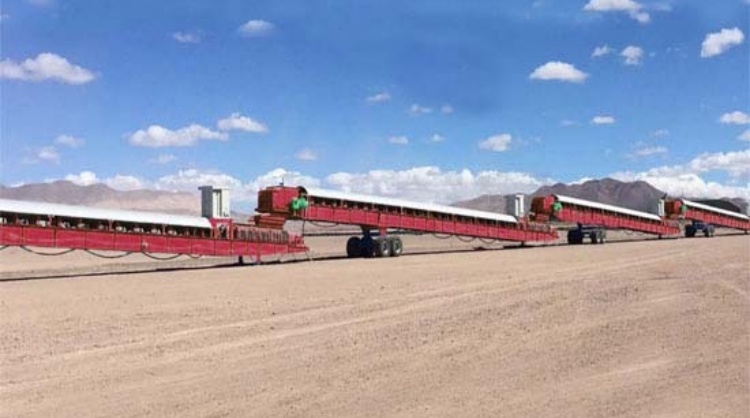
How a Grasshopper Conveyor Works
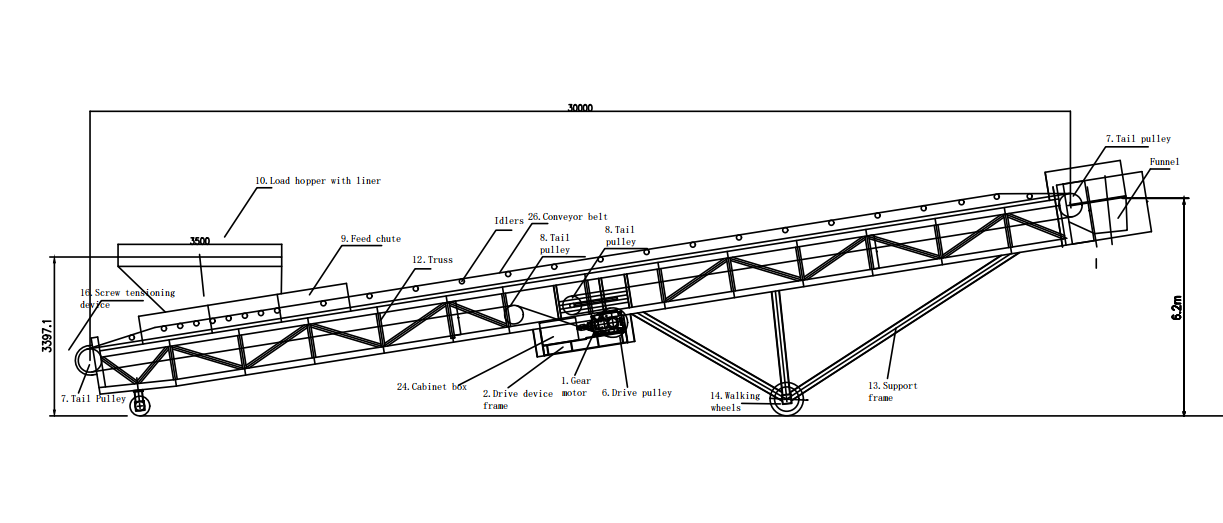
A grasshopper conveyor comprises multiple short belt sections connected by joints. An electric motor or hydraulic motor drives the conveyor belt, transporting materials from the feed end to the discharge end for horizontal or slightly inclined transport. The support frame features wheels or tracks for free movement and position adjustment. For remote sites, advanced control systems with HMI or wireless remote control enable real-time monitoring and operation — allowing a single operator to manage multiple conveyor sections.
Applications of Grasshopper Conveyors
Mining
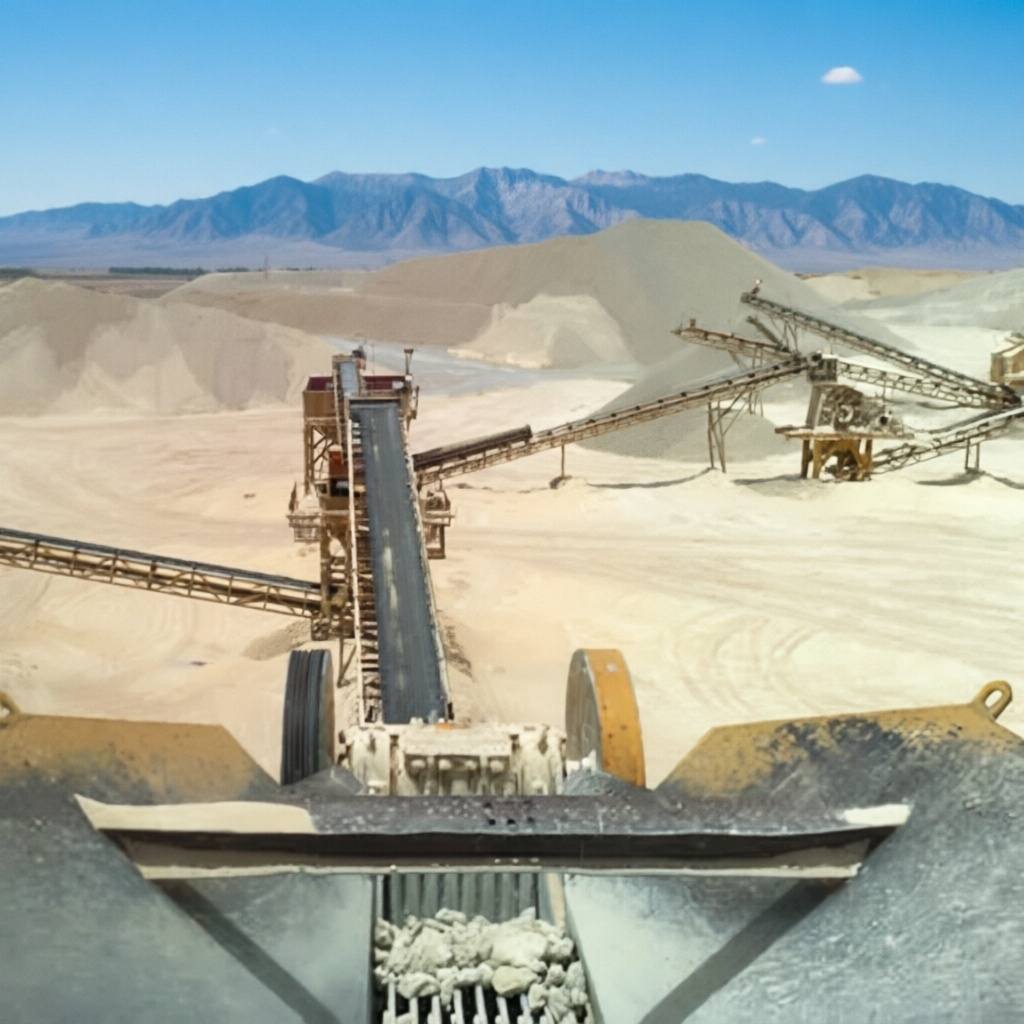
In mining, grasshopper conveyors handle ore stacking and transport with flexibility to operate in narrow mine shafts. They move ore from the extraction point to the designated stacking area — linking mobile crushers to downstream belt conveyors or mobile stackers.
Construction Sites
Construction sites have diverse material handling needs — sand, cement, aggregates, steel. A grasshopper conveyor's mobility and flexibility make it ideal for temporary stockpile linking and material transfer as site layouts change. The jump conveyor variant provides rapid deployment for short-duration projects.
Warehousing & Stockyards
In large warehousing and stockyard operations, grasshopper conveyors optimize space utilization, reduce stacking time, and improve inventory management efficiency. Their precise stacking capabilities make them excellent for aggregate stockpiling and material blending operations.
Choosing a Grasshopper Conveyor: Key Selection Factors
Material Characteristics
Select the appropriate conveyor belt material and drive device based on material properties. For high-temperature materials, choose heat-resistant conveyor belts. For corrosive or abrasive materials, select belts with appropriate cover grades — fabric belts with DIN abrasion ratings or steel cord belts for heavy-duty applications.
Work Environment
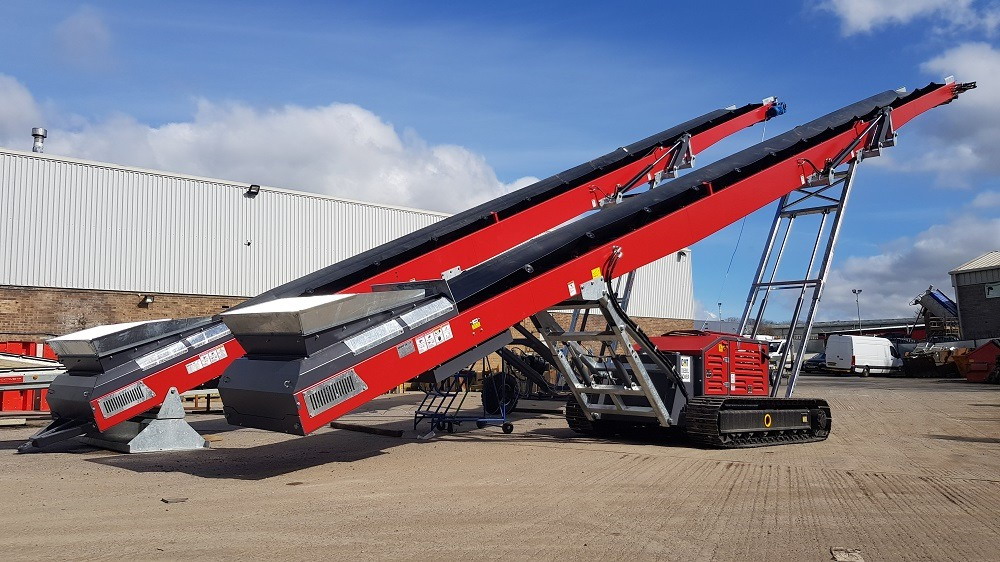
Different environments require different specifications. High humidity environments call for waterproof conveyor belts and sealed conveyor rollers. Harsh outdoor environments require wear-resistant and weather-resistant belts. For soft ground, tracked chassis provide better mobility than wheeled versions — similar to tracked conveyors.
Equipment Performance
Evaluate the conveyor's capacity, mobility, and control system sophistication. Efficient drive systems and intelligent controls significantly enhance work efficiency. For sites without engineers on location, remote monitoring via HMI or wireless control allows real-time adjustments. Choose reputable manufacturers with proven after-sales service and customization capabilities. ZOOMRY provides professional advice and tailored grasshopper conveyor solutions — contact our engineering team to discuss your specific material handling needs.
Related Equipment
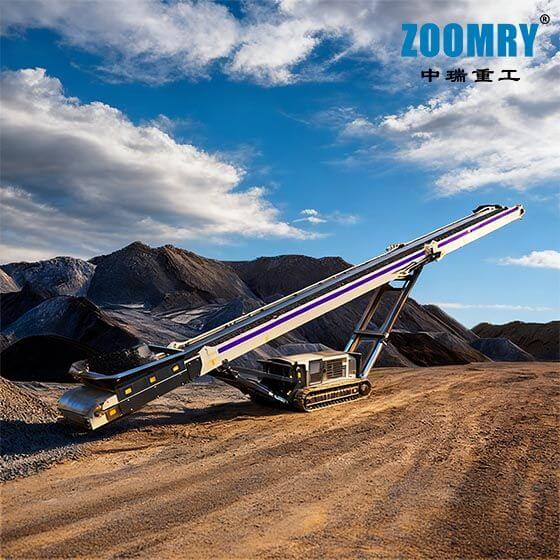
Industry Solutions
Explore This Topic: Ship Loaders & Port Loading
Port loading equipment: mobile and fixed shiploaders, telescopic bulk loaders, chutes, dust control and cost factors.
- What Is a Mobile Ship Loader? 100–3,500 t/h Configurations Explained — Guide
- Coal Mobile Ship Loader — All-Travel Mobile Shiploader for Coal Terminals | ZRSL Series — Product
- How to Choose the Right Mobile Ship Loader for Your Port? Wheel vs Tracked vs All-Travel | ZOOMR — Guide
- Choosing the right mobile ship loader for a port — Guide
- Is it reliable to use a mobile shiploader for port fertilizer loading and unloading? — Guide
Let's build it together
Need a custom bulk handling solution?
Talk to our engineers about conveyors, stackers, ship loaders and turnkey EPC systems.