
How to Use Large Dip Angle Conveyor Belts – Correct Operation Guide | ZOOMRY
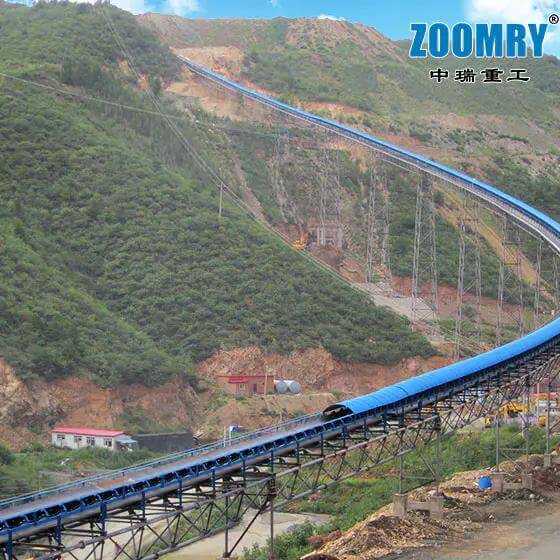
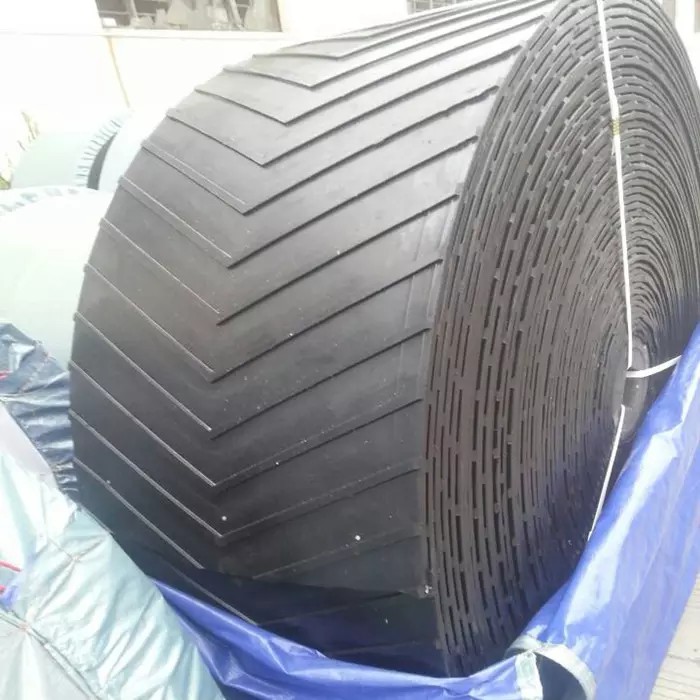
These high-angle belts — often equipped with chevron patterns or corrugated sidewalls — are designed for inclines up to 90. Use hopper feeders for controlled material introduction.
Quick Answer
Correct use of large dip angle conveyor belts ensures accident reduction, worker safety, and trouble-free operation. These high-angle belts — often equipped with chevron patterns or corrugated sidewalls — are designed for inclines up to 90°. The steps below cover the checks, parameters, and common mistakes to avoid.
Correct use of large dip angle conveyor belts ensures accident reduction, worker safety, and trouble-free operation. These high-angle belts — often equipped with chevron patterns or corrugated sidewalls — are designed for inclines up to 90°. As a professional bulk material handling solution provider, ZOOMRY supplies complete belt conveyor systems for mining, quarry, and construction applications. Follow these seven essential operating rules for safe and efficient large inclination belt operation.
7 Essential Rules for Large Dip Angle Conveyor Belt Operation
- Never mix different belt types or specifications. Combining incompatible belts on the same conveyor causes uneven tension distribution, tracking issues, and premature joint failure. Always use matched belts from the same specification batch.
- Prevent folding and hard object compression. Store and transport belts in coils — never fold them, as creases permanently damage the carcass. Keep belts away from sharp objects during handling. When not in use, store in a cool, dry environment.
- Match material feed direction and speed to the belt. The conveyed material should travel in the same direction and at a similar speed as the belt to minimize impact, spillage, and belt wear at the loading point. Use hopper feeders for controlled material introduction.
- Always start empty — never under load. Start the conveyor with no material on the belt to avoid motor overload and belt slippage. Before stopping, unload all material from the belt. This is especially critical for high-angle belts where material rollback can cause damage during startup.
- Maintain minimal effective tension. Tension should not be excessive — operate with the lowest tension that prevents drive pulley slippage and material transition issues. Over-tensioning accelerates belt stretch, bearing wear, and splice fatigue. Regularly check take-up pulley adjustment.
- Prevent belt deviation and meandering. Do not allow the belt to wander during operation — adjust immediately if misalignment occurs. Install guide rollers and check idler alignment regularly. Belt deviation on high-angle conveyors can cause material spillage and structural stress.
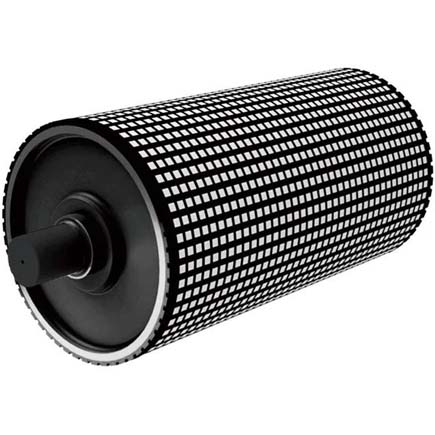
- Troubleshoot slippage immediately. If slippage or belt stoppage occurs, eliminate the fault promptly — adjust the tensioning system and keep the tensioning device flexible and responsive. For persistent slippage on high-angle sections, consider ceramic pulley lagging for enhanced drive pulley grip.
Related Equipment
Explore This Topic: Belt Conveyor Systems
Foundations of belt conveying: system components, layouts, drive methods, types, cleaning and maintenance.
- Different Types of Belt Conveyor Columns – Structure & Selection Guide — Guide
- Technical FAQs on Belt Conveyor and Related Equipment — Guide
- High Efficiency Motors for Belt Conveyors: Fully Enclosed Three-Phase Drives — Product
- Mechanical Fasteners vs Hot Vulcanization Conveyor Belt Connection — Guide
- Daily Operation & Maintenance of Conveyor Belt Systems – Complete Guide — Guide
Let's build it together
Need a custom bulk handling solution?
Talk to our engineers about conveyors, stackers, ship loaders and turnkey EPC systems.