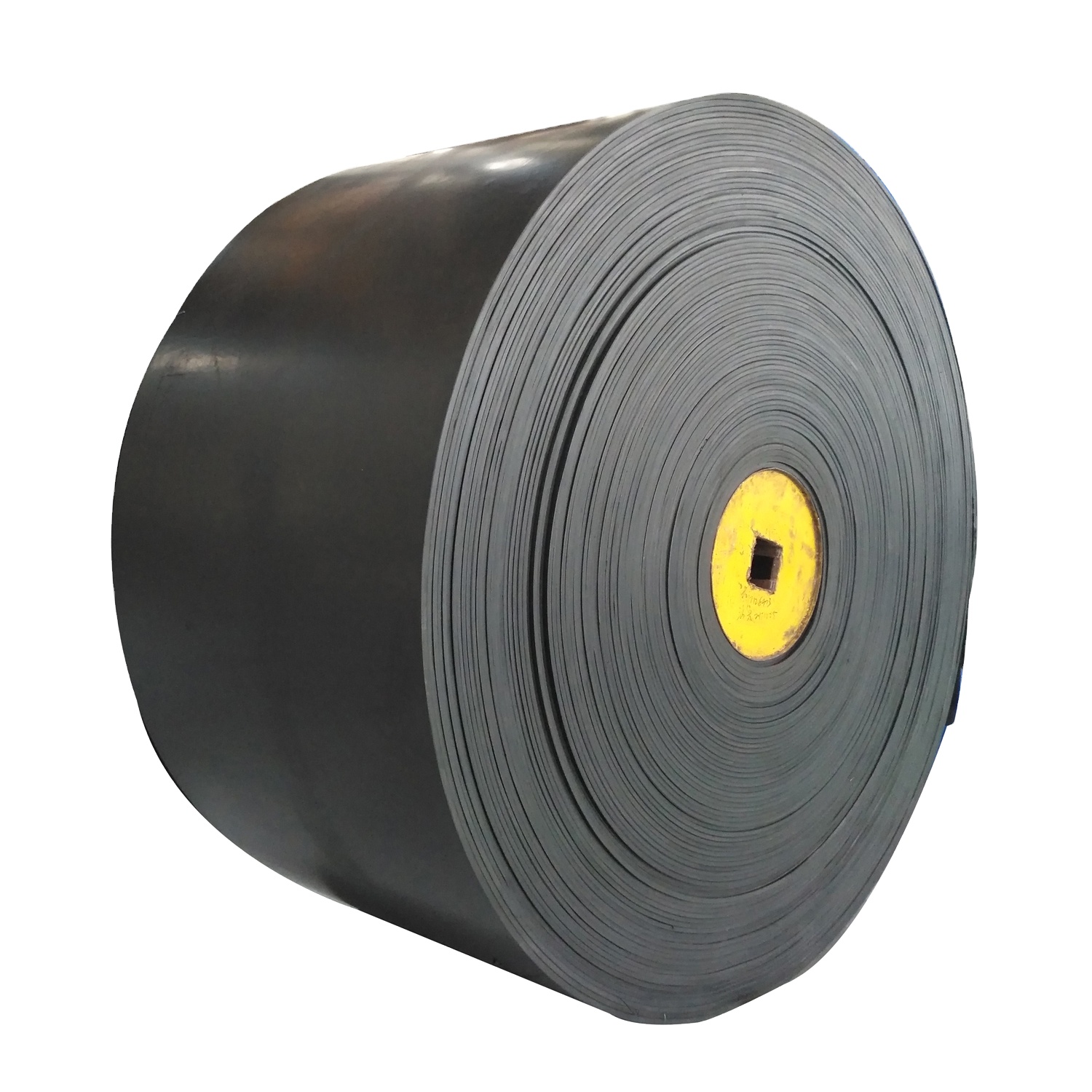
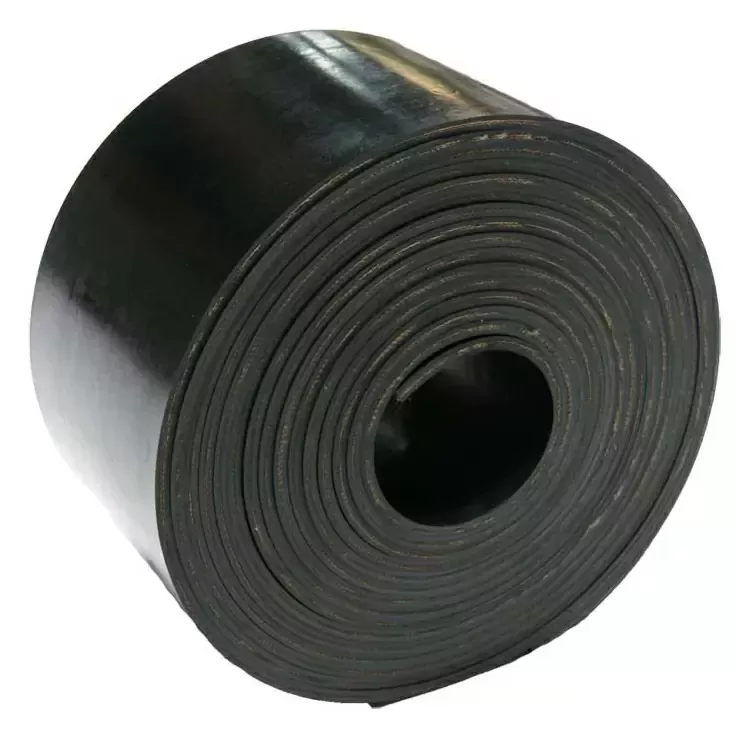
For over two decades, ZOOMRY has supplied high-performance conveyor belt systems for mining, cement, quarry, and power generation operations worldwide. Our complete range covers fabric belts, steel cord belts, solid woven belts, pipe conveyor belts, heat-resistant belts, fire-resistant belts, and patterned belts — with tensile strengths up to 4,000 N/mm and widths to match any conveyor specification.
Wondering which belt type fits your project? The choice depends on your material characteristics, operating environment, and safety requirements. Compare our main types of conveyor belts below: steel cord belts for long-distance, high-tension applications; solid woven PVC/PVG belts for underground fire safety; heat-resistant belts for clinker and hot materials up to 200°C; and enclosed pipe conveyor belts for enclosed, dust-controlled transport.
Each belt is manufactured under ISO 9001 quality control with rigorous tensile, wear, and fire-resistance testing. Contact our engineers for project-specific recommendations.
| Belt type | Construction | Range | Best for |
|---|---|---|---|
| EP (polyester-nylon) | 2–6 plies of EP fabric | EP-80 to EP-350, 400–2,500 mm wide | General bulk conveying, low elongation |
| Nylon (NN) | Nylon fabric plies | Room-temperature bulk, belt speed up to 5.0 m/s | Coal, coke, sand, cement, ore |
| Steel cord | Steel cords in rubber, ISO 15236 reference | Long distance, high tension | Overland and high-capacity trunk conveyors |
| Solid woven | Solid woven carcass, PVC or PVG cover | 300–2,500 mm, EP315/3–EP1250/5 | Underground coal and fire-sensitive routes |
| Heat resistant | HR (T1), SHR (T2), UHR (T3) compounds | 125 / 150 / 180 °C belt surface | Clinker, sinter, hot pellets, foundry sand |
| Fire resistant | ISO 340 flame-retardant cover | Coal and underground duty | Mining, tunnels, enclosed galleries |
| Chevron / patterned | Moulded cleats on the carrying cover | 300–3,200 mm wide | Inclined conveying above the natural surcharge angle |
| Pipe belt | Foldable belt formed into a closed tube | EP200/2–EP1250/6, 400–2,500 mm | Dusty material, tight curves, enclosed routes |
Cover rubber grades run 8–26 MPa to DIN-X/Y/W and RMA-1/2. Cover thickness, ply count and belt width are specified together — a wider belt does not compensate for an under-rated carcass.
No models match your filter.