
How to Choose a Conveyor Type by Material, Capacity and Route
Select a conveyor type by material properties, required capacity, route geometry and enclosure needs. A decision framework for bulk handling engineers.
Quick Answer
Conveyor systems are classified into five main types: single-unit conveyors, linked conveyor systems, stockyard systems, port loading and unloading systems, and EPC turnkey systems. ZOOMRY supplies all five types, from individual belt conveyors up to complete mine-to-port EPC projects covering design, manufacture, installation, and commissioning.
In this guide: This page is a selection framework, not a catalogue. Related reading: Types of Conveyors: A Complete Guide to Bulk Material Handling Systems (2026).
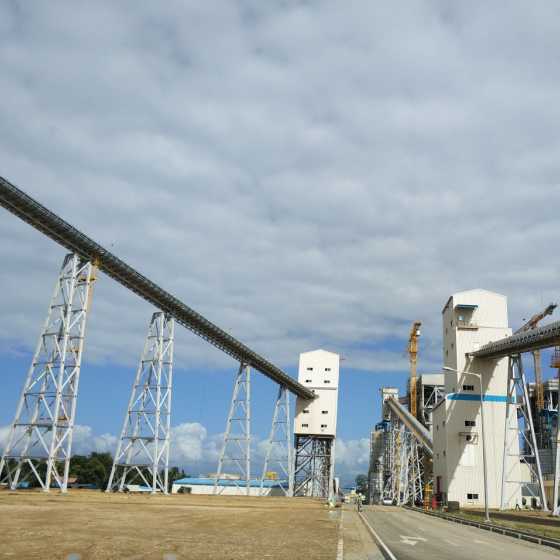
What Is a Conveyor System?
A conveyor system is an integrated set of equipment that moves bulk material continuously from one point to another. Unlike a single conveyor, a system includes multiple conveyors, transfer points, feed and discharge equipment, and control systems working together.
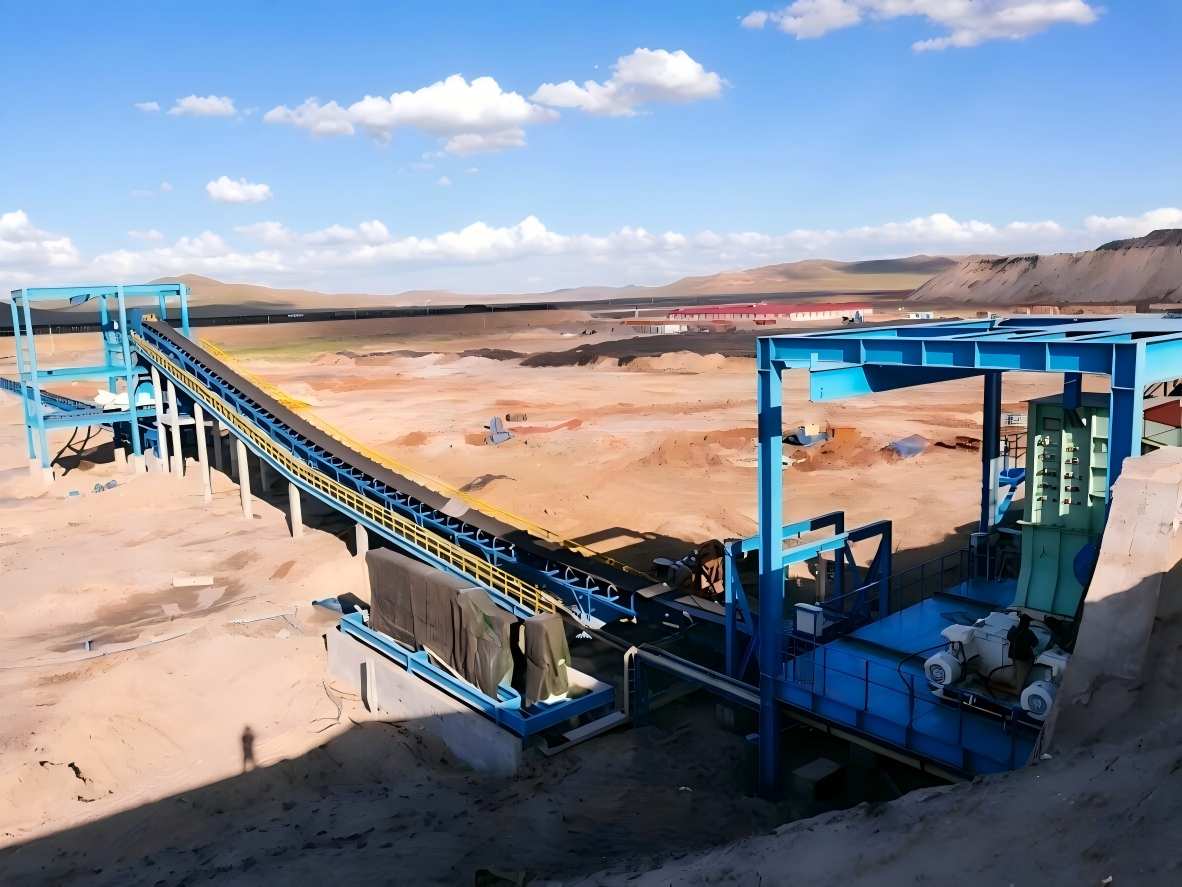
In mining, ports, power plants, and cement plants, a conveyor system replaces truck haulage, reduces cost per ton, and enables 24/7 continuous operation. A single overland system can move thousands of tons per hour over tens of kilometers.
Types of Conveyor Systems
| System Type | Description | Typical Application |
|---|---|---|
| Single-Unit Conveyor | One conveyor, one drive, one route | Short transfer, plant feed |
| Linked Conveyor System | Multiple conveyors connected by transfer points | Medium-distance transport |
| Stockyard System | Conveyors + stacker/reclaimer for storage | Ports, mines, power plants |
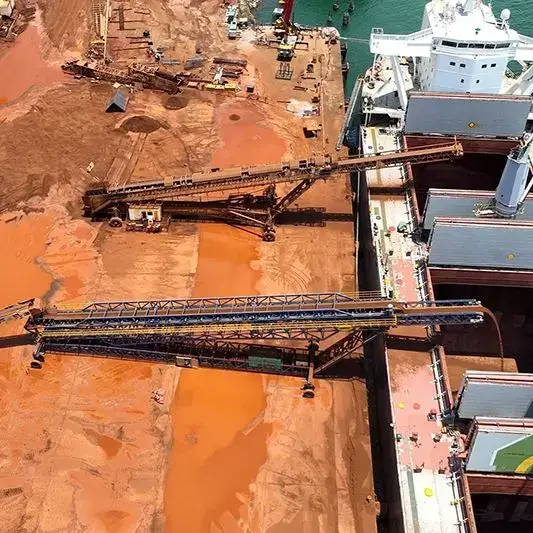
| Port Loading/Unloading System | Conveyors + shiploader or unloader | Bulk terminals |
| EPC Turnkey System | Full design, manufacture, installation, commissioning | Mine-to-port, plant-to-port |
1. Single-Unit Conveyor
A single-unit conveyor is the simplest type. It consists of one belt, one drive, and one route. It is used for short-distance transfer within a plant or between two pieces of equipment.
ZOOMRY single-unit conveyors cover belt widths from 400 to 2,400 mm and capacities up to 17,000 m³/h.
2. Linked Conveyor System
A linked conveyor system connects multiple conveyors via transfer points. This allows longer routes than a single conveyor can cover, but adds transfer towers and dust control equipment.
ZOOMRY linked systems are used in plants where the route is too long or complex for a single flight, but not long enough to justify a long-distance overland conveyor.
3. Stockyard System
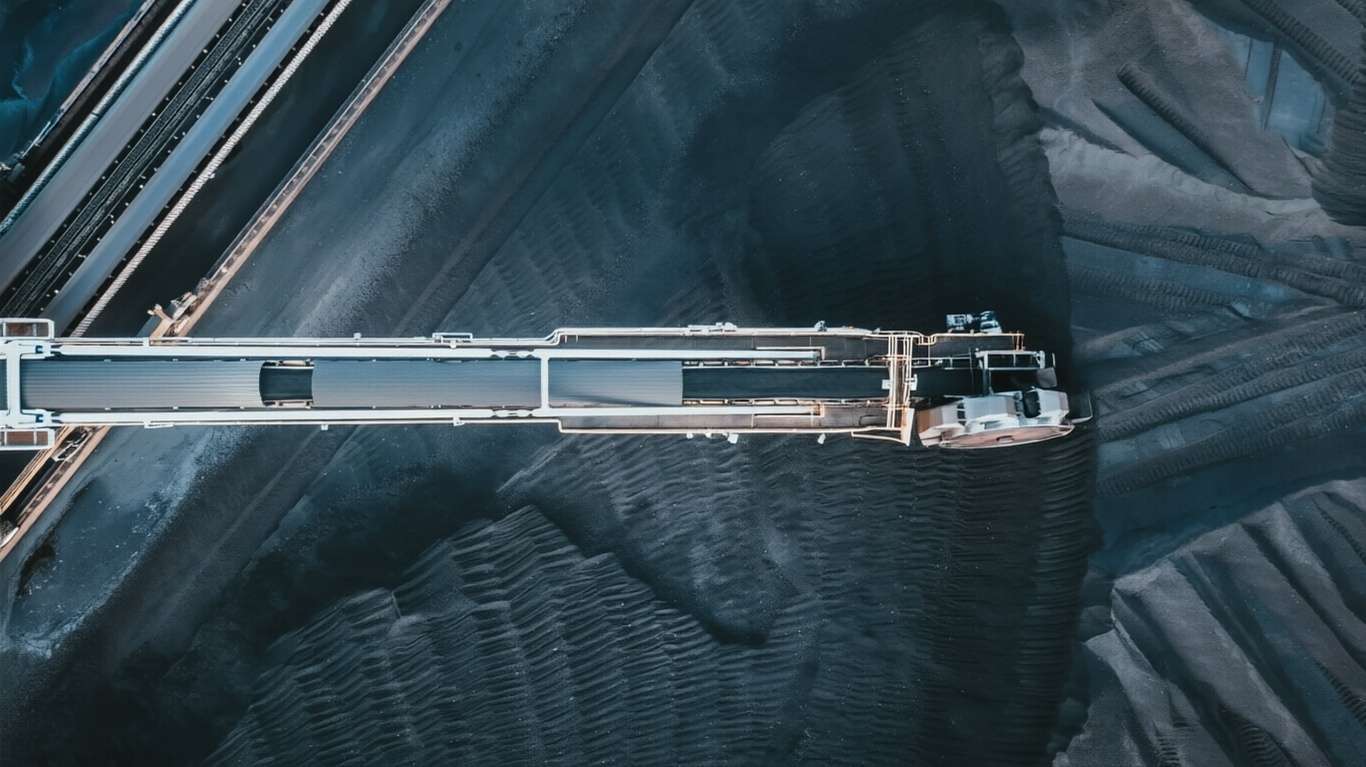
A stockyard system combines conveyors with stackers and reclaimers. Material is stacked into stockpiles for storage, then reclaimed and fed back into the conveyor system when needed.
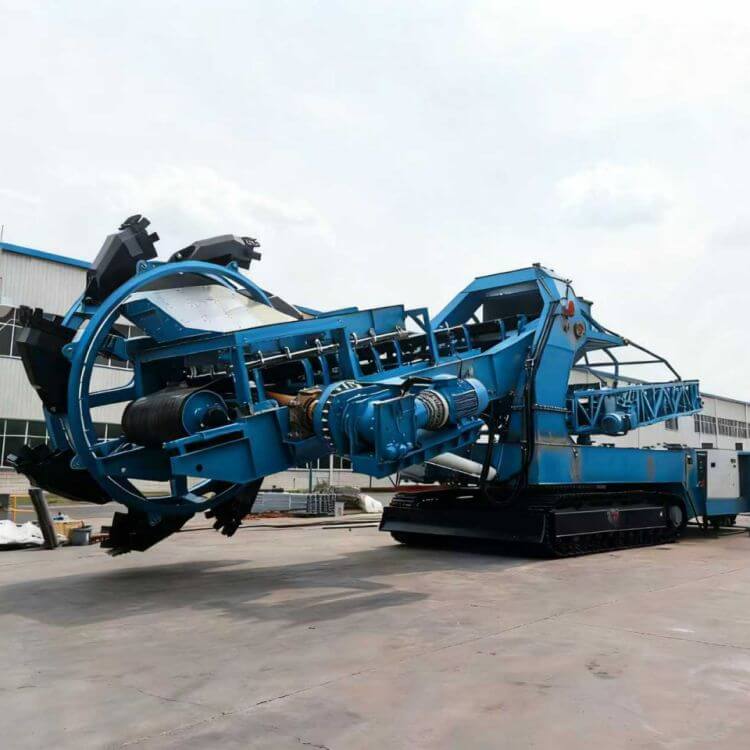
ZOOMRY stockyard systems include telescopic stackers, tracked radial stackers, and bucket wheel stacker reclaimers, covering capacities from 500 to 3,500 m³/h.
4. Port Loading and Unloading System
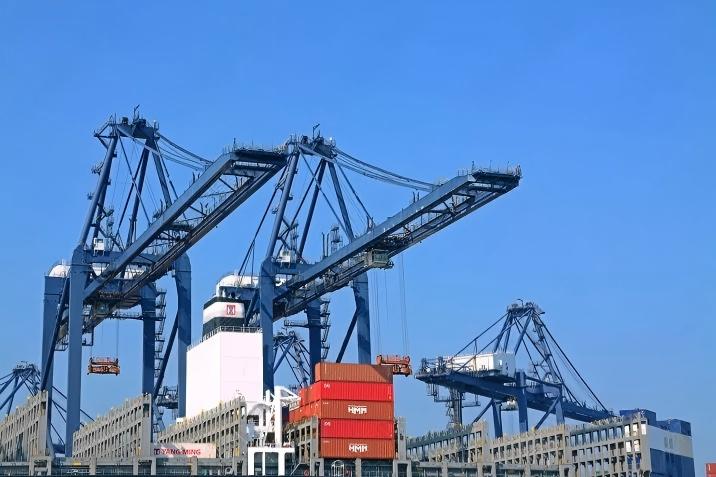
A port loading system connects the stockyard or truck receiving area to a shiploader. A port unloading system connects a ship unloader to the stockyard or plant.
ZOOMRY port systems include mobile shiploaders (100–3,500 t/h), truck unloaders (200–1,800 t/h), and hopper feeders (800–3,000 TPH).
5. EPC Turnkey System
An EPC turnkey system covers the entire project: design, manufacture, installation, and commissioning. The contractor delivers a complete system ready to operate.
ZOOMRY provides EPC turnkey systems for mine-to-plant, mine-to-port, and plant-to-port projects. Representative projects include the 9.6 km Jiangxi Hengchuang gallery and the 6.4 km Zhejiang East Mining cross-sea gallery.
Comparison of Conveyor System Types
| System Type | Typical Length | Typical Capacity | Complexity |
|---|---|---|---|
| Single-Unit | < 500 m | Up to 17,000 m³/h | Low |
| Linked | 500 m – 3 km | Up to 17,000 m³/h | Medium |
| Stockyard | 1 – 5 km | 500 – 3,500 m³/h | Medium-High |
| Port System | Project-specific | 100 – 3,500 t/h | High |
| EPC Turnkey | Up to 15 km single-flight | Up to 17,000 m³/h | Very High |
How to Choose a Conveyor System
Route length: Short routes favor single-unit; long routes favor linked, overland, or EPC turnkey systems.
Required capacity: High capacity favors trough conveyors and large drive systems.
Material type: Dust-sensitive materials favor pipe conveyors; abrasive materials favor heavy-duty trough conveyors.
Storage requirement: Stockyards, ports, and power plants require stockyard systems with stackers and reclaimers.
Project scope: Full EPC turnkey systems are used for mine-to-port and plant-to-port projects.
Project Data
Project 1: Jiangxi Hengchuang Mining — 9.6 km Ultra-Long Belt Gallery
Belt width: 1,400 mm
Capacity: 3,000 t/h
Length: 9.6 km
Structure: tunnel, underground gallery, elevated composite
Delivery: EPC turnkey
Project 2: Zhejiang East Mining — 6.4 km Cross-Sea Gallery
Belt width: 1,800 mm
Phase 1 capacity: 4,500 t/h
Phase 2 capacity: 5,500 t/h
Length: 6.4 km
Annual output: over 17.5 million tons
Project 3: Hubei Southeast Mining — 8,617 m Curved Conveyor System
Belt width: 1,200 mm
Capacity: 2,500 t/h
Length: 8,617 m
Horizontal curves: 9 (max 36°)
Delivery: EPC + 8-year O&M
Frequently Asked Questions
What are the main types of conveyor systems?
The main types are single-unit conveyors, linked conveyor systems, stockyard systems, port loading and unloading systems, and EPC turnkey systems. The right choice depends on route length, capacity, material type, and project scope.
What is the difference between a single-unit conveyor and a linked conveyor system?
A single-unit conveyor uses one belt and one drive for a short route. A linked conveyor system connects multiple conveyors via transfer points, allowing longer routes at the cost of additional transfer towers and dust control equipment.
What is an EPC turnkey conveyor system?
An EPC turnkey system covers design, manufacture, installation, and commissioning. The contractor delivers a complete system ready to operate. ZOOMRY has delivered EPC turnkey systems up to 9.6 km in length.
What is the longest conveyor system in the world?
The world's longest single-flight conveyor is the 98 km phosphate conveyor in Western Sahara. ZOOMRY long-distance systems support single-flight lengths up to 15 km, with multi-flight systems covering up to 70 km.
How do I choose the right conveyor system for my project?
Start with route length, required capacity, material type, storage requirements, and project scope. Short routes favor single-unit conveyors; long routes favor linked or overland systems; full projects favor EPC turnkey systems.
Related Products
Industry Applications
Explore This Topic: Stackers & Stacker Reclaimers
Stockyard equipment guides: bucket wheel stacker reclaimers, radial and telescopic stackers, and how to select between them.
- Radial Stacker Conveyor Design — Key Features of a Radial Stacker Conveyor — Guide
- Bucket Wheel Excavator | Large-Scale Mining Excavation Equipment — Product
- Tracked Radial Stacker – Tracked Stacking Conveyor for Soft Ground Stockpile — Product
- Bucket Wheel Stacker Reclaimer Common Faults and Solutions — Guide
- Bucket Wheel Stacker Reclaimer vs Bucket Wheel Excavator: Which One for Your Mining Operation? | — Guide
Let's build it together
Need a custom bulk handling solution?
Talk to our engineers about conveyors, stackers, ship loaders and turnkey EPC systems.