
How to Choose the Right Conveyor System – Product & Process Selection Guide | ZOOMRY
A conveyor system is a fast and efficient mechanical handling device used to automatically transport loads and materials around a facility.
Quick Answer
A conveyor system is a fast and efficient mechanical handling device used to automatically transport loads and materials around a facility. They minimize human error, reduce workplace risks, and lower labour costs. The steps below cover the checks, parameters, and common mistakes to avoid.
A conveyor system is a fast and efficient mechanical handling device used to automatically transport loads and materials around a facility. They minimize human error, reduce workplace risks, and lower labour costs. Conveyor systems can use belts, rollers, or chains to transport objects — from small packages in a warehouse to bulk materials like coal and ore in a mining operation. As a professional bulk material handling solution provider, ZOOMRY designs complete conveyor systems for diverse industries. This guide covers the key factors to consider when selecting the right conveyor system for your operation.
How to Choose the Right Conveyor System
Conveyors act as the central nervous system for operations that receive, handle, store, distribute, manufacture, or transport products. With a wide range of conveyor types and hundreds of possible configurations, selecting the right system can be challenging. An ideal conveying system must be:
- Safe to operate
- Energy efficient
- Reliable (with durable components)
- Adaptable to changing requirements
- Cost-effective (in terms of total cost of ownership)
Installing the wrong conveyor system quickly reduces operational efficiency, increases costs, and reduces customer satisfaction. Below are the essential factors to evaluate.
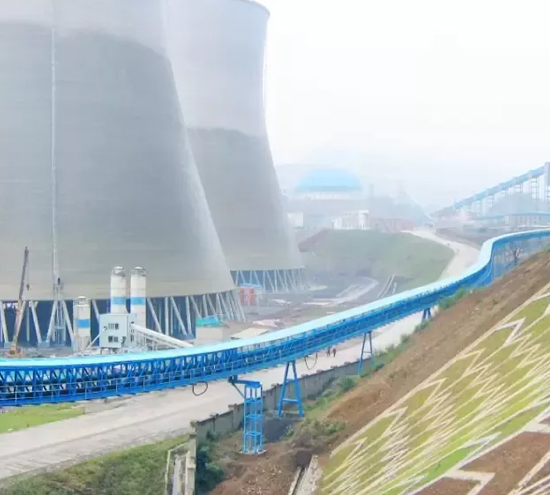
Pipe Conveyor System — enclosed dust-free transport for sensitive environments
Product Requirements
The type of items to be moved determines the design, size, and type of conveyor system. Answering these questions helps determine configuration requirements and calculate horsepower and belt pull:
- What type of product is being conveyed?
- What is the average weight per foot and maximum weight?
- What are the minimum, maximum, and average dimensions (length, width, height)?
- How is the product conveyed and in what direction?
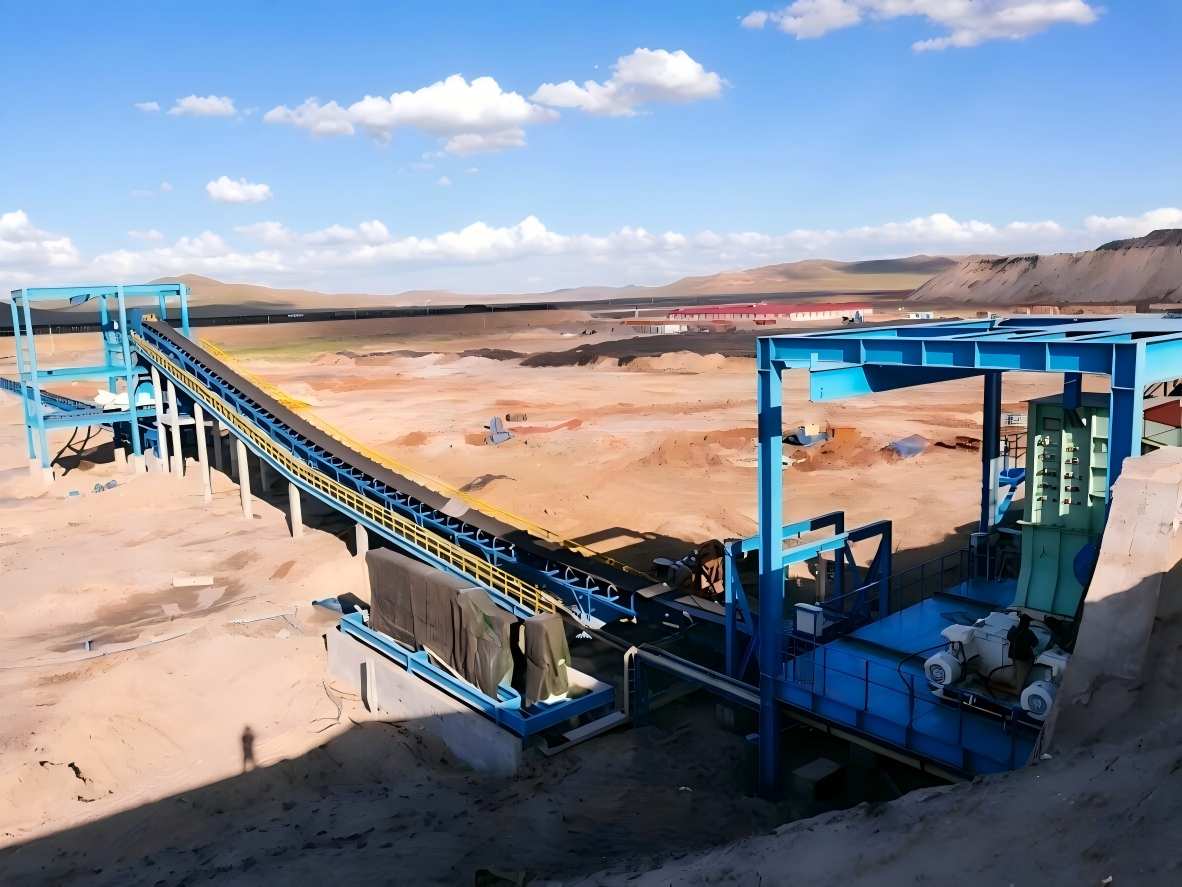
Product size determines conveyor width, guide gauge, and roller centres. Product weight determines roller gauge, roller diameter, and motor size requirements. For bulk materials like aggregates or ores, a belt conveyor system is typically the best choice.
Process Requirements
Process requirements control how the conveyor moves and the unique conditions of the operating environment:
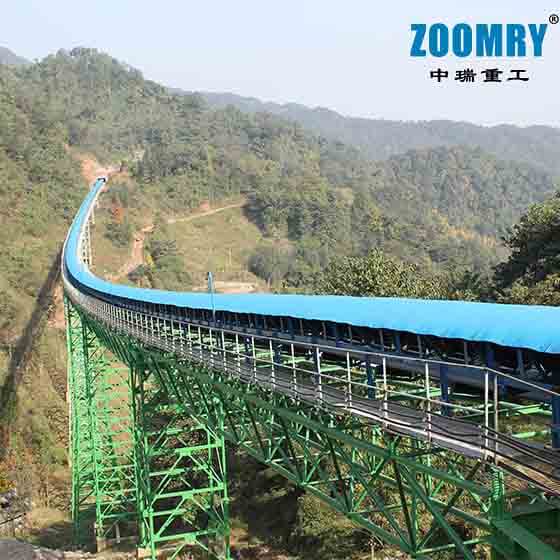
- Distance: How far does the item need to move between functional areas? For long distances (>1,000 m), consider long distance belt conveyors.
- Path: Are there stopping points, elevation changes, curves, or diversions? Curved belt conveyors handle direction changes without transfer points.
- Product positioning: Does the item need specific orientation for barcode scanning or transfer?
- Speed: Short, fast movements or slow, steady throughput?
- Surroundings: Temperature, humidity, dust, and available space all influence conveyor selection.
Flow Rate
Your conveyor system must handle both average transfer rates and peak demand periods. The volume of product per hour (or per minute) determines conveyor length and speed. For high-capacity bulk material handling, ZOOMRY's systems achieve up to 17,000 m³/h on long distance conveyors. Additionally, certain conveyor types are optimized for specific products — large plastic chain conveyors suit plastic pallets, while chain-driven roller conveyors suit wooden pallets.
Transfer Requirements
The entry and exit points of items on the conveyor are critical. Most conveyors use side-to-side transfers, powered transfers, dead plates, or gravity rollers. Products with smaller footprints may require powered transfers, while larger and longer products may require gravity rollers. For bulk materials, hopper feeders provide controlled feeding at transfer points to protect downstream conveyors.
Related Equipment
Industry Solutions
Explore This Topic: Belt Conveyor Systems
Foundations of belt conveying: system components, layouts, drive methods, types, cleaning and maintenance.
- Steep Angle Belt Conveyor | High-Incline Conveyor System for Bulk Materials - ZOOMRY — Product
- Applications of Curved Belt Conveyors – 10 Industries Using Curved Conveyor Systems — Guide
- Snub Pulley – Belt Conveyor Snub Pulley for Wrap Angle Optimization — Product
- What is the Maximum Angle for Coal Conveyors?Analysis and Case Studies of Pipe Conveyor Technolo — Guide
- Conveyor Pulley | Drive, Bend & Tail Pulleys for Belt Conveyors – ZOOMRY — Product
Let's build it together
Need a custom bulk handling solution?
Talk to our engineers about conveyors, stackers, ship loaders and turnkey EPC systems.