
This section collects ZOOMRY news on belt conveyor systems — overland and curved conveyors, pipe conveyors, and large inclination units — including project milestones, engineering case studies, and technical articles on belt selection, drive configuration, and dust control.
Planning a conveying route? Find stories on long-distance haulage replacing truck fleets, terrain-following curved layouts, enclosed pipe transport for sensitive materials, and steep-angle conveying in confined plant areas.
Explore the Belt Conveyor System range or contact our engineers for route and capacity selection.
 2023-04-23
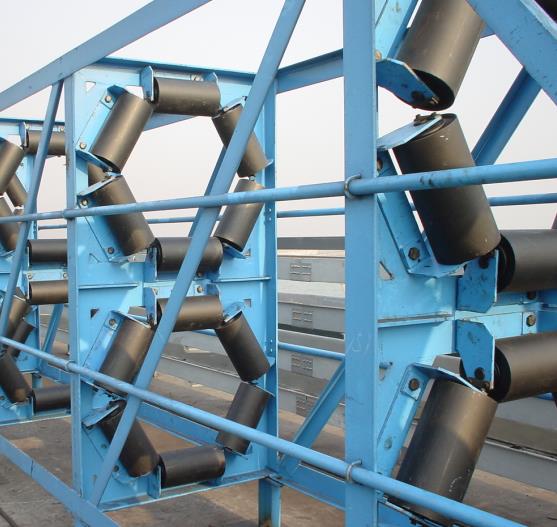
A pipe conveyor is a rubberized belt formed into a tubular shape from a traditional troughed design. At the loading point, the belt is flat like a standard trou...
Read more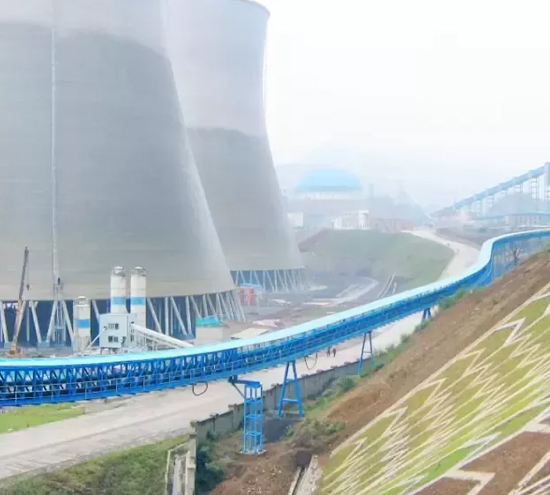 2023-02-22
A conveyor system is a fast and efficient mechanical handling device used to automatically transport loads and materials around a facility.
Read more 2022-11-28
This guide compares the four most common conveyor belt joint methods — their advantages, disadvantages, and best use cases. Can damage pulleys and belt cleaners...
Read more 2022-11-25
A dip angle conveyor — also known as a large inclination belt conveyor or steep angle conveyor — transports bulk materials at high angles up to 90° (vertical).
Read more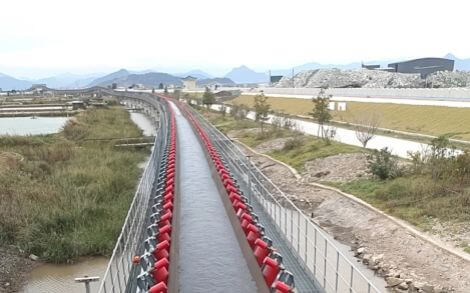 2022-11-24
ZOOMRY general-purpose fixed belt conveyors deliver 500-2500kg/m³ bulk density handling, -25°C to +40°C environmental adaptability, and 50,000+ hour component s...
Read more 2022-11-23
TD75 belt conveyor is a universal fixed belt conveyor widely used in metallurgy, coal, transportation, hydropower, and general bulk material handling.
Read more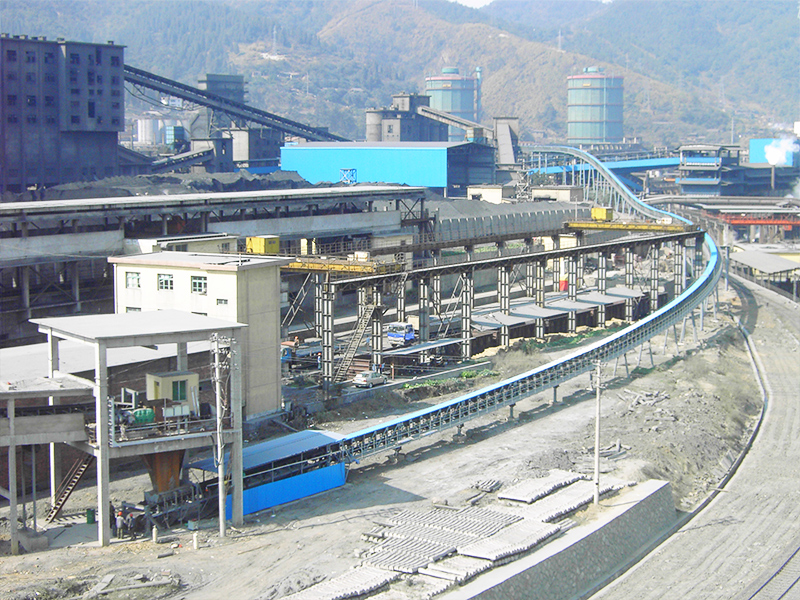 2022-11-18
A pipe conveyor uses a belt that is gradually formed from a flat loading profile into a closed tubular shape.
Read more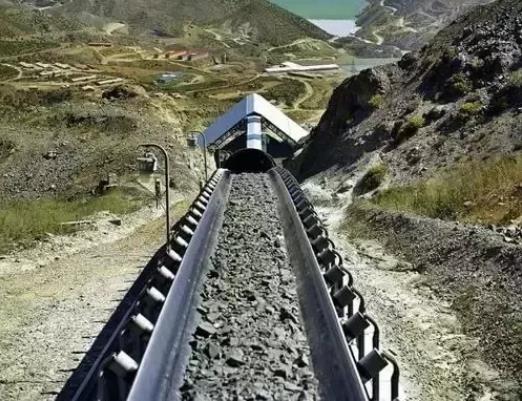 2022-11-13
Discover 19 common belt conveyor problems including belt deviation, slipping, wear, joint failure, and overstretching — with root causes and practical solutions...
Read more 2022-11-02
This guide covers five critical factors to consider when selecting a conveyor system. Working Environment Environmental factors significantly influence conveyor...
Read more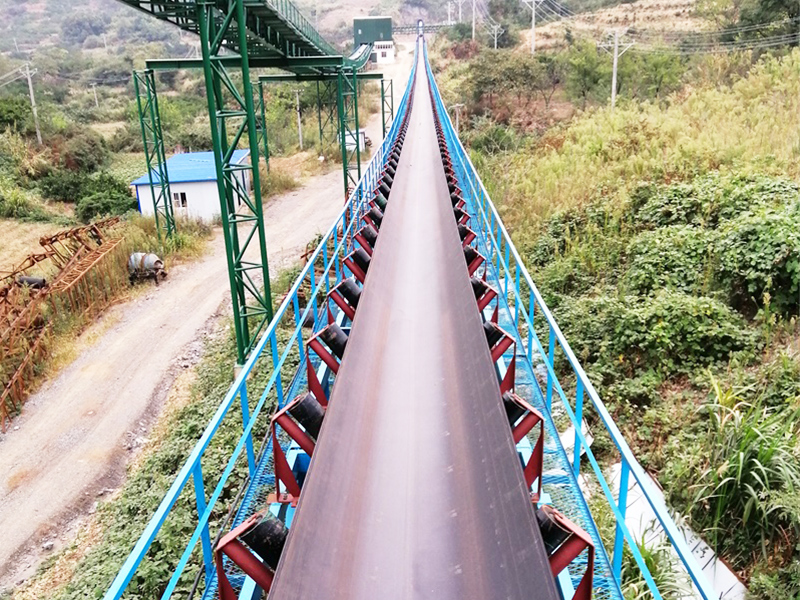 2022-09-26
How to Replace a Belt Conveyor – Step-by-Step Guide Replacing a worn or damaged conveyor belt is a critical maintenance procedure that directly impacts system u...
Read more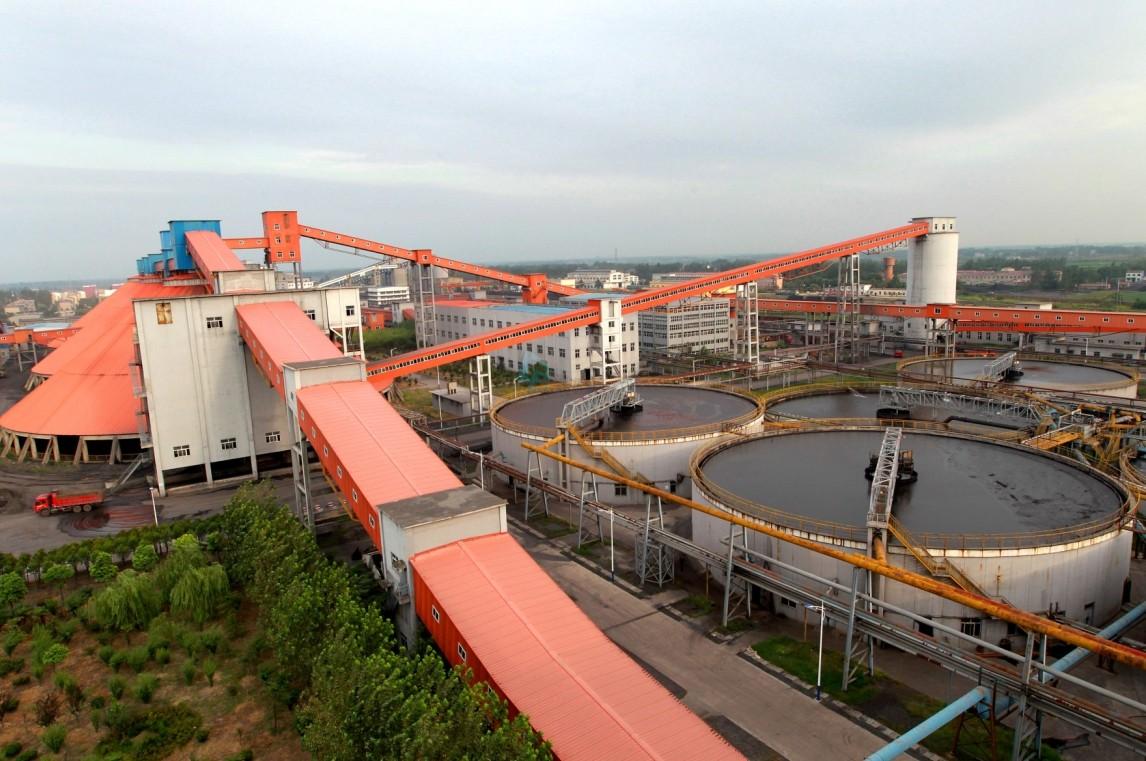 2022-09-19
Material handling in mines accounts for a large proportion of total mining costs — making conveyor systems the common solution for improving operational efficie...
Read more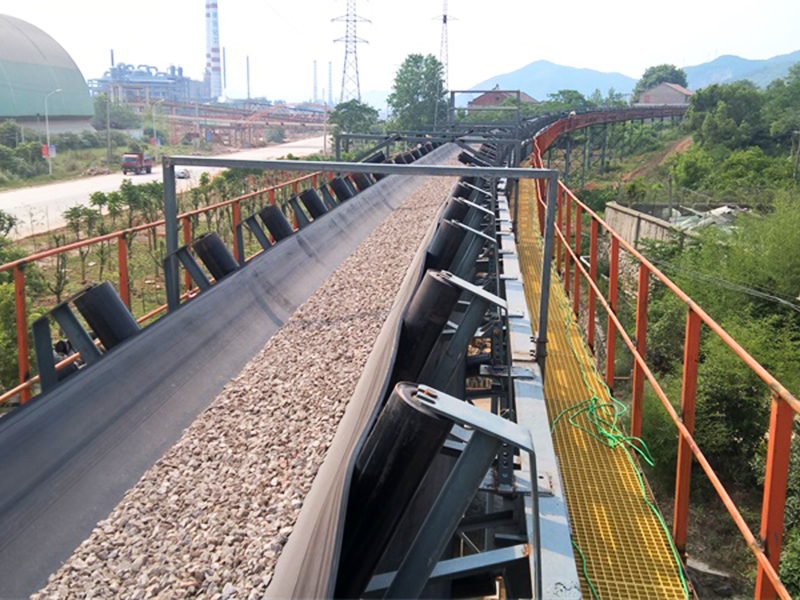 2022-09-12
The decrease in tension force is the primary reason for conveyor belt slippage. When a belt conveyor slips, the tensioning stroke can be adjusted to increase te...
Read more