
 2026-11-27
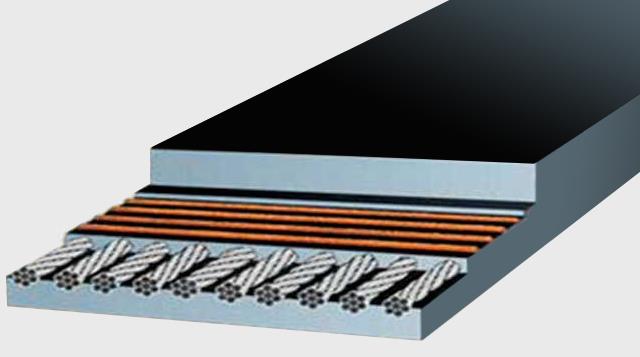
Why conveyor belt prices range from $30 to $120 per meter: carcass type, ST grade, cover compound, belt width, and order volume. ZOOMRY explains the five cost d...
Read more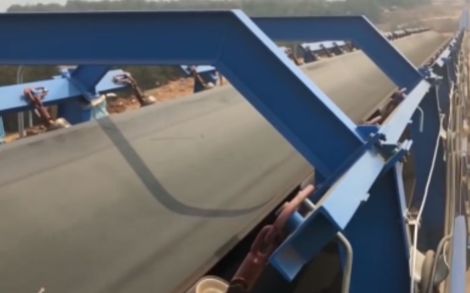 2026-11-26
Steel cord conveyor belt specifications from ST630 to ST4000: what the ST grade means, cord construction, cover grades, splice efficiency, minimum pulley diamet...
Read more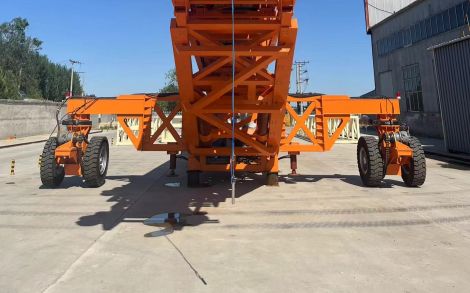 2026-11-26
Telescopic conveyor systems: how boom stroke and luffing range determine stockpile volume, how to limit material segregation with controlled drop height, and wh...
Read more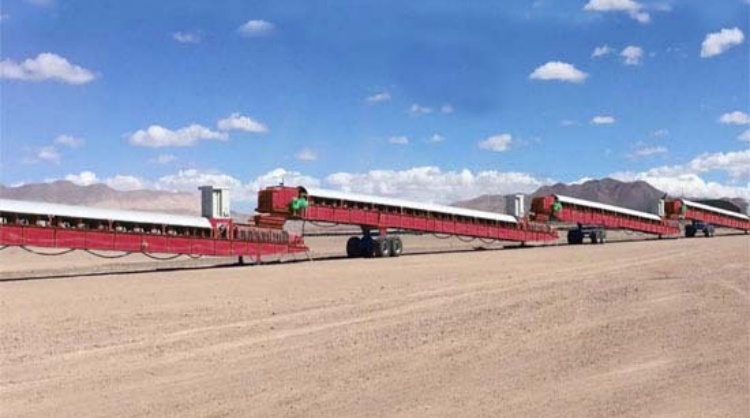 2026-11-26
Portable, mobile and grasshopper conveyors are often used for the same equipment, but they describe different things: relocatability under own power, a low-prof...
Read more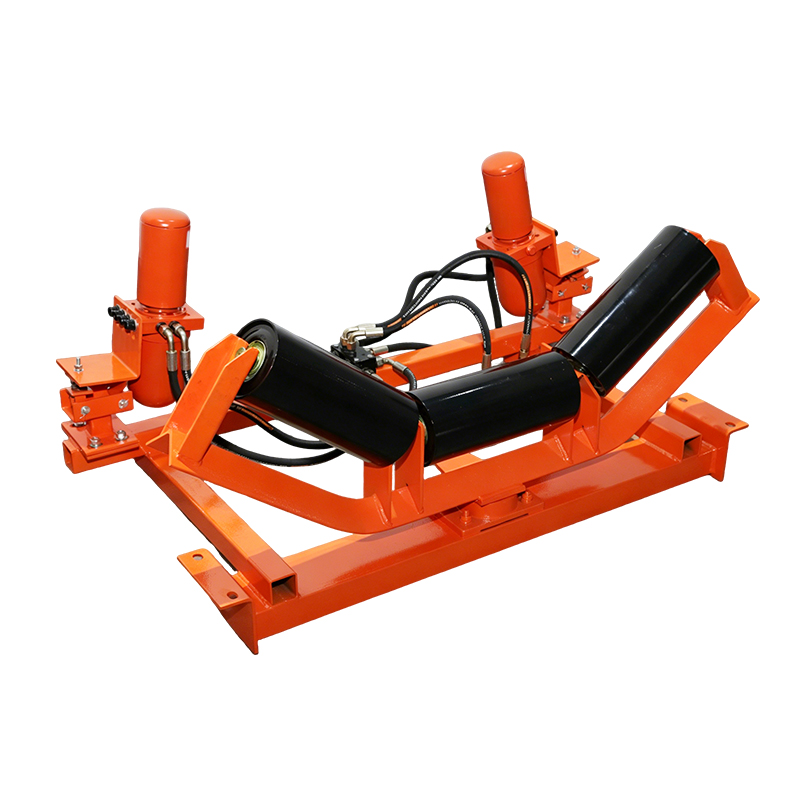 2026-11-26
PSV 1.20F14.114N return and carry roller: how to read the drawing code, the difference between return-side and carrying-side idlers, and the checks needed befor...
Read more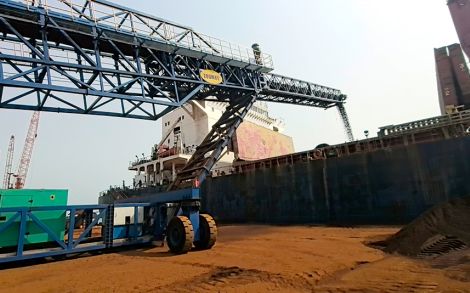 2026-11-26
Ship loader price depends on rated capacity, outreach and vessel size, chassis type, telescopic bulk loader configuration, dust control and power. Learn the cos...
Read more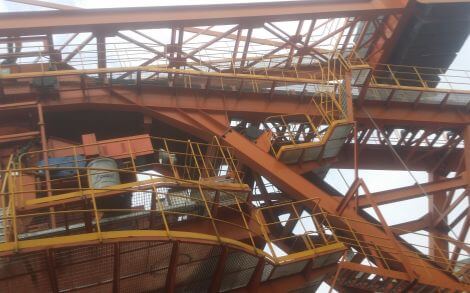 2026-11-26
Conveyor belt pricing is driven by belt width, carcass type, cover grade, length, drives, idlers, steel structure and installation. Learn the cost drivers and w...
Read more
2026-11-25
Why “conveyor belt manufacturer” searches need a different page than “belt selection” searches Someone searching “steel cord conveyor belt selection” is decidin...
Read more 2026-11-24
Heavy Industry (ZOOMRY) has been included in Hebei Province 2026 Outstanding Private Enterprise public notice, listed first among Hengshui enterprises.
Read more
2026-11-24
The safety factor, the splice design, the cover grade, and the rip protection strategy are the parameters that determine whether the belt reaches its design lif...
Read more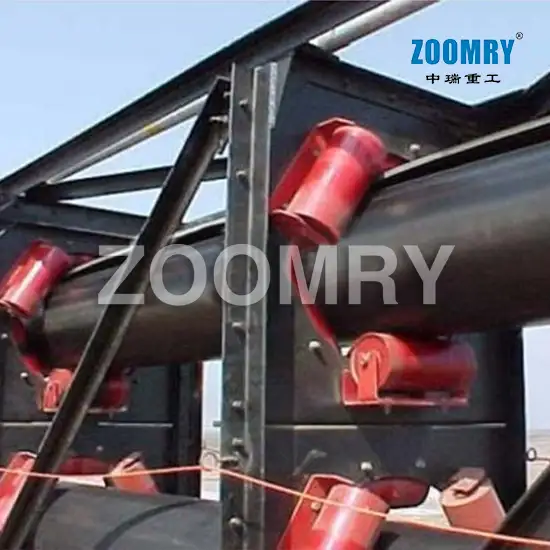 2026-11-23
The pipe diameter is set by the largest particle in the material — a 400 mm pipe handles up to 120–150 mm particles, an 850 mm pipe up to 300–400 mm.
Read more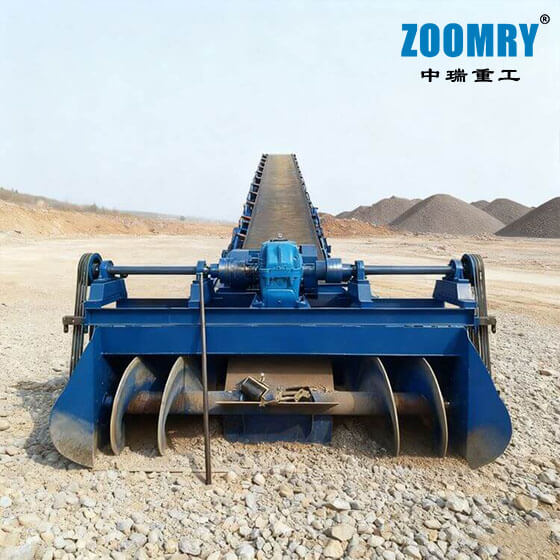 2026-11-20
Free-flowing dry powders, granules, and small solids (cement, fly ash, grain, sugar) run on a shafted screw conveyor. A spiral conveyor runs horizontally or on ...
Read more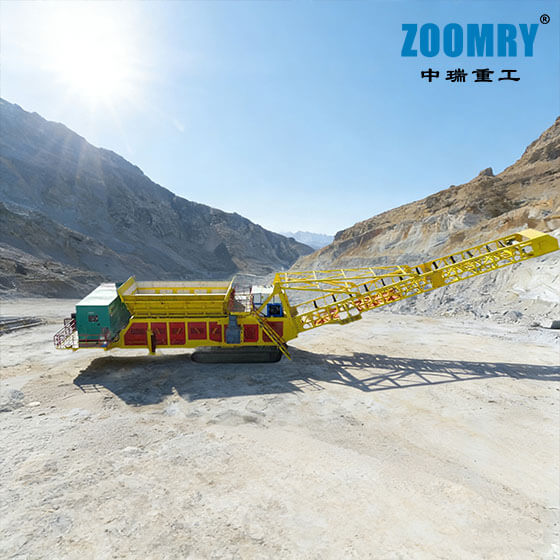 2026-11-19
Buffer capacity should cover two to three truckloads in succession — the standard used in ROM hopper design — so trucks do not wait while the feeder catches.
Read more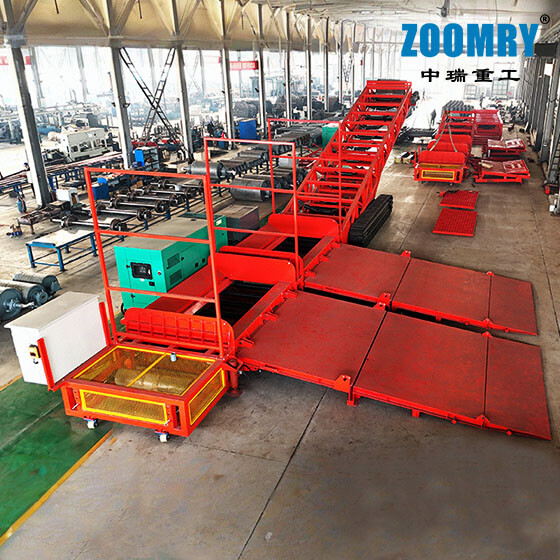 2026-11-18
Trucks drive onto a low-profile hopper, discharge directly through a floor grille onto a conveyor, and depart — 2–3 minutes per truck instead of 8–10 minutes wi...
Read more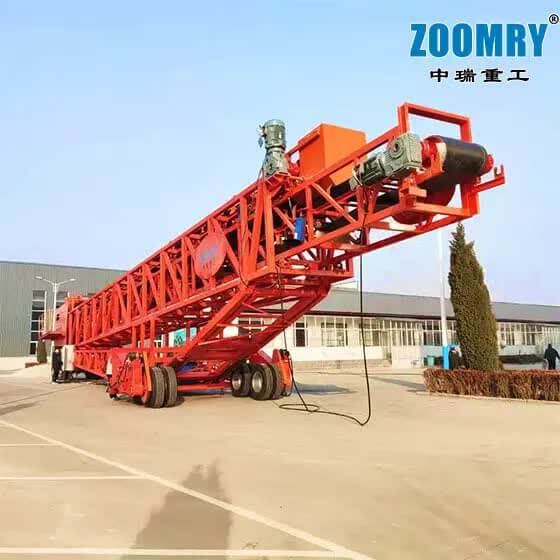 2026-11-17
Why truck loading is the highest-ROI application for a telescopic conveyor A fixed conveyor stops at the dock edge. Multi-door docks where one unit serves sever...
Read more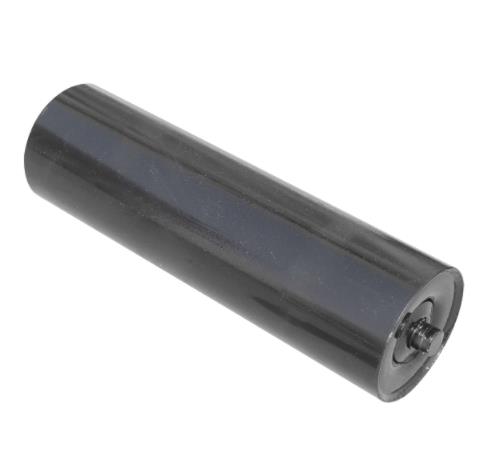 2026-11-16
Someone searching “mining conveyor rollers manufacturer” has already decided to buy. In mining, the seal is the first component to fail and the hardest to inspe...
Read more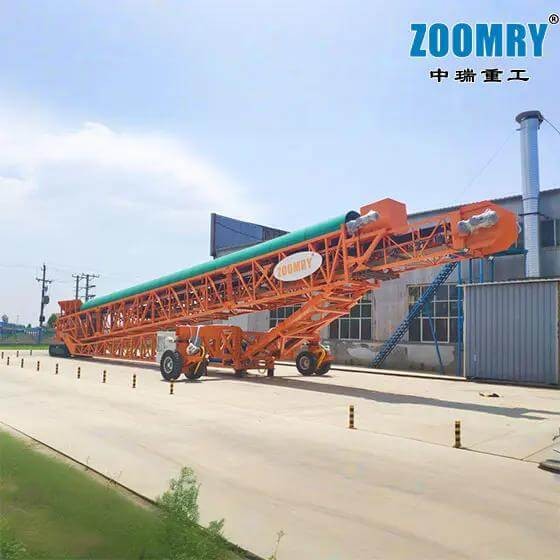 2026-11-13
Choose a wheeled stacker for prepared surfaces where fast road transport between sites matters. A stacker can be tracked and telescopic, or wheeled and telescop...
Read more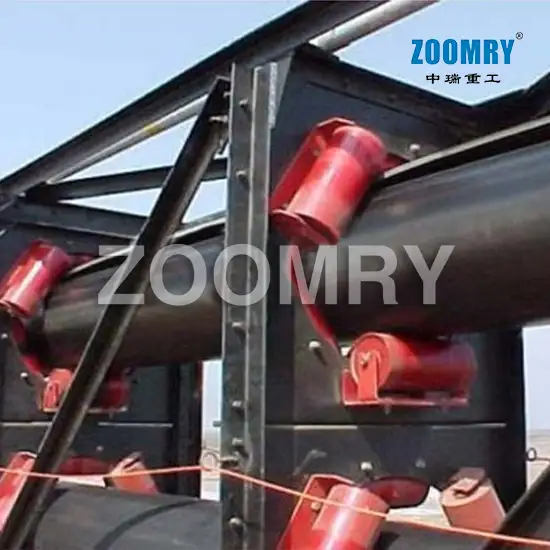 2026-11-12
Three decision factors — dust compliance, terrain complexity, and 10-year total cost — with ZOOMRY project data from Shandong coal and Vietnam cement.
Read more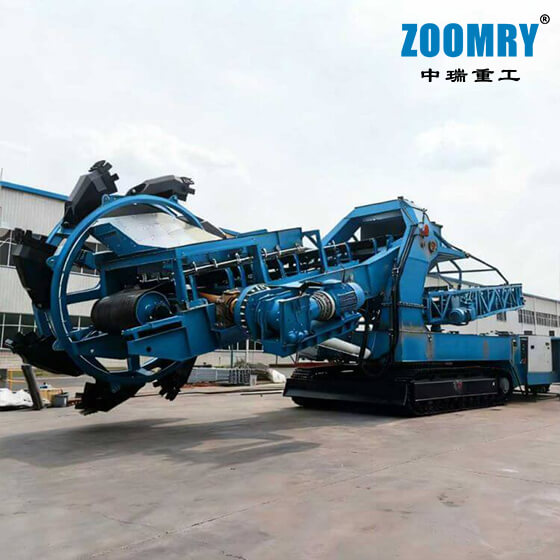 2026-11-11
Technical specification checklist for bucket wheel stacker reclaimers: reclaiming and stacking rates, bucket wheel diameter, boom length, rail gauge, installed ...
Read more
2026-11-09
No single conveyor type covers the whole chain. An open conveyor in a humid climate or a rainy port exposes the product to caking and quality loss.
Read more
2026-11-06
How to pair a truck unloader with a hopper feeder so the receiving station runs continuously. Covers capacity matching, hopper buffer sizing, and configuration ...
Read more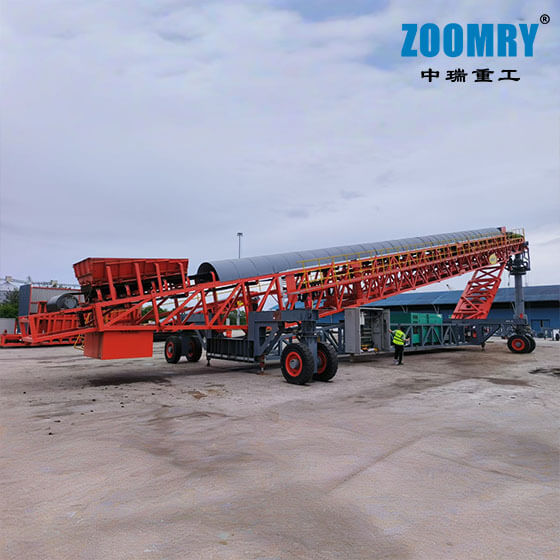 2026-11-02
Check vessel coverage, capacity, undercarriage, certifications, references, spare-parts response, and deployment time before shortlisting.
Read more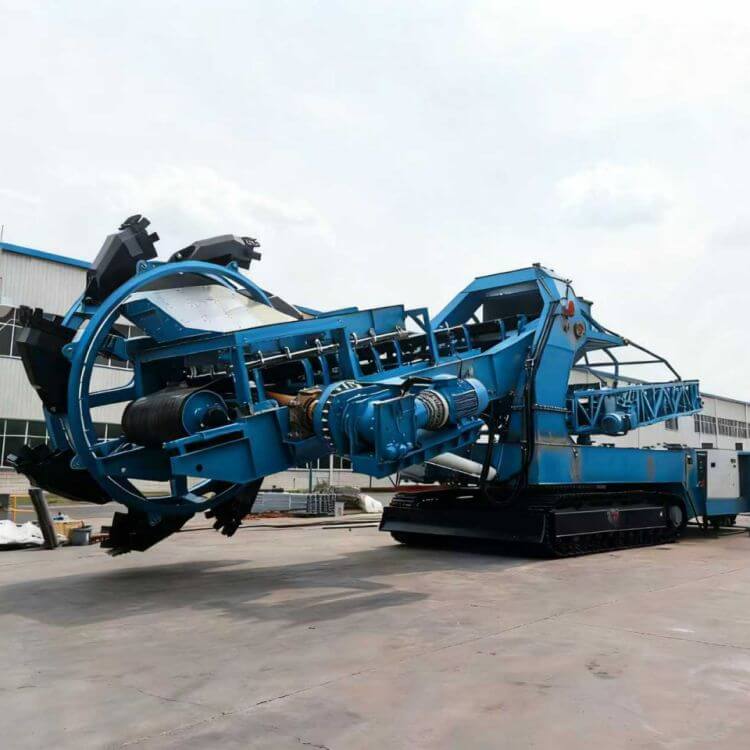 2026-10-29
A radial telescopic stacker is a mobile, highly flexible machine used for building conical or kidney-shaped stockpiles (500–3,500 m³/h).
Read more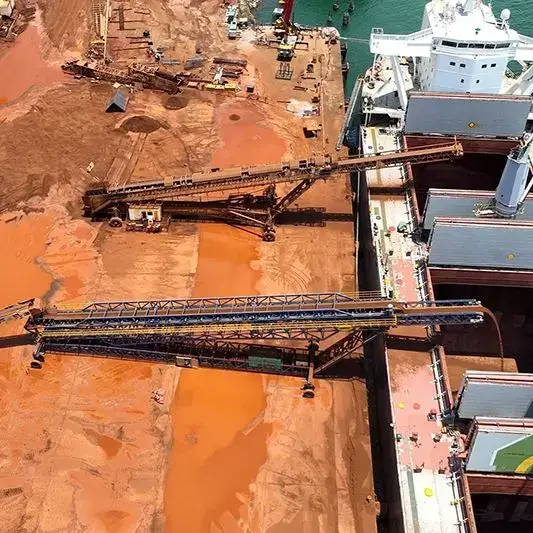 2026-10-28
A specification checklist for mobile ship loaders: rated capacity, vessel size and outreach, slewing and luffing range, chassis type, dust control and power sup...
Read more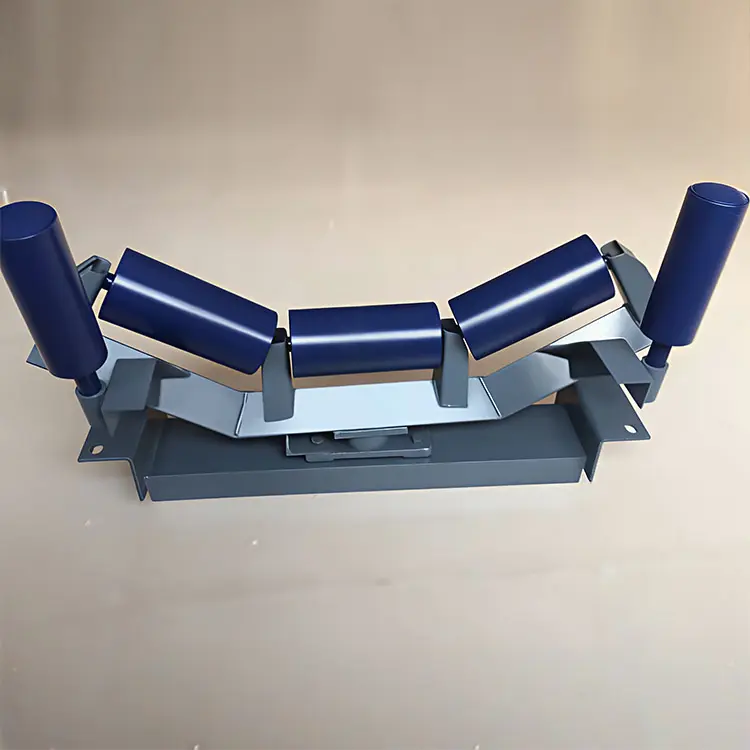 2026-10-27
Why Belt Mistracking Is a Critical Problem On a short conveyor, a slightly off-center belt may only cause minor spillage. In these cases, hydraulic belt alignme...
Read more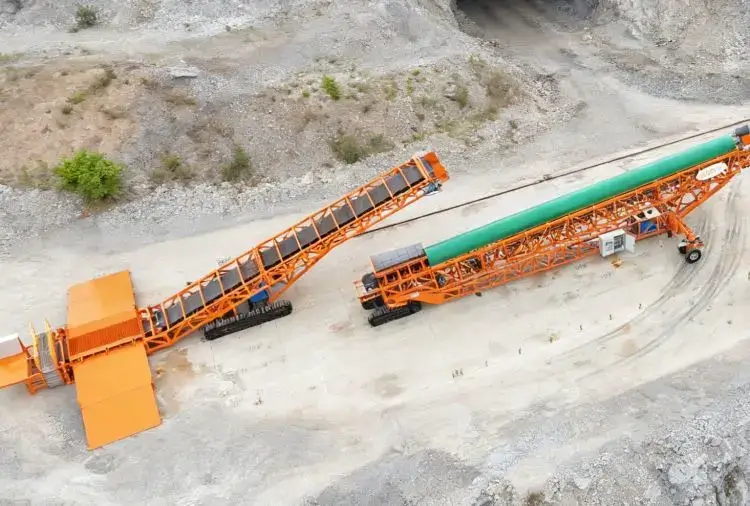 2026-10-26
How ZOOMRY integrated a tracked truck unloader, hopper feeder, and mobile shiploader to cut truck turnaround time from 18 to 11.7 minutes at a Southeast Asia bu...
Read more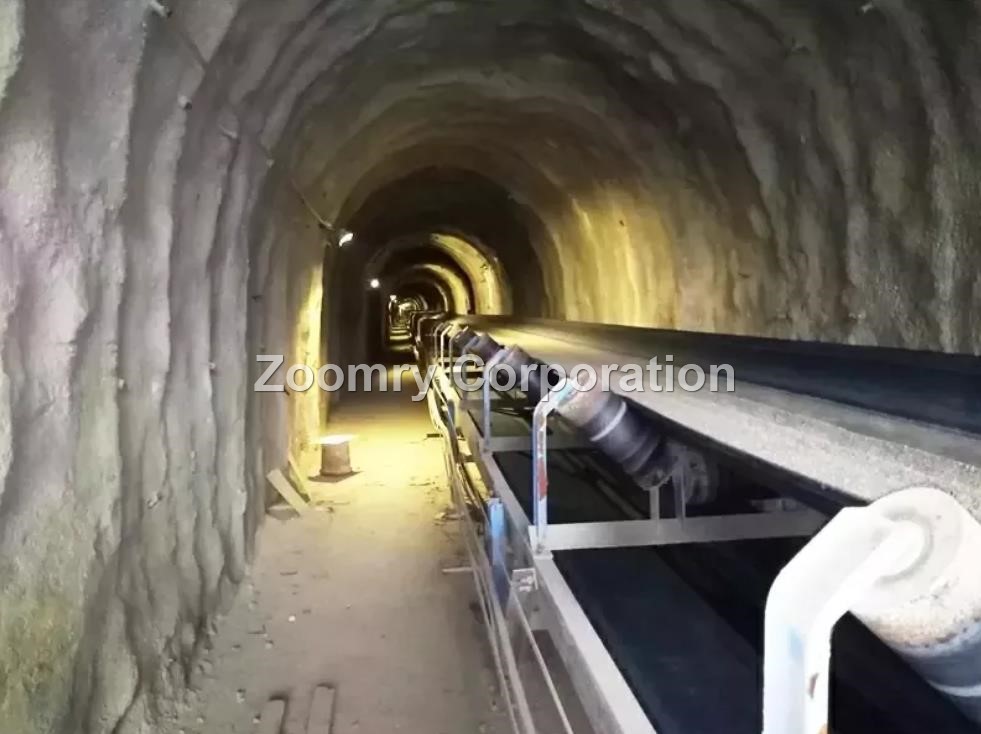 2026-10-23
How ZOOMRY delivered a 6.4 km cross-sea aggregate conveyor for Zhejiang East Mining. 1,800 mm belt, 5,500 t/h capacity, intelligent inspection, and belt turnove...
Read more
2026-10-22
How ZOOMRY engineered a 9.6 km ultra-long belt conveyor for Jiangxi Hengchuang Mining. 3,000 t/h capacity, 1,400 mm belt width, tunnel and elevated gallery cons...
Read more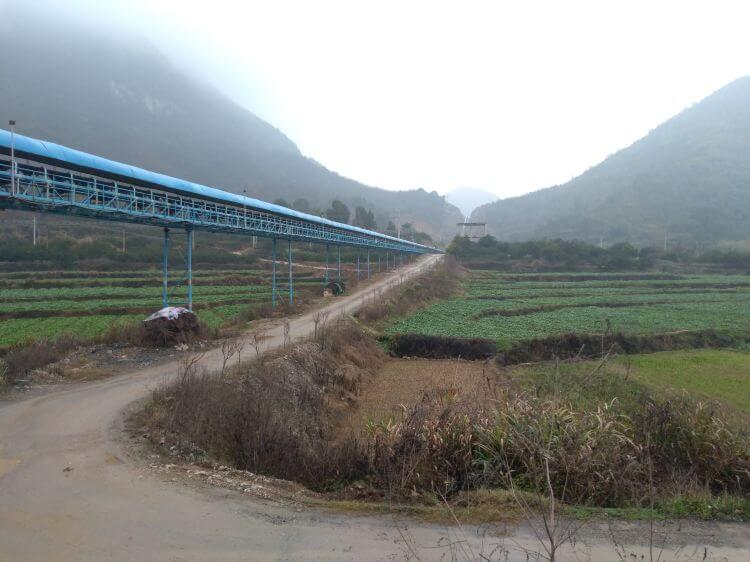 2026-10-20
How ZOOMRY engineered a 9.6 km ultra-long conveyor for Jiangxi Hengchuang and cut truck turnaround time by 35% at a Southeast Asia port.
Read more
2026-10-19
How ZOOMRY engineered an 8,617 m curved conveyor with 9 horizontal curves (max 36°) for Hubei Southeast Mining. Belt width 1,200 mm, capacity 2,500 t/h, EPC + 8...
Read more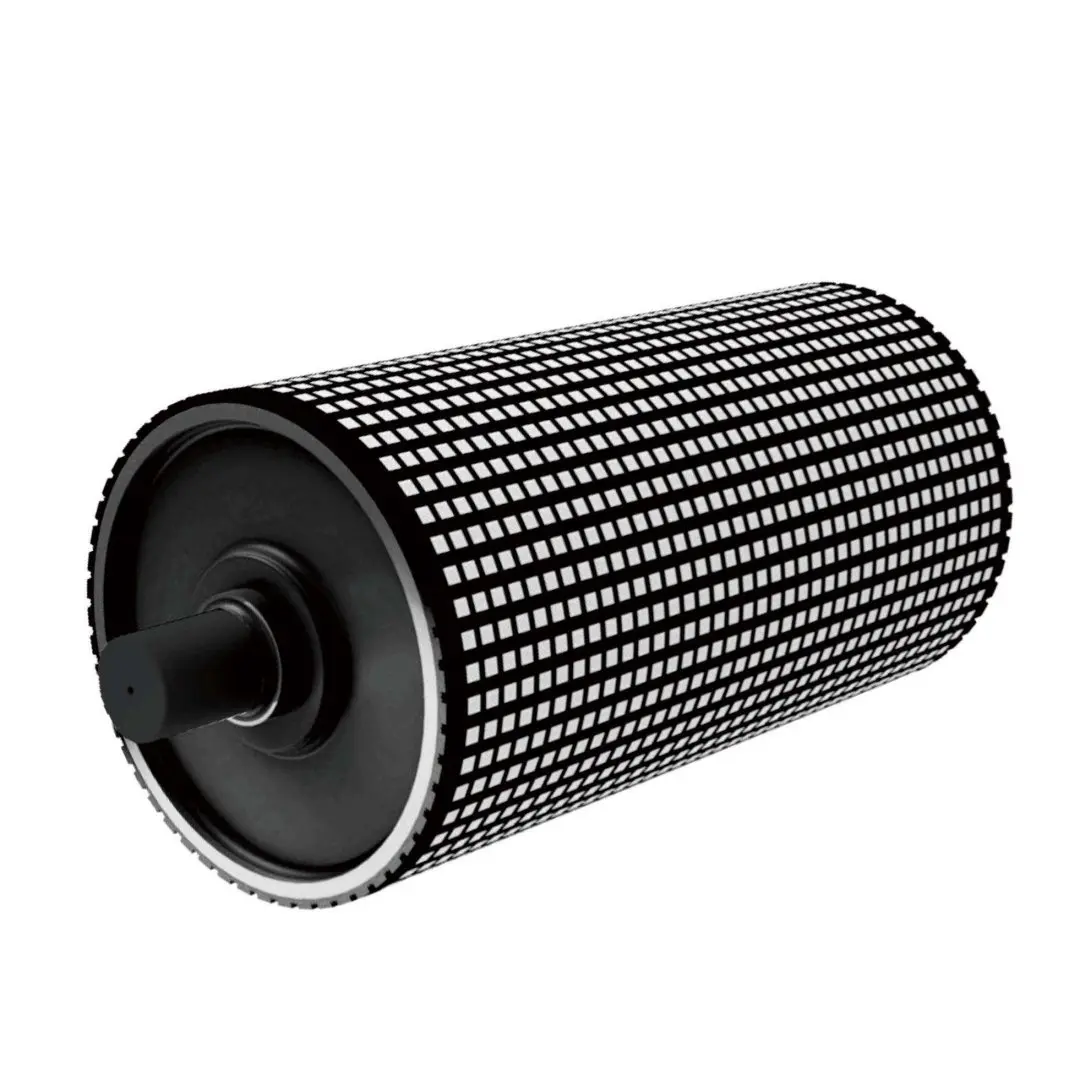 2026-10-16
A conveyor pulley is a cylindrical rotating component that supports and drives the conveyor belt. Pulleys are mounted at the head, tail, and intermediate points...
Read more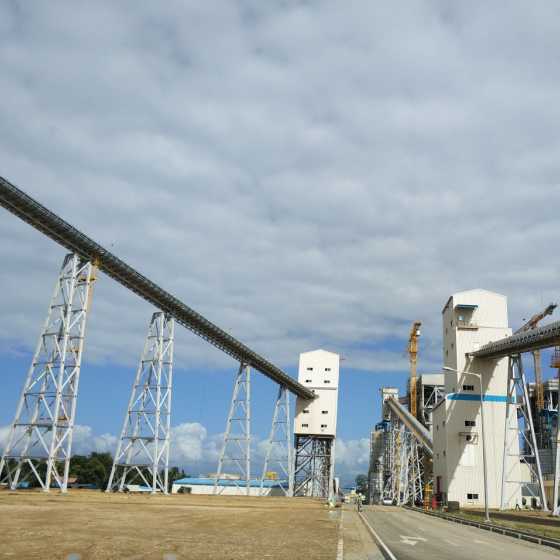 2026-10-15
Select a conveyor type by material properties, required capacity, route geometry and enclosure needs. A decision framework for bulk handling engineers.
Read more
2026-10-14
In mining, ports, power plants, and cement plants, conveyors are the backbone of material flow. Types of Conveyors by Belt Profile Trough Belt Conveyor The most...
Read more
2026-10-12
A fixed shiploader is anchored at one berth for maximum sustained capacity (up to 6,000+ t/h, requires foundations and rail). A fixed shiploader is anchored at ...
Read more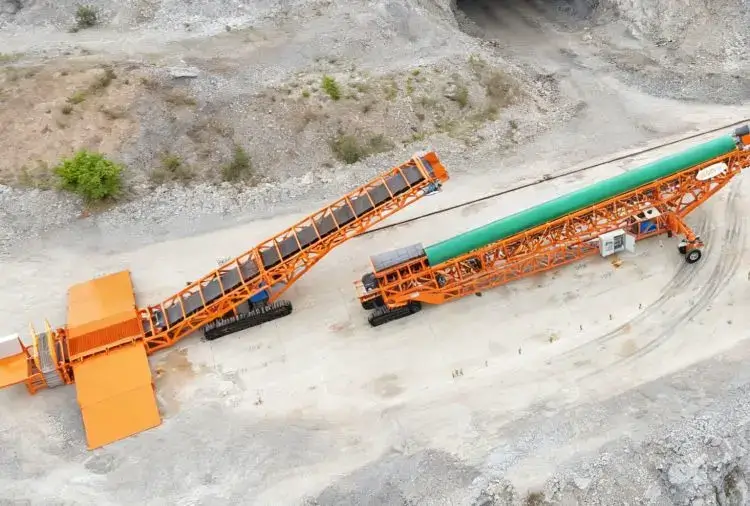 2026-10-10
Why Truck Turnaround Time Matters At a bulk terminal, every minute a truck spends waiting to discharge is a minute it is not earning.
Read more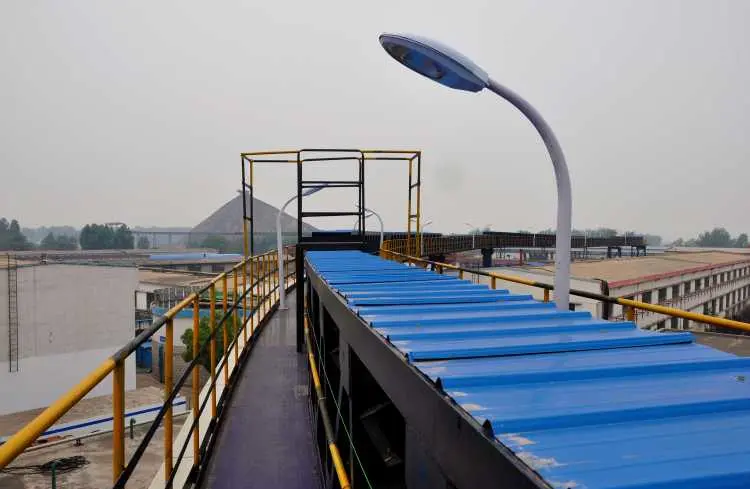 2026-10-08
A trough conveyor keeps the belt open in a conventional trough profile, offering higher capacity per belt width and simpler maintenance.
Read more
2026-09-30
A hopper feeder is a feeding device that controls material flow from a stockpile, loader, or truck into a downstream conveyor.
Read more
2026-09-29
Dust is one of the most visible operating problems at bulk ports. Good dust control is not only about compliance. Water spray helps, but it is rarely enough on ...
Read more
2026-09-28
Choosing the right mobile ship loader for a port depends on vessel size, quay conditions, required capacity, cargo type, and how many berths or hatches you need...
Read more
2026-09-24
The difference between a mobile ship loader and an all-travel mobile shiploader lies in how the machine moves along the quay.
Read more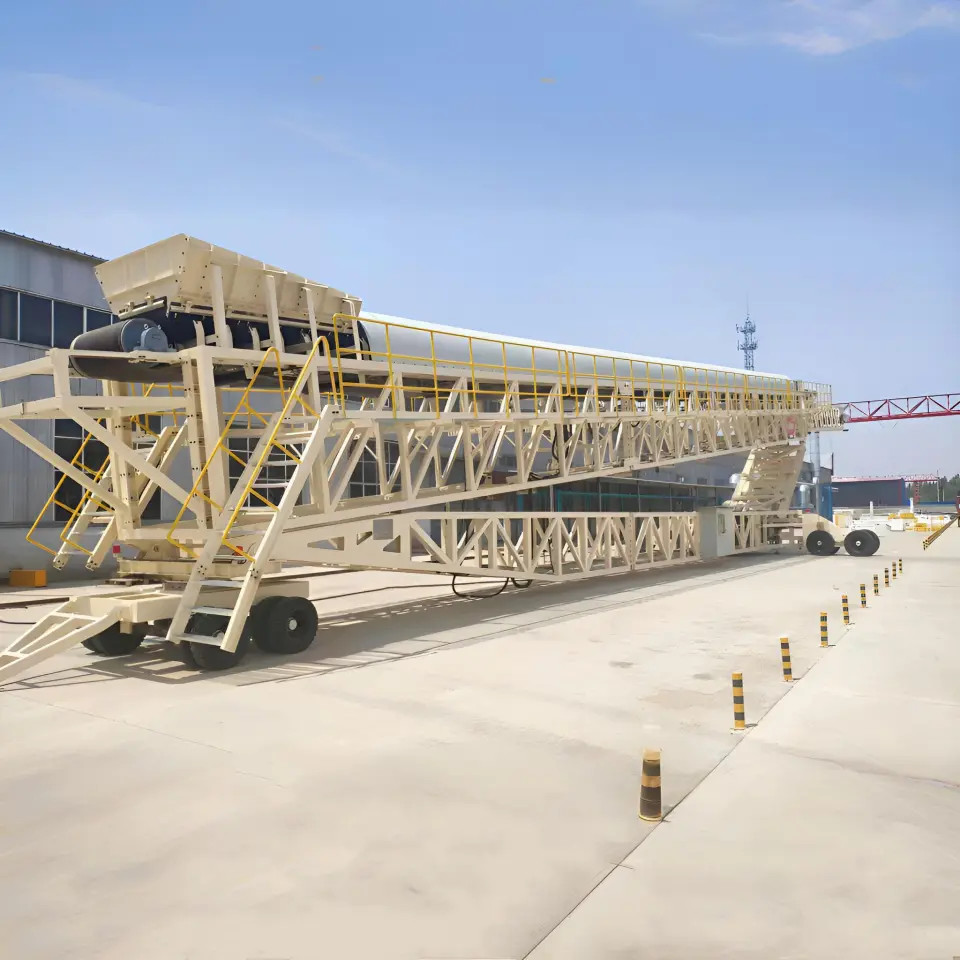 2026-09-23
The difference between a grasshopper conveyor and a portable conveyor lies in how each machine is designed to move, how far it can transfer material.
Read more
2026-09-21
The difference between a telescopic stacker and a radial stacker lies in how the discharge point moves across the stockpile.
Read more
2026-09-18
Fixed ship loaders make sense at high-volume dedicated berths: permanent foundations, rail travel, higher rated capacity and lower handling cost per tonne over ...
Read more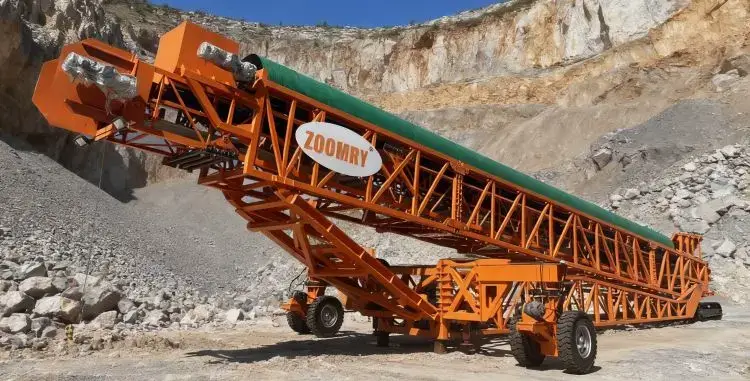 2026-09-17
Compare bucket wheel, scraper and portal reclaimers by reclaiming rate, stockyard layout and material. A guide to choosing the right reclaimer type.
Read more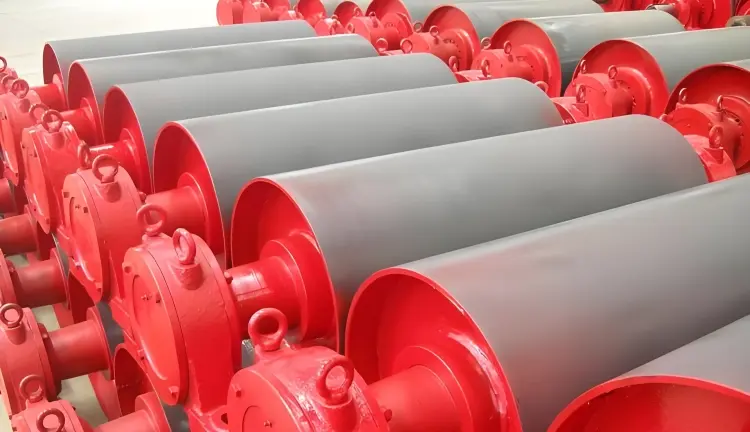 2026-09-16
The difference between a drive pulley and a bend pulley lies in their function within the belt conveyor system. The drive pulley powers the conveyor; the bend p...
Read more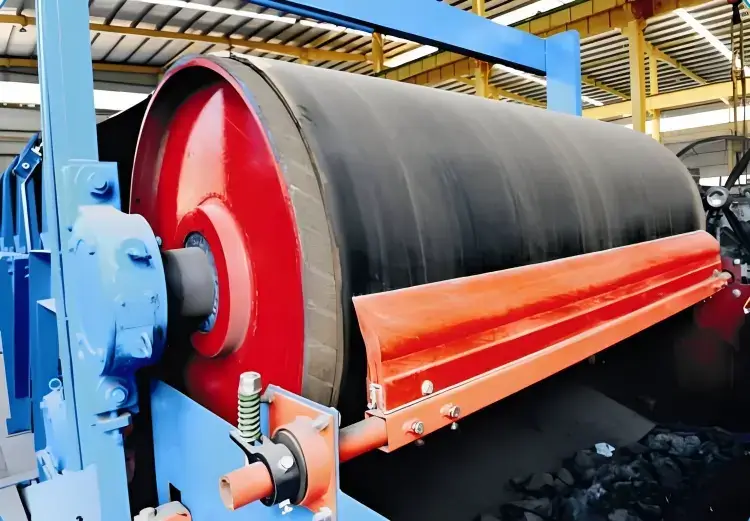 2026-09-15
The difference between a belt cleaner and a belt scraper is primarily one of scope and terminology. A belt scraper is the blade element within the cleaner syste...
Read more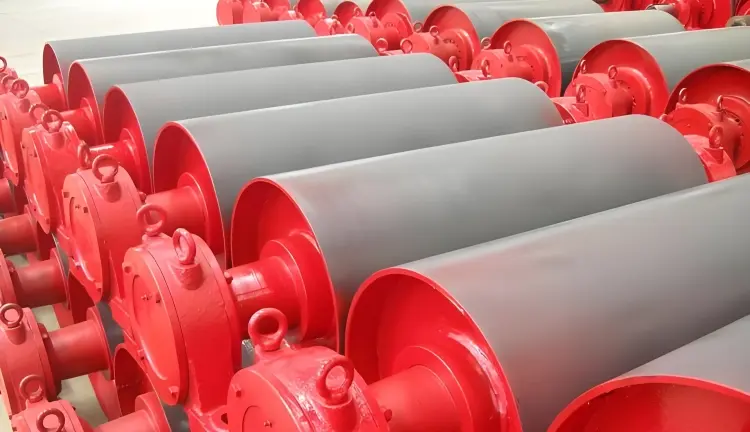 2026-09-14
The difference between a conveyor pulley and a conveyor roller lies in their function within the belt conveyor system. A roller supports the belt along its leng...
Read more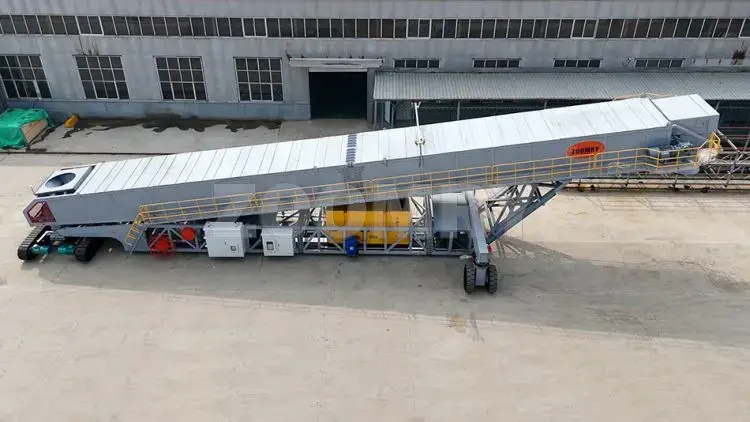 2026-09-11
When a fixed stacker conveyor beats a mobile stacker: permanent stockyard lines, high throughput, continuous feed and lower cost per tonne over a long service l...
Read more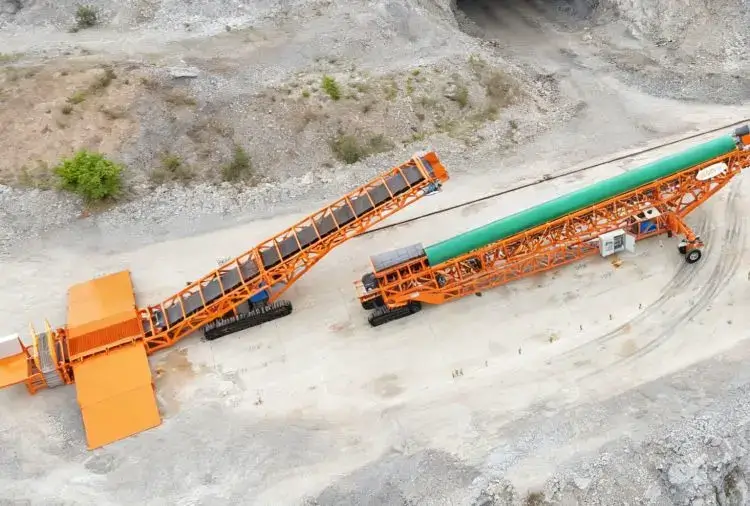 2026-09-10
The difference between a truck unloader and a drive-over conveyor lies in their primary function within a bulk material receiving system.
Read more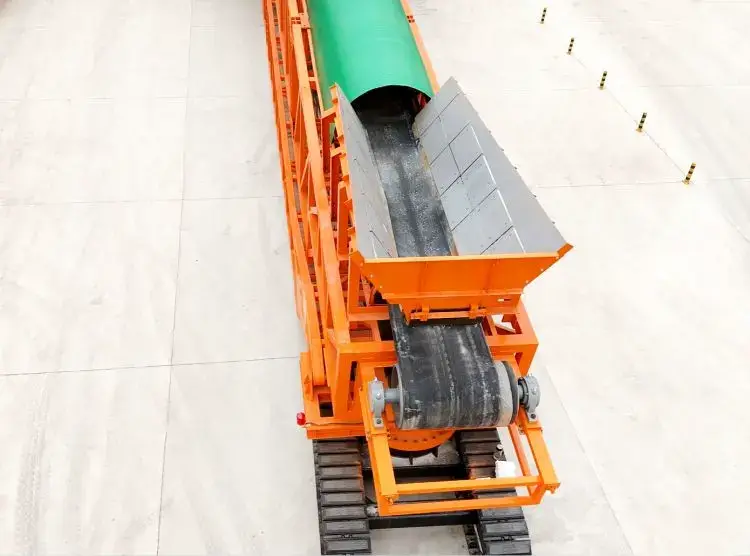 2026-09-09
The difference between a tracked stacker and a wheeled stacker lies in the undercarriage system that provides mobility. For longer moves, a low-loader transport...
Read more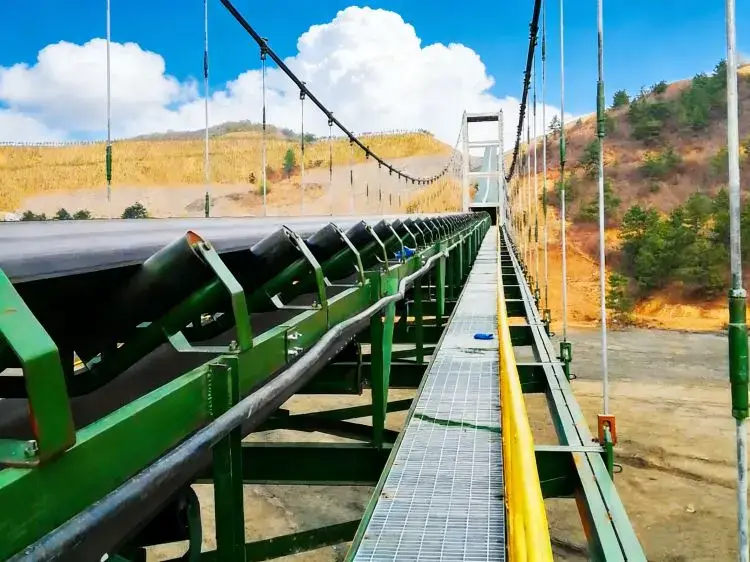 2026-09-08
The difference between a belt conveyor and a roller conveyor lies in how material is moved along the conveying path.
Read more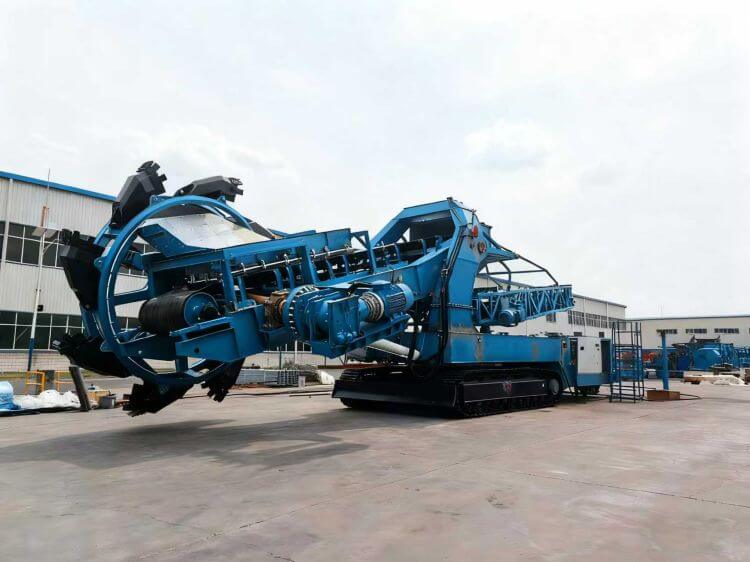 2026-09-07
The difference between a stacker reclaimer and a bucket wheel excavator lies in their primary working environment and function. Mining faces have uneven ground ...
Read more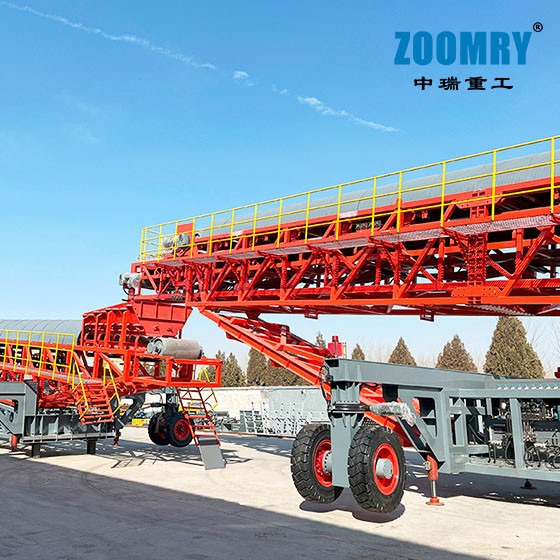 2026-09-04
The difference between a shiploader and a ship unloader lies in the direction of material flow between the shore and the vessel.
Read more 2026-09-03
The difference between a steel cord conveyor belt and a fabric conveyor belt lies in the carcass material that provides the belt's tensile strength.
Read more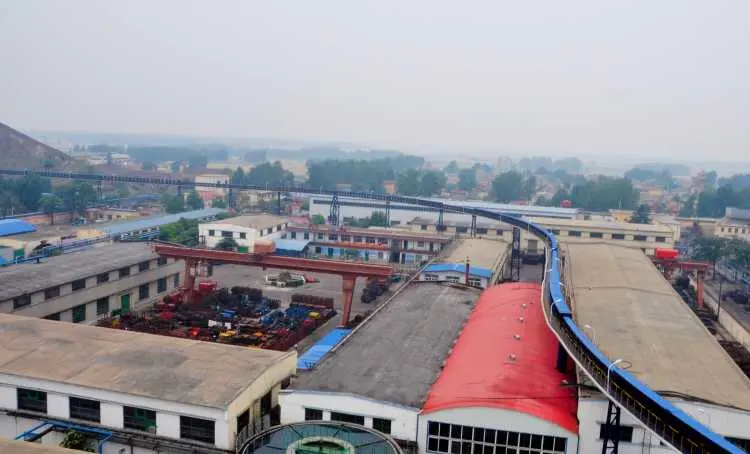 2026-09-02
The difference between a pipe conveyor and a tubular conveyor is primarily a difference in terminology rather than technology.
Read more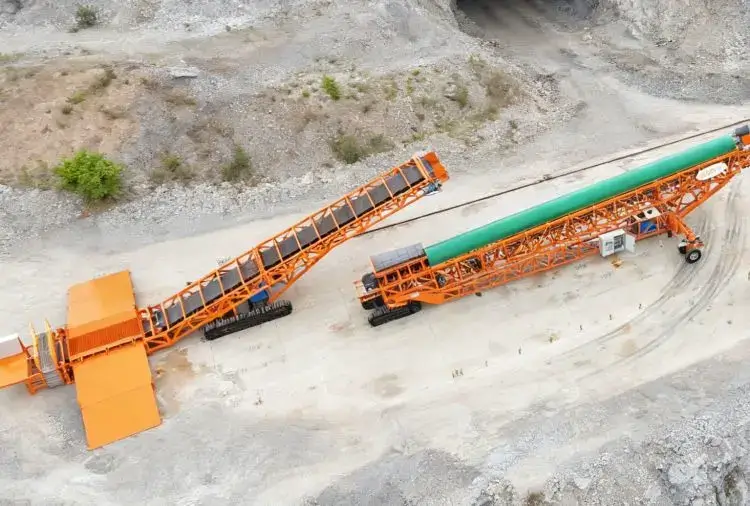 2026-09-01
The difference between a truck unloader and a hopper feeder lies in their primary function within a bulk material receiving system. Many port terminals use both...
Read more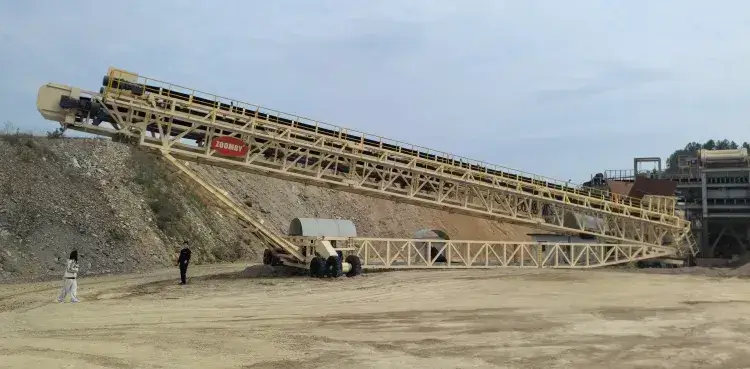 2026-08-31
The difference between a radial stacker and a fixed stacker lies in how the discharge point moves relative to the feed point.
Read more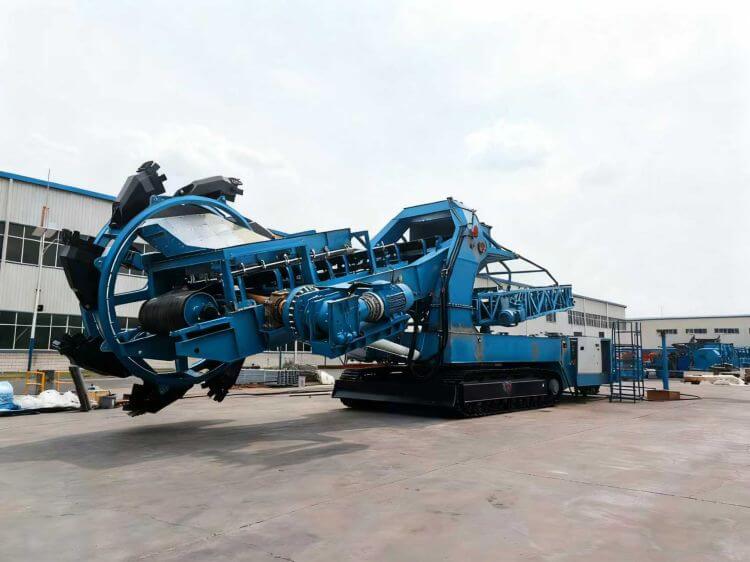 2026-08-28
The difference between a stacker and a reclaimer lies in the direction of material flow and the machine's primary function within a bulk material handling syste...
Read more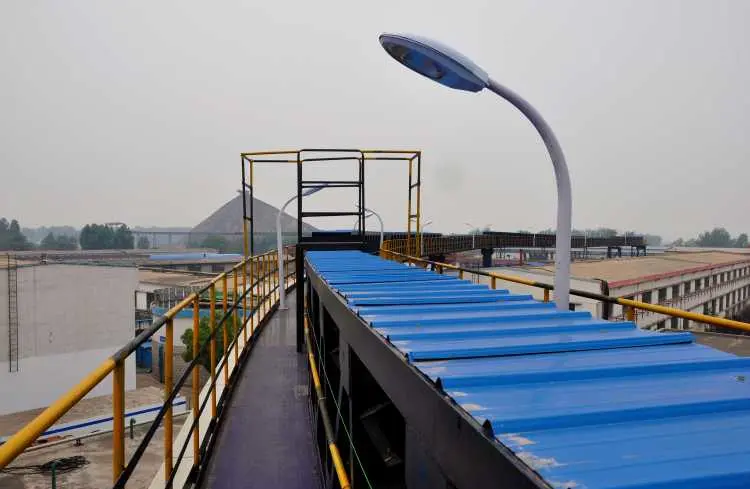 2026-08-27
The difference between a pipe conveyor and a trough conveyor lies in how the belt is formed and how material is contained during transport.
Read more 2026-08-26
A telescopic stacker is a mobile bulk material handling machine that receives material from a feed conveyor and discharges it onto a stockpile through an extend...
Read more