
Tel: 189-2061-6125    E-mail: Oversea@zoomry.cn
About  Contact  |

ZOOMRY

Engaged in conveyor system field more than two decades.

 Impact Beds

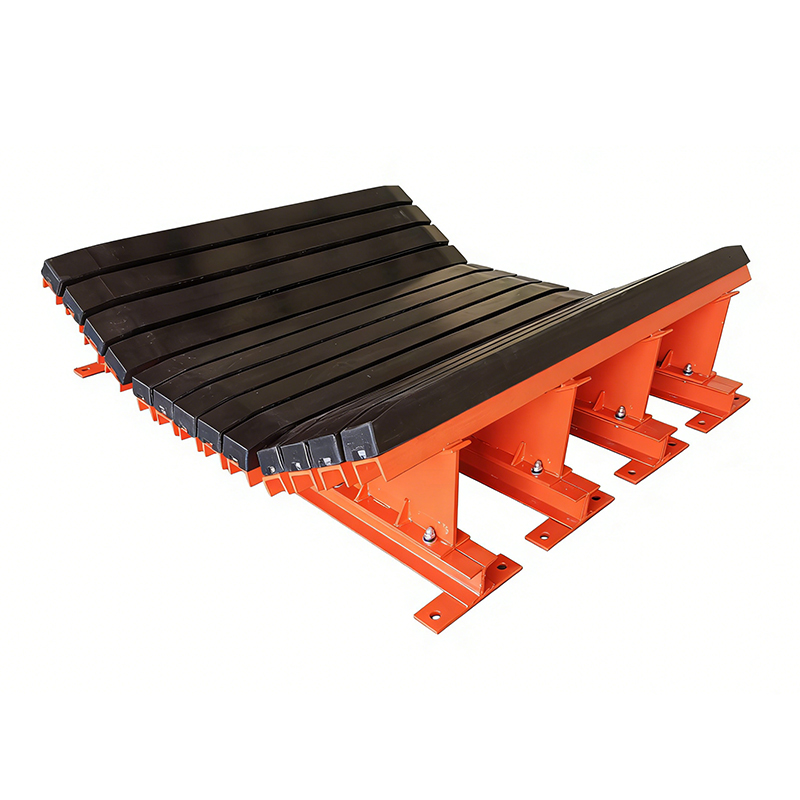
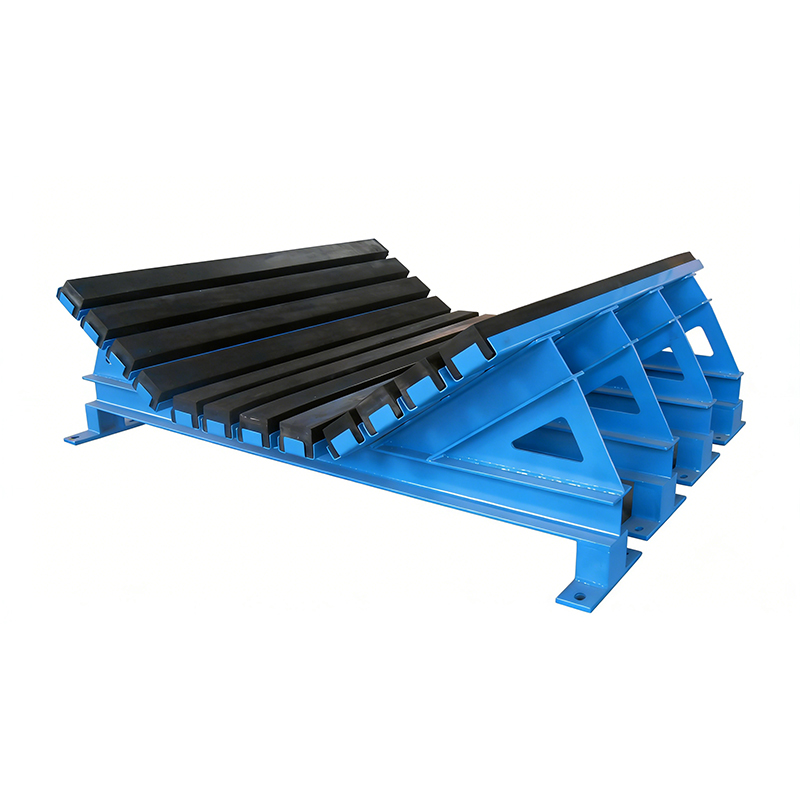
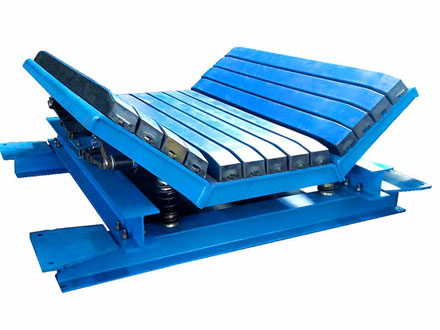
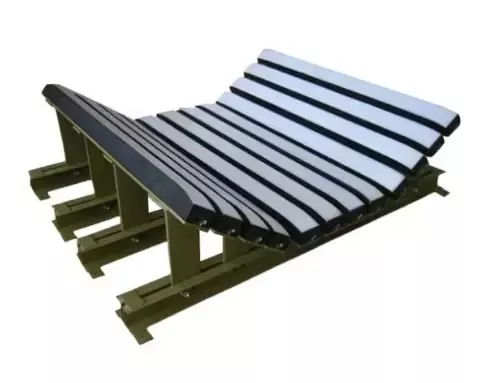
Conveyor Buffer Bed – Impact Absorption & Belt Protection for Loading Zones

Conveyor buffer beds are impact absorption devices installed in the loading zone of belt conveyors, typically at the bottom of the chute. They protect the conveyor belt and supporting structure from the high kinetic energy of falling bulk materials. Buffer beds offer a simple yet highly effective method to extend belt life, reduce spillage, and minimize maintenance downtime.

Why Use a Conveyor Buffer Bed?

Traditional impact idlers often fail under heavy, sharp, or high‑drop materials, leading to belt punctures, carcass damage, and premature wear. A buffer bed provides a continuous, flat support surface that evenly distributes the impact force, preventing belt sag between idlers and eliminating the risk of idler roll damage. Key benefits include:

  • Superior impact absorption – shock‑absorbing bars with rubber or polyurethane compounds cushion the belt from falling material.
  • Eliminates belt sag – continuous support prevents material entrapment and belt stretching.
  • Reduces belt punctures & tear – no gaps for sharp objects to wedge between idlers.
  • Minimizes spillage & dust – keeps the belt flat for better sealing at skirtboards.
  • Low maintenance – modular design allows quick replacement of worn bars without removing the belt.

Construction & Components

A typical conveyor buffer bed consists of the following elements:

  • Support frame – heavy‑duty steel structure, welded or bolted, designed to fit the conveyor channel or stringers.
  • Impact bars – made of high‑density polyurethane (or rubber) with a UHMWPE (ultra‑high molecular weight polyethylene) wear surface. The UHMWPE layer provides low friction and high abrasion resistance.
  • Adjustable trough angle – many models offer adjustable angles (e.g., 25°, 30°, 35°, 45°) to match the conveyor’s idler trough angle, ensuring a seamless transition.
  • Mounting brackets – facilitate quick installation onto existing conveyor frames without major modification.

How Does a Buffer Bed Work?

When material falls from the chute onto the belt, the buffer bed’s impact bars compress slightly to absorb kinetic energy. The UHMWPE wear surface allows the belt to slide smoothly without friction build‑up. The continuous support prevents the belt from deflecting downward, which would otherwise create a “valley” that traps material and accelerates wear. By keeping the belt flat, the buffer bed also improves skirtboard sealing, reducing dust and spillage.

Common Applications

  • Mining & quarrying – handling coal, iron ore, limestone, aggregates, and other abrasive materials with high drop heights.
  • Port & terminal ship loading – protecting belts under large‑volume shiploaders and unloaders.
  • Power plants – coal handling systems where large lumps impact the belt at transfer points.
  • Steel mills & cement plants – handling coke, sinter, clinker, and raw materials.
  • Recycling & waste processing – absorbing impacts from bulky or heavy waste streams.

Selection Considerations

To choose the correct buffer bed for your conveyor, consider the following parameters:

  • Belt width – match the buffer bed length to the belt width (typically from 500mm to 2400mm).
  • Trough angle – the buffer bed should match the existing idler angle (e.g., 20°, 30°, 35°, 45°) for proper belt support.
  • Drop height & material weight – higher drops and heavier materials require more impact‑absorbing capacity (thicker rubber/polyurethane).
  • Material temperature – special heat‑resistant compounds are available for hot materials (e.g., sinter, clinker).
  • Environmental conditions – for wet or corrosive environments, choose stainless steel frames and corrosion‑resistant wear liners.

Installation & Maintenance Tips

  • Ensure the buffer bed is positioned directly under the chute outlet, centered to the belt.
  • Adjust the height so that the top of the impact bars sits approximately 5‑10mm below the adjacent idlers (prevents belt drag).
  • Regularly inspect UHMWPE wear surface; replace bars when the wear layer is reduced to 1/3 of original thickness or if grooves appear.
  • Keep the area around the buffer bed free of material build‑up to maintain proper belt contact.

Why Choose ZOOMRY Buffer Beds?

ZOOMRY buffer beds are engineered with high‑quality polyurethane impact pads, reinforced steel frames, and precise trough angle adjustability. We offer custom lengths and configurations to match any conveyor width and loading condition. Our products help you reduce belt damage, extend component life, and lower total cost of ownership.

Need a durable buffer bed for your conveyor’s loading zone? Contact ZOOMRY experts today for a tailored solution and free quote.