 ZOOMRY

During the operation of a Pipe conveyor, proper installation and preventive measures are essential to avoid failures and control safety hazards. As a professional bulk material handling solution provider, ZOOMRY engineers complete pipe conveyor systems for mining, cement, and power applications worldwide. This guide covers five critical installation and operational points to ensure reliable, long-term pipe conveyor performance.
1. Power Distribution Room Safety
The power distribution room at each transfer station must be fully secured against power trips and electrical faults. In practice, avoid heavy-duty starts and stops that can cause drive pulley rubber lagging failure and pipe Conveyor Belt damage. Implementing soft-start conveyor drive systems with VFD control reduces mechanical stress, extends belt service life, and improves overall system performance parameters.
2. PLC Communication Reliability
Stable PLC communication in the transfer station power distribution room is critical. Any interruption to PLC communication can directly affect the normal operation of all mechanical equipment along the conveyor line. Implement redundant communication pathways, shielded cabling with proper grounding (≥30 cm separation from power cables), and regular signal integrity testing. This ensures the entire belt conveyor network operates without communication-related downtime.
3. Antifreeze Measures for Cold Climates
In severe cold regions, an antifreeze system must be properly installed to prevent the conveyor belt from becoming stiff and unable to form the required tubular shape. Low temperatures can cause rubber belts to lose flexibility, preventing proper pipe formation through the hexagonal idler sets. Solutions include heated idler stations, low-temperature rubber compounds for the pipe conveyor belt, and enclosed gallery covers. For extreme cold operations similar to ZOOMRY's Russia stacker project, specialized low-temperature steel and lubrication systems are specified.
4. Fire Pump and Emergency Access
The overall performance of the fire pump system must be fully guaranteed. Maintenance roads along the conveyor route must remain unobstructed to ensure fire trucks can access any point under emergency conditions. For underground or enclosed pipe conveyor galleries, install fire detection systems and belt arrestors as additional safety measures. In coal handling applications, NFPA 850 and ATEX compliance are mandatory.
5. Lighting for Night Patrol
Safety and reliability of lighting fixtures along the pipe conveyor line must be ensured for orderly night patrols. Adequate illumination along the entire conveyor route allows operators to visually inspect belt forming, idler rotation, and splice condition during night shifts. LED fixtures with IP65+ ratings are recommended for outdoor and dusty environments. Motion-sensor lighting can reduce energy consumption during periods without patrol activity.
Related Equipment
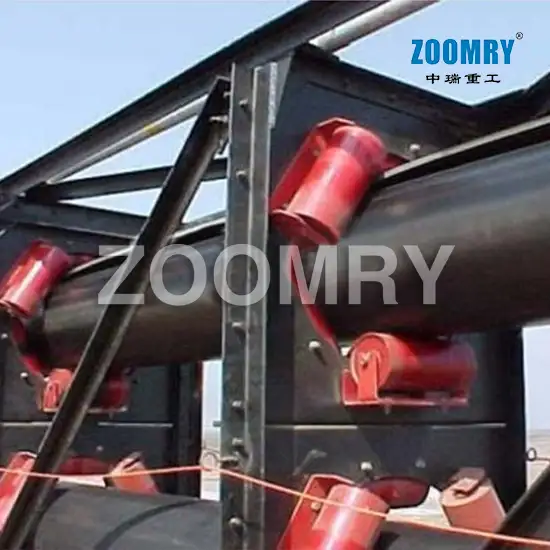
Enclosed tubular conveyor — dust-free transport with inclines up to 30° and tight 3D curves.
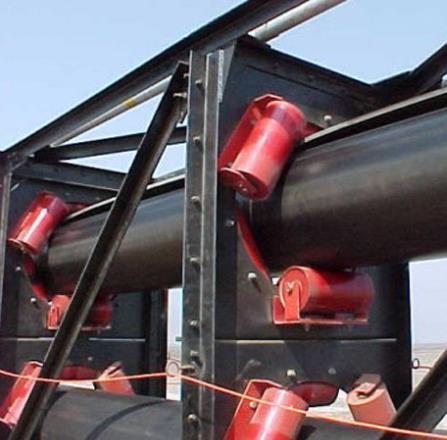
Steel cord and fabric carcass options — forms sealed tube through hexagonal idler groups.

Integrated drive systems with VFD soft-start — protects belt and pulleys during startup.
Industry Solutions

Pipe conveyors for dust-free coal transport — NFPA 850 and ATEX compliant installations.

Enclosed pipe conveyor installations for alkaline dust containment in trona processing.
Need Pipe Conveyor Installation Support?
Contact ZOOMRY for pipe conveyor system design, installation guidance, and technical support for your specific application and site conditions.
Contact Us →