 ZOOMRY

Pipe conveyor design with multi-point discharge structure is an innovative solution for decentralized material unloading in complex production environments. By setting up multiple discharge points, materials can be unloaded at different stations or areas — improving conveyor system flexibility and efficiency. As a professional bulk material handling solution provider, ZOOMRY engineers complete pipe conveyor systems for mining, cement, and coal industries. This guide covers the key design considerations for multi-point pipe conveyor systems.
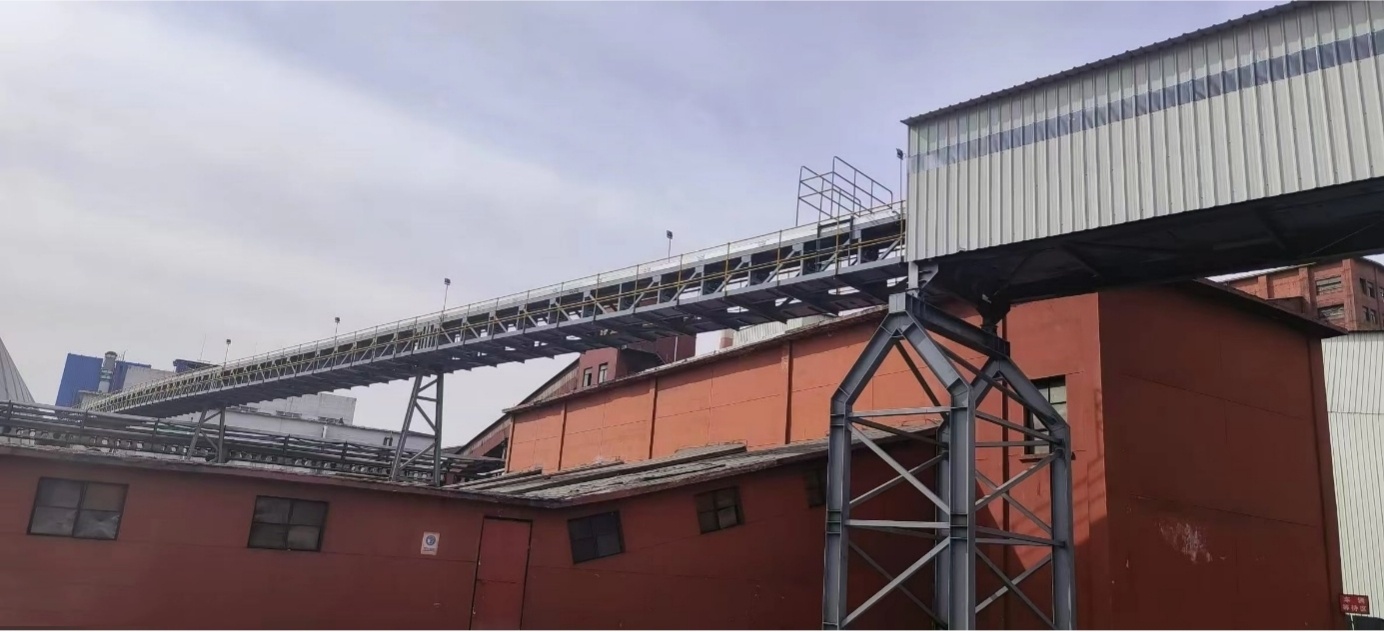
Multi-Point Unloading — Close Proximity Design
When two unloading points are close together and on the same straight line, the following design methods are used:
1. Belt Unfolding Structure
Unfold the pipe Conveyor Belt as early as possible before the first unloading point. Add a pair of unfolding pressure rollers in the transition section to the groove arrangement to prevent belt edges from curling — ensuring materials discharge smoothly without curling interference. The tubular conveyor belt must transition from its circular shape to a flat trough before reaching the discharge chute.
2. Roller Configuration
Adopt standard 35-degree groove angle rollers for good support, or use special adjustable transition rollers designed for pipe belt machines. Adjust rollers according to specific conditions to maintain belt stability during unloading. Conveyor idlers must be precisely positioned through the transition zone.
3. Convex Arc Processing
If there is a convex arc at the head of the pipe belt machine, arrange the transition section at the front end of the convex arc. Ensure the convex arc section maintains a groove-shaped structure — reducing the required bending radius to avoid excessive belt bending that affects normal conveying and material unloading.
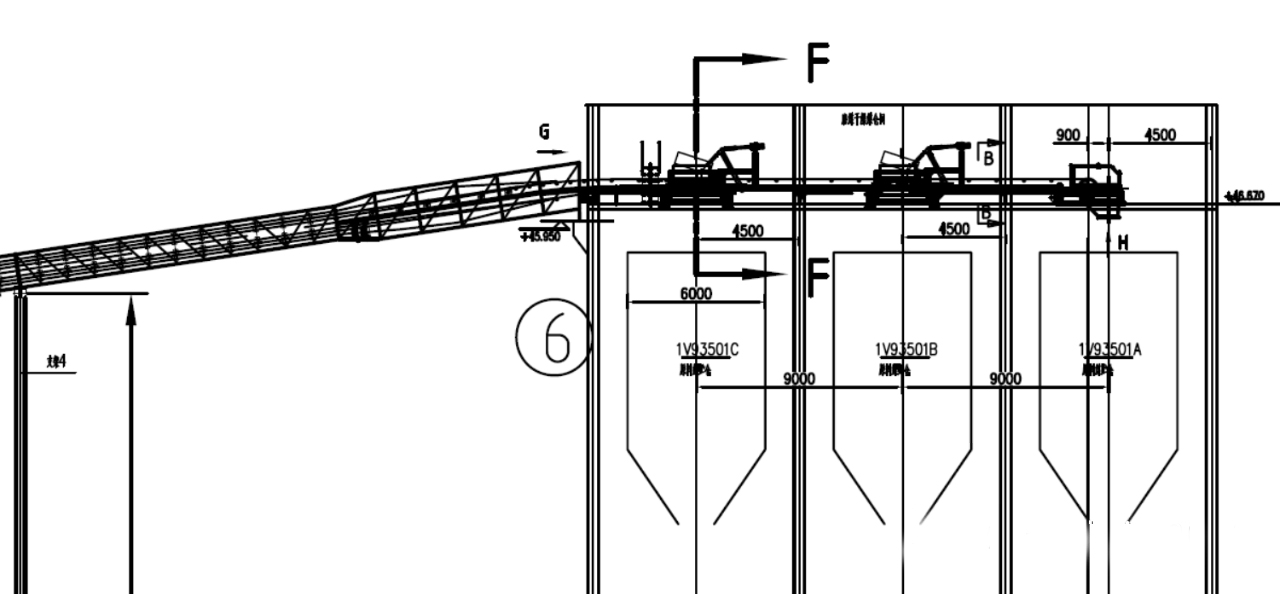
Multi-Point Unloading — Long Distance Design
When two unloading points are far apart (more than 3 times the transition section length) with a horizontal turning point between them, three design approaches are available:
1. Plow Unloader Discharge
Reopen the belt at the middle unloading point and unload through a plow unloader. This method requires additional spreading pressure rollers before and after the unloading point to prevent belt curling. It ensures smooth material discharge even over long distances — suitable for conveying less abrasive materials such as coal and powders. A Belt Cleaner at the plow point removes residual material.
2. Fixed Unloading Tripper Discharge
Set two redirecting pulleys and a head hopper at the middle unloading point, elevating the carrying section of the pipe belt machine. This method suits any scenario — especially materials requiring high breakage rate protection. The inclination angle of the carrying section branches should approach the material's maximum permissible conveying angle to reduce space requirements and investment costs. The belt reopens at the discharge point, wraps around two redirecting pulleys, then reforms into a pipe (or remains flat depending on design).
3. Segmented Belt Discharge
Divide the entire conveyor line into several belts according to the number of unloading points. This approach suits situations where the head discharge requires mobile unloading capability within a certain length, or where intermediate unloading points coincide with horizontal turning points. By adding transfer stations at turning points, the conveying line splits into multiple belts for flexible multi-point unloading. This design is common in long distance belt conveyors with intermediate stockpile requirements.
Sealing Design for Unloading Points
The environmental protection characteristics of pipe belt machines are primarily realized in the pipe-forming section — but the unfolding section at multi-point discharge locations requires special sealing consideration:
1. Plow Unloader Sealing
Construct a closed pass-through corridor per conventional treatment standards. Add dust removal facilities at the discharge point to prevent dust dispersion and protect the surrounding environment.
2. Tripper and Transfer Station Sealing
For fixed tripper unloading and segmented transfer station designs: completely enclose the transfer station and the transition section. Add dust removal facilities at each discharge point. This effectively prevents material scattering and dust diffusion, ensuring a clean operating environment.
3. Sealing Implementation
Adjust sealing measures based on specific site conditions. Install enclosed corridors and dust containment covers near unloading points to prevent dust generation. Select appropriate sealing materials and equipment based on material characteristics — fine powders like cement require tighter sealing than granular materials. The goal is to maintain the pipe conveyor's inherent environmental advantages even at discharge points.
Related Equipment
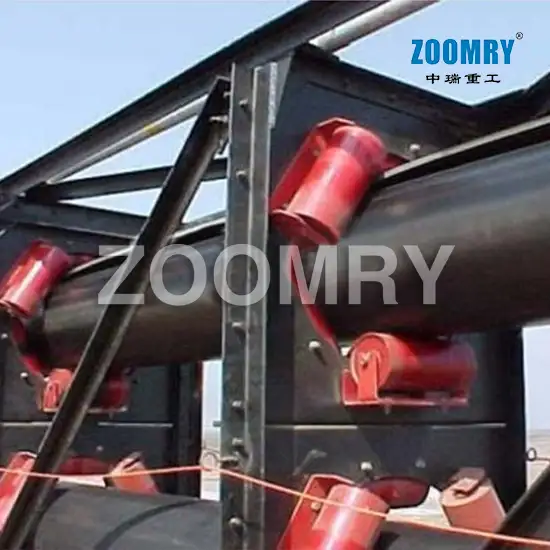
Enclosed tubular conveyor — dust-free transport with inclines up to 30° and tight 3D curves.
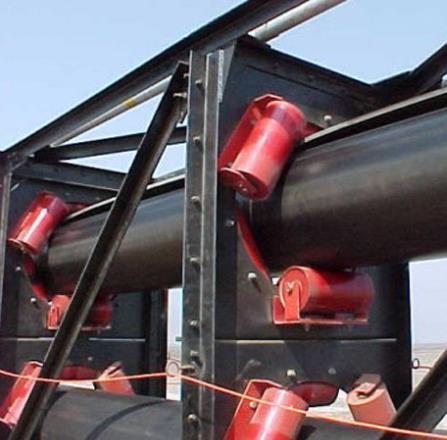
Steel cord and fabric carcass — forms sealed tube through hexagonal idler groups.

Enclosed covers for transition sections — prevents dust and protects from weather.
Need Pipe Conveyor Design Support?
Contact ZOOMRY for pipe conveyor system design, multi-point discharge configuration, and sealing recommendations tailored to your material and site conditions.
Contact Us →