 ZOOMRY

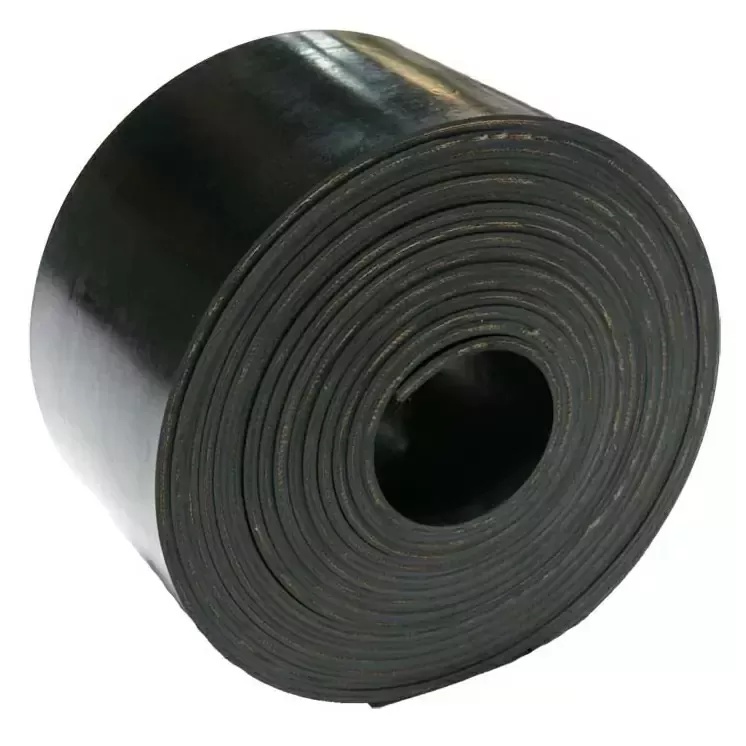
Conveyor Belt is the main load-carrying component of a belt conveyor system. It supports the conveyed material across the carrying run and transfers drive tension from the pulleys. Conveyor belts are widely used in steel, coal, alloy, chemical, building materials, grain, and port bulk handling. Compared with road or rail transport on suitable routes, belt conveying can offer safer continuous operation, lower labor demand, and reduced transport distance for many bulk material applications.
Why Conveyor Belt Maintenance Matters
The belt is typically the most expensive wearing component in a conveyor system. Poor storage, incorrect handling, and lack of running maintenance can shorten service life and lead to unexpected replacement. Most early belt failures are not caused by material abrasion alone — they come from avoidable storage mistakes, idler problems, misalignment, or material buildup.
Conveyor Belt Storage and Handling
Before installation, the belt must be stored and transported under controlled conditions to prevent premature aging or damage.
- Keep the belt clean and store it indoors in a cool, dry, weather-protected area away from direct sunlight, rain, snow, and ozone sources.
- Protect the belt from contact with acids, alkalis, oils, greases, organic solvents, and other chemicals that may affect the cover compound.
- Keep belt rolls away from heat sources and follow the manufacturer's stated storage limits for temperature and humidity.
- Store belt rolls upright on suitable supports, off the ground; do not store them flat on their side or fold the belt.
- For long-term storage, rotate supported belt rolls at manufacturer-recommended intervals, often approximately every 90 days, in the original winding direction.
- Keep belts away from ozone-generating equipment, including large transformers, high-voltage electrical equipment, and electric welding areas where practical.
When different belt types or specifications must be joined, they should not be directly mixed without confirmation from the belt supplier. Joints should be made using a suitable splicing method, such as hot vulcanization or an approved mechanical fastener system.
Daily Use and Running Maintenance
During operation, simple but consistent checks help prevent most common failure modes. Cleaning, inspection, and adjustment must only be performed after equipment isolation, lockout/tagout, and confirmation of zero energy state.
- Keep idlers free of material buildup. Covered idlers stop rotating and create high local belt wear.
- Prevent material leakage from becoming trapped between rollers and the belt cover.
- Inspect moving components and perform lubrication only where the equipment manufacturer specifies a serviceable lubrication point.
- Verify belt tracking regularly — prolonged edge contact with the structure causes edge damage.
- Inspect transfer points for material accumulation, which can damage covers and sealing edges.
For replacement and splicing guidance, see mechanical fasteners vs hot vulcanization and the step-by-step belt conveyor replacement guide.
Common Causes of Premature Belt Failure
When a belt fails early, the root cause is often one of the following:
- Incorrect storage before installation
- Misaligned idlers or pulleys
- Stuck rollers caused by carryback or spillage
- Material trapped at the loading point
- Incorrect splice method for the belt type
- Operating beyond the design tension or capacity
Routine inspection of conveyor rollers and pulleys, combined with proper belt cleaning, has a direct effect on belt life. Learn more in the conveyor belt selection and maintenance guide.
Proper storage, handling, and daily inspection are the foundation of long conveyor belt life. The belt is an expensive and critical component, but many failures can be avoided with simple operating discipline. For belt selection, replacement, or splicing recommendations, compare conveyor belt types and four common belt joint methods.
Related Products
Steel cord, fabric, chevron, and heat-resistant belts
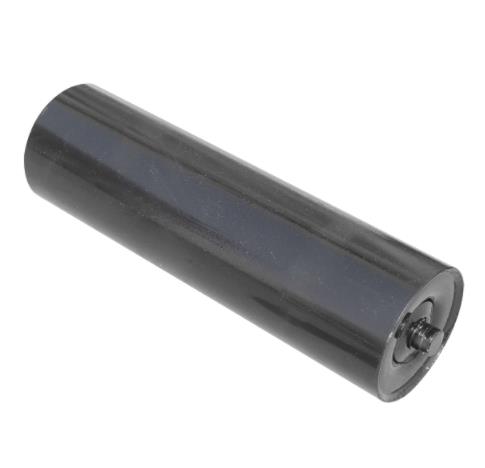
Steel, HDPE, and impact rollers for belt support
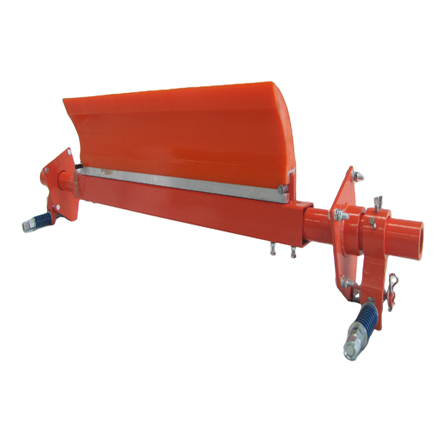
Primary, secondary, and V-return belt cleaning systems
Industry Applications
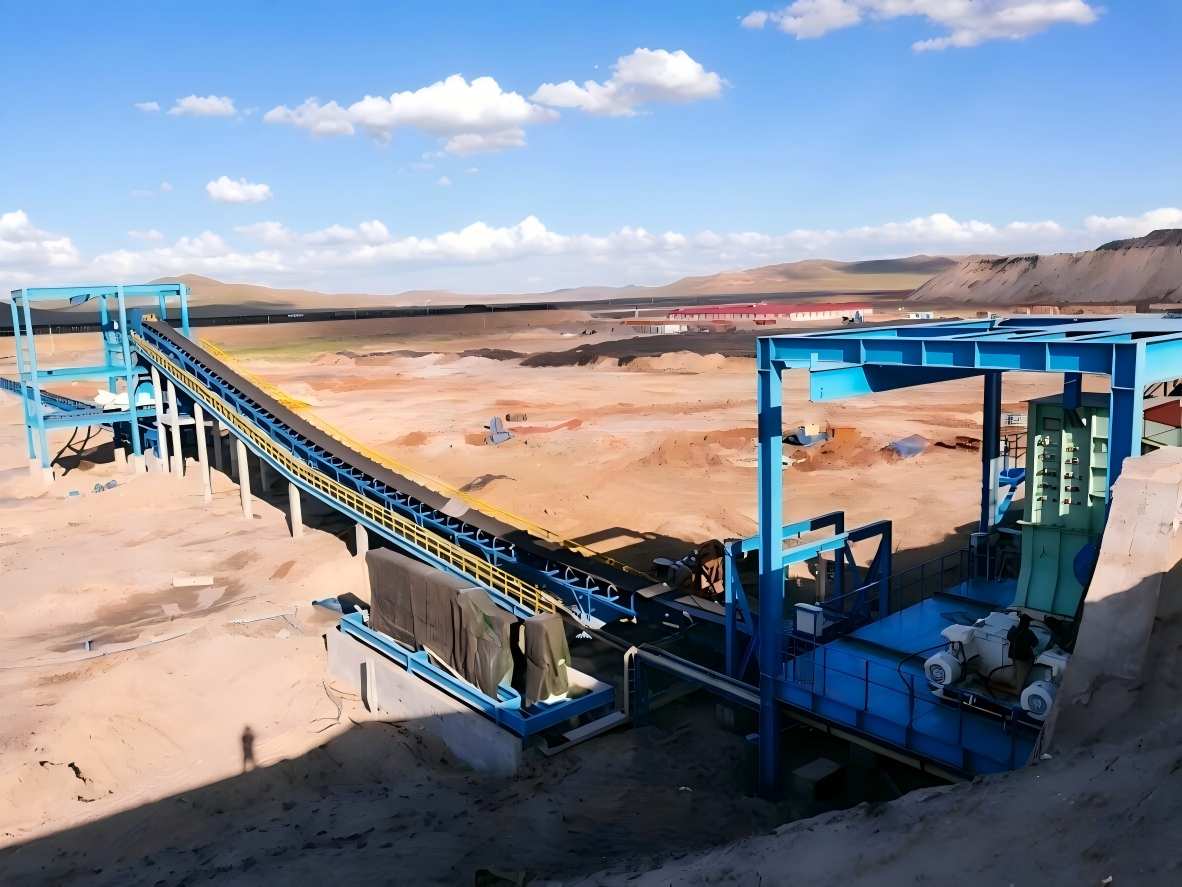
Heavy-duty conveyor belts for ore and mineral transport
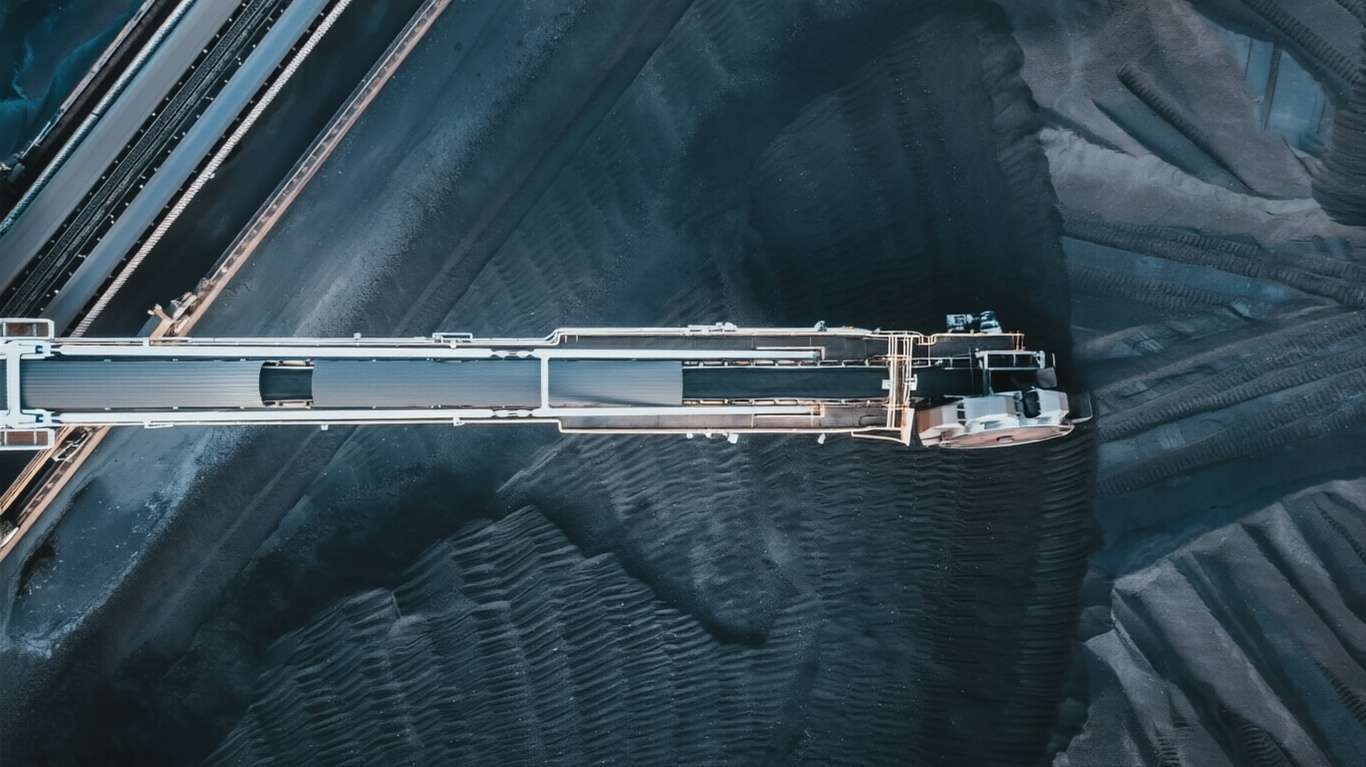
Flame-resistant belts for coal handling and preparation
Need Conveyor Belt Support for Your Operation?
Contact ZOOMRY for belt selection, splicing guidance, and maintenance recommendations tailored to your material and conveyor system.
Contact Us →