 ZOOMRY

belt conveyors are widely used across many industries — grain, foundry, chemical, and food processing. However, mining belt conveyors are specifically engineered for the demanding conditions of coal, iron ore, copper, gold, aluminum, and mineral production and transport. As a professional bulk material handling solution provider, ZOOMRY designs complete mining conveyor systems with heavy-duty construction. This guide compares the key differences between mining and ordinary belt conveyors.
Key Differences Between Mining and Ordinary Belt Conveyors
| # | Characteristic | Mining Belt Conveyor | Ordinary Belt Conveyor |
|---|---|---|---|
| 1 | Structure | Compact, stable foundation, lightweight yet robust frame designed for heavy ore impact | Standard industrial frame — suitable for lighter, less abrasive materials |
| 2 | Conveying Capacity & Speed | Strong capacity, long operating length, high speed — handles up to 17,000 m³/h on long distance systems | Moderate capacity and speed — typically under 500 m length |
| 3 | Terrain Adaptability | Handles uphill, downhill slopes, corners, and complex transport environments — curved belt conveyors navigate 180° turns | Limited to straight or slightly inclined paths |
| 4 | Incline & Height Limits | Specific requirements for maximum inclination angle, length, and lifting height — large inclination conveyors handle up to 90° | Standard incline limits — typically under 20° |
| 5 | Environmental Tolerance | Material temperature ≤60°C, operates at -20°C low temperature, withstands humid underground conditions. Multi-unit configurations for complex systems. Flame-retardant belts for underground safety. | Indoor or mild outdoor conditions — limited temperature and humidity range |
Why Mining Belt Conveyors Require Higher Quality Standards
There is no doubt that mining belt conveyors demand higher quality than ordinary conveyors. The combination of abrasive ores, heavy loads, extreme temperatures, humidity, and 24/7 operation requires:
- Higher belt strength: Steel cord belts with tensile strength up to 4,000 N/mm vs fabric belts for ordinary applications
- Heavy-duty components: Reinforced rollers and pulleys with 50,000+ hour service life vs standard components
- Advanced safety systems: Belt arrestors, fire-resistant belts, and ATEX-compliant drives for underground operations
- Modular redundancy: Multi-unit configurations allow continued operation during partial maintenance — critical for mines where downtime costs exceed $100,000 per hour
Related Equipment
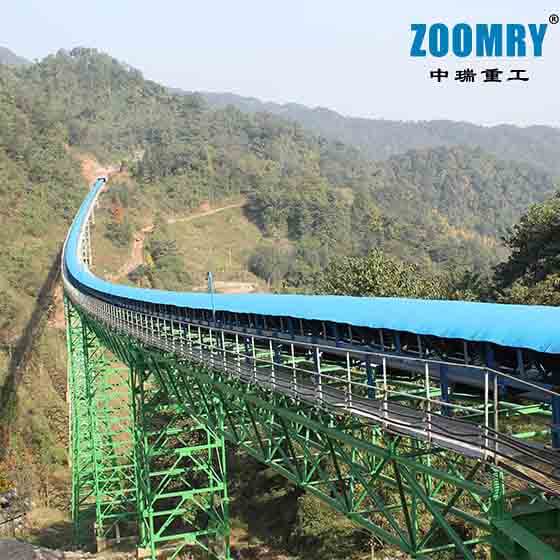
Mining overland conveyors up to 15 km — reduce truck haulage costs by 40%+.
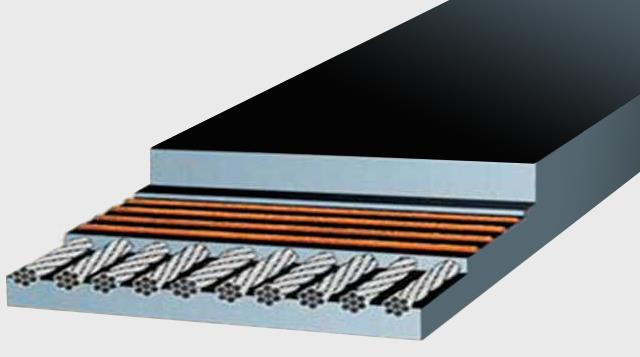
ST630–ST4000 high-tensile belts — essential for mining conveyor systems.
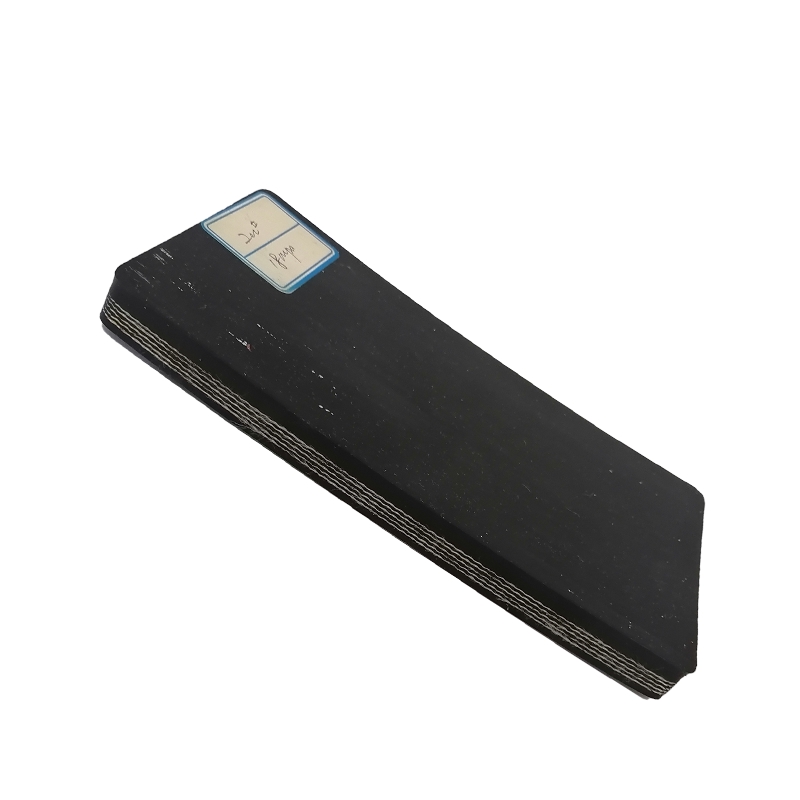
PVC/PVG flame-retardant belts — ISO 340 certified for underground coal mining.
Industry Solutions
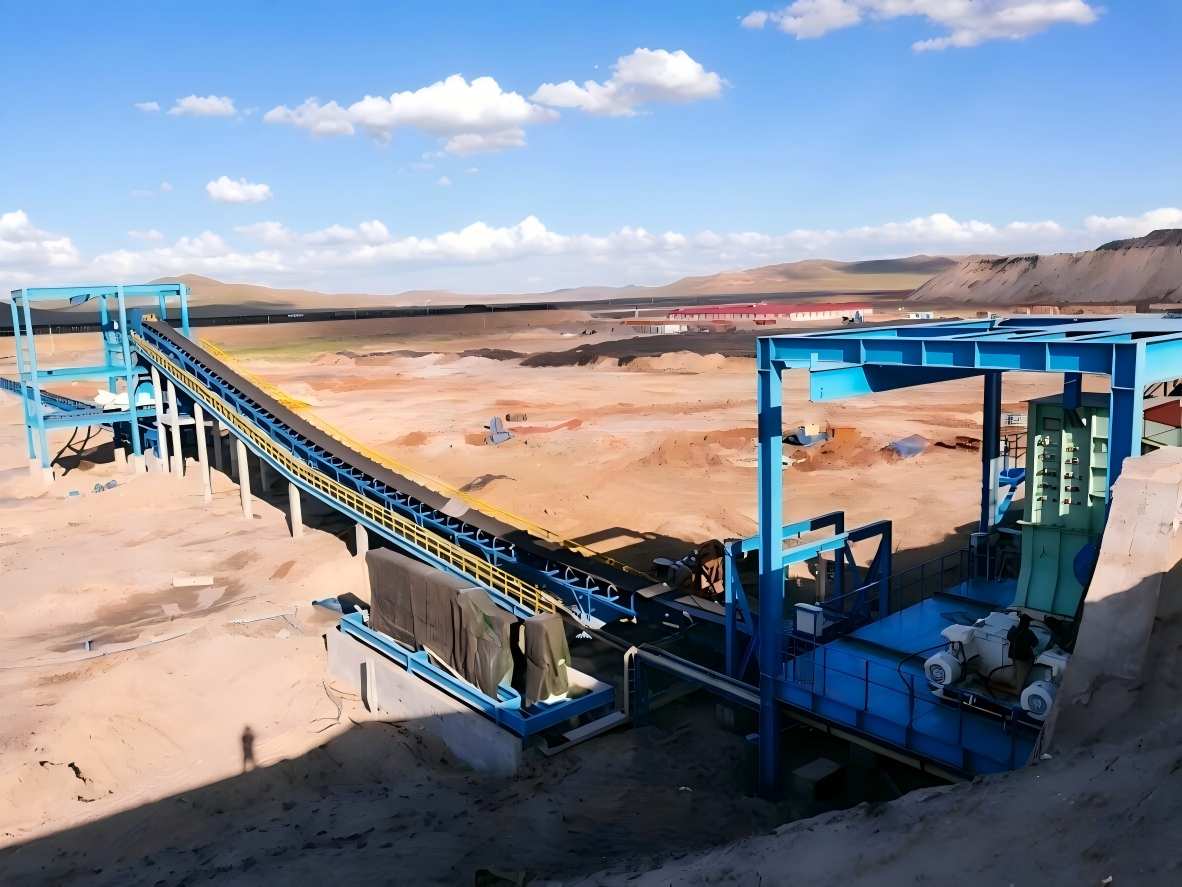
Heavy-duty mining conveyors for abrasive ores — surface and underground configurations.
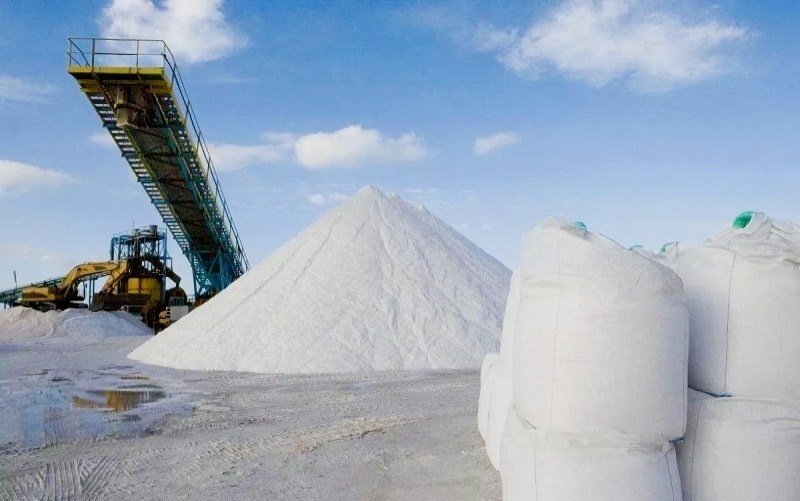
Specialized mining conveyors for alkaline trona — corrosion-resistant components throughout.
Need a Mining Belt Conveyor System?
Contact ZOOMRY for mining conveyor design, belt selection, and heavy-duty equipment recommendations tailored to your mine conditions.
Contact Us →