 ZOOMRY

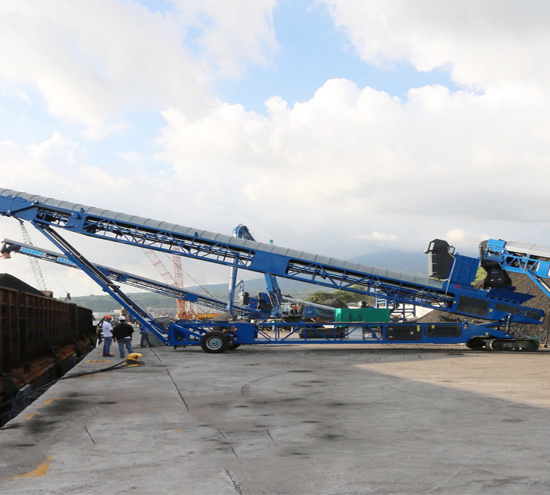
Mobile ship loading is a bulk material handling method that uses relocatable loading equipment to transfer cargo onto vessels at ports, terminals, and temporary quay sites. Compared with fixed loading infrastructure, mobile ship loaders can be deployed without permanent rail or foundation systems, making them a practical option for terminals that need flexible berth coverage or phased capacity development.
Key Benefits of Mobile Ship Loading
Flexibility and Versatility
Mobile ship loading systems can be repositioned between berths, terminals, or project sites. This flexibility supports operations that serve multiple vessel sizes, change cargo types, or require loading capability at locations where permanent infrastructure is not practical.
For ports with limited quay length or operators handling temporary export campaigns, mobile equipment provides loading capacity without the commitment of a fixed loading line.
Cost-Efficiency
Compared with building permanent loading infrastructure, a mobile ship loading system may require lower upfront civil investment. Site preparation is typically limited to quay surface condition, power supply, and truck access rather than rail foundations or fixed structures.
Long-term cost depends on utilization rate, maintenance, and the number of berths served. For terminals with irregular loading schedules, a mobile system shared across multiple berths can spread equipment cost over more operating hours.
Time-Saving and Vessel Turnaround
Mobile ship loaders are designed for rapid deployment and continuous loading operation. Once positioned and connected to the feed conveyor, loading can begin without the extended commissioning period associated with fixed systems.
Faster setup and loading helps reduce vessel waiting time, which is particularly relevant for charter rates and terminal scheduling where demurrage costs apply.
Loading Capacity
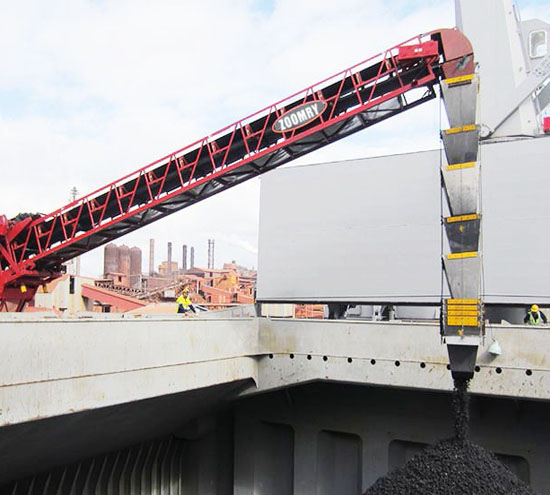
Mobile ship loaders can be configured for a wide range of bulk materials including coal, grain, ores, aggregates, and fertilizer. Equipment capacity is matched to the material density, feed conveyor arrangement, and vessel size.
For high-volume operations, mobile ship loading systems can be specified with capacities comparable to fixed loading lines, subject to quay layout, feed system, and vessel access conditions.
Environmental Control Options
Mobile ship loaders can be specified with dust suppression systems, enclosed transfer points, and telescopic discharge chutes to help control dust during loading. These features support compliance with port environmental requirements when configured for the specific cargo and site conditions.
Actual environmental performance depends on the selected equipment configuration, material characteristics, wind conditions, and operating procedures.
Safety Features
Mobile ship loaders can be equipped with safety systems including emergency stops, interlocking controls, and remote operation options. These features help reduce operator exposure and improve control during loading operations.
Equipment positioning is designed to optimize loading reach and reduce manual handling. Safety performance depends on proper installation, operator training, and adherence to site procedures.
Scalability
Mobile ship loading capacity can be adjusted by repositioning equipment between berths or adding units as throughput grows. This scalability supports phased terminal development without committing to fixed infrastructure that may become underutilized if volumes change.
Logistics and Supply Chain Flexibility
Mobile ship loaders can be deployed at different loading points, supporting more flexible logistics planning. For terminals serving inland waterway barges and coastal vessels, a single mobile unit can handle multiple loading locations and vessel types.
Mobile ship loading offers flexibility, cost structure advantages, and deployment speed for port and terminal bulk handling. Equipment selection should consider quay conditions, vessel sizes, material type, required loading rate, and environmental requirements. For project-specific recommendations, compare mobile ship loader configurations and tracked ship loaders for soft ground or unpaved quaysides.
Related Products
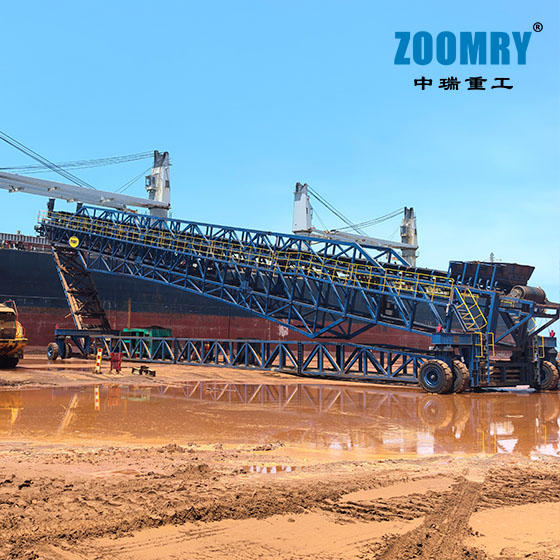
Relocatable bulk loading for ports and terminals
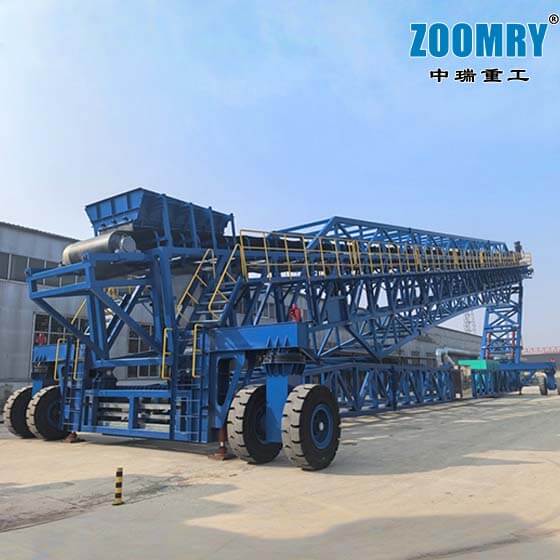
Crawler mobility for unpaved quaysides and soft ground
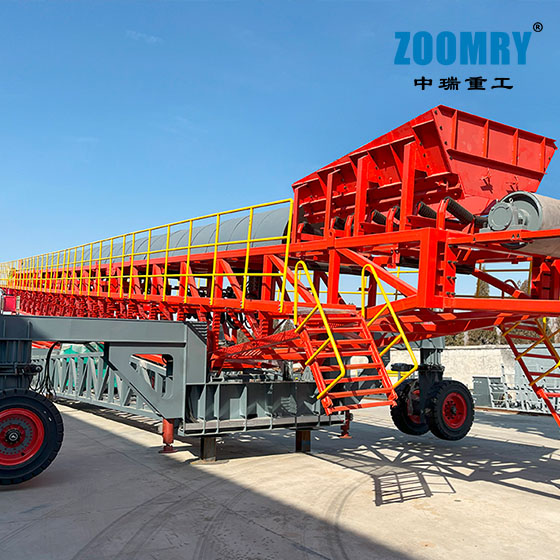
Purpose-built coal loading with dust suppression options
Industry Applications
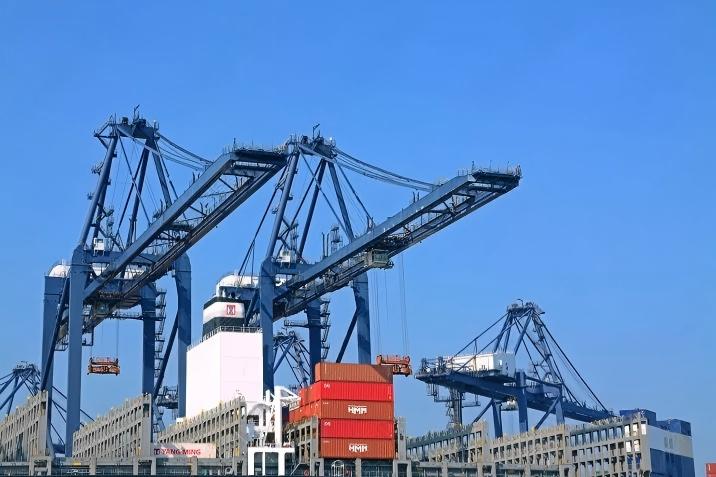
Flexible ship loading for terminal and quay operations
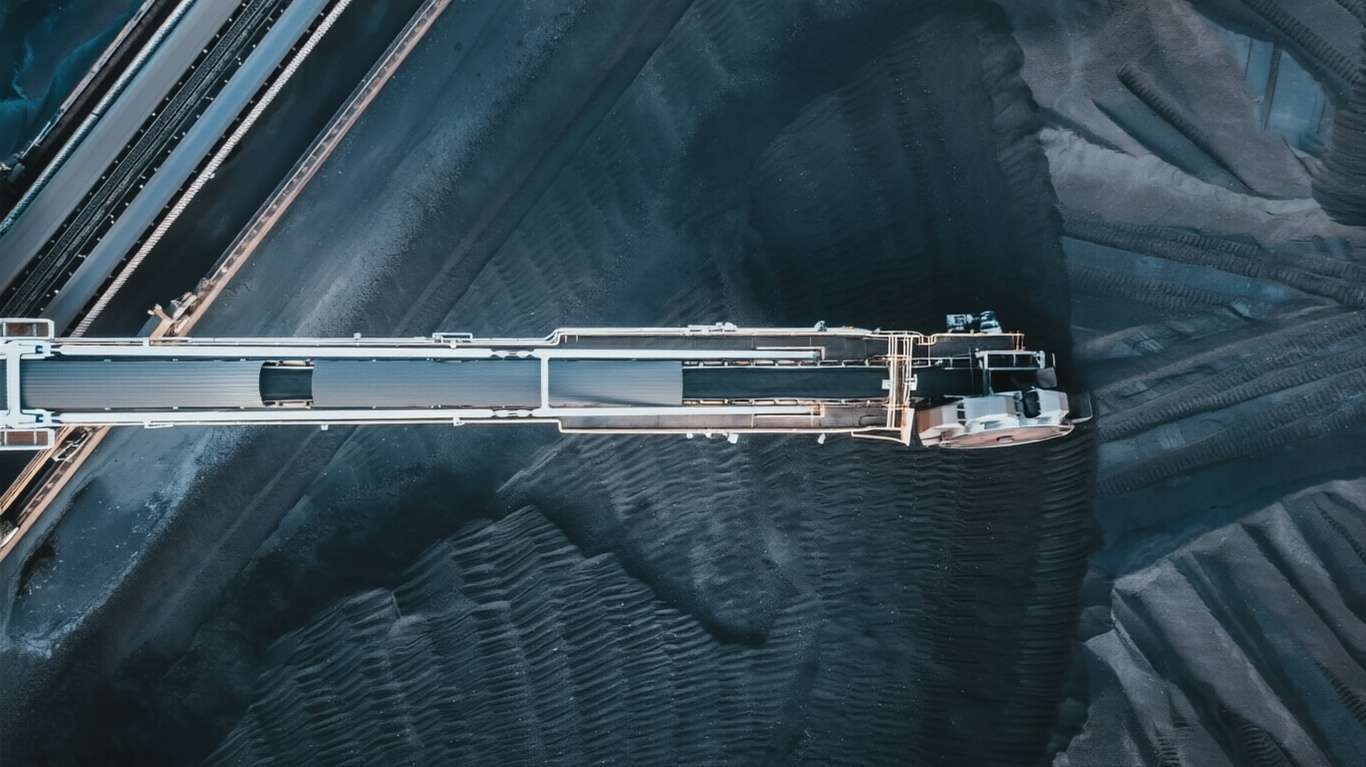
Mobile loading solutions for coal export terminals
Need a Mobile Ship Loading Solution?
Contact ZOOMRY for mobile ship loader recommendations based on your vessel sizes, cargo type, quay conditions, and required loading rate.
Contact Us →