 ZOOMRY

A Pipe conveyor uses a belt that is gradually formed from a flat loading profile into a closed tubular shape. The belt passes through hexagonal idler groups that shape and support the belt during the pipe-form conveying section, helping contain materials along the route. This article focuses on pipe conveyor applications — the industries, materials, and operating conditions where enclosed tubular conveying provides practical advantages. As a professional bulk material handling solution provider with over 20 years of experience, ZOOMRY designs and manufactures custom pipe conveyor systems for global industrial applications.
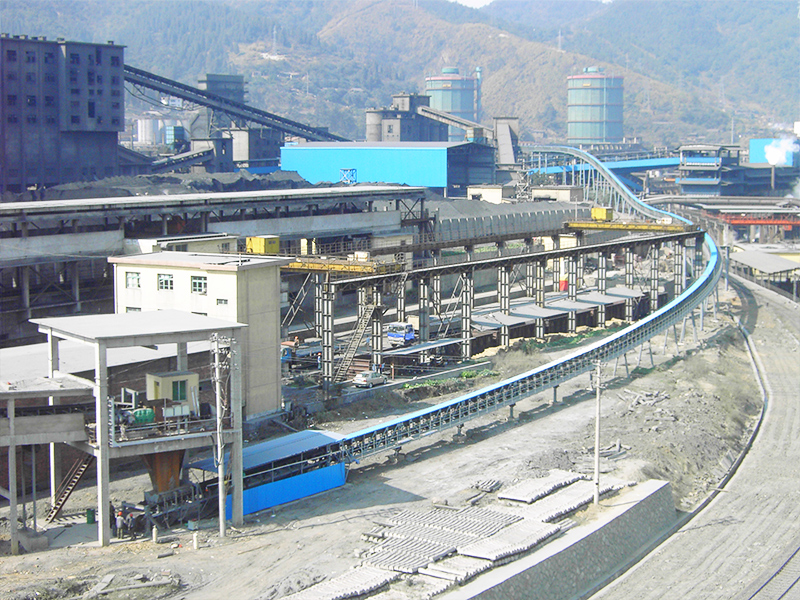
Pipe Conveyor Applications by Industry
Pipe conveyors serve industries where enclosed transport, dust reduction, material protection, or route flexibility are important project requirements:
| Industry | Typical Materials |
|---|---|
| Metallurgical Industry | Sinter, coke, iron ore concentrate, flux materials |
| Cement Industry | Raw meal, clinker, finished cement, fly ash |
| Fertilizer Industry | Urea, DAP, MAP, NPK, potash |
| Paper and Pulp Industry | Wood chips, pulp, biomass, recovery boiler ash |
| Mining | Ore, coal, minerals, tailings |
The same industry may require different pipe conveyor configurations depending on material density, moisture, particle size, abrasiveness, required capacity, route curvature, elevation change, environmental controls, and maintenance access. A feasibility review should therefore evaluate the full conveying route rather than the material alone.
Key Features Supporting Pipe Conveyor Applications
| # | Feature | Description |
|---|---|---|
| 1 | Direct routing capability | Navigates obstacles, roads, and buildings with horizontal and vertical curves, reducing the need for intermediate transfer points. |
| 2 | Enclosed conveying | The tubular belt arrangement can significantly reduce dust release, spillage, and material exposure along the conveying route. Final environmental performance depends on loading, transfer, discharge, sealing, and maintenance design. |
| 3 | Material protection | Shields material from atmospheric exposure during the pipe-form section — reducing moisture absorption, wind loss, and contamination risk where applicable. |
| 4 | Inclined and curved routes | Pipe conveyors can be designed for steeper inclined routes than many open troughed conveyors. Achievable inclination depends on material properties, belt construction, filling ratio, belt speed, and project-specific design conditions. |
| 5 | Dual material conveying | In selected configurations, a second material can be conveyed on the return side pipe, potentially saving operating and capital costs. Suitability depends on belt design, material compatibility, and loading/discharge arrangement. |
| 6 | Compact footprint | The enclosed pipe-form design can reduce structural width and transfer tower requirements compared with conventional troughed conveyors in space-constrained routes. |
| 7 | Tight horizontal curves | Modern pipe Conveyor Belt technology enables compact routing with significant horizontal curve capability. Actual curve radii must be coordinated with belt stiffness, idler spacing, belt tension, and pipe diameter. |
Related Equipment
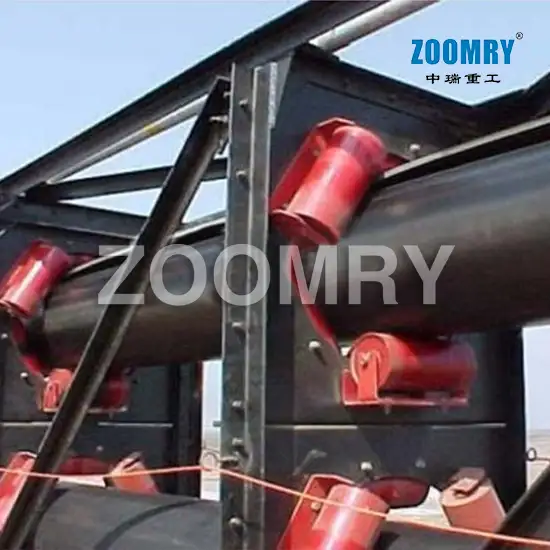
Enclosed tubular conveying for reduced dust exposure, complex curves, and selected inclined routes
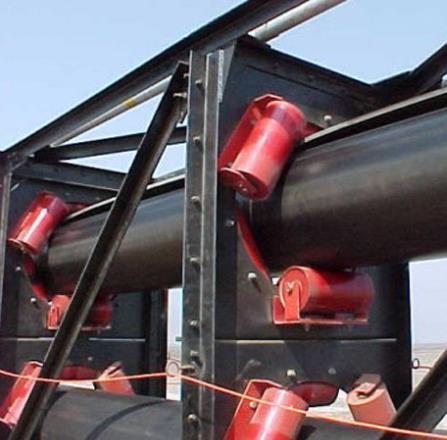
Steel cord and fabric carcass — forms closed tubular belt through hexagonal idler groups
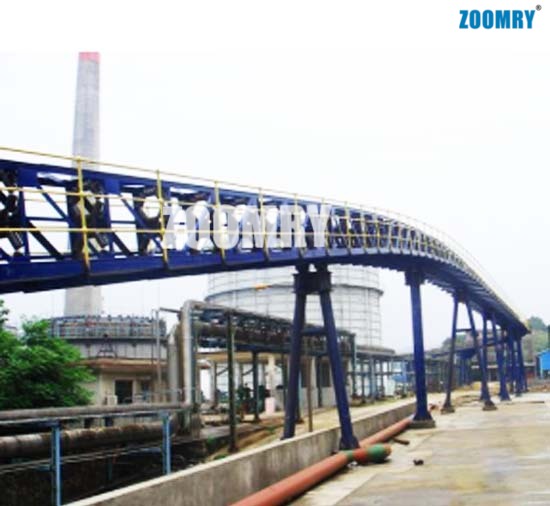
Enclosed tubular belt conveying solution for complex routes, dust-sensitive materials, and protected bulk transport
Industry Solutions
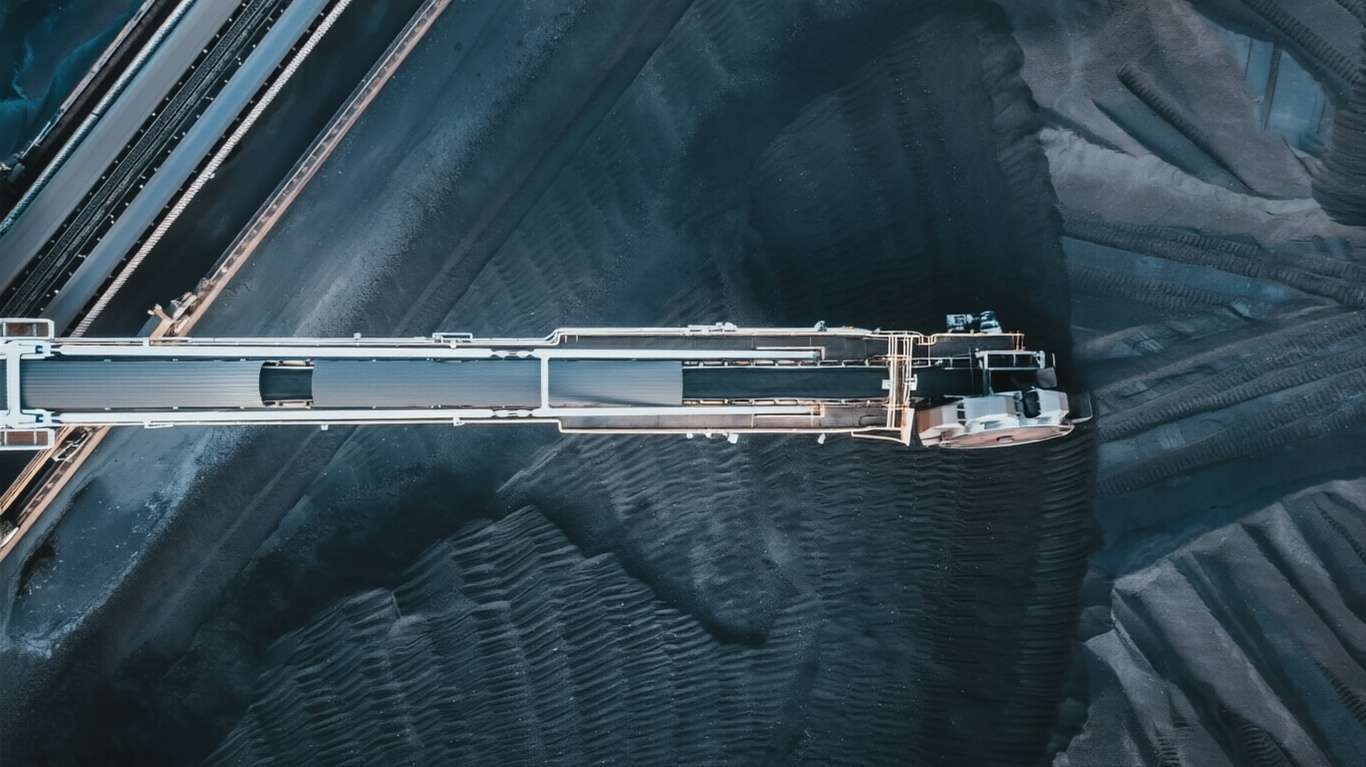
Enclosed pipe conveyors for dust-controlled coal transport
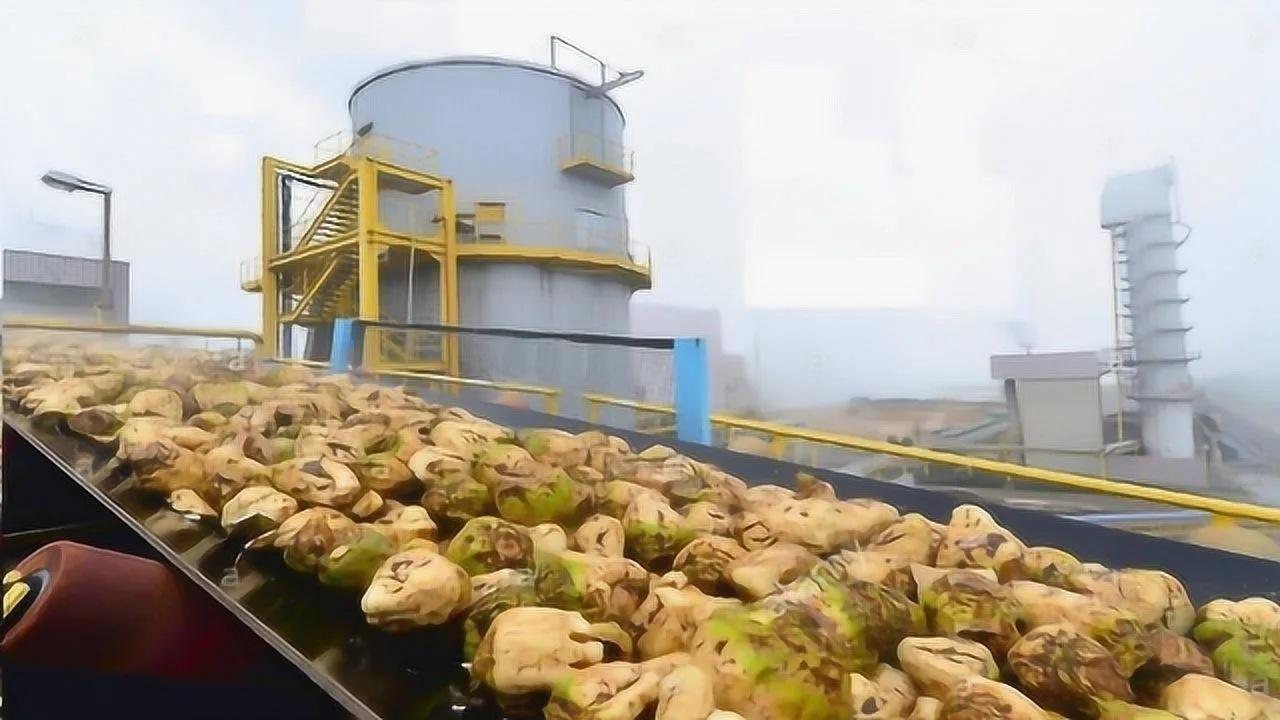
Hygienic pipe conveyors for sugar transport — contamination and moisture protection
Need a Custom Pipe Conveyor Solution?
Contact ZOOMRY for pipe conveyor design, belt selection, and system engineering tailored to your material and site requirements.
Contact Us →