 ZOOMRY

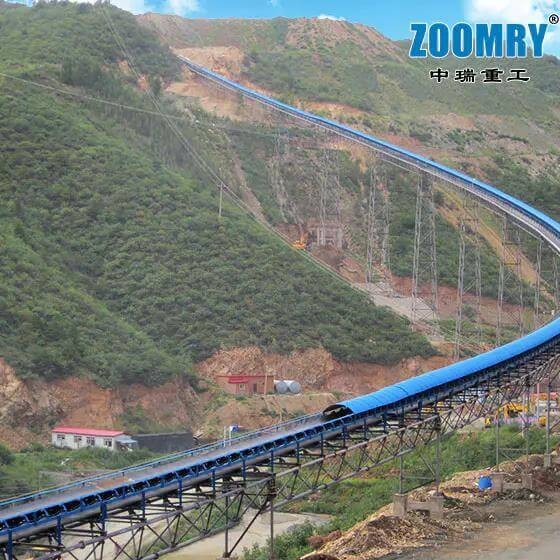
TD75 belt conveyor is a universal fixed belt conveyor widely used in metallurgy, coal, transportation, hydropower, and general bulk material handling. It is designed for horizontal or inclined conveying of bulk materials and packaged goods, with a simple structure, low cost, and strong adaptability. The TD75 series covers belt widths of 500, 650, 800, 1000, 1200, and 1400 mm, making it suitable for a wide range of medium-duty conveying applications.
What Is a TD75 Belt Conveyor?
The TD75 belt conveyor is a standardized, fixed-position belt conveyor developed for general bulk material transport. It is not a single machine model but a design series: the frame, idlers, pulleys, and drive units follow standardized dimensions, allowing components to be selected and assembled according to conveying distance, capacity, and inclination requirements.
This standardization is the main reason for its wide use. Maintenance teams can replace idlers, pulleys, and belts without custom fabrication, and spare parts are readily available across different suppliers and project sites.
Key Specifications
| Parameter | TD75 Standard Range |
|---|---|
| Belt width | 500, 650, 800, 1000, 1200, 1400 mm |
| Ambient temperature | -25°C to +40°C for standard service; special configurations available for other conditions |
| Material temperature | Below 50°C for standard service |
| Layout | Horizontal or inclined, single or multi-unit |
| Material type | Bulk materials and packaged goods |
Capacity, belt speed, trough angle, idler spacing, belt rating, drive power, and allowable inclination are selected according to material bulk density, particle size, moisture, conveying distance, lift, and required throughput.
For special conditions such as explosion-proof, waterproof, corrosion-resistant, heat-resistant, or cold-resistant service, the base TD75 design must be modified with corresponding protective measures.
Where TD75 Belt Conveyors Are Used
TD75 conveyors are common in applications that do not require the heavier construction of mining-specification conveyors. Typical installations include:
- Metallurgical plants — moving ore, sinter, and additives between process stages
- Coal handling — stockyard transfer and plant feed
- Hydropower and construction — aggregate and bulk material transport
- General industrial conveying — packaged goods and unit loads
The open-trough design is best suited to dry, moderate-abrasion materials. For highly abrasive ores, long overland routes, or enclosed dust-controlled transport, other conveyor types such as belt conveyor systems with heavier idler ratings or enclosed structures are usually specified instead.
Safe Operation of TD75 Belt Conveyors
Important: This section provides general operating guidance only. Startup, shutdown, isolation, and maintenance procedures must follow the project electrical drawings, equipment manuals, local safety regulations, and site lockout/tagout procedures.
Pre-start Inspection
- Confirm that equipment, personnel, and conveyed items are in a safe and intact state
- Check that moving parts are free of foreign objects
- Verify that the electrical supply and protective devices meet the project design and equipment documentation before startup
Startup Sequence
- Switch on the main power supply and confirm the power indicator is on
- Switch on each circuit and verify normal standby status — the conveyor should not start immediately, and the inverter display should show no fault codes if an inverter is installed
- Start equipment sequentially according to process flow, confirming each unit reaches normal speed before starting the next
During Operation
- Respect the design capacity of the conveyor and the intended material characteristics
- Personnel must not touch moving parts
- Non-professional personnel must not operate electrical components or control buttons
- Do not disconnect the inverter output while the conveyor is running — maintenance must be performed only after the frequency converter has stopped
Shutdown
Press the stop button and allow the system to stop completely before isolating the main power supply according to site lockout/tagout procedures.
TD75 belt conveyors remain a practical choice for general bulk handling where standardization, low cost, and simple maintenance matter more than extreme capacity or harsh-condition performance. For high-impact loading, long-distance transport, high throughput, or chemically aggressive environments, the base TD75 design would require project-specific reinforcement or an upgraded conveyor specification. Compare the general-purpose DTⅡ belt conveyor or explore belt conveyor systems for project-specific configurations.
Related Products
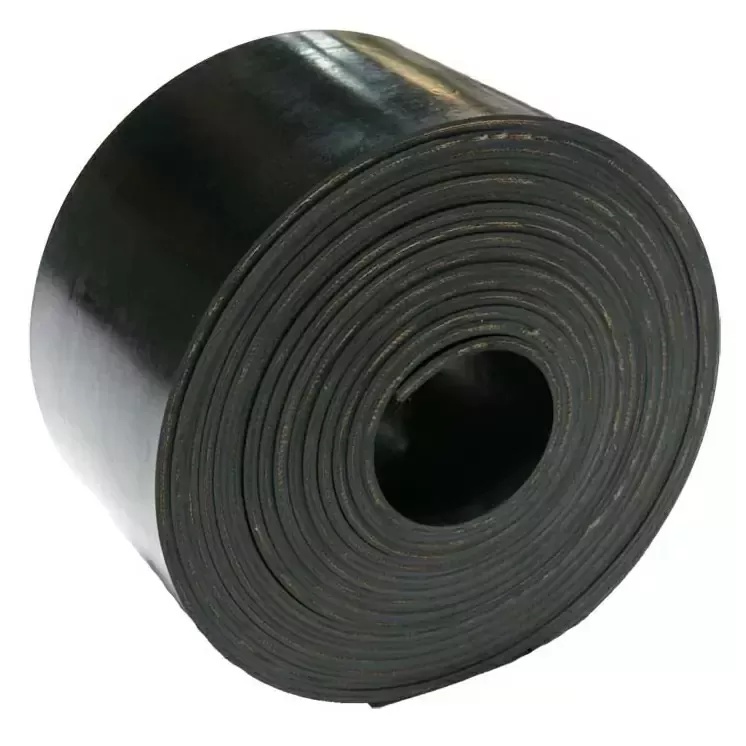
Complete belt conveyor systems for bulk material transport
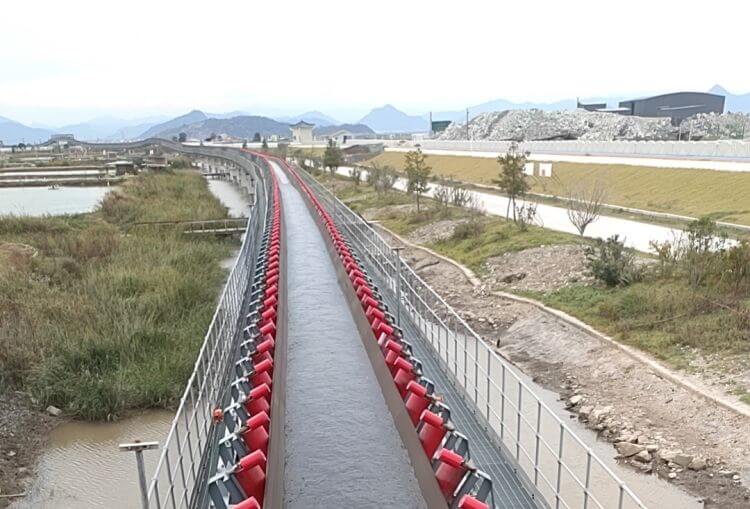
General-purpose fixed belt conveyor with standardized components
Industry Applications
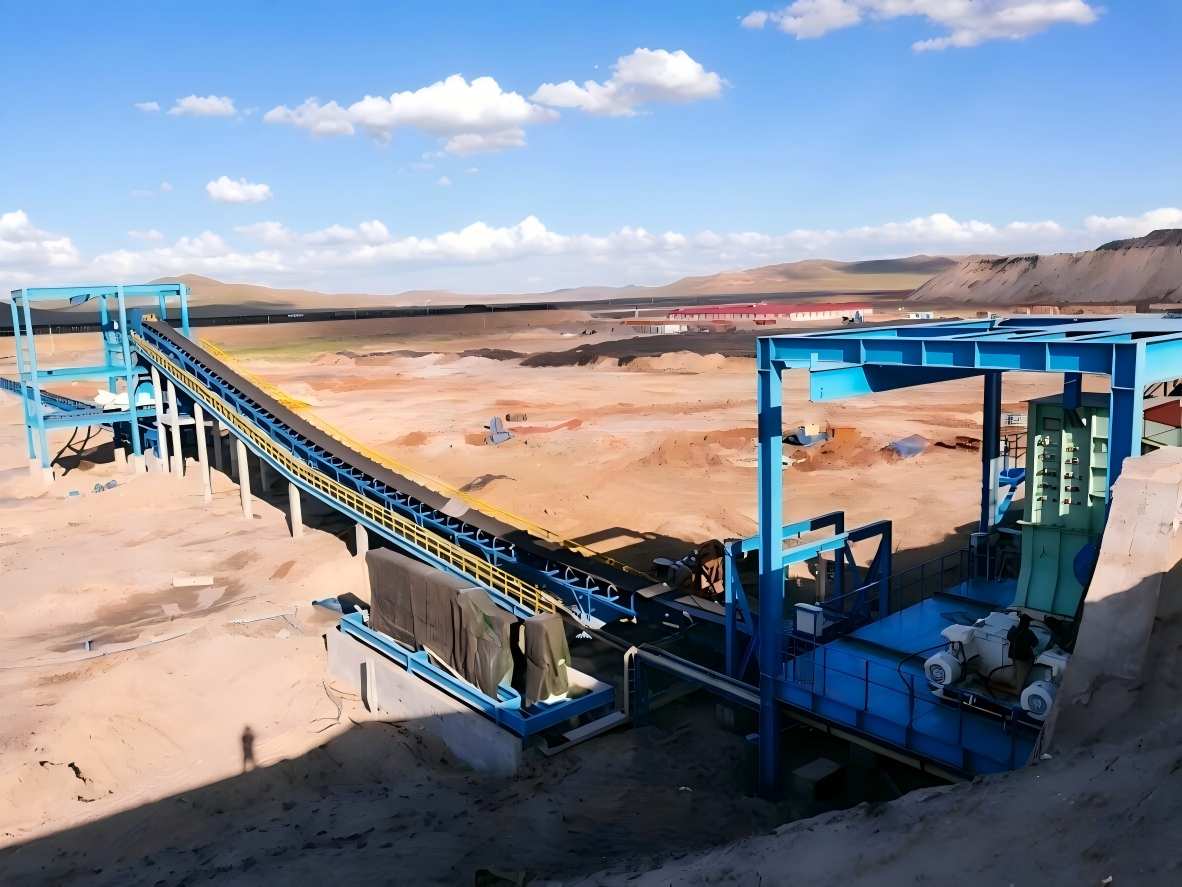
Heavy-duty conveyor systems for surface and underground mining
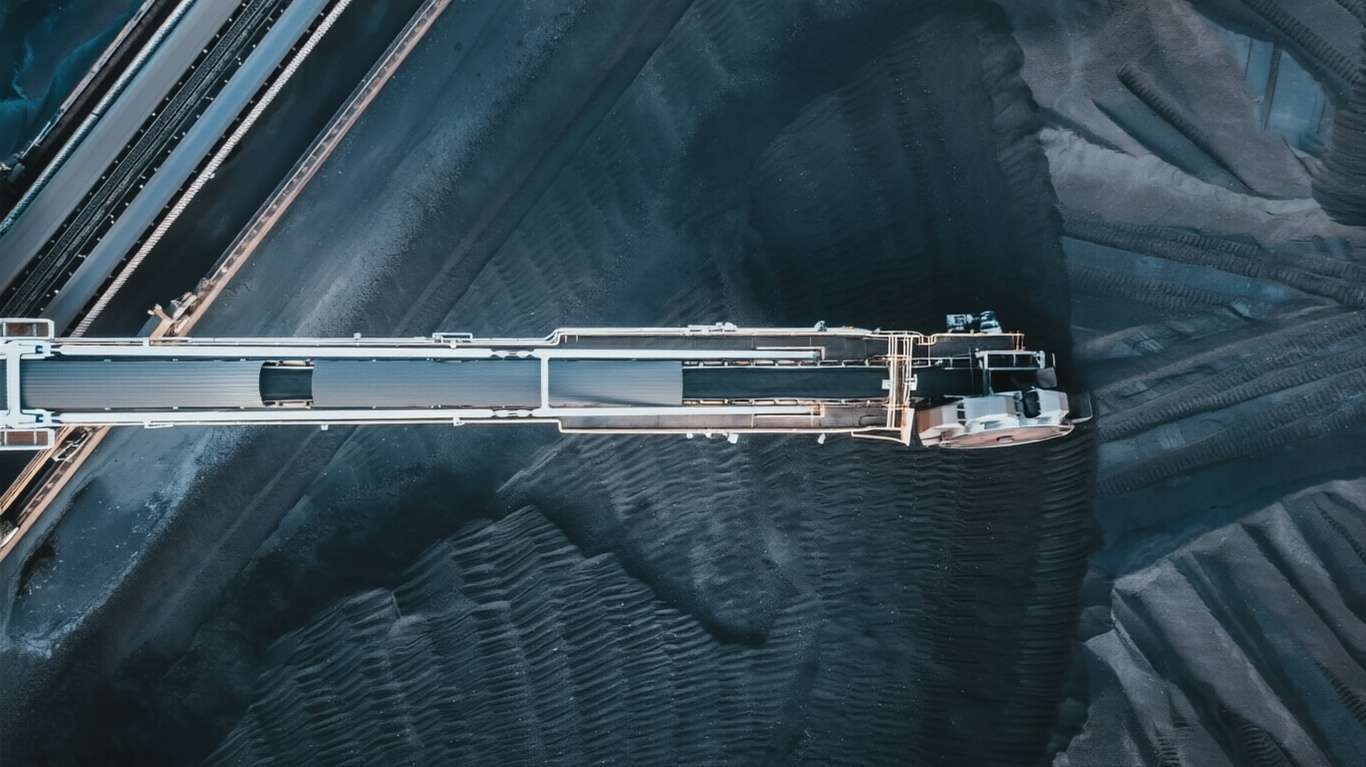
Coal handling conveyors from pit to preparation plant
Need a TD75 Belt Conveyor for Your Operation?
Contact ZOOMRY for TD75 belt conveyor specifications, configuration recommendations, and expert guidance tailored to your material and throughput requirements.
Contact Us →