 ZOOMRY

Truck receiving systems accept bulk material from dump trucks and transfer it to a downstream conveyor, stockpile system, silo, or processing line. The two common approaches are mobile truck unloaders and stationary receiving systems. Mobile units are selected where the receiving point may change or permanent civil works need to be limited. Stationary systems are selected where truck routes, receiving locations, and downstream process equipment are established for long-term operation. The right solution depends on site permanence, truck traffic, material flow, required capacity, available infrastructure, and the planned operating life of the project.
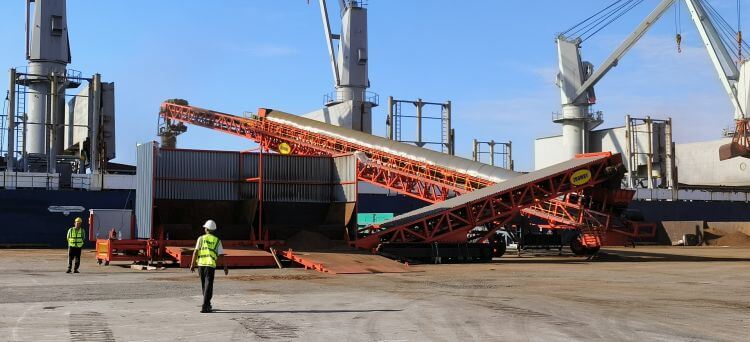
Mobile Truck Unloaders
A mobile truck unloader is a relocatable receiving unit, commonly mounted on a wheeled or tracked chassis. It receives material from dump trucks through a drive-over hopper or receiving section and transfers material to a conveyor, stockpile system, loading point, or downstream process line. The configuration is selected according to material properties, truck dimensions, throughput requirements, site surface, and discharge interface.
Flexible Receiving Locations
Mobile truck unloaders can be repositioned between suitable operating areas when the receiving point changes with stockpile development, construction phases, mining activity, or temporary project requirements. This can be useful for operations that do not require a permanently fixed truck unloading point.
Reduced Permanent Civil Work
Compared with a fully fixed receiving station, a mobile unit can reduce the amount of permanent foundation and structural work required at the receiving point. Site preparation, working surface condition, electrical supply, access routes, and downstream conveyor connections still need to be assessed before deployment.
Material and Configuration Flexibility
Mobile truck unloaders can be configured for coal, ore, aggregates, sand, grain, and other suitable bulk materials. Hopper geometry, grid or grizzly arrangement, feeder type, belt width, discharge height, and conveyor arrangement are selected according to material behavior, impact conditions, and required throughput.
Reuse Across Projects
Because the equipment is not permanently tied to one foundation, it can be redeployed when operating requirements change. This may support contractors, phased developments, and operators that manage multiple receiving locations, subject to transport, setup, and commissioning requirements for each site.
Environmental and Control Options
Mobile units can be specified with project-appropriate options such as dust suppression or collection interfaces, belt cleaning, remote controls, and power arrangements. Actual dust, noise, and operating performance depend on material characteristics, hopper design, loading practice, and the selected equipment configuration.
Stationary Receiving Systems
A stationary receiving system is installed at a defined location and integrated with permanent conveyors, silos, stockpile systems, crushers, screens, or other process equipment. It is designed around a fixed truck approach, a consistent unloading point, and a defined downstream material route. Fixed systems are commonly considered where the site layout and operating demand are established for long-term service.
Fixed Material Flow
Stationary systems support a stable truck receiving route and a permanent material-transfer path. The hopper, feeder, conveyor, transfer points, and downstream process equipment can be designed together as part of one integrated layout.
Long-Term Process Integration
Where truck unloading is connected to a fixed processing plant, silo, conveyor corridor, or terminal loading line, a stationary receiving system can be integrated with the broader process design. This can include interlocks, monitoring, instrumentation, and plant-wide control architecture.
Civil and Structural Infrastructure
Stationary installations usually require foundations, structural supports, permanent transfer interfaces, and defined access areas. This requires greater early-stage planning, but it can provide a dedicated receiving point for long-term operation.
Maintenance Access
A fixed location can allow maintenance platforms, lifting points, inspection routes, and safety access to be incorporated into the design. The maintenance approach should still account for the material, operating hours, wear conditions, and downstream process requirements.
Continuous and Integrated Duty
Stationary receiving systems are often considered for long-term mines, ports, industrial plants, and processing facilities where the truck route and receiving point remain consistent. Required capacity is determined by the complete material-handling system, including truck delivery pattern, hopper volume, feeder design, conveyor capacity, and downstream equipment.
Mobile Truck Unloader vs. Stationary Receiving System
| Selection Factor | Mobile Truck Unloader | Stationary Receiving System |
|---|---|---|
| Receiving location | Can be repositioned between suitable operating areas | Installed at a defined receiving point |
| Civil works | Often requires less permanent civil work, depending on the site | Usually requires foundations, structural works, and fixed transfer interfaces |
| Deployment | Can shorten deployment after delivery when site preparation is complete | Requires installation, integration, and commissioning of fixed infrastructure |
| Investment structure | May support reuse across projects and reduce site-specific civil investment | Often requires greater up-front civil and structural investment for a permanent line |
| Operating pattern | Often selected for temporary, phased, variable, or relocatable duties | Often selected for fixed, long-term, and continuously integrated operations |
| Control integration | Can be configured with project-appropriate controls | Often easier to integrate with plant-wide automation and monitoring systems |
| Maintenance planning | Requires inspection of mobility-related components and relocation interfaces | Fixed access and established maintenance routes can simplify planned service |
| Typical use | Temporary sites, changing receiving points, contractors, and phased projects | Long-term mines, terminals, processing plants, and fixed receiving lines |
A mobile truck unloader is not automatically limited to low capacity, and a stationary system is not automatically required for high capacity. The appropriate solution depends on the complete duty cycle, material characteristics, truck unloading pattern, downstream process, and project layout.
How to Choose Between Mobile and Stationary Systems
Selection should begin with the expected operating life of the receiving point, the stability of the truck route, and the downstream material path. The following questions help identify the more suitable truck receiving arrangement.
Site Permanence and Receiving Location
- Choose a mobile truck unloader when the receiving point may move between work areas, stockpiles, project phases, or sites.
- Consider a stationary receiving system when truck approach routes, unloading location, and downstream equipment are fixed for long-term operation.
Truck Flow and Required Capacity
- Evaluate average and peak truck arrivals, hopper buffer requirements, truck turnaround time, and downstream conveyor capacity.
- Do not select mobile or stationary equipment by capacity alone; both arrangements can be engineered around project-specific material flow requirements.
Civil Works and Investment Structure
- Mobile equipment can reduce permanent civil work where flexibility or project reuse is important.
- Stationary systems may be appropriate when the project supports permanent foundations, transfer structures, and a dedicated truck receiving line.
Future Expansion and Reuse
- A mobile unit can be redeployed when the project layout changes or when equipment is needed at another location.
- A stationary system can be expanded as part of a fixed plant, terminal, or conveyor network when long-term material flow is defined.
For example, a terminal with a permanent truck receiving line and a fixed downstream loading route may favor a stationary receiving system. A contractor or mining operation that changes receiving locations between sites, stockpile areas, or project stages may favor a mobile truck unloader.
Mobile truck unloaders and stationary receiving systems both support efficient bulk-material receiving when properly matched to the application. The decision should consider site permanence, truck traffic, material flow, civil-work scope, downstream process integration, maintenance access, and future development plans. Compare truck unloader configurations and the two-ramp drive-over truck unloader to identify a suitable receiving arrangement.
Related Products
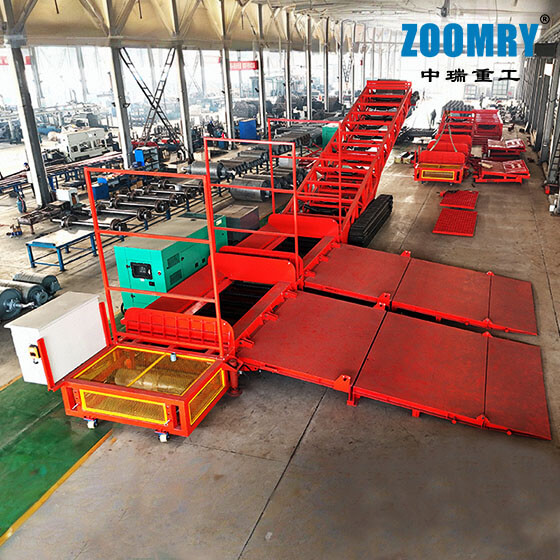
Wheeled and tracked drive-over hopper systems for bulk material receiving.
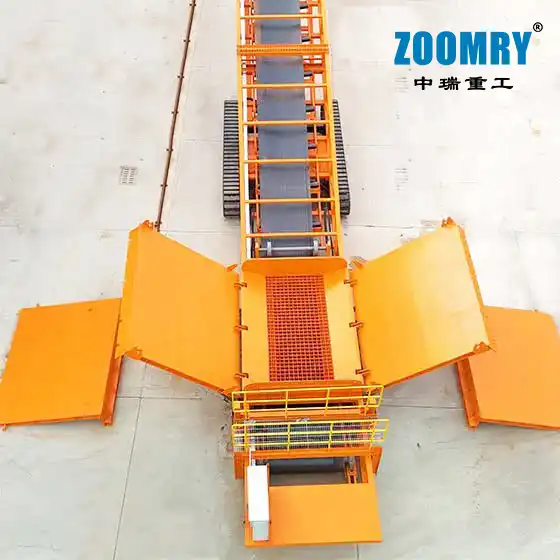
Mobile truck receiving equipment for paved or well-compacted operating surfaces.
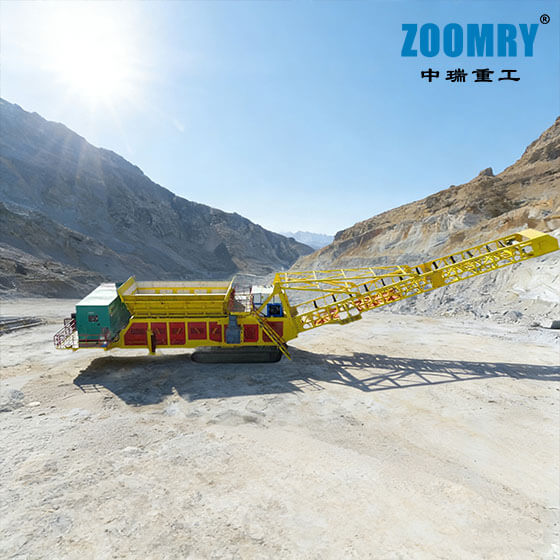
Hopper and feeder systems for buffering and controlled discharge to conveyors.
Industry Applications
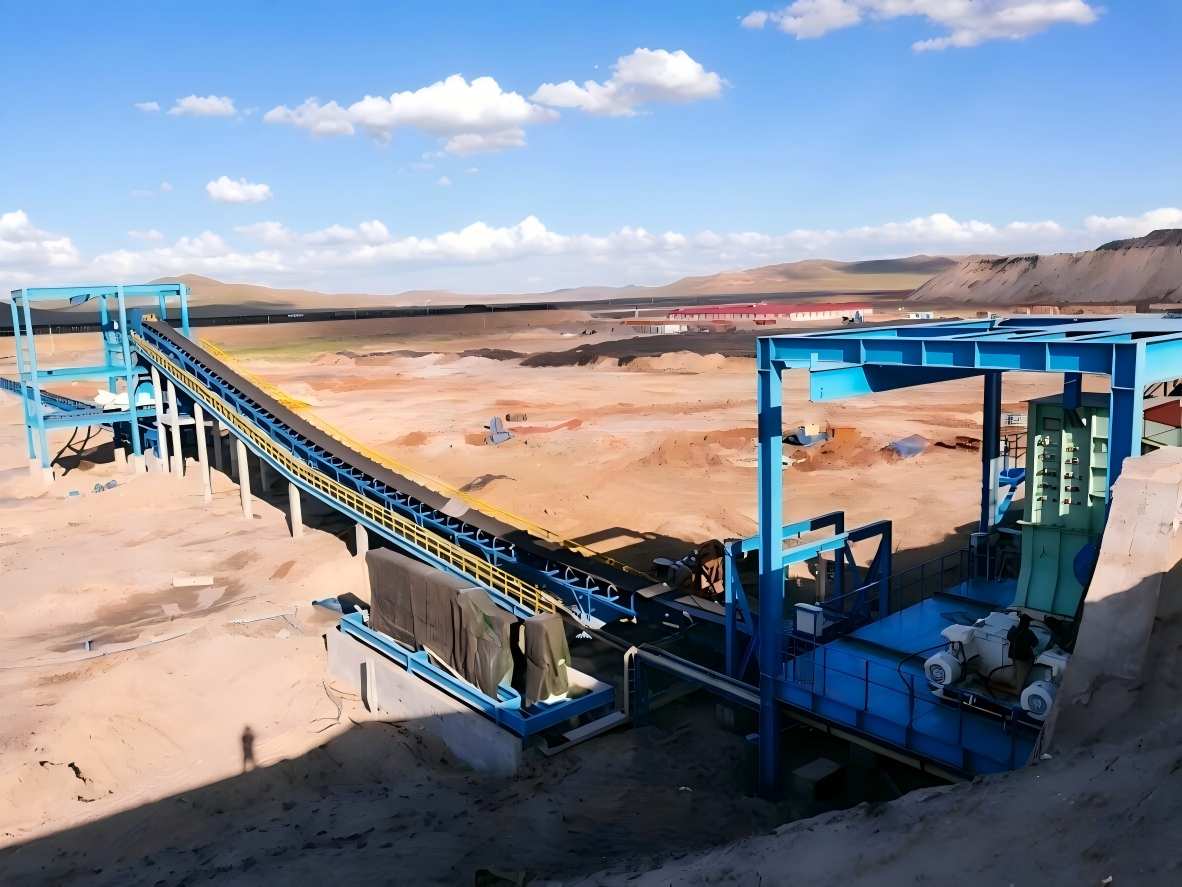
Truck receiving and conveying arrangements for ore, minerals, and mine bulk materials.
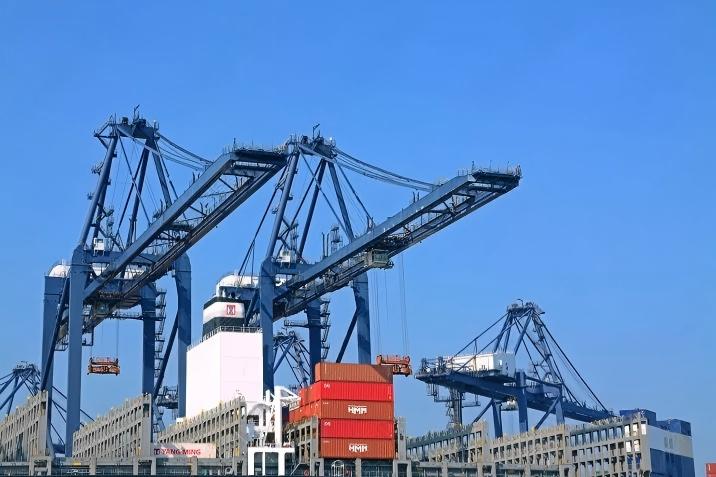
Truck receiving and downstream transfer systems for terminal and quay operations.
Need Help Choosing a Truck Receiving System?
Share your site layout, material information, truck unloading pattern, required capacity, project duration, and downstream interface. ZOOMRY can recommend a mobile or stationary truck receiving arrangement for your operation.
Contact Us →