 ZOOMRY

Chain bucket ship unloaders play a critical role in efficient bulk material handling at ports and terminals. These heavy-duty machines unload coal, grain, ore, and cement from ships with high speed and accuracy. As a professional bulk material handling solution provider, ZOOMRY supplies complete chain bucket unloader systems for global port operations. This guide covers eight key factors for selecting the right chain bucket ship unloader.
1. Technical Specifications
Assess technical specifications that align with your material handling requirements — unloading capacity, speed, and the size of ships you need to handle. The unloader must handle the specific types of bulk materials you deal with regularly. ZOOMRY's chain bucket ship unloaders are available in fixed, mobile, and rotary configurations to match different port layouts.
2. Unloading Capacity
Determine the required unloading rate based on ship sizes and material volumes. Select a chain bucket ship unloader that meets or exceeds your daily unloading capacity needs to avoid operational bottlenecks. Consider peak season demands — a port handling Panamax vessels requires significantly higher capacity than one servicing barges.
3. Design and Efficiency
Design and efficiency significantly impact performance. Look for features that enhance operational efficiency: multiple discharge points, adjustable boom lengths, and compatibility with various ship sizes and drafts. A well-designed unloader optimizes material flow, reduces downtime, and increases productivity. Combined chain bucket unloaders offer additional flexibility for diverse material handling.
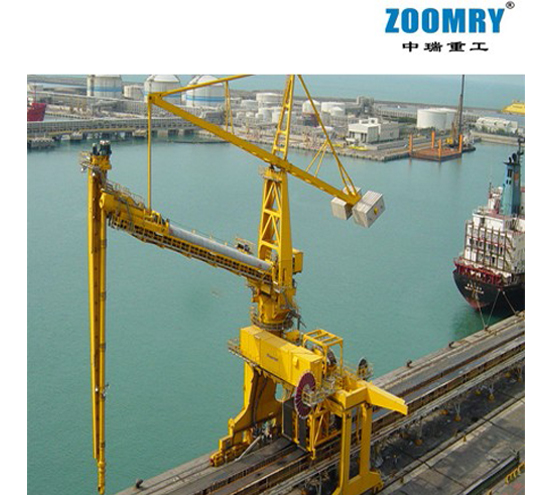
4. Safety Features
Safety must be a top priority. Look for overload protection, emergency stop buttons, and anti-collision systems. Safety mechanisms prevent accidents and protect personnel and equipment during unloading. ZOOMRY equipment meets CE and ISO 9001 safety certification requirements for port operations.
5. Maintenance and Reliability
Consider maintenance requirements — choose models with easily accessible components for routine tasks. Look for unloaders known for reliability and durability; this reduces long-term downtime and maintenance costs. Heavy-duty rollers and pulleys with 50,000+ hour service life minimize replacement frequency.
6. Environmental Impact
Assess environmental impact — select models designed to minimize dust emissions and spillage during unloading. Environmentally friendly features help ports adhere to regulations and promote sustainability. Enclosed ship loader chutes with integrated dust collection can be paired with chain bucket unloaders for comprehensive dust control.
7. Operational Flexibility
Consider operational flexibility — look for features allowing easy adjustments for different material types. Some unloaders feature interchangeable buckets or handle both bulk and bagged materials, providing versatility. This is particularly valuable at multi-purpose terminals handling coal, grain, and fertilizer at the same facility.
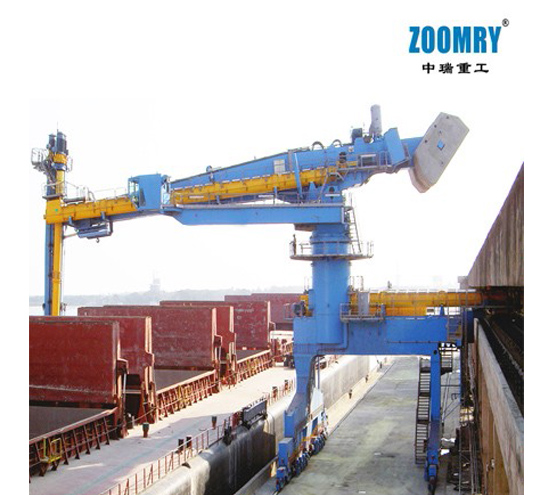
8. Installation and Space Requirements
Assess installation requirements and space availability at your port. Choose a chain bucket ship unloader that fits within available space and can be installed without major modifications to existing infrastructure. Mobile chain bucket unloaders offer flexible deployment without fixed rail systems for ports with limited quayside space.
Frequently Asked Questions
Q1. Can a chain bucket ship unloader handle different types of materials?
Yes — many chain bucket ship unloaders handle various bulk materials including coal, grain, ore, and cement. Some models feature interchangeable buckets or adjustments to accommodate different material types. ZOOMRY's chain bucket unloaders are configurable for specific material densities and flow characteristics.
Q2. How do I calculate the required unloading capacity?
Required capacity depends on daily material volumes and ship sizes arriving at your port. Consider the average unloading rate and the number of ships to handle within a specific time frame. Factor in peak season demands and vessel turnaround time requirements.
Q3. Are chain bucket ship unloaders easy to maintain?
Maintenance requirements vary by model and design. Look for unloaders with easily accessible components and user-friendly maintenance procedures. Regular inspection of bucket chains, rollers, and drive systems is essential for long-term reliability.
Q4. Can a chain bucket ship unloader handle various ship sizes?
Yes — many chain bucket ship unloaders accommodate various ship sizes and drafts. Look for models with adjustable boom lengths and reach capabilities to handle ships of different dimensions, from barges to Panamax vessels.
Related Equipment
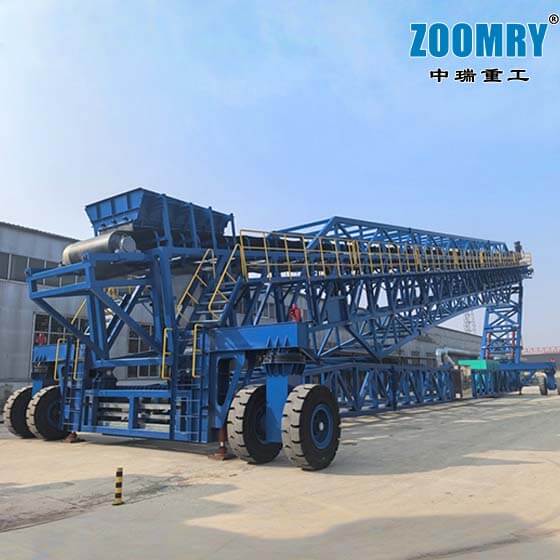
Mobile ship loader for bulk material loading — complementary to chain bucket unloading operations.
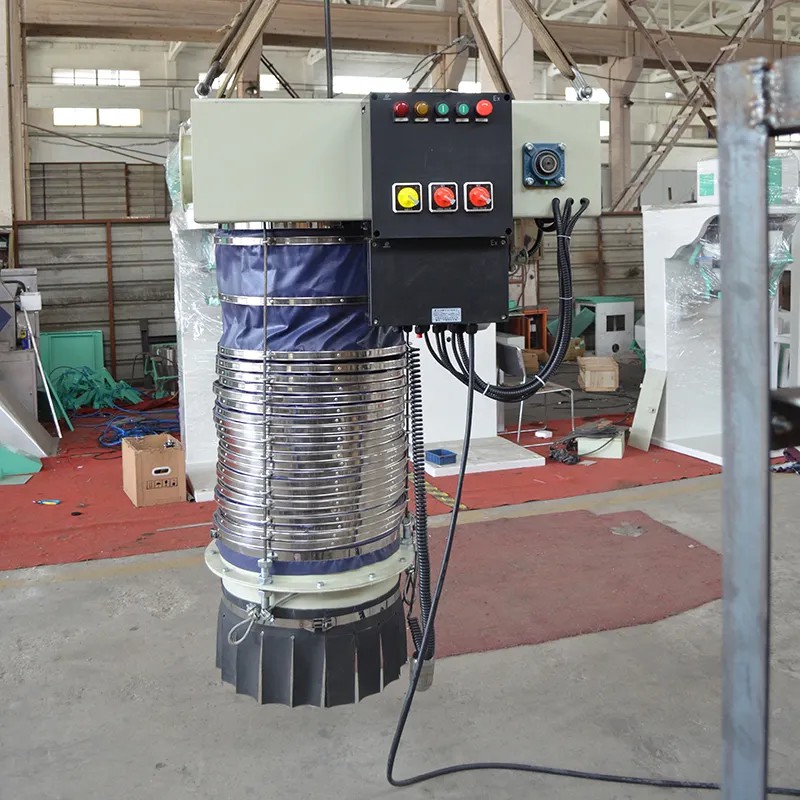
Telescopic loading spout with dust collection — minimizes spillage during ship operations.
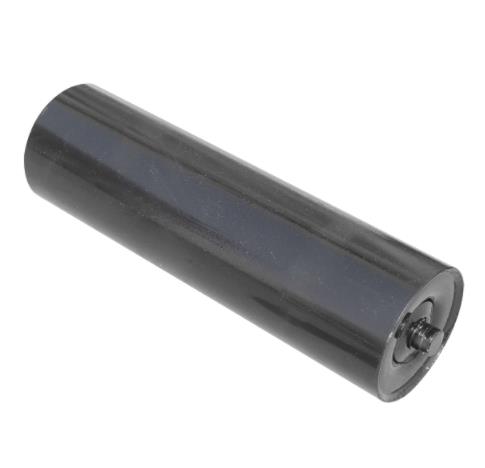
Heavy-duty rollers for port conveyors — 50,000+ hour service life in marine environments.
Need a Chain Bucket Ship Unloader for Your Port?
Contact ZOOMRY for chain bucket unloader specifications, port application recommendations, and customized bulk material handling solutions.
Contact Us →