 ZOOMRY

Quick answer: ZOOMRY delivered a 9.6 km ultra-long belt conveyor system for Jiangxi Hengchuang Mining on an EPC turnkey basis. The system handles 3,000 t/h on a 1,400 mm belt, integrating tunnel sections, underground galleries, and elevated structures to navigate complex terrain and cross existing plant facilities.

Project Background
Jiangxi Hengchuang Mining required a reliable, high-capacity conveying system to move ore over a distance of 9.6 km. The route traversed mountainous terrain, crossed existing plant facilities, and included several areas where surface conveying was not feasible due to environmental and land-use constraints.
Truck haulage was uneconomical and could not meet the required throughput. ZOOMRY was contracted to deliver a complete EPC (Engineering, Procurement, and Construction) turnkey system.
| Parameter | Value |
|---|---|
| Project location | Jiangxi, China |
| System length | 9.6 km |
| Belt width | 1,400 mm |
| Capacity | 3,000 t/h |
| Structure type | Tunnel + Underground gallery + Elevated gallery |
| Delivery model | EPC Turnkey |
Engineering Challenge 1: Mixed Terrain and Existing Facilities
The 9.6 km route could not be built as a single elevated conveyor. It required:
- Tunnel sections: To pass through mountainous terrain without surface disruption.
- Underground galleries: To cross beneath existing plant infrastructure and roads.
- Elevated galleries: To span valleys, rivers, and flood-prone areas.
Solution: Integrated Structural Design
ZOOMRY’s engineering team designed a composite structural system that transitions seamlessly between tunnel, underground, and elevated sections. This required:
- Geotechnical analysis for tunnel stability.
- Structural steel design for elevated spans.
- Conveyor dynamics analysis to ensure smooth material flow across transitions.
Engineering Challenge 2: 3,000 t/h on a 1,400 mm Belt
A capacity of 3,000 t/h on a 1,400 mm belt requires careful optimization of belt speed and trough angle. Standard design would require a wider belt, increasing cost and structural load.
Solution: High Belt Speed and Optimized Trough Angle
ZOOMRY optimized the belt speed and trough angle to achieve the required capacity without increasing belt width. This reduced the structural load on the elevated and tunnel sections.
Engineering Challenge 3: Long-Distance Belt Tension and Drive Configuration
A 9.6 km conveyor requires careful management of belt tension, particularly at start-up and during transient load changes. The drive system must provide smooth acceleration and reliable tension control.
Solution: Multi-Drive Configuration with Soft Start
ZOOMRY used a multi-drive configuration with soft-start capability to distribute power along the conveyor and reduce peak belt tension. This also improves reliability and reduces wear on the belt and pulleys.
Engineering Challenge 4: Maintenance and Accessibility
With 9.6 km of conveyor, maintenance access is critical. The tunnel and underground sections have limited space, and the elevated sections require safe access for inspection and repair.
Solution: Modular Design and Access Walkways
ZOOMRY designed the system with modular idler frames and pulley assemblies, allowing quick replacement without specialized tools. Access walkways and inspection points were integrated into the elevated and tunnel sections.
Measured Results
| Metric | Result |
|---|---|
| Conveying length | 9.6 km |
| Capacity achieved | 3,000 t/h |
| Belt width | 1,400 mm |
| Structure type | Tunnel + Underground + Elevated |
| Delivery model | EPC Turnkey |
Key Engineering Takeaways
- Mixed terrain requires integrated structural design: Combining tunnel, underground, and elevated sections in a single conveyor system requires close coordination between geotechnical, structural, and conveyor engineers.
- Capacity can be optimized without widening the belt: Higher belt speed and optimized trough angle allow high capacity on a narrower belt, reducing structural load and cost.
- Multi-drive configuration with soft start is essential for long conveyors: It distributes power, reduces peak tension, and improves reliability.
- Maintenance access must be designed in from the start: Modular components and access walkways reduce downtime and maintenance cost over the system life.
Frequently Asked Questions
What is the longest conveyor system ZOOMRY has delivered?
The Jiangxi Hengchuang project is 9.6 km long. ZOOMRY has also delivered an 8,617 m curved conveyor for Hubei Southeast Mining and a 6.4 km cross-sea conveyor for Zhejiang East Mining.
Can a single conveyor system include tunnel and elevated sections?
Yes. The Jiangxi Hengchuang system combines tunnel sections, underground galleries, and elevated galleries in a single continuous conveyor. This required integrated structural and conveyor design.
What capacity can a 1,400 mm belt conveyor handle?
With optimized belt speed and trough angle, a 1,400 mm belt can handle up to 3,000 t/h. Final capacity depends on material bulk density, particle size, and conveyor configuration.
How is belt tension managed on a 9.6 km conveyor?
ZOOMRY uses a multi-drive configuration with soft-start capability to distribute power and reduce peak belt tension. This improves reliability and reduces wear on the belt and pulleys.
What is an EPC turnkey conveyor system?
An EPC turnkey system covers engineering, procurement, and construction. The contractor delivers a complete system ready to operate, including design, equipment supply, installation, and commissioning.
Related Products
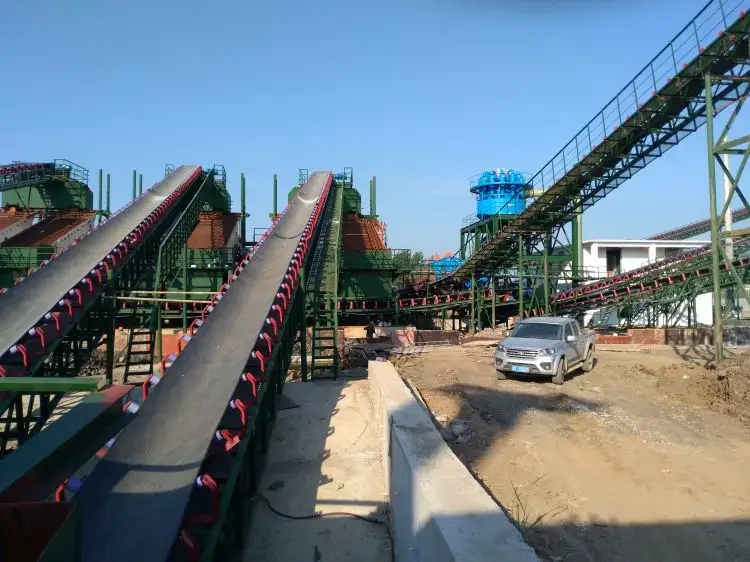
Overland and tunnel conveying systems
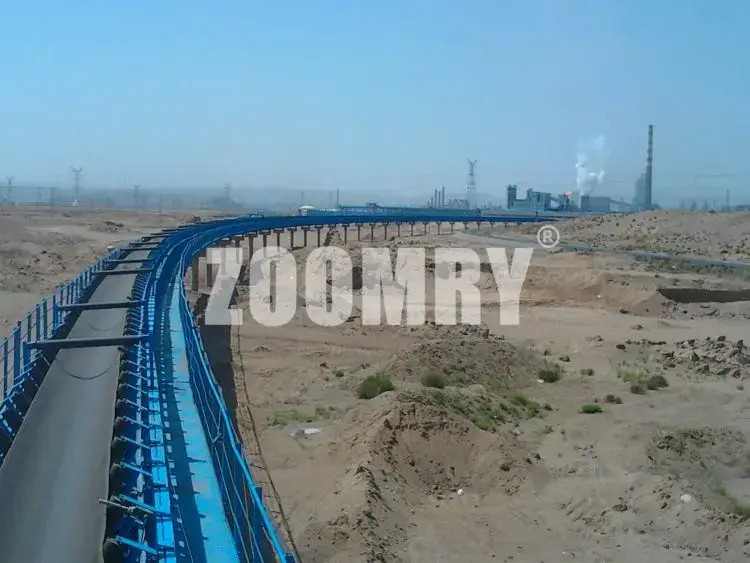
Long-distance curved conveyor for complex terrain
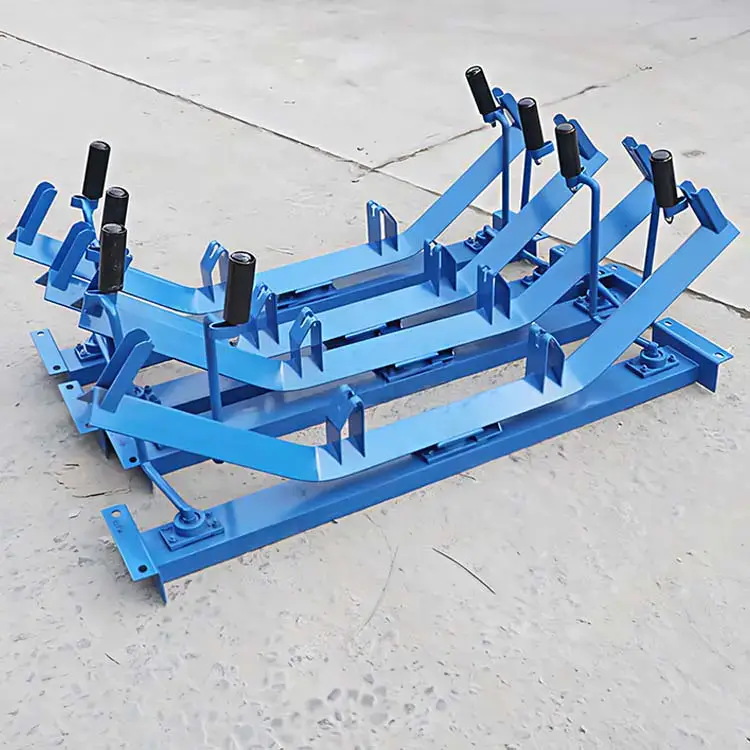
Automatic belt tracking for long conveyors
Industry Applications
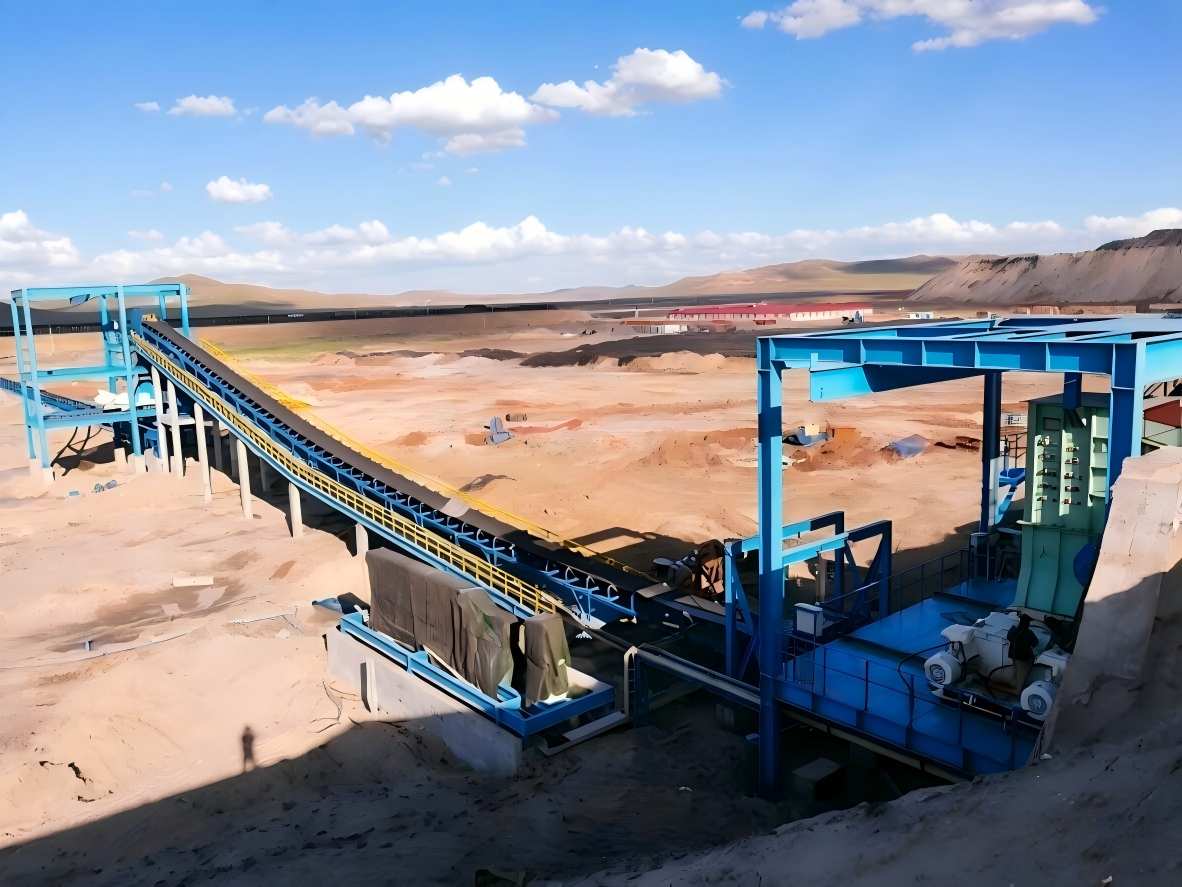
Mine-to-plant conveyor systems
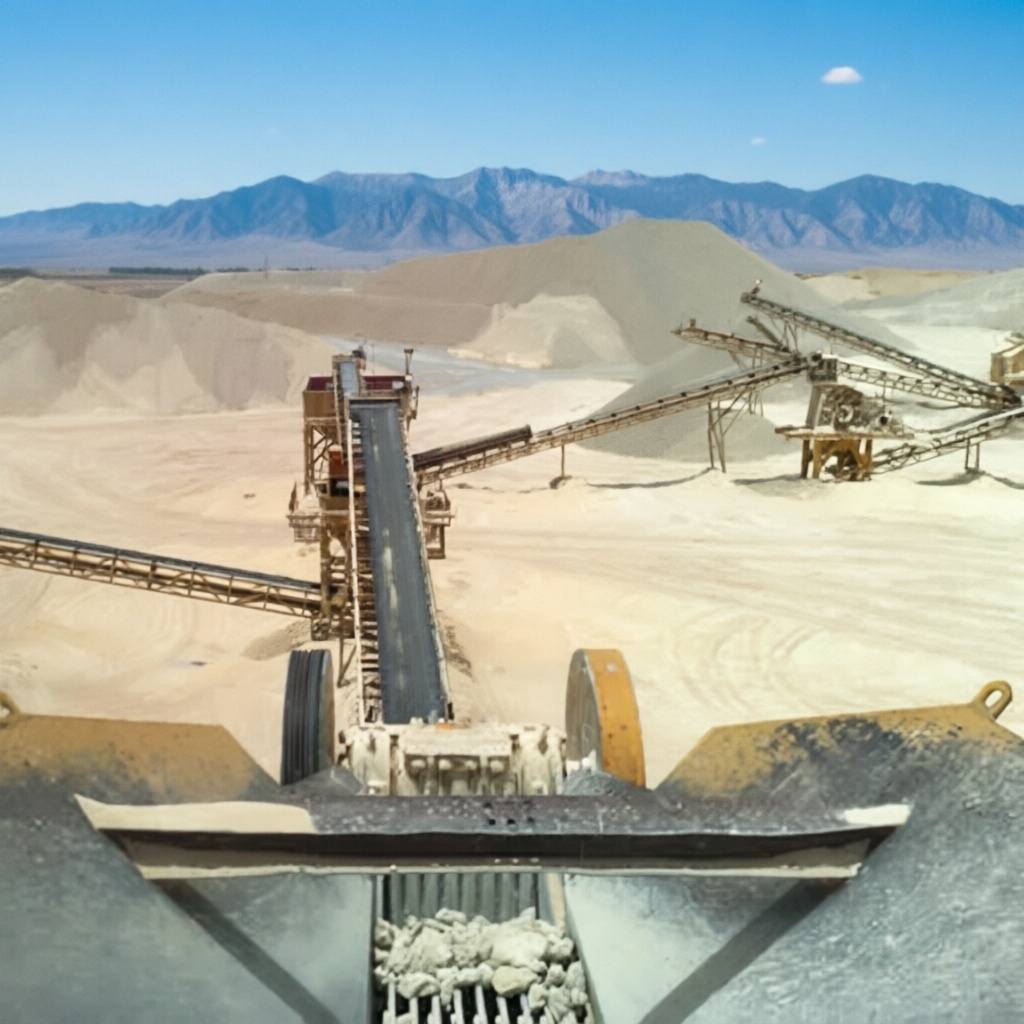
Long-distance conveyors for aggregates
Terminal conveyor systems
Planning a Long-Distance Conveyor Project?
Share your route, capacity requirements, and site conditions. ZOOMRY’s engineering team can evaluate feasibility and provide EPC solutions.
Contact Us →