 ZOOMRY

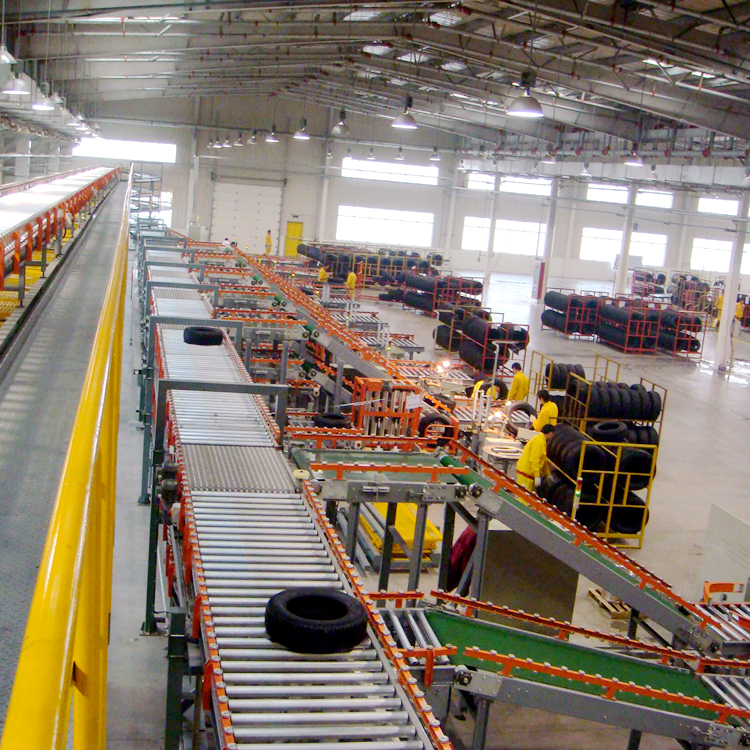
A transfer roller is a cylindrical component on conveying equipment — divided into drive rollers and driven rollers. Typically made from seamless steel pipe, rollers may also use steel castings, solid forged alloy steel cores, 2205 duplex stainless steel, aluminum alloy 6061T5, or 304L/316L stainless steel depending on application requirements. As a professional bulk material handling solution provider, ZOOMRY manufactures a complete range of conveyor rollers and pulleys for mining, cement, and industrial applications. The primary function of a conveyor roller is to drive the assembly line Conveyor Belt or change its running direction.
The Role of Lagging Rollers
The lagging roller is an important protective component on the transfer roller. Rubber or ceramic lagging reduces belt deviation and wear, and prevents material from sticking to the roller surface. A properly lagged drum improves the working state of the transport system, protects the metal drum surface from sliding friction wear, prevents drive pulley belt slippage, and maintains stable synchronous operation between belt and drum — enabling large-capacity, high-efficiency conveying.
Common Transfer Roller Problems
The most common problems involve metal material damage from long-term vibration and compound pressure during operation, or roller bearing wear. These issues develop gradually under continuous heavy-load conditions and, if left unaddressed, lead to belt misalignment, increased energy consumption, and premature belt failure.
Solutions: Traditional vs Modern Repair Methods
| Repair Method | Description | Limitations |
|---|---|---|
| Electroplating | Applies a metal coating to the roller surface to restore dimensions. | High temperature during process can cause unpredictable damage to the metal substrate. May lead to fracture and bending during long-term use. |
| Thermal Spraying | Sprays molten material onto the roller surface to build up worn areas. | Coating easily peels off under operational stress. Provides only a temporary solution. |
| Surfacing/Welding | Builds up worn areas by welding additional material onto the roller. | Cannot fundamentally solve the problem. Heat-affected zone may weaken the roller structure. |
| Polymer Composite Repair | Uses advanced polymer composite materials to fill, bond, and protect damaged areas at ambient temperature. | — (None — this is the preferred modern method) |
Why Polymer Composite Repair is the Preferred Solution
Foreign companies and advanced operations increasingly use polymer composite materials for transfer roller repair and maintenance. This method eliminates the adverse effects of traditional repair techniques:
- No high-temperature damage: Applied at ambient temperature — no heat-affected zone to weaken the metal substrate.
- Vibration absorption: Polymer composites absorb equipment vibration, preventing further fatigue damage to the roller structure.
- Excellent adhesion: Bonds permanently to metal surfaces without risk of peeling or delamination under operational stress.
- Corrosion protection: Forms a protective barrier against moisture, chemicals, and abrasive materials.
For severely damaged rollers, replacement with new ZOOMRY conveyor rollers is recommended — featuring precision bearings, IP66 sealing, and 50,000+ hour service life. For pulleys, replaceable pulley lagging enables on-site refurbishment without removing the pulley from the conveyor.
Related Equipment
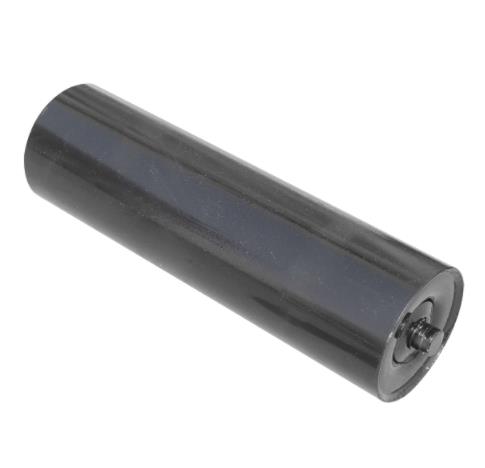
Precision steel and HDPE rollers — 50,000+ hours with IP66 sealing.
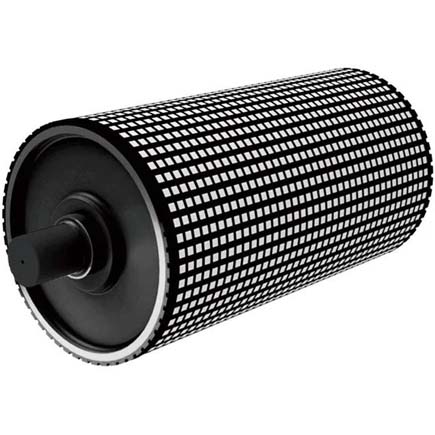
Protects drive pulleys from wear — friction coefficient ≥0.45, 3-5x longer life than rubber.
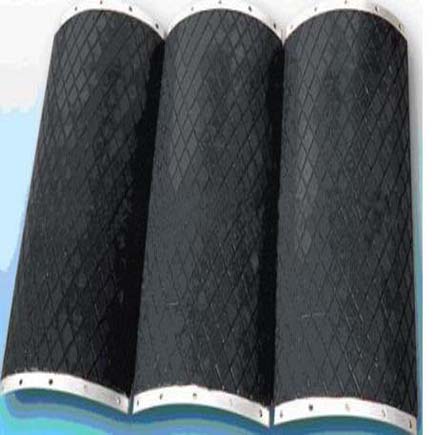
On-site pulley refurbishment — saves 70% installation labor, no pulley removal needed.
Need Transfer Roller Repair or Replacement?
Contact ZOOMRY for conveyor roller specifications, lagging options, and maintenance recommendations tailored to your operating conditions.
Contact Us →