 ZOOMRY

HDPE conveyor rollers have become the preferred choice for bulk material handling operations in corrosive, high-moisture, and hygiene-sensitive environments. Unlike traditional steel rollers, HDPE rollers combine exceptional wear resistance, robust impact resistance, and impressive corrosion resistance — all while being lighter, quieter, and maintenance-free. For industries ranging from coastal ports to fertilizer plants, HDPE rollers deliver a service life of 40,000+ hours in conditions that would destroy standard steel rollers within months.
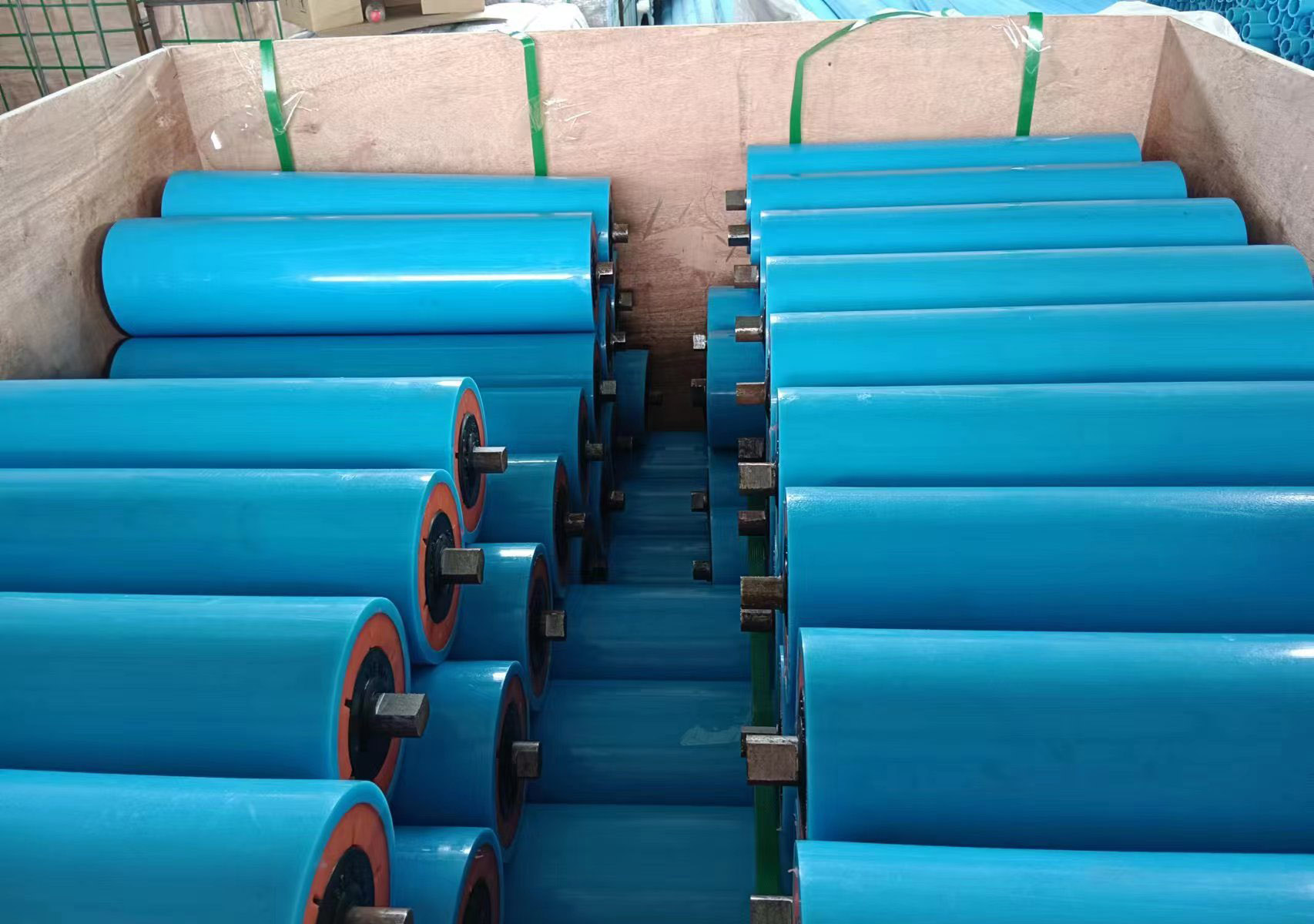
ZOOMRY HDPE Conveyor Rollers — Corrosion-Resistant, Lightweight, 40,000+ Hour Service Life
Why Choose HDPE Rollers Over Steel Rollers?
Standard steel conveyor rollers perform well in dry, non-corrosive environments. However, in applications where moisture, salt, chemicals, or hygiene requirements are present, steel rollers face a fundamental problem: corrosion. Once the steel shell rusts or the bearing seal degrades, rotation resistance increases, energy consumption rises, and premature failure follows. HDPE rollers solve this problem permanently.
With a specific gravity of approximately 0.94 — compared to carbon steel's 7.85 — HDPE rollers are over 8 times lighter than their steel equivalents. This translates directly into lower belt energy consumption, easier installation, and reduced structural load on the conveyor frame. Combined with their non-corrosive, non-magnetic, and anti-static properties, HDPE rollers are the superior choice for a wide range of demanding applications.
Key Advantages of HDPE Rollers
Superior Wear Resistance
HDPE rollers exhibit outstanding wear resistance, making them ideal for heavy-duty conveyor systems that handle abrasive materials such as sand, gravel, ores, and mineral concentrates. The smooth, wear-resistant HDPE surface reduces belt wear by over 30% compared to steel rollers, extending both roller and belt service life.
Robust Impact Resistance
The inherent strength and flexibility of HDPE material allows these rollers to withstand impacts without sustaining damage — a feature especially crucial in loading zones and transfer points where rough handling or impact occurrences are common. Unlike steel rollers that can dent or deform under heavy impact, HDPE rollers absorb and recover from impact forces.
Exceptional Corrosion Resistance
HDPE rollers are highly resistant to corrosion from salt spray, acids, alkalis, and chemical compounds — making them suitable for the most challenging settings. In fertilizer production, salt handling, and coastal port terminals where steel rollers fail rapidly, HDPE rollers deliver consistent, reliable performance year after year.
Hygiene and Non-Toxicity
Industries dealing with sensitive materials — such as food processing, grain handling, and pharmaceutical production — can rely on HDPE rollers' hygienic and non-toxic nature. The non-porous surface prevents bacterial growth and material adhesion, ensuring product purity and compliance with safety standards.
Low Density and Minimal Water Absorption
With a relatively low density and minimal water absorption, HDPE rollers remain lightweight and resist water-induced deterioration — even in high-humidity environments or where conveyors are regularly washed down. This makes them particularly suitable for wet processing plants and outdoor installations exposed to heavy rainfall.
Noise Reduction and Anti-Static Properties
The smooth operation of HDPE rollers results in significantly reduced noise levels — typically ≤45dB compared to 65dB+ for steel rollers — enhancing the working environment and reducing operator fatigue. Additionally, HDPE rollers offer anti-static properties, making them safe for use in environments where static electricity control is essential, such as grain silos and chemical plants.
Where Are HDPE Rollers Most Effective?
HDPE rollers are not a one-size-fits-all solution, but in specific environments they dramatically outperform steel alternatives. Here are the applications where HDPE rollers deliver the strongest return on investment:
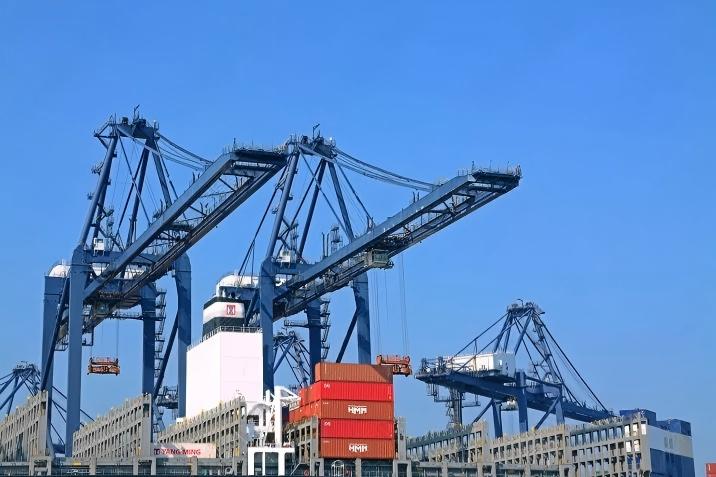
- Coastal Ports & Terminals — salt-laden air and high humidity corrode steel rollers within months. HDPE rollers are completely immune to salt corrosion, making them the standard choice for ship loading conveyors, quayside transfer systems, and bulk material terminals.
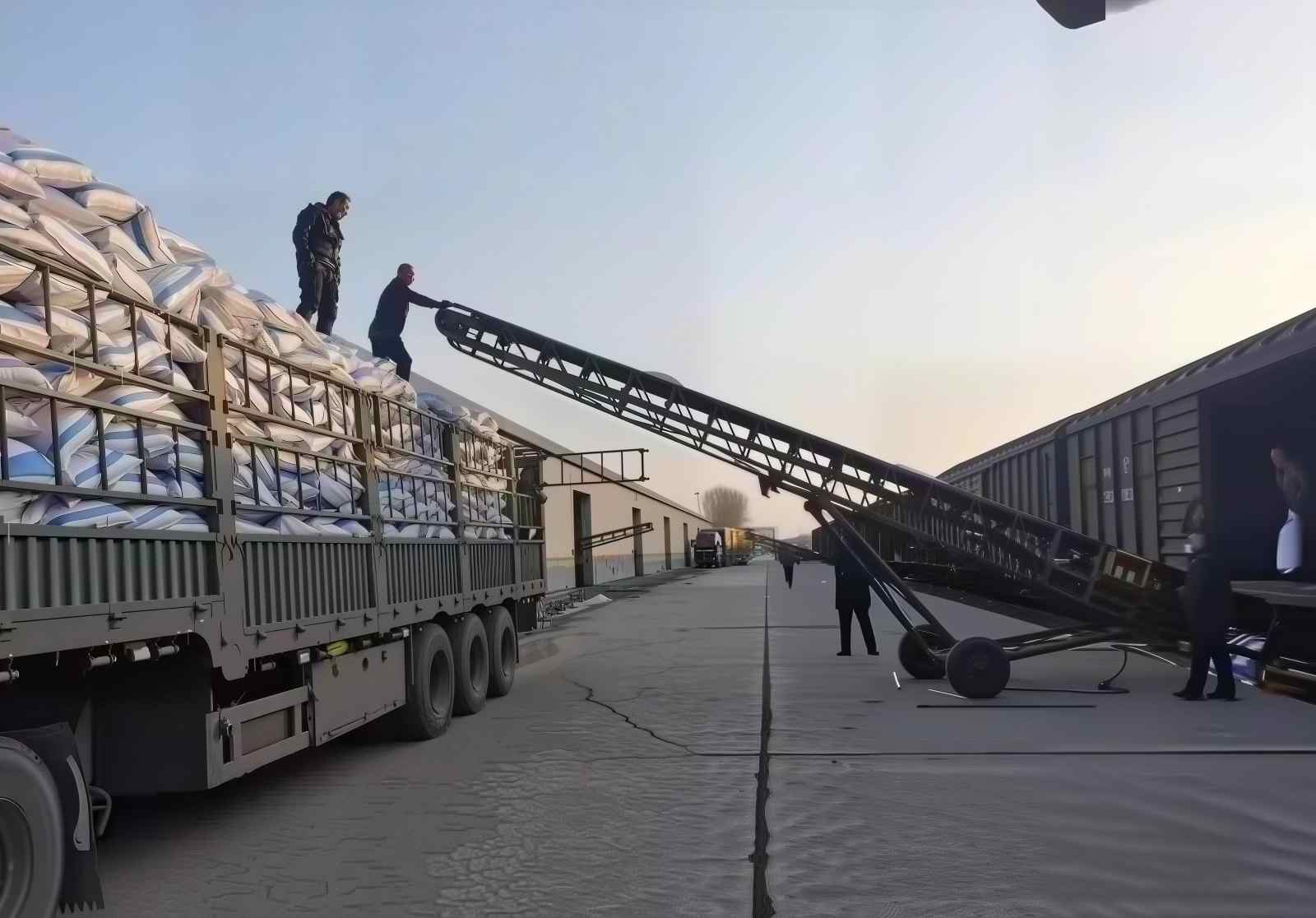
- Fertilizer Plants — urea, DAP, MAP, and NPK compounds create highly corrosive environments. Corrosion-resistant HDPE rollers with sealed bearings withstand chemical attack while protecting the belt from contamination.
- Salt Mines & Processing — rock salt and evaporated salt operations expose equipment to extreme chloride corrosion. HDPE rollers are the only practical choice for long-term, low-maintenance operation.
- Chemical Processing Plants — exposure to acids, alkalis, and chemical compounds that rapidly degrade steel components. HDPE's chemical inertness ensures reliable performance without contamination risk.
- Food & Grain Handling — hygienic, non-toxic, and easy to clean. The non-stick surface prevents material adhesion and bacterial growth, meeting USDA and HACCP requirements.
HDPE Rollers vs Steel Rollers: A Quick Comparison
| Feature | HDPE Roller | Steel Roller |
|---|---|---|
| Weight | Light (SG 0.94) | Heavy (SG 7.85) |
| Corrosion Resistance | Excellent — immune to salt, acid, alkali | Poor — requires coating; coating wears off |
| Noise Level | ≤45dB | 65dB+ |
| Belt Wear Reduction | Over 30% vs steel | Baseline |
| Anti-Static | Yes (non-magnetic) | No (conductive) |
| Service Life (Corrosive Env.) | 40,000+ hours | 3,000–10,000 hours (corrodes) |
| Maintenance | Minimal — no rust, no painting | Regular — rust treatment, repainting |
Conclusion: Are HDPE Rollers Worth It?
HDPE rollers and idlers present a clear set of advantages for conveyor performance in corrosive, high-moisture, and hygiene-critical environments. From their superior wear and impact resistance to their corrosion immunity, noise reduction, and anti-static properties, HDPE components are the ideal choice for industries seeking enhanced productivity, workplace safety, and lower total cost of ownership.
For port terminals battling salt corrosion, fertilizer plants handling corrosive chemicals, or salt processing operations seeking reliable long-term performance, ZOOMRY HDPE rollers deliver measurable improvements in conveyor system efficiency and longevity. Contact our engineering team for a customized roller specification tailored to your operating environment.
Related Solutions
Need HDPE Rollers for Your Conveyor System?
Contact ZOOMRY for corrosion-resistant HDPE rollers engineered for your specific operating environment — backed by 20+ years of conveyor component expertise.
Contact Us Today