 ZOOMRY

Conveyor Belt connection methods directly affect splice strength, downtime, and long-term operating costs in bulk material handling. Mechanical fasteners and hot vulcanization are the two primary conveyor belt splicing techniques used across mining, cement, port, and aggregate operations. As a professional bulk material handling solution provider, ZOOMRY offers complete conveying systems and components engineered for reliable belt performance. This guide compares mechanical fasteners vs hot vulcanization with practical selection criteria for different belt types and applications.
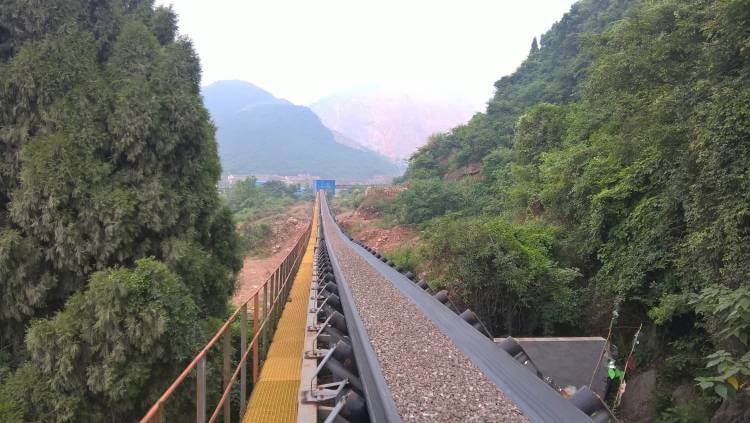
Common Conveyor Belt Connection Methods
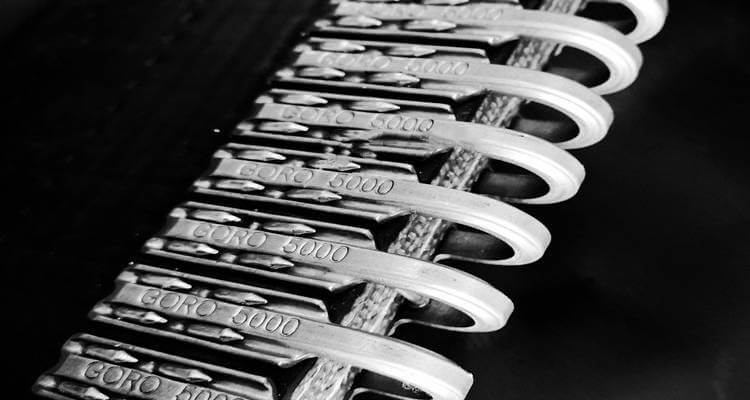
Mechanical Fasteners
Mechanical fasteners connect the two ends of a conveyor belt using joint clips, bolts, rivets, or clamps. This mechanical belt joint method requires no heating or chemical reaction — the belt ends are fixed directly in a short time. It is commonly selected for emergency repairs, temporary joints, shorter conveyors, or applications where rapid installation and future disassembly are important.
Connection Styles
- Metallic connection: Steel fasteners, hinged lacing, plates, or bolt-on systems mechanically join the belt ends. They are commonly selected for emergency repairs, temporary joints, shorter conveyors, or applications where rapid installation and future disassembly are important.
- Non-metallic connection: Plastic clips and nylon connection pieces are generally used for light loads or lighter materials. Compared to metal joints, non-metallic fasteners are lighter and more economical.
Features of Mechanical Fasteners
- Easy installation: No heating or cooling required. Most mechanical fasteners can be installed in minutes, reducing downtime.
- Strong adaptability: Mechanical connections are not affected by temperature and humidity, suitable for various harsh working environments.
- Rapid replacement: Mechanical connection parts can be easily disassembled for quick belt replacement or repair.
- Diverse options: Various mechanical fastener types are available for light-duty to medium-duty applications.
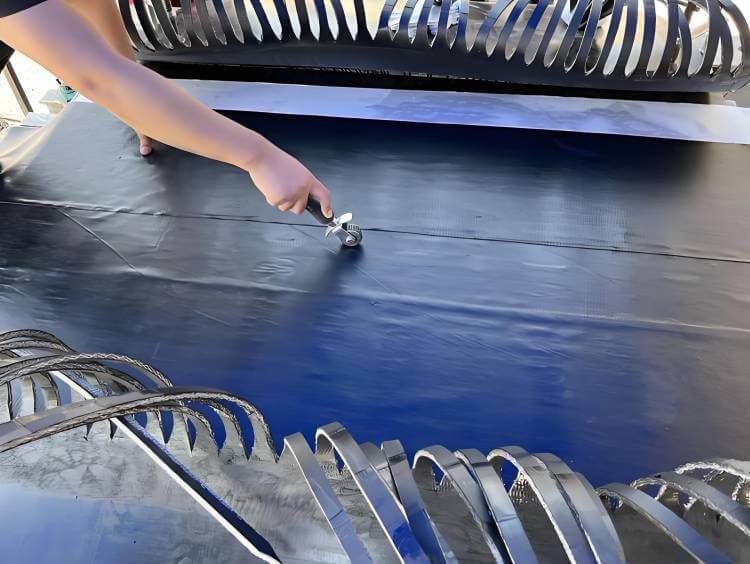
Hot Vulcanization
Hot vulcanization uses controlled heat, pressure, time, and compatible rubber materials to create an engineered splice between prepared belt ends. The splice is formed using a vulcanizing press and a process designed around the belt construction, cover grade, and operating tension. This method avoids the raised profile and wear issues associated with mechanical joints, providing a smooth and durable connection for heavy-duty conveying.
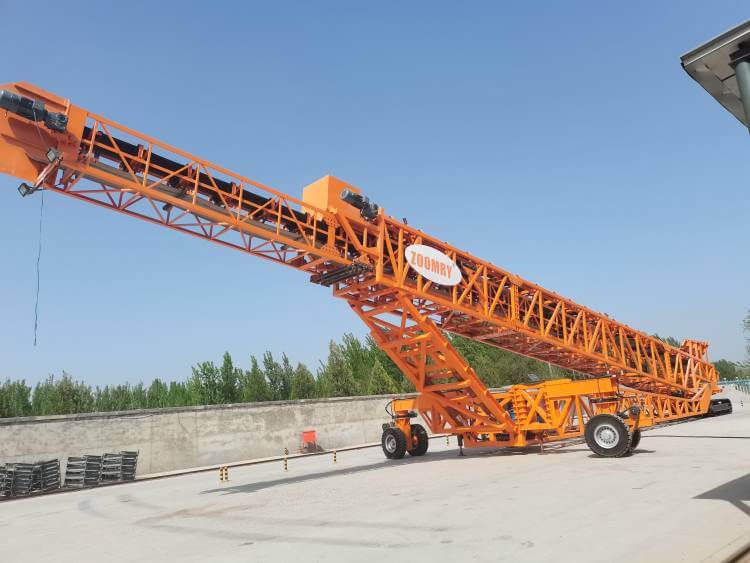
Conveyor belts used in international ports, mines, mobile ship loaders, telescopic stackers, truck unloaders, and other flexible equipment can opt for hot vulcanization splicing. When designed and installed correctly, a hot-vulcanized splice provides a smooth belt profile and can support reliable long-term operation. Splice performance depends on belt preparation, splice geometry, materials, curing conditions, installer skill, inspection, and operating duty.
Features of Hot Vulcanization
- Strong connection: A properly engineered vulcanized splice integrates the belt ends into a continuous structure, supporting high-tension operation.
- Smooth and seamless: The vulcanized joint has no exposed hardware, resulting in low friction and noise, avoiding material jamming during transportation.
- Reduced replacement frequency: Durable splice performance can reduce the frequency of conveyor belt replacements compared with mechanical joints in heavy-duty applications.
Mechanical Fasteners vs Hot Vulcanization: Selection Comparison
The correct conveyor belt connection method depends on belt construction, calculated operating tension, conveyor speed, pulley configuration, conveyed material, installation conditions, planned downtime, and the required service life of the splice.
| Selection Factor | Mechanical Fasteners | Hot Vulcanization |
|---|---|---|
| Typical Use | Emergency repairs, temporary joints, frequent belt replacement, and applications requiring rapid installation | Long-term operation, high-duty conveying, wide belts, and engineered belt splice requirements |
| Installation Time | Usually faster; suitable where downtime must be minimized | Requires belt preparation, vulcanizing equipment, controlled curing, and trained personnel |
| Belt Profile | Raised mechanical joint may affect scraper, pulley, and idler interaction | Smooth engineered splice profile designed to match the belt structure |
| Maintenance | Requires periodic inspection for wear, loosening, damage, and fastener condition | Requires inspection of splice condition, but avoids exposed mechanical hardware |
| Fabric Belt Suitability | Suitable for selected fabric belt duties, especially temporary or rapid-repair applications | Common for permanent fabric belt splices where smooth running and higher splice performance are required |
| Steel Cord Belt Suitability | Generally limited to selected temporary or emergency situations, subject to belt design and safety assessment | Typically used for steel cord belt splices in long-distance and high-tension conveying applications |
Note: Final splice selection must be confirmed according to belt manufacturer guidance, conveyor operating tension, pulley diameter, belt construction, safety requirements, and site installation conditions.
When selecting a conveyor belt connection method, users need to balance cost with performance. Fabric conveyor belts can use mechanical fasteners, cold vulcanization, or hot vulcanization depending on the operating duty and maintenance requirements. Steel cord belts used in long-distance and high-tension applications are generally joined by engineered hot-vulcanized splices because splice design is critical to belt strength and conveyor reliability.
ZOOMRY Conveyor Belt Splicing Support
ZOOMRY provides belt conveyors, mobile ship loaders, truck unloaders, telescopic stackers, and other conveyor equipment, along with components such as rollers, pulleys, conveyor belts, and connection materials and tools. ZOOMRY provides belt conveyor systems, components, and project-specific technical support. Available support scope for mechanical fasteners, hot vulcanization, installation guidance, and commissioning is confirmed according to the equipment order, project location, and contract requirements. View ZOOMRY's conveyor belt EPC project cases to see proven results worldwide.
Related Products
Industry Applications
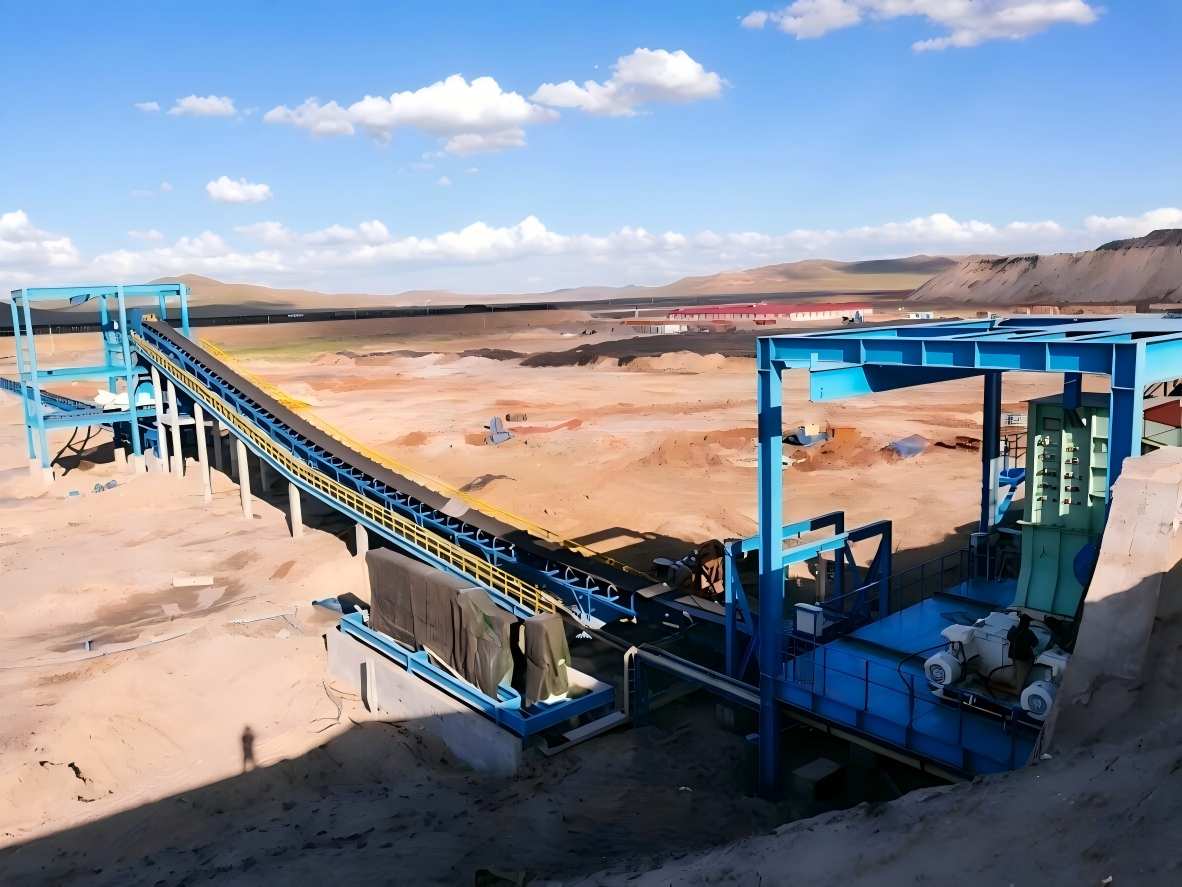
Conveyor belt splicing solutions for mine operations
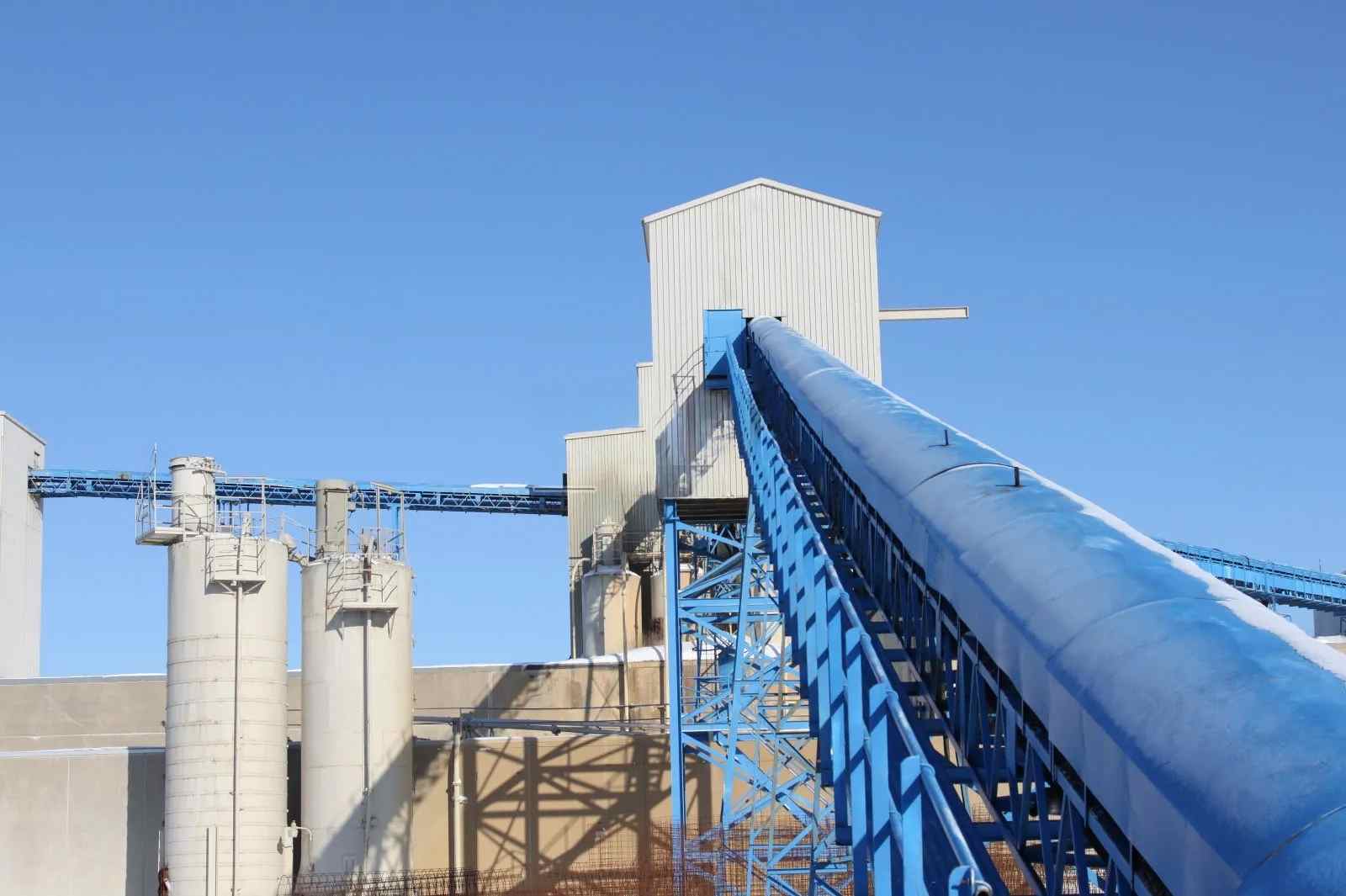
Hot vulcanization for high-temperature cement conveyor belts
Need Conveyor Belt Connection Support?
Contact ZOOMRY for conveyor belt splicing solutions, mechanical fasteners, hot vulcanization services, and expert guidance tailored to your belt type and application.
Contact Us →