 ZOOMRY

With the rapid development of industrial production, Conveyor Belts are increasingly used in production processes — their stability and reliability directly impact production efficiency and product quality. However, belt deviation occurs frequently, causing significant operational disruption. As a professional bulk material handling solution provider, ZOOMRY supplies complete belt conveyor systems with advanced anti-deviation technology for mining, cement, and industrial applications. This guide analyzes the causes of conveyor belt deviation and provides proven prevention measures.
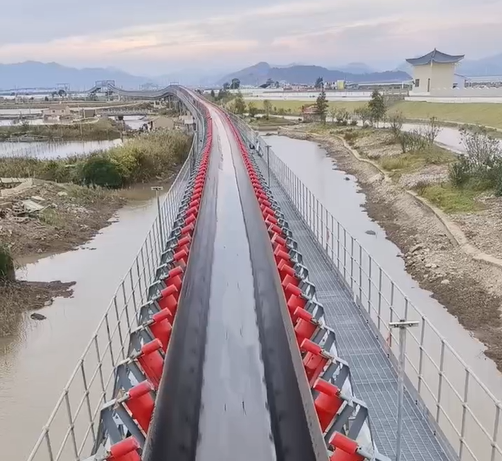
Causes of Conveyor Belt Deviation
Belt deviation occurs when the center line of the conveyor belt deviates from the roller axis during operation. The five primary causes are:
- Uneven material distribution: When material is not centered on the belt, lateral forces push the belt to one side. This is common at loading points without proper chutes or hopper feeders.
- Improper idler installation: Idlers are critical support components — incorrect installation causes uneven belt stress and deviation. Idler axes must be perpendicular to the belt center line with all idler groups parallel.
- Conveyor belt quality issues: Poor elasticity, tensile strength, or manufacturing inconsistencies in the belt itself affect operational stability. Always select high-quality belts with reliable specifications.
- Weak belt joints: Improperly handled splices — especially mechanical fasteners on high-tension belts — have lower strength and stiffness than the belt body, creating deviation-prone points. Steel cord belts should use hot vulcanized splices for maximum joint integrity.
- Insufficient or excessive tension: Belt tension significantly impacts stability. Both under-tensioning (causing slippage and wandering) and over-tensioning (causing uneven stress distribution) lead to deviation. Proper take-up pulley adjustment is essential.
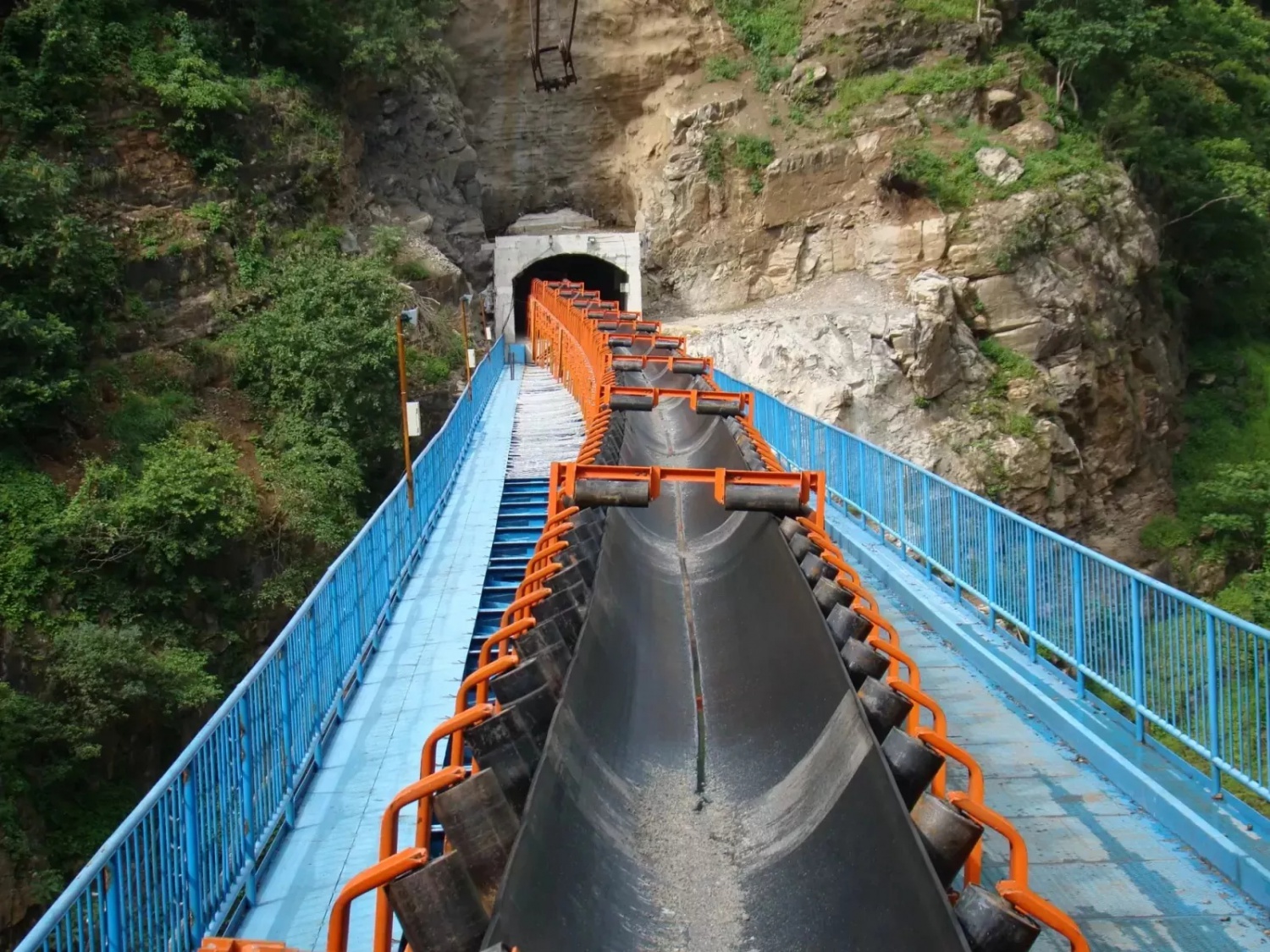
Measures to Prevent Belt Deviation
- Optimize material distribution: Ensure materials are distributed evenly on the belt. Achieve this by adjusting material placement position, adding baffles, and using properly designed feed chutes. impact beds at loading points help center the material stream.
- Install idlers correctly: Ensure idler axes are perpendicular to the belt center line with good parallelism between idler groups. Regularly check roller rotation and replace severely worn rollers promptly — seized rollers are a common deviation trigger.
- Choose high-quality conveyor belts: Select belts with reliable quality and proven performance. Elasticity, tensile strength, and dimensional consistency must meet operational requirements. ZOOMRY's 11 conveyor belt types are manufactured to ISO 9001 standards.
- Strengthen joint treatment: Use professional-grade splicing methods — hot vulcanization for permanent joints, cold bonding for medium-duty applications. Regularly inspect joint condition and address any signs of weakness before deviation develops.
- Control belt tension: Adjust tension according to belt length, load, and operating conditions. Regularly inspect the tensioning device and adjust promptly. Gravity take-up systems provide automatic tension compensation as belts stretch.
Advanced Anti-Deviation Technologies
1. Automatic Self-Aligning Roller
The self-aligning roller automatically adjusts its axis perpendicular to the belt center line when deviation is detected. With fast response speed and high adjustment accuracy, it effectively restores the belt to normal operation. Self-aligning idlers are installed at intervals along both the carry and return sides of the conveyor.
2. Hydraulic Self-Aligning Roller
Hydraulic self-aligning rollers use hydraulic principles to adjust roller axis perpendicularity relative to the belt center line. When deviation occurs, the roller automatically adjusts its position based on belt offset magnitude. With large adjustment range and fast adjustment speed, this technology is suitable for anti-deviation applications on large-scale production lines and long-distance belt conveyors.
3. Electronic Anti-Deviation Device
Electronic anti-deviation devices use sensors and control systems to detect deviation trends and immediately adjust idler position or tension via the control system. With fast response and high adjustment accuracy, these devices are ideal for production lines with strict deviation prevention requirements. They can be integrated with belt arrestor systems for comprehensive belt protection.
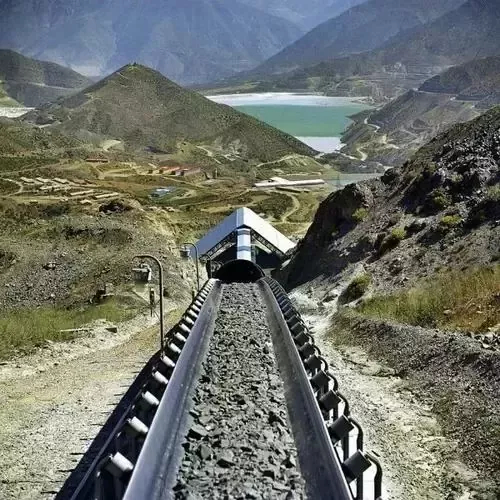
Related Equipment
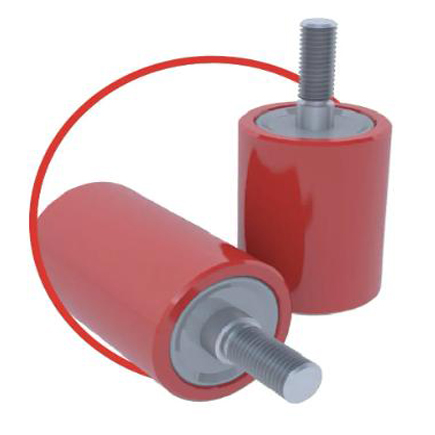
Self-aligning idlers that automatically correct belt mistracking — IP66 sealing, 40,000+ hours.
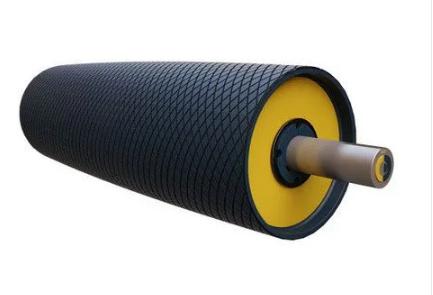
Gravity-force tension adjustment — maintains proper belt tension to prevent deviation.
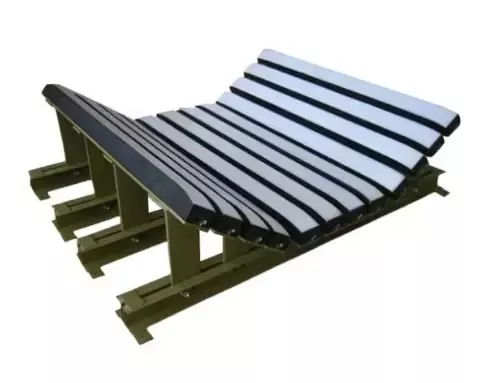
Centers material at loading points — prevents uneven distribution that causes deviation.
Need Belt Tracking Solutions?
Contact ZOOMRY for anti-deviation device recommendations, idler alignment support, and conveyor belt tracking solutions.
Contact Us →