 ZOOMRY

EP Conveyor Belt — also known as polyester conveyor belt (NP conveyor belt in the U.S.) — is short for Polyester fabric. It uses polyester in the longitudinal (warp) direction and polyamide (nylon) for the latitude (weft). EP fabric plies are sandwiched between rubber skim coats for adhesion and load support, with top and bottom cover compounds added for maximum carcass protection. As a professional bulk material handling solution provider, ZOOMRY supplies a complete range of EP conveyor belts for mining, cement, and industrial applications worldwide.
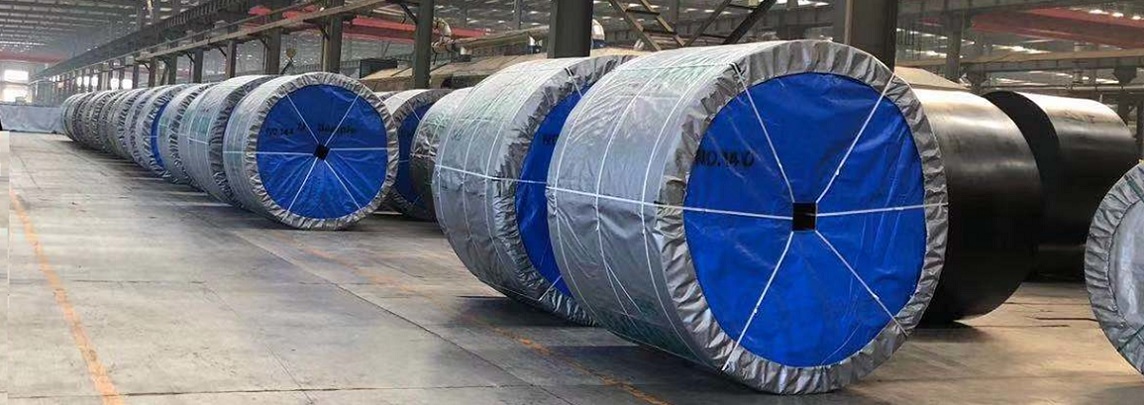
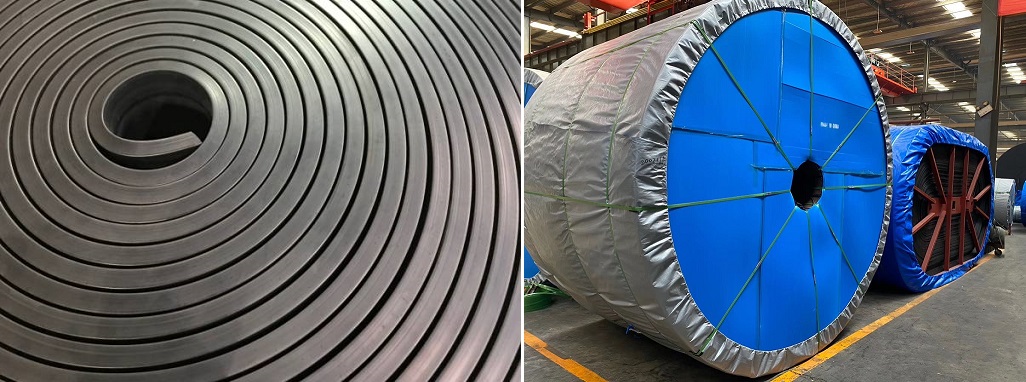
The EP conveyor belt consists of 2 to 6 EP fabric plies. It shares merits with Nylon (NN) conveyor belts. Its tensile carcass — warp polyester and weft nylon knitted fabric — delivers low elongation in the warp direction and excellent troughing formation in the longitudinal direction. EP belt strength does not decrease in humid environments, and no mildew occurs. Polyester's high initial modulus allows a lower safety factor. It is suitable for medium and long-distance, high-load, high-speed conveying.
EP rubber conveyor belts are widely used in mining and processing industries for transporting bulk or lumpy materials such as quarry aggregates, ore, coke, sand, clinker, chemicals, and construction materials.
EP fabric has the following advantages:
- Lower longitudinal elongation
- Full resistance to mildew, moisture and rotting
- Good flexibility and troughability
- Short take-up lengths
- Suitable for medium and long-distance transportation of higher load and speed
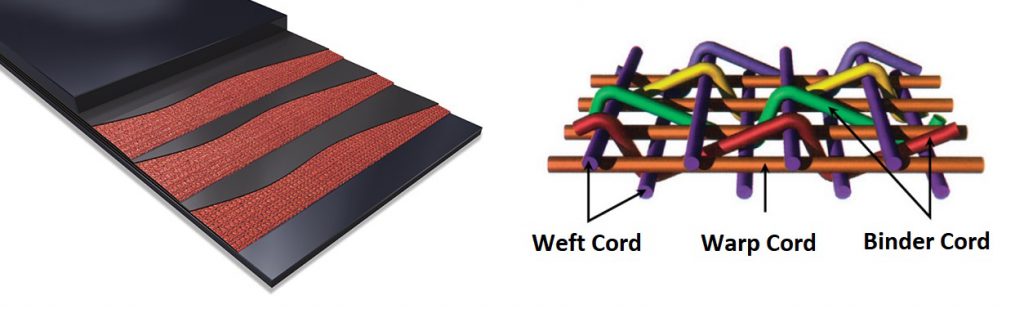
EP fabric has excellent compatibility with other rubbers, so it can be combined with any cover grade — making it a perfect match for almost any application. This allows EP conveyor belts to convey virtually any product in any environment: from fine powders to large lumps, dry to greasy materials, and extremely cold to very hot conditions.
Due to these excellent properties and very economical pricing, EP conveyor belts have become the most widely used conveyor belt type in the world — handling light and heavy-duty work in seaports, steel mills, mining, cement plants, metallurgy, agriculture, electric power, and chemical industries.
Key Symbols of EP Conveyor Belt
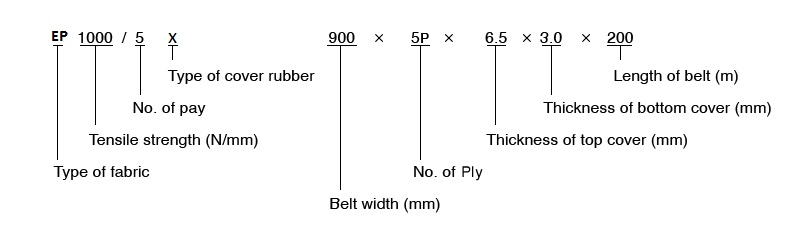
Representation method of EP conveyor belt: EP1000/5 900×5 (6.5+3.0)=200m
The polyester layer is represented by EP. EP1000 means the total tensile strength of the belt is 1,000 N/mm. The number 5 represents the number of EP layers — each layer type is EP200 correspondingly. 900 represents the belt width in millimeters. 6.5 is the upper cover rubber thickness in mm, and 3.0 is the bottom cover rubber thickness. 200 represents the belt length in meters.
Related Equipment
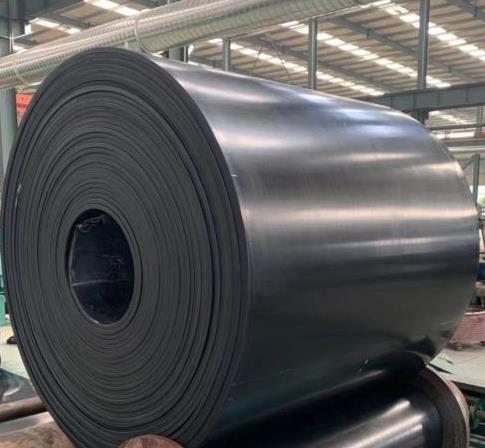
EP80–EP450 fabric belts — low elongation, moisture resistant, widths up to 2,500 mm.
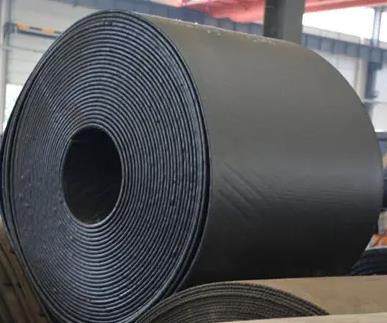
High elasticity, impact-resistant NN belts — ideal for heavy-load medium-long distance conveying.
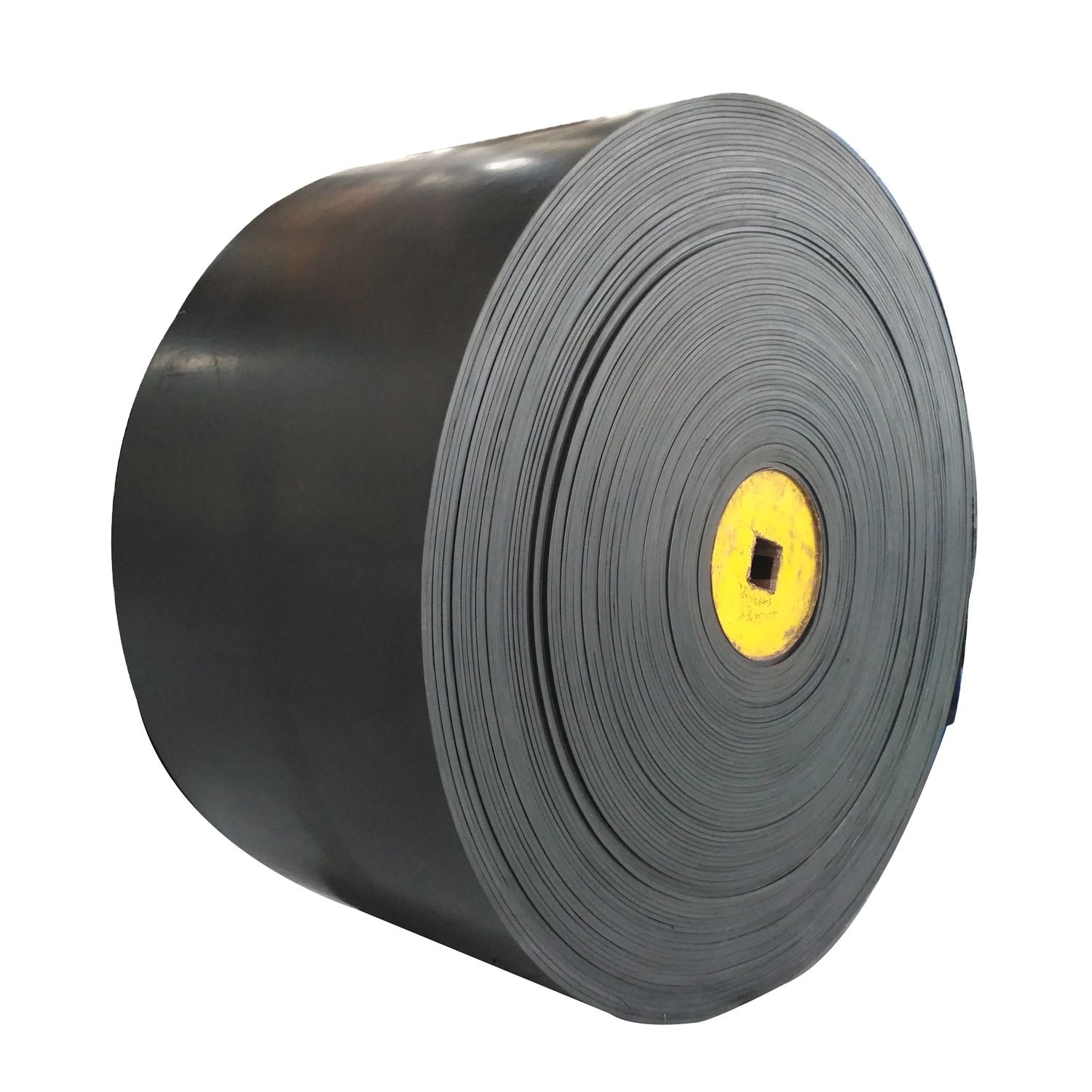
Multi-ply EP and nylon carcass — economical alternative to steel cord belts for moderate distances.
Need EP Conveyor Belts for Your Operation?
Contact ZOOMRY for EP belt specifications, cover grade recommendations, and custom widths tailored to your application.
Contact Us →