 ZOOMRY

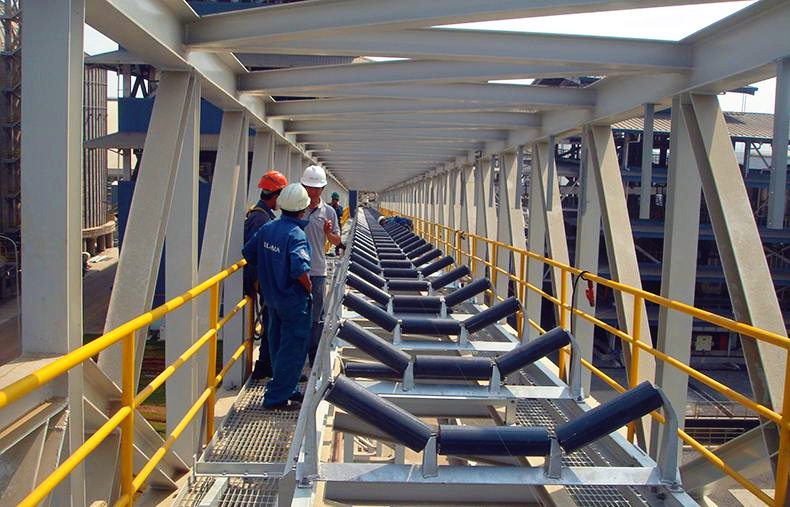
Conveyor idlers and rollers are non-powered rotating support components installed along the carrying and return runs of a belt conveyor. They support the belt and conveyed material, shape the loaded belt, manage sag, and help maintain stable tracking. Their selection, spacing, alignment, bearing design, and sealing arrangement directly influence running resistance, belt life, and overall conveyor reliability.
Core Functions of Conveyor Idlers and Rollers
Idlers and rollers serve several key functions in a belt conveyor system. Understanding these functions helps when selecting the right configuration for a specific conveyor section.
Support the Belt and Material
Idlers form the supporting bed for the Conveyor Belt on both the carrying and return sides. On the carrying side, troughing idler sets shape the belt into a trough profile that increases material-carrying capacity. On the return side, flat or V-return idlers support the empty belt and control its tracking.
Reduce Belt Friction and Running Resistance
Rotating rollers replace sliding contact with rolling contact, which significantly reduces friction compared with the belt dragging over a fixed surface. Lower running resistance means lower drive power demand and less belt cover wear. Precision bearings, effective sealing, low roller runout, and proper concentricity keep rotation resistance low throughout the idler service life.
Absorb Impact at Loading Points
At transfer points and crusher discharges, falling material creates concentrated impact loads. Impact idlers with rubber cushion rings absorb part of this energy, protecting the belt carcass and helping to prevent punctures and cover damage. The right impact idler configuration depends on drop height, material lump size, and belt speed.
Control Belt Tracking and Alignment
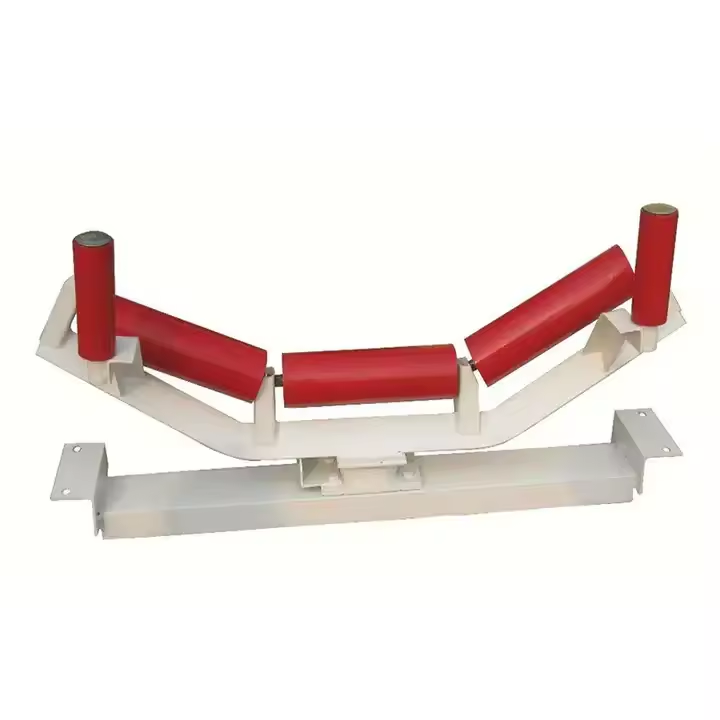
Self-aligning idlers and roller frames correct belt mistracking by pivoting in response to belt contact, guiding the belt back toward the conveyor centerline. Proper idler alignment at installation is the first line of defense against belt drift. Self-aligning units provide ongoing correction where side forces are variable, but they should not be used to compensate for a misaligned structure, unsquared pulleys, off-center loading, uneven belt tension, or material buildup; these root causes should be corrected first.
Support Stable Belt Travel Near Take-Up Zones
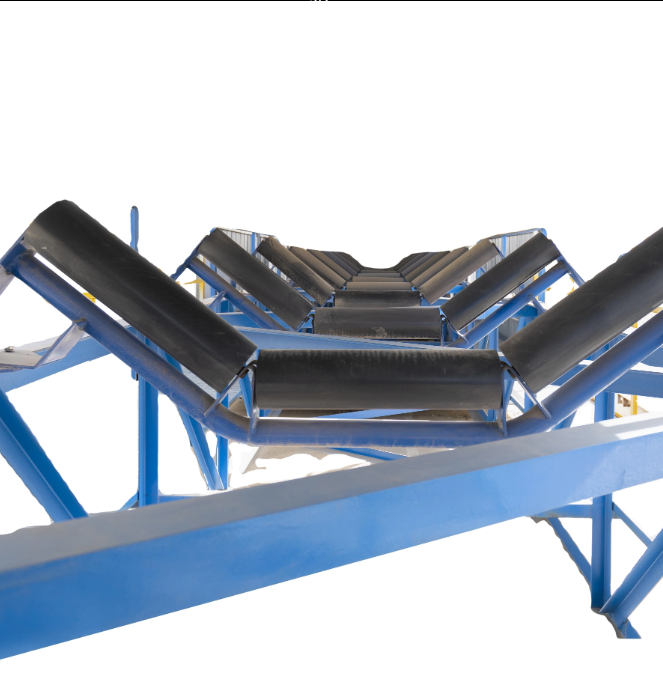
Rollers do not create belt tension; the take-up system performs that function. Correct roller spacing, alignment, and transition geometry near the take-up help the belt travel smoothly through the tensioning zone and avoid excessive sag, vibration, or localized edge contact.
Common Idler Types and Their Specific Roles
| Idler Type | Primary Function |
|---|---|
| Troughing carrying idler | Shapes the loaded belt into a trough to increase capacity and contain material |
| Return idler | Supports the empty return belt; flat or V-profile designs control tracking |
| Impact idler | Absorbs shock at loading points with rubber cushion rings |
| Self-aligning idler | Corrects belt mistracking through pivot-mounted guide rollers |
| Spiral or disc return idler | Reduces sticky material buildup on the return belt |
Different conveyor sections require different idler types. A properly designed idler arrangement uses troughing idlers on the carrying run, flat or V-return idlers on the return run, impact idlers at transfer points, and self-aligning idlers where tracking correction is needed.
Why Idler Quality Matters
Idlers are the most numerous wearing components in a belt conveyor. Even a small number of seized rollers increases friction, causes belt damage, and raises energy consumption across the entire system. Key quality factors include:
- Bearing type and sealing arrangement
- Shell material and wall thickness
- Shaft straightness and fit tolerance
- Roller runout, concentricity, and dynamic balance
- Rotation resistance under load
- Idler-frame stiffness and accurate installation alignment
- Corrosion resistance for the operating environment
For a detailed comparison of steel, HDPE, and rubber rollers, see the conveyor roller selection guide. For CEMA classification, see how to choose CEMA B, C, D, E idlers.
Conveyor idlers and rollers play a supporting, guiding, and protective role across the full conveyor circuit. Correct idler selection, spacing, and alignment reduce belt wear, lower energy consumption, and extend component life. Explore the full range of conveyor rollers and idler assemblies for mining, cement, coal, and port applications.
Related Products
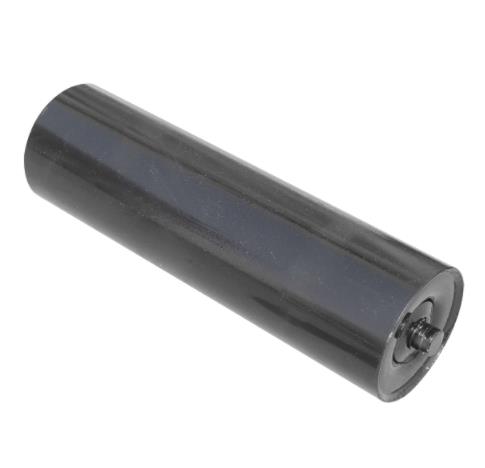
Steel, HDPE, and impact rollers for belt conveyor support
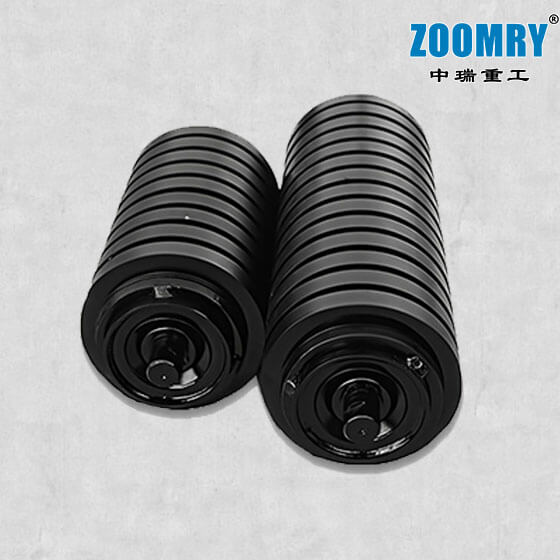
Rubber cushion rings for loading zone impact protection
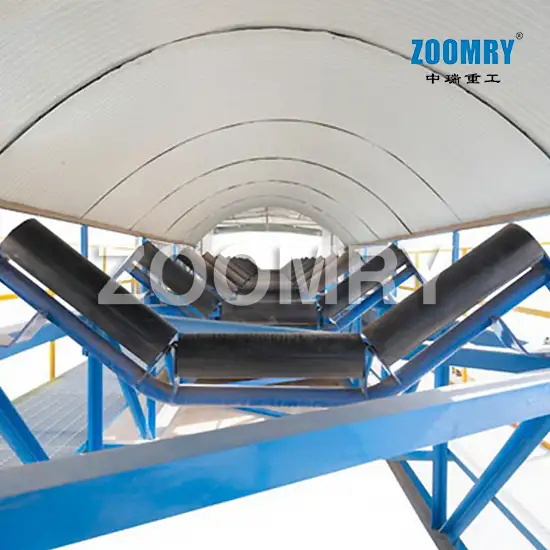
Complete idler assemblies for carrying and return runs
Industry Applications
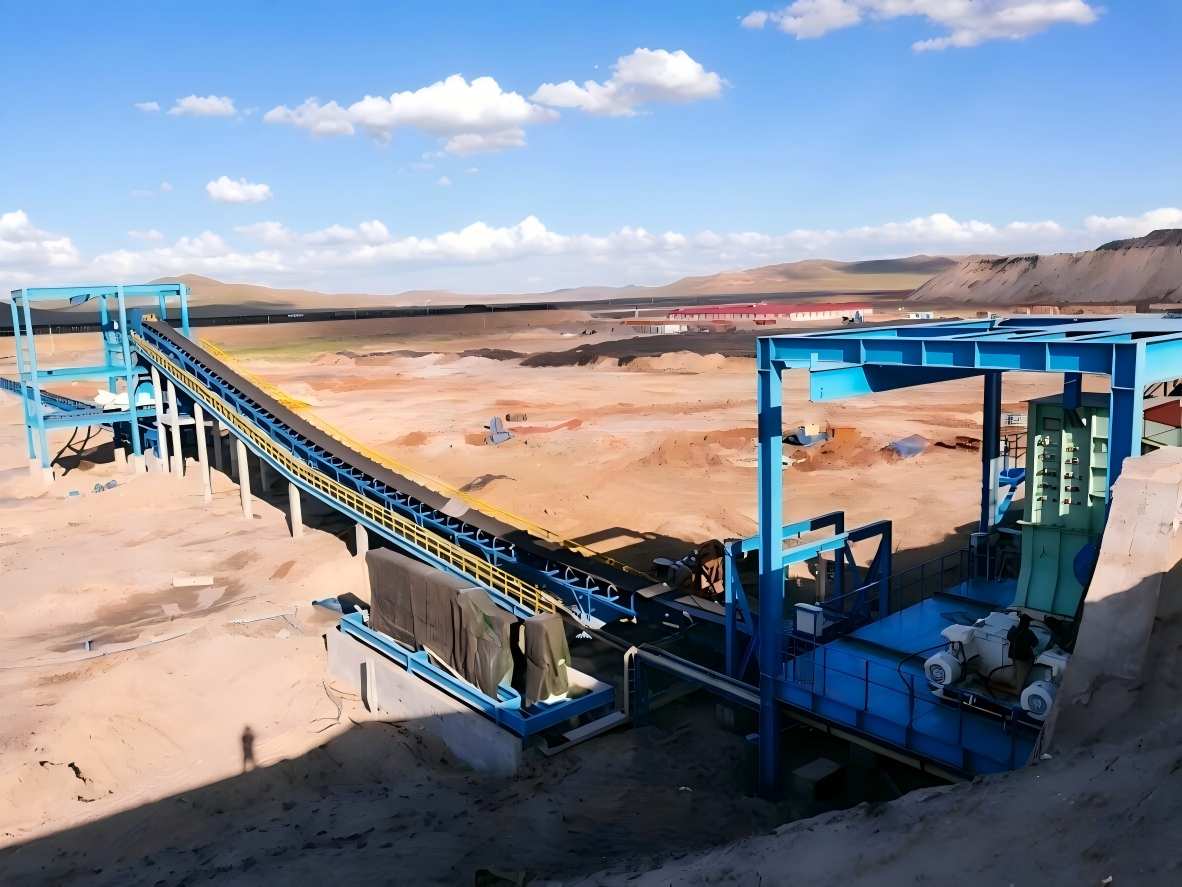
Heavy-duty idlers for ore and mineral conveyors
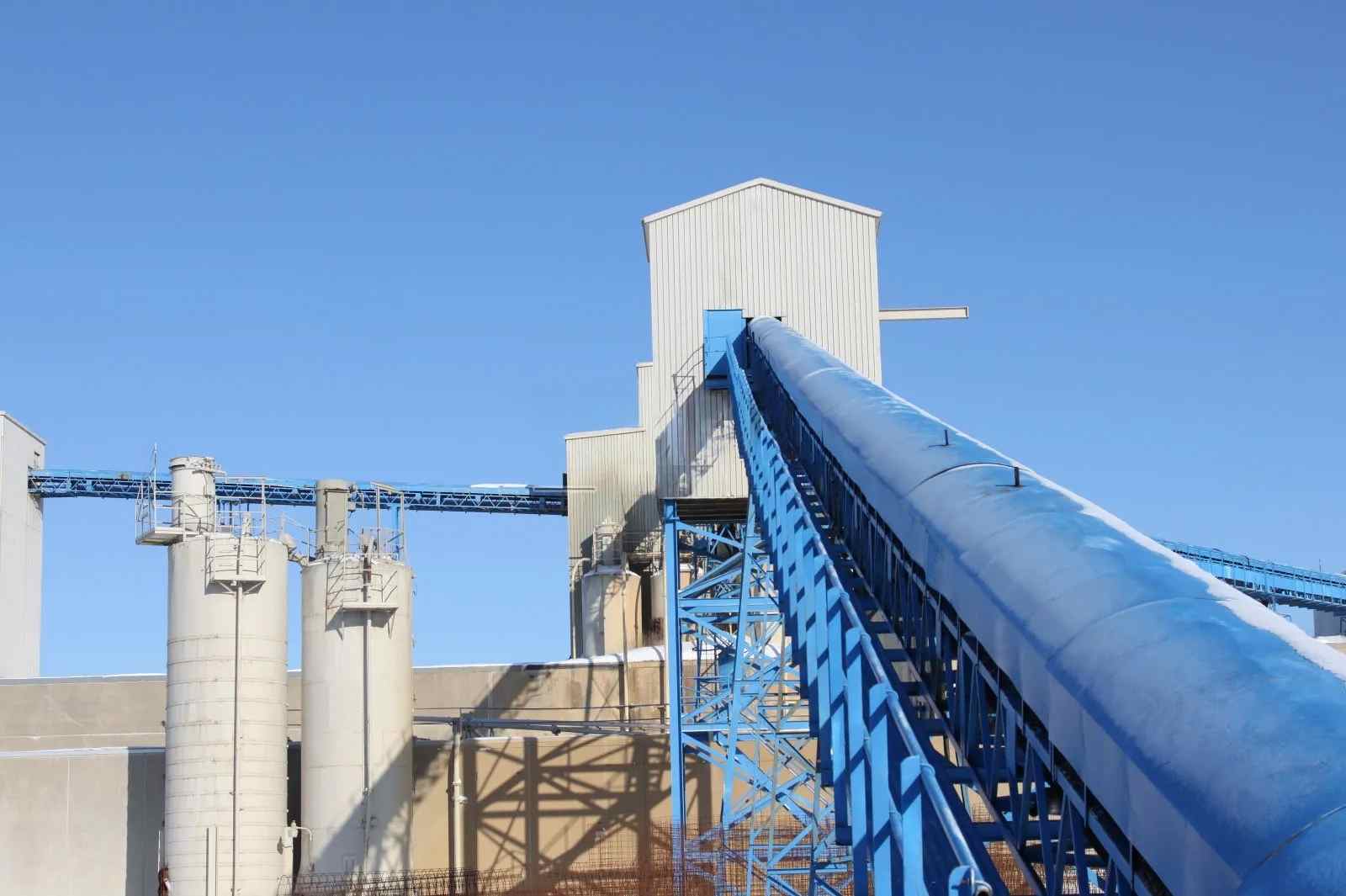
Rollers with sealing arrangements selected for dusty cement plant environments
Need Idler and Roller Support for Your Conveyor System?
Contact ZOOMRY for idler selection, spacing recommendations, and component specifications tailored to your conveyor duty and material conditions.
Contact Us →