 ZOOMRY

Quick answer: A mobile shiploader travels along the quay to serve multiple berths and vessel sizes from one machine (100–3,500 t/h, no civil works). A fixed shiploader is anchored at one berth for maximum sustained capacity (up to 6,000+ t/h, requires foundations and rail). Based on ZOOMRY project data from a 2025 multi-berth terminal in Southeast Asia, a single ZRSL-58 mobile shiploader replaced two fixed loading points, reducing total equipment investment by 35% and deployment time by 18 months.
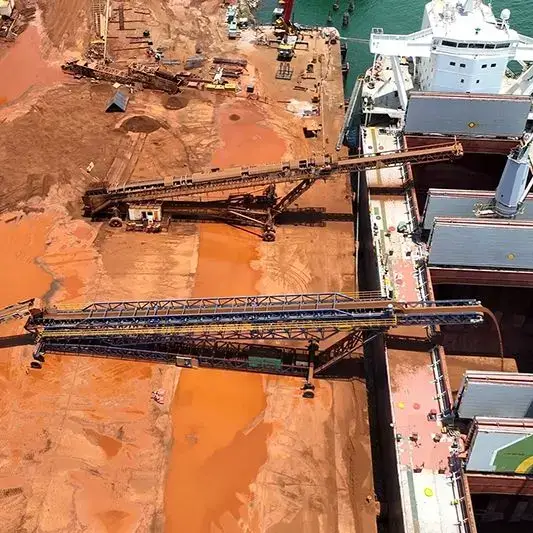
Core Functional Difference
A mobile shiploader is built on a wheeled or tracked undercarriage and can reposition along the quay under its own power or by towing. The machine receives material from a quayside feed system — a hopper feeder, truck unloader, or fixed belt conveyor — and discharges it into the vessel through a boom conveyor and telescopic chute. When the terminal needs to load a different berth or a different vessel size, the machine relocates without civil works or dismantling.
A fixed shiploader is anchored at a dedicated berth. It is typically rail-mounted or supported on a permanent steel structure, with a dedicated feed conveyor running from the stockyard or silo to the loading point. The machine serves one loading location and is engineered for continuous, high-capacity operation at that berth. Repositioning a fixed shiploader to another berth would require dismantling and rebuilding the installation.
In short: the mobile shiploader is a flexibility-first design; the fixed shiploader is a throughput-first design.
Key Differences at a Glance
| Comparison Factor | Mobile Shiploader | Fixed Shiploader |
|---|---|---|
| Mobility | Wheeled or tracked; travels along the quay | Anchored at one berth |
| Berths served | Multiple berths from one machine | One dedicated berth |
| Civil works | Minimal — no foundations or rails | Substantial — foundations, rails, feed conveyor |
| Deployment time | Months from order to operation | Years including civil works |
| Capital cost | Typically 40–60% lower upfront investment | Higher total project cost |
| Capacity range | 100–3,500 t/h | Can exceed 6,000 t/h |
| Vessel size range | Barge to Capesize (up to 180,000 DWT) | Dedicated vessel class |
| Best suited for | Multi-berth terminals, phased development, temporary operations | Dedicated high-capacity export berths |
Project Data 1 — Multi-Berth Terminal, Southeast Asia (2025)
Project: Multi-berth bulk terminal, Southeast Asia
Configuration: One ZRSL-58 mobile shiploader, boom length 58 m, capacity 3,000 t/h, serving three berths
Challenge: The terminal originally planned two fixed shiploaders, one for each of two berths. The project required a third berth for peak season, but the budget and timeline did not allow a third fixed installation.
Result: A single ZRSL-58 mobile shiploader was deployed to serve all three berths. Total equipment investment was reduced by 35% compared with the original two-fixed-shiploader plan. Deployment time was reduced by 18 months, since no civil works were required.
Key data:
- Equipment: ZRSL-58 mobile shiploader
- Boom length: 58 m
- Capacity: 3,000 t/h
- Berths served: 3
- Equipment investment reduction: 35%
- Deployment time reduction: 18 months
Project Data 2 — Coal Export Terminal, Africa (2025)
Project: Coal export terminal, Africa
Configuration: ZRSL-45 mobile shiploader + HF-TR tracked hopper feeder + ZRLD-TU1800 tracked truck unloader, integrated truck-to-ship system
Challenge: The terminal had no fixed conveyor infrastructure. Coal arrived by truck, and the previous method was truck-and-crane loading, which was slow and generated dust.
Result: The integrated mobile system — truck unloader, hopper feeder, and mobile shiploader — reduced total truck-to-ship cycle time by 42% compared with truck-and-crane loading. The hopper feeder acted as the buffer between intermittent truck arrivals and continuous ship loading. Dust emission was controlled by the shiploader's telescopic chute and dust suppression system.
Key data:
- Equipment: ZRSL-45 + HF-TR + ZRLD-TU1800
- Truck unloader capacity: 1,800 t/h
- Shiploader: ZRSL-45, 1,500 t/h
- Truck-to-ship cycle time reduction: 42%
- Previous method: truck-and-crane loading
Project Data 3 — Iron Ore Export Terminal, Australia (2026)
Project: Iron ore export terminal, Australia
Configuration: ZRSL-67 mobile shiploader, boom length 67 m, capacity 3,500 t/h, heavy-duty wear protection for abrasive ore
Challenge: The terminal needed to load Capesize vessels (up to 180,000 DWT) with highly abrasive iron ore. The existing fixed shiploader at the primary berth was operating at capacity, and a second berth needed a flexible loading solution.
Result: A ZRSL-67 mobile shiploader was deployed at the second berth. The 67 m boom reaches all hatches of a Capesize vessel from a single feed position. Heavy-duty wear liners and impact beds protect the conveyor from abrasive ore. The mobile unit serves as both a primary loader for the second berth and a backup for the primary berth during maintenance.
Key data:
- Equipment: ZRSL-67 mobile shiploader
- Boom length: 67 m
- Capacity: 3,500 t/h
- Vessel class: Capesize (up to 180,000 DWT)
- Material: iron ore (abrasive)
- Wear protection: heavy-duty wear liners, impact beds
When a Mobile Shiploader Makes Sense
- Multi-berth terminals: When a terminal loads vessels at several quay positions, one mobile shiploader can serve them all, reducing total equipment investment.
- Phased development: Terminals that plan to expand in stages can deploy a mobile shiploader now and add fixed infrastructure later if volumes justify it.
- Temporary or seasonal operations: Construction projects, seasonal grain export, and short-term contracts use mobile shiploaders that can be removed at the end of the project.
- Constrained sites: Ports with limited space, tidal restrictions, or existing infrastructure that prevents fixed installation benefit from the compact footprint of a mobile unit.
- Mixed vessel sizes: A telescopic boom serves small barges and large bulk carriers from the same quay position.
When a Fixed Shiploader Makes Sense
- High sustained loading rates: Major iron ore and coal export terminals use fixed shiploaders capable of continuous loading at very high tonnage rates.
- Stable long-term cargo: When the commodity and vessel schedule are predictable, the fixed installation provides lower operating cost per ton over a long service life.
- Integrated terminal systems: Fixed shiploaders connect directly to the terminal's stockyard conveyors, reclaim systems, and automation platforms.
- Dedicated berth commitment: When the berth is committed to one commodity and one vessel class, the fixed model delivers maximum efficiency at that position.
Cost Comparison Framework
| Cost Factor | Mobile Shiploader | Fixed Shiploader |
|---|---|---|
| Equipment cost | Lower upfront investment | Higher upfront investment |
| Civil works | Minimal | Substantial (foundations, rails, feed conveyor) |
| Deployment time | Months | Years |
| Operating cost per ton | Higher at low volume; competitive at multi-berth operations | Lower at stable high volume |
| Relocation cost | Low (self-propelled or towable) | Very high (dismantle and rebuild) |
| Maintenance | Standard mobile equipment maintenance | Site-specific maintenance |
Key Selection Factors
- Number of berths: Multiple berths favor a mobile shiploader.
- Required loading rate: Very high sustained rates favor a fixed shiploader.
- Vessel size range: Mixed vessel sizes favor a telescopic mobile unit.
- Quay conditions: Prepared surfaces support wheeled units; soft ground requires tracked configurations.
- Project timeline: Faster deployment favors mobile; long-term stability favors fixed.
- Budget structure: Lower upfront investment favors mobile; lower operating cost per ton at stable volume favors fixed.
Frequently Asked Questions
Can a mobile shiploader replace a fixed shiploader?
For many terminals, yes. A mobile shiploader can handle vessels from barge class to Capesize, with capacities up to 3,500 t/h. For major export terminals requiring sustained rates above 6,000 t/h at a single berth, a fixed shiploader remains the appropriate solution.
How long does it take to deploy a mobile shiploader?
Mobile shiploaders can typically be delivered and commissioned in months, compared with years for fixed installations that require civil works. The exact timeline depends on configuration, capacity, and site conditions.
Can a fixed shiploader be converted to a mobile shiploader?
No. Fixed and mobile shiploaders are engineered around different structural and mobility requirements. Converting a fixed installation to mobile configuration would require replacing the entire undercarriage and support structure, which is not economically practical.
What is the capacity range of a mobile shiploader?
Representative mobile shiploader configurations cover capacities from 800 to 3,500 t/h, with boom lengths from 33 to 67 meters. Final capacity and vessel suitability are confirmed for each terminal based on berth geometry, hatch dimensions, freeboard, tidal range, and cargo characteristics.
Can a mobile shiploader handle Capesize vessels?
Yes. With a boom length of 58–67 m, a mobile shiploader can reach all hatches of a Capesize vessel (up to 180,000 DWT) from a single feed position. Heavy-duty wear protection is recommended for abrasive materials such as iron ore.
Related Products
Quay-traveling loader for multi-berth operations
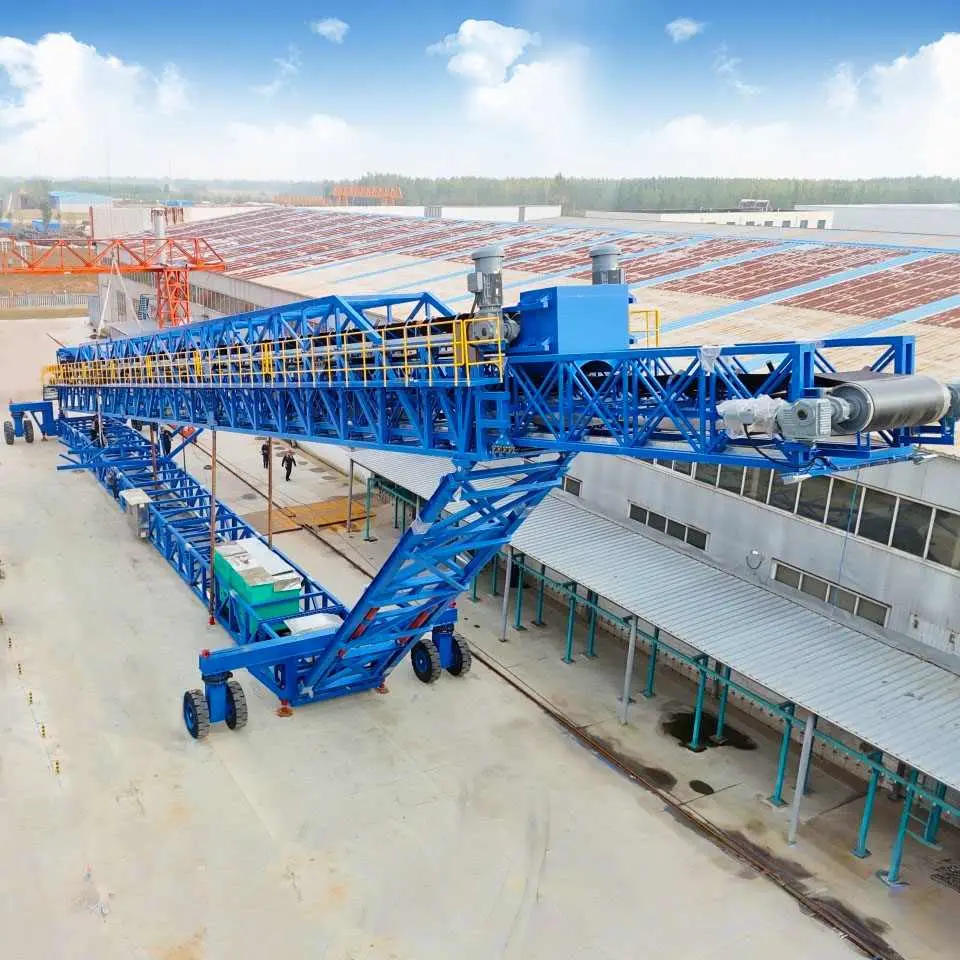
Dust-suppressed loading for coal export terminals
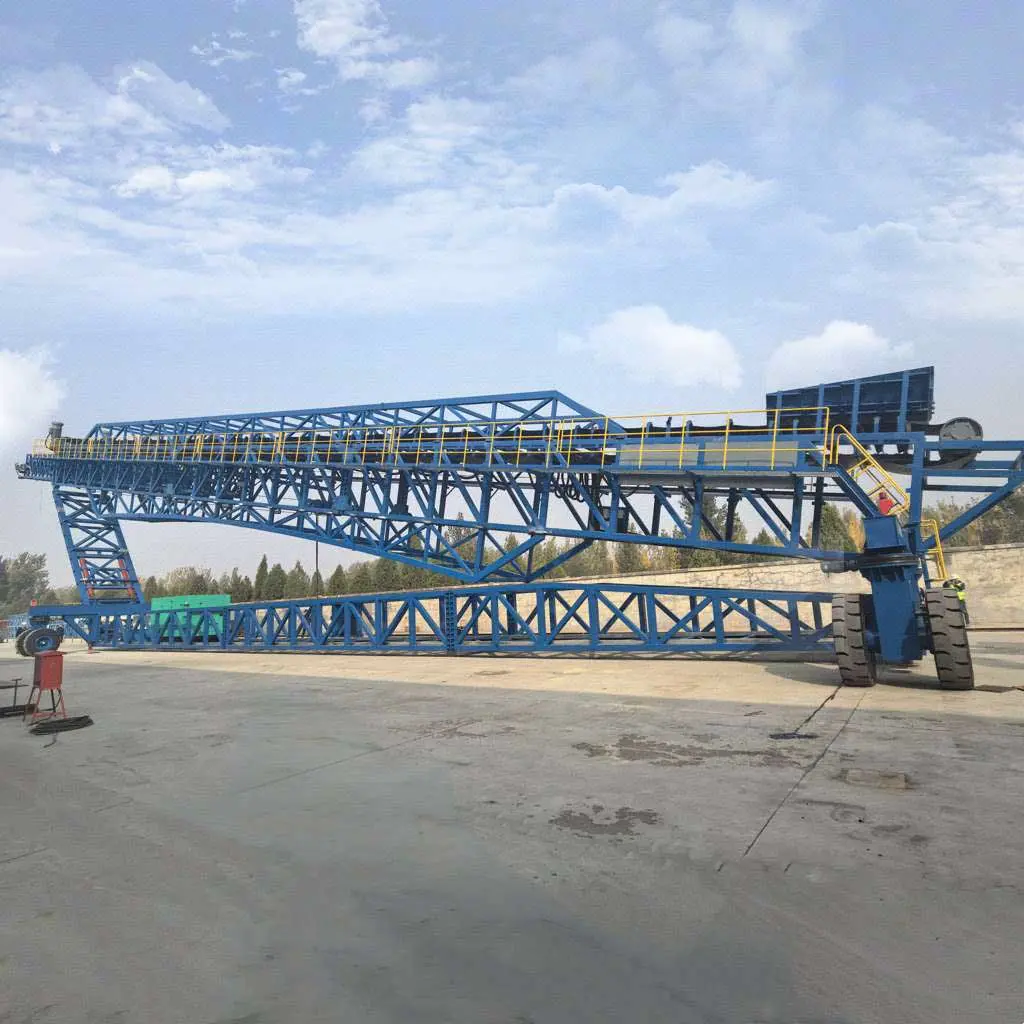
Heavy-duty wear protection for abrasive ore loading
Industry Applications
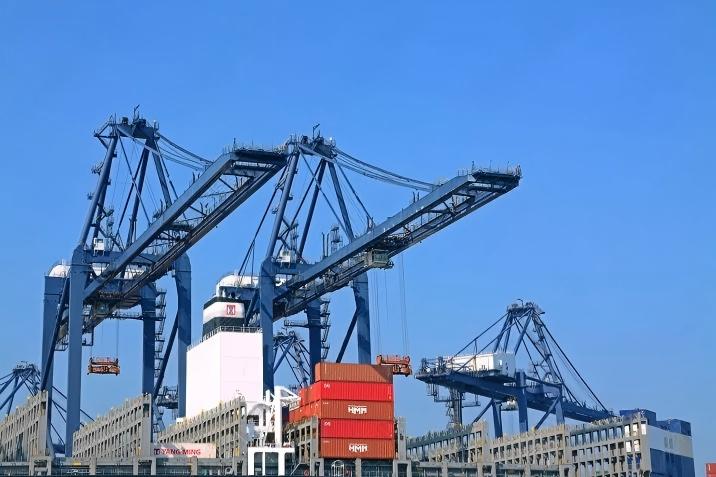
Mobile and fixed ship loading solutions for bulk terminals
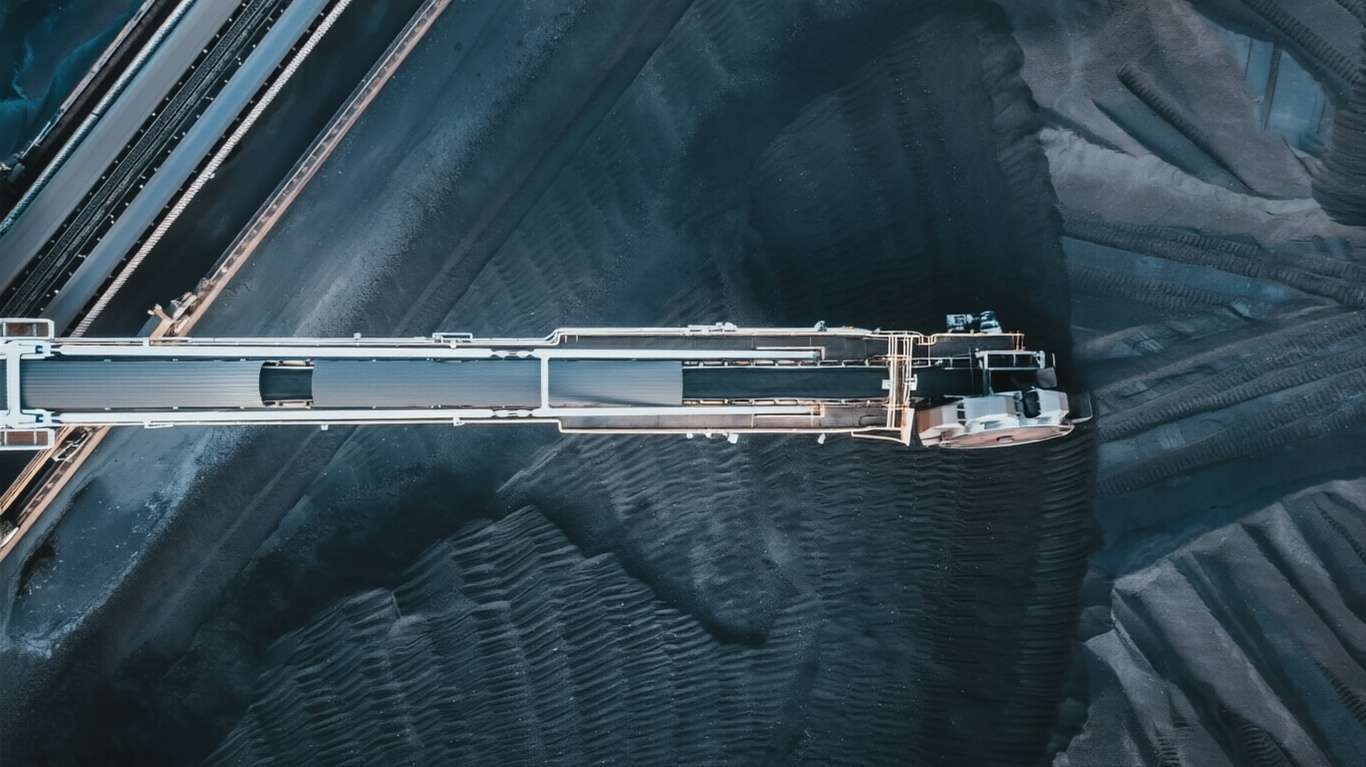
Coal export terminal loading systems
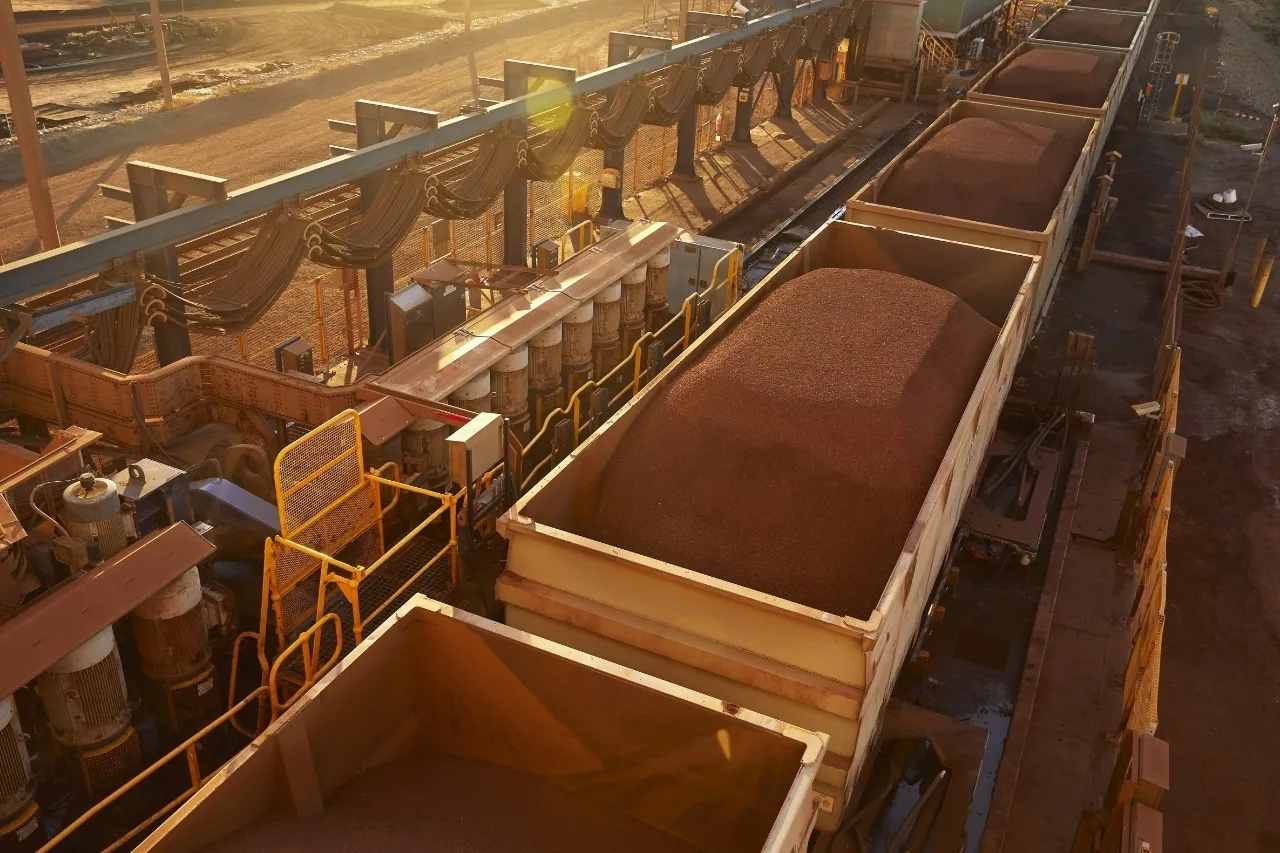
Heavy-duty loading for iron ore and steel materials
Choosing Between a Mobile and Fixed Shiploader?
Share your berth count, vessel sizes, required loading rate, and quay conditions. ZOOMRY can help determine whether a mobile or fixed shiploader configuration fits your terminal.
Contact Us →