 ZOOMRY

Pipe conveyor Overview
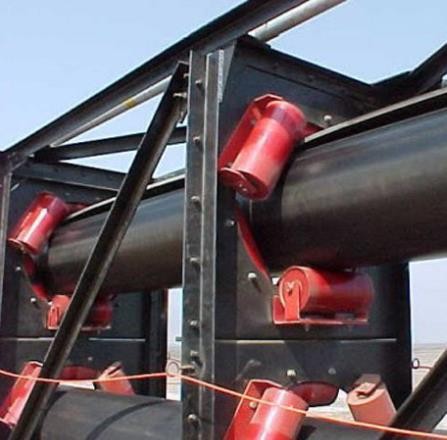
A pipe conveyor — also called a tubular conveyor — forms the belt into a sealed circular shape using six idler rollers arranged in a hexagon. This enclosed design allows the conveyor to negotiate tight horizontal and vertical curves, climb inclines up to 30°, and cover long center distances without intermediate transfer stations. Material remains enclosed in both the carrying and return strands, supporting dust-controlled transport for mining, cement, power, and other environmentally sensitive applications.
ZOOMRY offers 11 standard pipe conveyor models — JKGD01 through JKGD11 — covering nominal pipe diameters from 100 mm to 850 mm and belt widths from 430 mm to 3,100 mm. Final pipe diameter, belt width, and cross-sectional area are selected according to material characteristics, required throughput, curve radii, and conveying distance.
ZOOMRY Pipe Conveyor — Enclosed Tubular belt conveyor for Dust-Controlled Material Transport
Pipe Conveyor Series Specifications
| Model | Nominal Pipe Diameter (mm) | Pipe ID (mm) | Belt Width (mm) | Cross-Sectional Area (m²) | Max Granularity (mm) |
|---|---|---|---|---|---|
| JKGD01 | 100 | 100.2 | 430 | 0.0059 | 20–30 |
| JKGD02 | 150 | 150.7 | 600 | 0.0134 | 30–50 |
| JKGD03 | 200 | 199.1 | 780 (800) | 0.0234 | 50–70 |
| JKGD04 | 250 | 263.5 | 1,000 | 0.0409 | 70–90 |
| JKGD05 | 300 | 285.2 | 1,100 (1,200) | 0.0479 | 90–100 |
| JKGD06 | 350 | 334.3 | 1,300 (1,400) | 0.0658 | 100–120 |
| JKGD07 | 400 | 426.5 | 1,600 | 0.1071 | 120–150 |
| JKGD08 | 500 | 509.5 | 1,900 (2,000) | 0.1529 | 150–200 |
| JKGD09 | 600 | 603.5 | 2,250 | 0.2145 | 200–250 |
| JKGD10 | 700 | 690.6 | 2,550 | 0.2809 | 250–300 |
| JKGD11 | 850 | 828.1 | 3,100 | 0.4041 | 300–400 |
Nominal pipe diameter and belt width represent the standard series range. Final selection depends on material bulk density, lump size, moisture content, required throughput, curve radii, and total conveying distance. Non-standard configurations may be evaluated for specific project requirements.
Design and Function of the Pipe Conveyor System

The pipe conveyor transitions through three distinct zones along its route. At the tail end, the belt is open and flat like a conventional conveyor, allowing material to be fed from a standard chute. Through a series of hexagonally arranged idler rollers, the belt edges are gradually folded upward until they overlap, forming a sealed tubular shape.
This tube is maintained throughout the conveying distance — through curves, inclines, and declines — before opening again at the head end for discharge. The overlap zone helps prevent material leakage during curve negotiation, and the belt returns to the tail in the same sealed tube shape, helping eliminate return-side spillage along the route.
How a Pipe Conveyor Compares to a Conventional Belt Conveyor
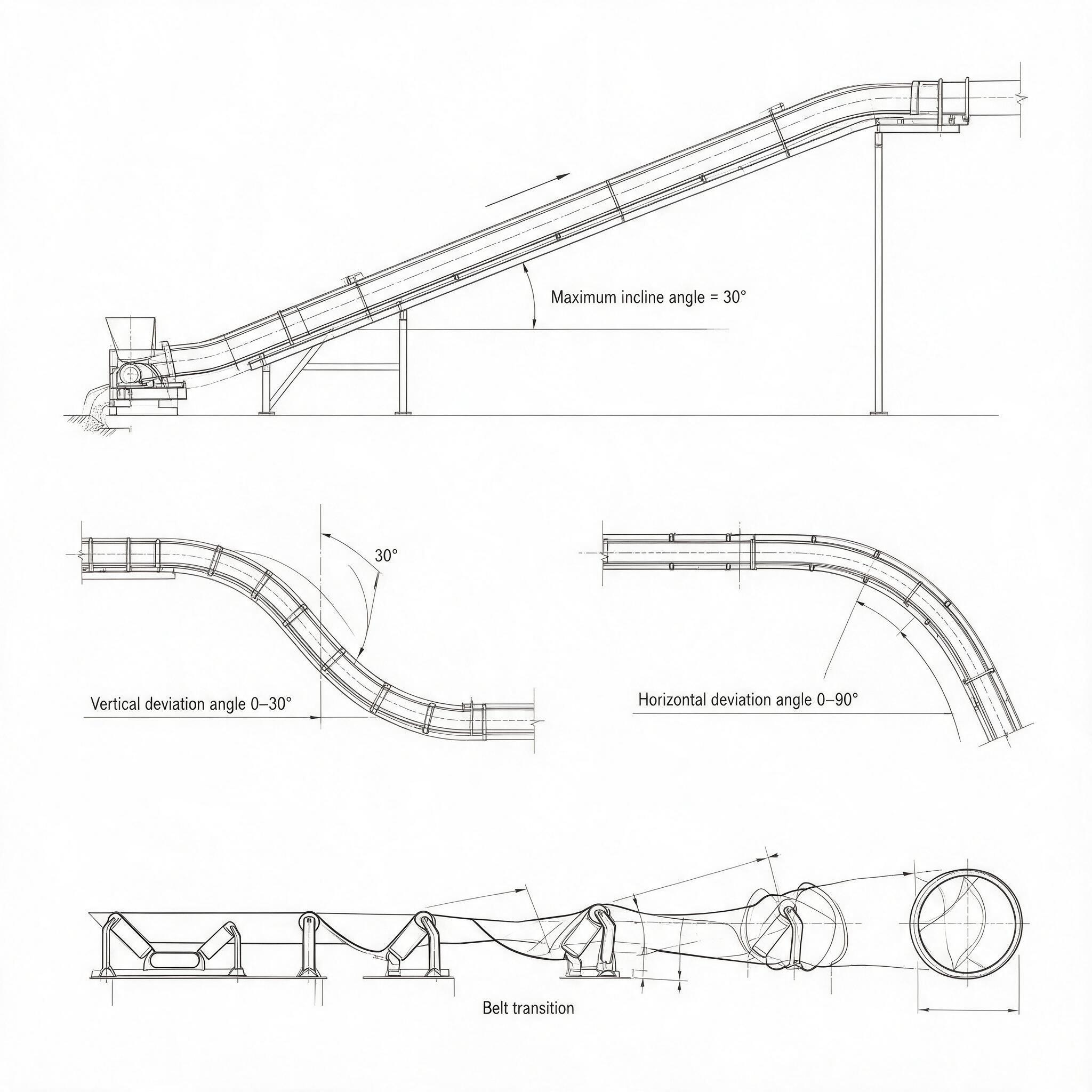
Pipe conveyors offer several advantages over open-trough belt conveyors in suitable applications:
- Enclosed Transport: The sealed tube helps prevent material loss and environmental contamination along the route. Enclosed and project-specific dust-control arrangements can be integrated to reduce spillage and dust release at transfer points.
- Tight 3D Curve Capability: Navigates horizontal and vertical curves simultaneously without transfer towers. A curved conveyor route can reduce the number of transfer stations in suitable layouts. Project-specific cost comparison should consider route length, terrain, transfer tower requirements, and civil works.
- Steep Incline Handling: The tubular shape increases material-to-belt contact, enabling incline angles up to 30° compared with typical limits for conventional troughed conveyors. This can reduce overall conveyor length and land footprint.
- Bidirectional Material Protection: The sealed tube protects the conveyed material from wind, rain, and sun on the carrying side while helping prevent return-side spillage — suitable for moisture-sensitive materials in fertilizer, grain, and chemical handling.
- Reduced Structural Width: A pipe conveyor typically requires less structural width than an equivalent-capacity open belt conveyor, supporting installation in tunnels, plant corridors, and congested brownfield sites.
Properties of the Pipe Belt Conveyor System
Safety Devices for Pipe Conveyor Systems
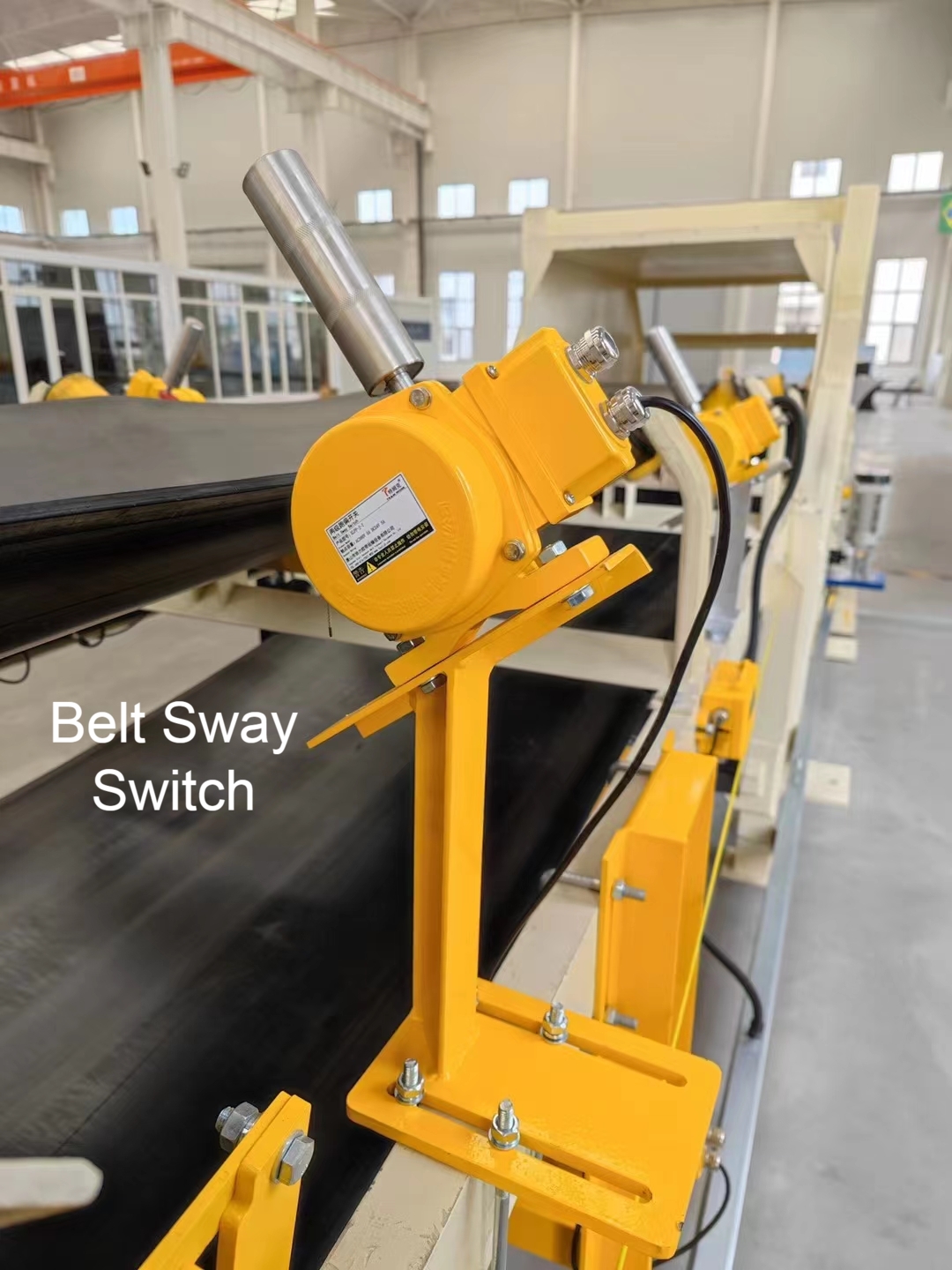
Belt Sway Switch — Detects belt deviation and sends a warning or shutdown signal. Deviation can damage the belt edges and create safety risks. Switches are typically installed in pairs on both sides of the conveyor at critical tracking points.
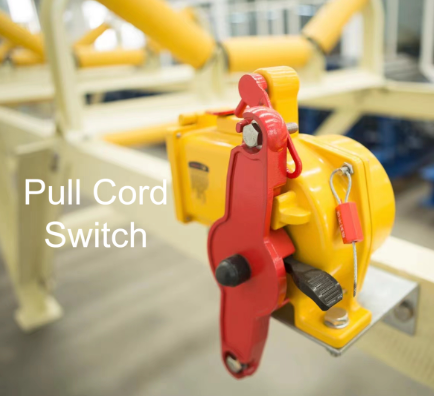
Pull Cord Switch — A wire rope runs along the full length of the conveyor, allowing operators to trigger an emergency stop from any position. Available in single-sided or double-sided arrangements and generally used in conjunction with walkways.
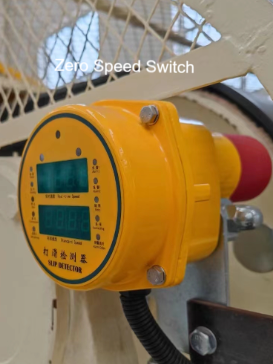
Zero Speed Switch — Monitors belt or pulley rotation speed to detect slippage early. Common causes of belt slip include overloading, insufficient belt tension, or worn drive pulley lagging. The switch compares actual speed against a set reference and activates an alarm or stop signal when deviation exceeds the configured threshold.
Technical Advantages and Service Support
ZOOMRY provides engineering design, component supply, installation support, and after-sales service for pipe conveyor systems. For long-running belt conveyor installations and mobile telescopic stackers, on-site Conveyor Belt vulcanizing services are available to support belt splicing and maintenance. We can supply vulcanizing equipment and technical guidance for long distance belt conveyor systems where continuous operation is a project requirement.
What Information Do We Need for Pipe Conveyor Selection?
- Material characteristics: Bulk density (t/m³), particle size distribution, moisture content, and whether material is abrasive, corrosive, or moisture-sensitive.
- Required throughput: Target capacity in t/h or m³/h, including any peak loading conditions.
- Conveying route: Horizontal and vertical curve radii, total conveying distance, elevation changes, and available corridor width.
- Site conditions: Terrain, climate, temperature range, and whether underground or above-ground installation is required.
- Existing equipment and safety requirements: Upstream feed source, downstream receiving point, whether safety switches and monitoring systems are required, and whether this is a retrofit or new installation.
Video
Related Industry Solutions
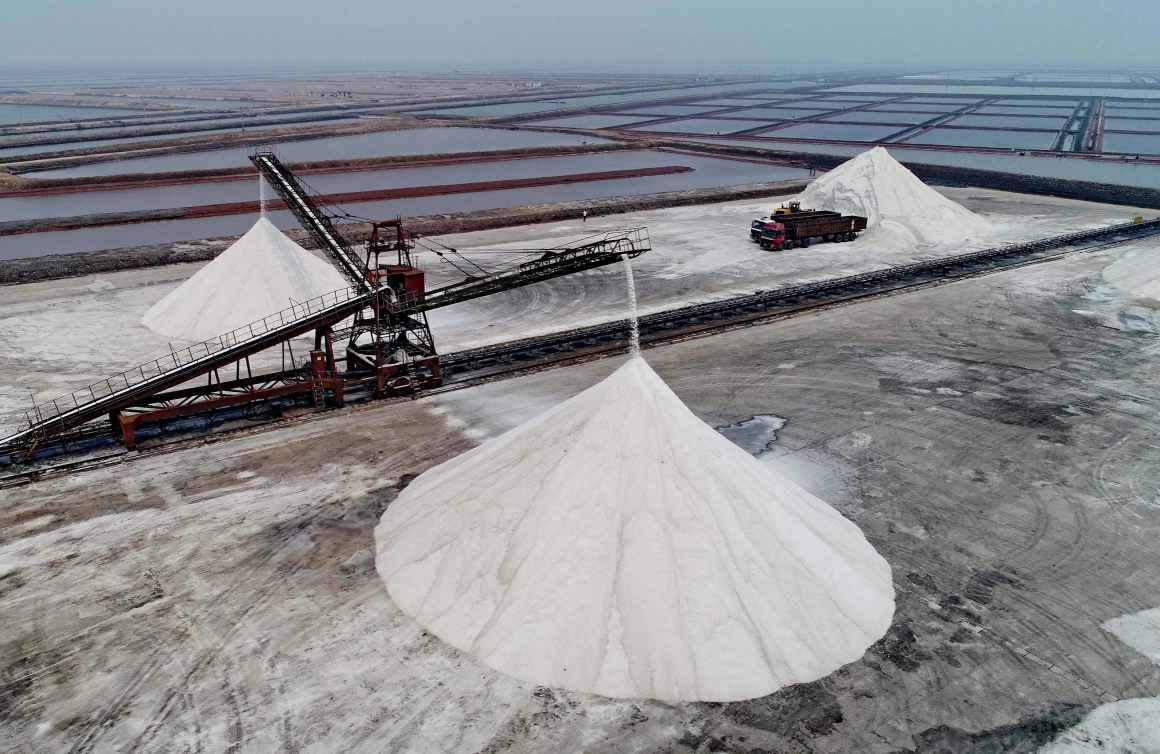
Corrosion-resistant enclosed pipe conveyors for rock salt, solar salt, and evaporated salt operations.
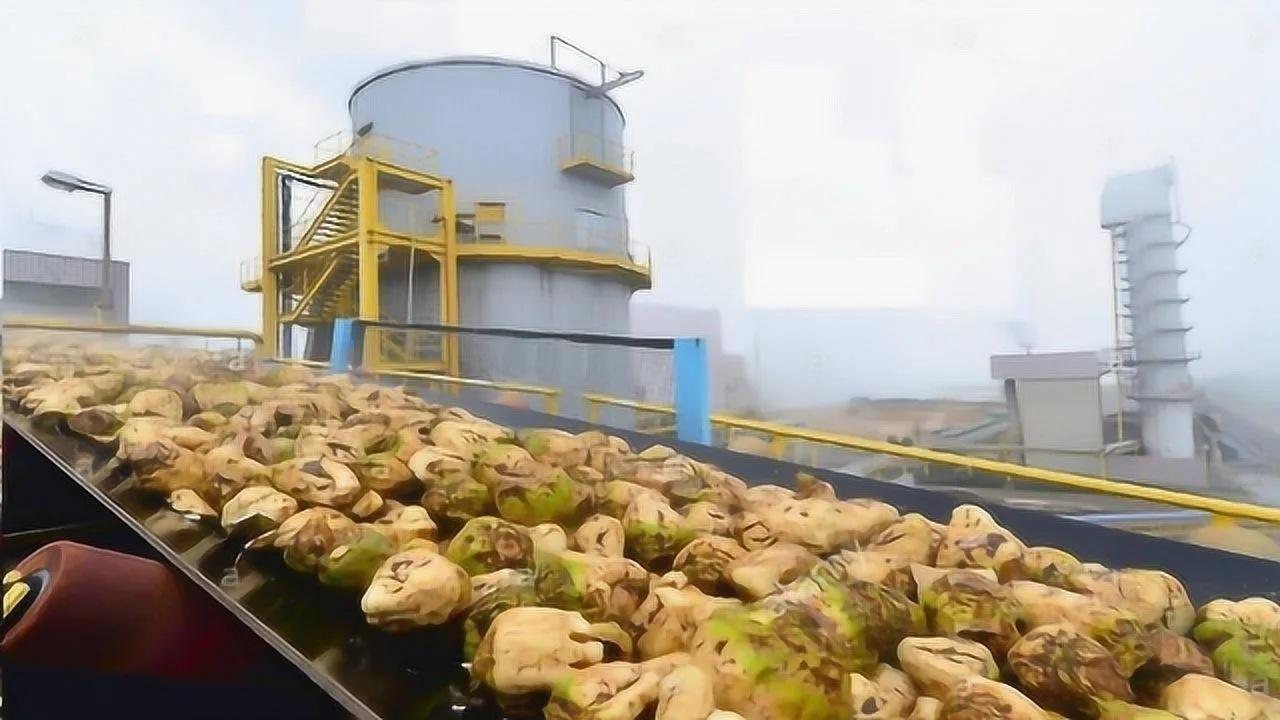
Food-grade enclosed pipe conveyors for raw and refined sugar with dust protection.
Need a Custom Pipe Conveyor Solution?
Contact our engineering team for pipe diameter selection, curve radius calculation, and project-specific system design.
Request Pipe Conveyor Engineering Review →