 ZOOMRY

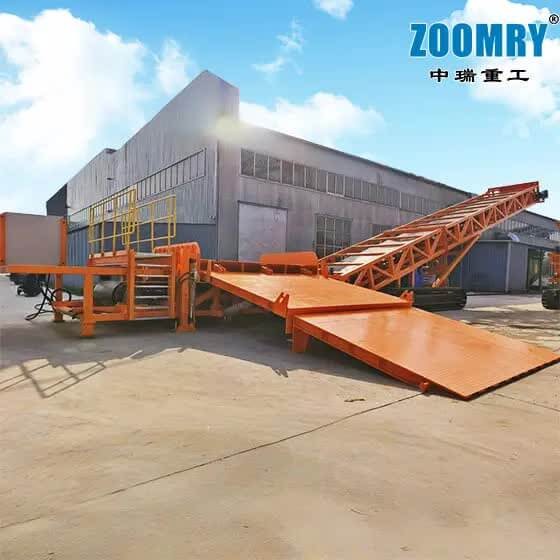
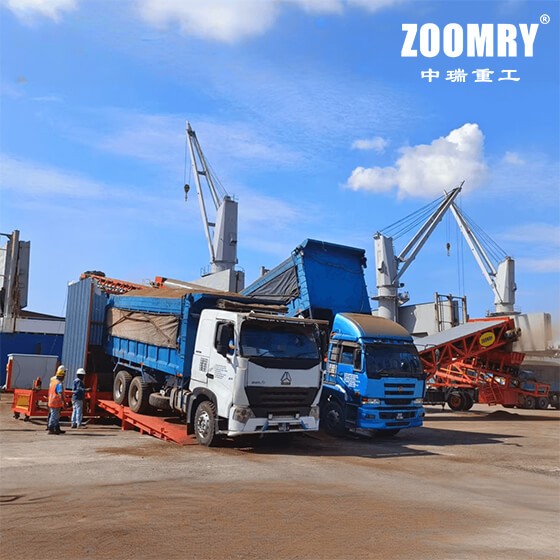
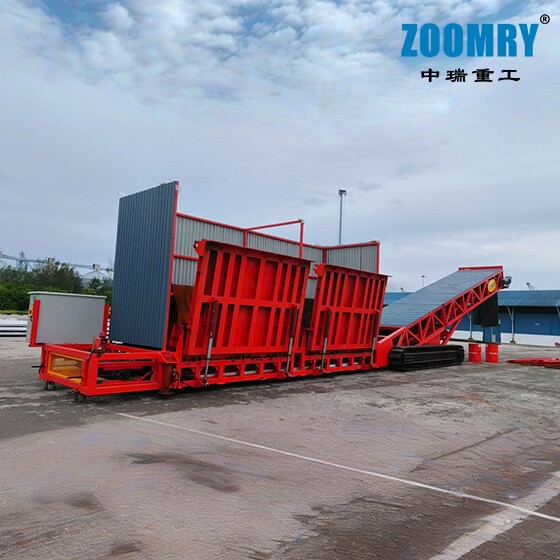
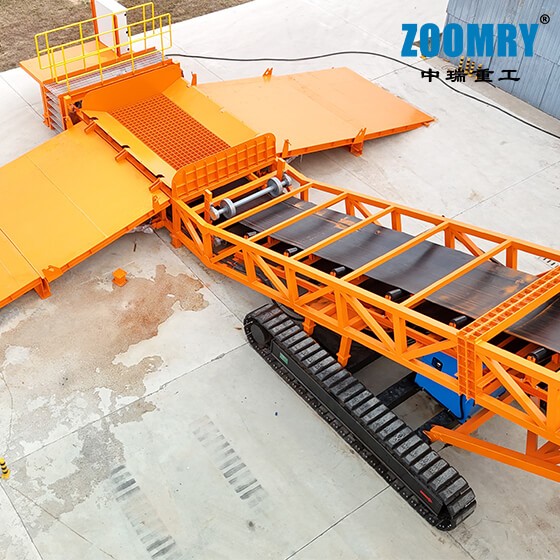
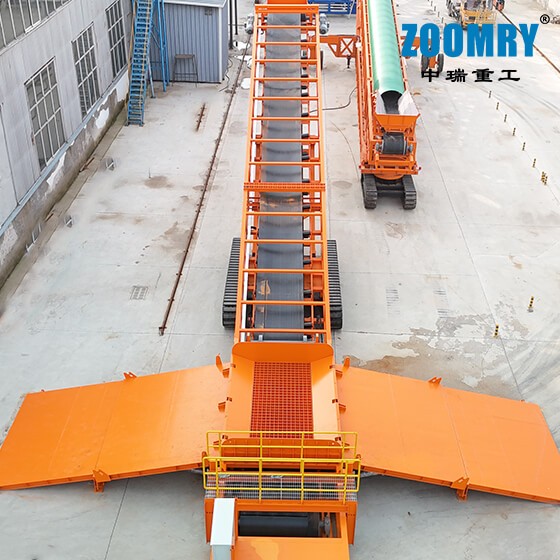
ZOOMRY Truck Unloader – Wheeled Drive-Over System is a drive-over hopper engineered for aggregate quarries, fixed stockyards, and construction material hubs where trucks need to discharge quickly and leave. Dump trucks drive onto the ramp, tip directly into the receiving hopper, and depart — eliminating wheel loader re-handling and reducing per-truck cycle time from 8-10 minutes to under 3 minutes. The wheeled undercarriage enables fast repositioning between stockpile zones without a crane or specialized transport.
Available in 2-ramp and 4-ramp configurations with capacities from 200 to 3,000 TPH and belt widths from 650 to 1,800 mm, this wheeled truck unloader feeds directly into mobile telescopic stackers, belt conveyors, or ship loaders. For applications requiring mobility on soft ground, see our tracked truck unloader series.

How a Wheeled Truck Unloader Works
A dump truck reverses onto the drive-over ramp and tips its load directly into the receiving hopper. The hopper's reinforced grid filters oversize material — typically above 250 mm — while the impact bed beneath absorbs the shock of falling aggregate or ore. A belt feeder meters material onto the inclined discharge conveyor at a controlled rate, which transfers it to a mobile stacker for stockpiling or directly into a crusher feed system. The entire dump-and-go cycle takes 2-3 minutes per truck, compared to 8-10 minutes when a wheel loader handles the same volume.
For sites processing 50+ truckloads per day, this time savings alone can eliminate the need for a second loader and reduce fuel consumption by up to 60%. The low-profile hopper design — with width options from 3.5 m to 5.7 m — accommodates both end-dump and side-dump trailers without requiring elevated ramps.
2-Ramp vs 4-Ramp Configuration: Which Do You Need?
Choosing between 2-ramp and 4-ramp configurations depends on your truck fleet size, site layout, and throughput requirements.
| Factor | 2-Ramp Configuration | 4-Ramp Configuration |
|---|---|---|
| Throughput | Up to 30 trucks/hour | Up to 60 trucks/hour |
| Site Footprint | Compact — single approach lane | Larger — dual approach lanes |
| Truck Queuing | Single queue; wait if busy | Dual queue; one unloads while other positions |
| Best For | Small-medium quarries, tight sites, budget-conscious projects | High-volume quarries, port stockyards, 24/7 operations |
| Investment | Lower initial cost | Higher throughput per dollar invested |
Rule of thumb: If your site handles fewer than 30 trucks per hour or has limited space for approach lanes, a 2-ramp wheeled truck unloader is the right choice. For operations exceeding 30 trucks/hour — common in large aggregate quarries and port terminals — the 4-ramp configuration pays for itself through reduced truck waiting time.
Typical Application: Aggregate Quarry Daily Workflow
A mid-sized limestone quarry using a ZOOMRY wheeled truck unloader with a 4-ramp configuration processes an average of 2,400 tonnes per 8-hour shift:
- Loaded dump trucks arrive from the quarry face and queue in two approach lanes.
- Truck A reverses onto ramp 1, tips 30 tonnes of crushed limestone into the hopper in under 60 seconds.
- Simultaneously, Truck B reverses onto ramp 2 — no waiting while Truck A unloads.
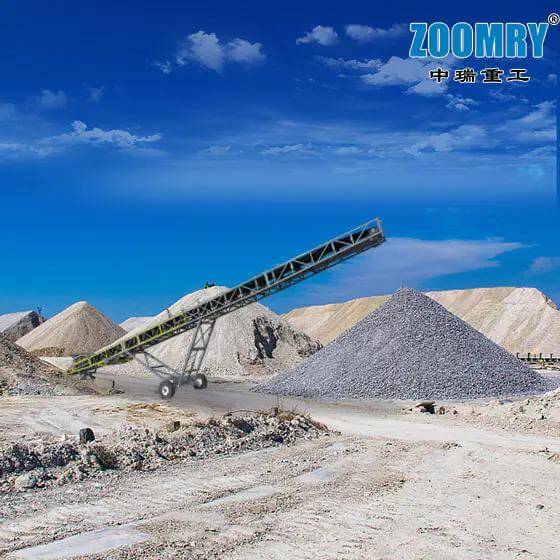
- The belt feeder meters material onto the discharge conveyor at 800 TPH, feeding a mobile telescopic stacker that builds a radial stockpile.
- The wheeled truck unloader repositions to a new stockpile zone in under 15 minutes using a site tractor — no crane required.
Technical Specifications
Undercarriage
- Heavy-duty truck frame with super heavy duty tires (optional)
- Maximum conveyor discharge height: 5.8 m
- Air brakes, brake and directional lights, and mudflaps (optional)
- Hydraulic jacks for support and leveling on uneven ground
Receiving Hopper
- Customized hopper width: 3.5 m – 5.7 m to match wheel loaders or excavators
- 5.0 kW – 7.5 kW electric / hydraulic power pack
- Optimized grid for aggregates, minerals, and bulk commodities
Conveyor Frame
- Belt width: 800 mm – 1,600 mm × conveyor length: 8 m – 20 m
- Heavy-duty frame engineered for heavy dump truck loads
- Belt speed: 1 m/s – 4 m/s
- Screw-type take-up for easy tension adjustment
Conveyor Belt
- EP conveyor belt — EP100 (5+4+2), EP200 (6+4+3) for impact resistance
- Site vulcanized splice for longer lifespan
- Ground-accessible start/stop push button controls; radio control optional
- 380–460 V, 3-phase, 50/60 Hz — designed per client's site power supply
Drive System
- Unloading capacity: 300 – 2,200 TPH
- Dual 11 kW electric head-end drive (1,800 RPM, TEFC 3/60/460)
- Gear reducers: FLENDER / SEW international brands
- Backstop to prevent belt reversal under load
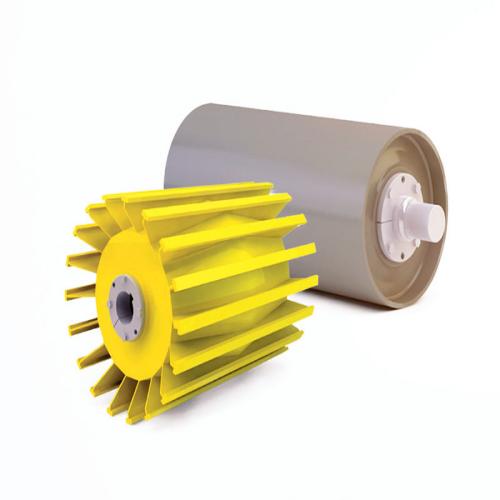
- Drive pulley – 20" [508 mm] diameter, ceramic lagged, with Haerbin® bearings
- Tail pulley with Haerbin® bearings
Idlers
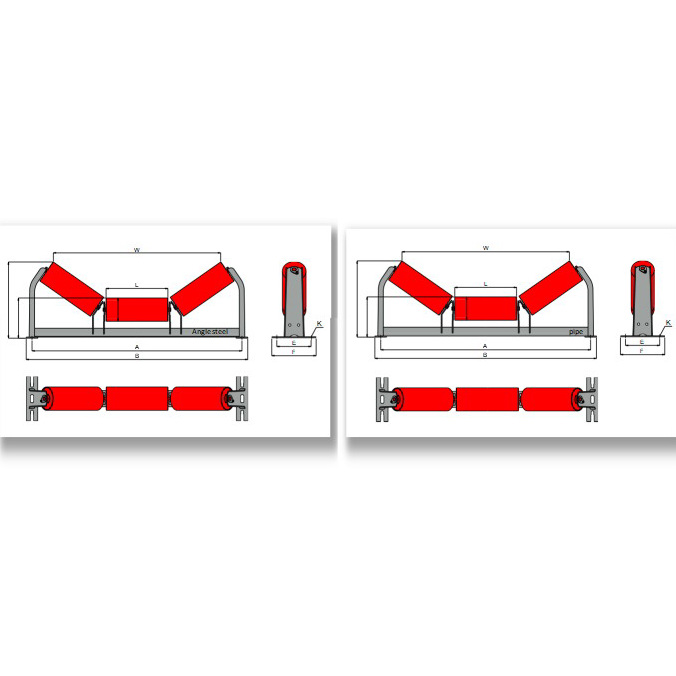
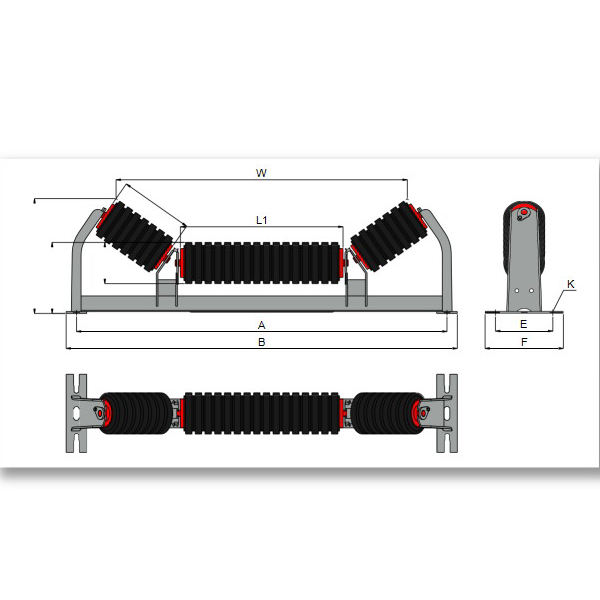
- Long-life ZOOMRY Conveyor idlers — same series used in long distance belt conveyor projects
- Impact idlers in the load zone for impact absorption
Optional Configurations
- Belt Cleaner
- Discharge hood
- Wireless remote control
- Hydraulic undercarriage lift cylinder
- Hydraulic landing jack
- On-board diesel GenSet (customizable)
Structural Diagram
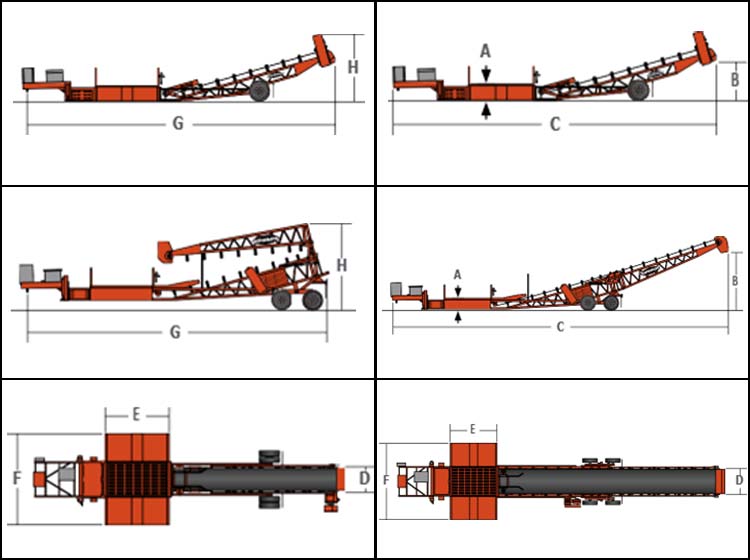
Wheeled Truck Unloader — main structural components and assembly overview
Wheeled vs Tracked Truck Unloader
| Feature | Wheeled Truck Unloader (This Model) | Tracked (Crawler) Truck Unloader |
|---|---|---|
| Ground Condition | Firm, level ground — quarry floors, concrete pads | Soft, muddy, uneven terrain — mining sites, unpaved areas |
| Mobility | Towable by site tractor; fast repositioning | Self-propelled crawler tracks; independent mobility |
| Setup Time | Under 15 minutes — tow and deploy jacks | Under 5 minutes — self-deploy via crawlers |
| Operating Cost | Lower — fewer moving parts, lower maintenance | Slightly higher — track maintenance required |
| Best Application | Aggregate quarries, fixed stockyards, concrete plants | Mining sites, port quaysides, temporary operations |
| Related Models | Truck Unloader – Two Ramp Drive-Over Hopper | Tracked Truck Unloader / Crawler Truck Unloader |
Frequently Asked Questions
Q: How many trucks per hour can a wheeled truck unloader handle?
A 2-ramp configuration handles up to 30 trucks per hour; a 4-ramp configuration handles up to 60 trucks per hour. Actual throughput depends on truck size, material type, and downstream conveyor capacity. For reference, a mid-sized quarry processing 30-tonne truckloads of limestone at 800 TPH can comfortably handle 25-30 trucks per hour with a 2-ramp setup.
Q: What maintenance does a wheeled truck unloader require?
Routine maintenance includes: conveyor belt tension inspection (weekly), idler bearing lubrication (monthly), hopper grid and liner wear inspection (monthly), hydraulic jack seal check (quarterly), and drive pulley ceramic lagging inspection (annually). The wheeled undercarriage requires minimal maintenance compared to tracked systems — primarily tire pressure and brake checks.
Q: Can the wheeled truck unloader handle wet or sticky material?
Yes. For wet or sticky materials like clay, damp limestone, or mineral concentrates, we recommend UHMW liners on the hopper walls to reduce sticking, and a belt cleaner at the discharge pulley to prevent carryback. For extremely cohesive materials, a chain plate feeder can replace the belt feeder for positive material extraction.
Q: How does the wheeled version compare to the tracked truck unloader for my site?
Choose the wheeled truck unloader if your site has firm, level ground and you need to reposition between stockpile zones quickly using a site tractor. Choose the tracked truck unloader if you operate on soft, muddy, or uneven terrain where wheels would bog down — common in open-pit mines and unpaved port yards.
Key Advantages
- Eliminates truck access to stockpile area — trucks unload at a central receiving point, reducing site road wear, dust, and safety risks on stockpile edges
- Shortens truck cycle times by 60-70% — dump-and-go in 2-3 minutes vs 8-10 minutes with wheel loader re-handling
- Reduces fuel and labor costs by up to 60% — eliminates the wheel loader dedicated to truck receiving
- Fast site-to-site relocation — wheeled undercarriage tows behind a site tractor in under 15 minutes
- Modular 2 or 4-ramp design — matches truck fleet size without over-investing in capacity
Related Equipment
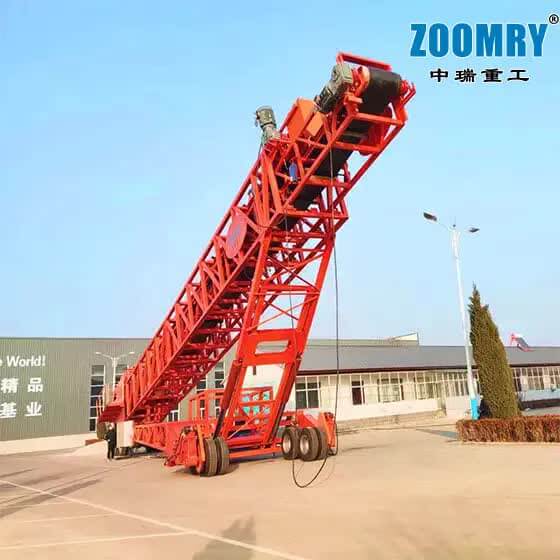
Telescopic stacker that receives material directly from the truck unloader discharge conveyor.
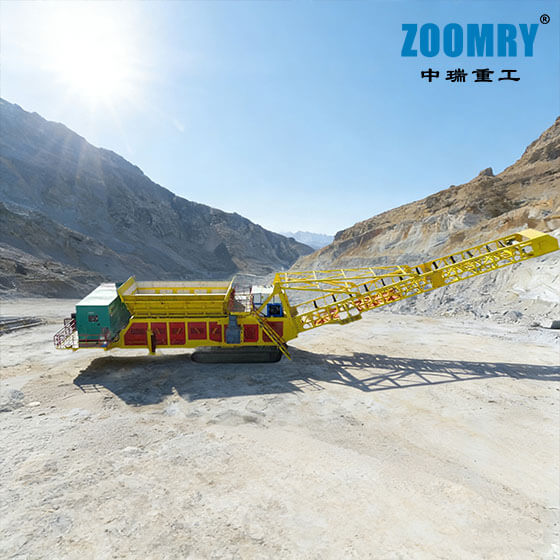
Controls feed rate from truck unloader to downstream belt conveyor or crusher.
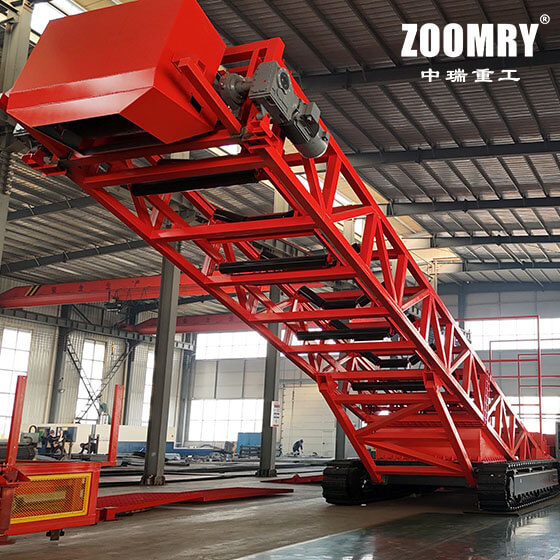
Crawler-mounted drive-over unloader for soft ground and temporary site operations.
Industry Solutions

Truck unloaders with corrosion-resistant hoppers for fertilizer and chemical material receiving.

Drive-over unloaders for biomass truck receiving with dust-controlled discharge to conveyors.
Request a Quote for Wheeled Truck Unloader
Tell us your truck fleet size, material type, and required throughput. Our engineers will recommend the optimal wheeled truck unloader — 2-ramp or 4-ramp — for your aggregate quarry or stockyard operation.
Get a Quote