 ZOOMRY

1. Service Overview
ZOOMRY provides professional Conveyor Belt vulcanizing at site — including portable vulcanizing equipment and on-site splicing services for reliable belt connection. Our service covers PVC, PVG, and steel cord conveyor belts used in mining, port, and industrial applications. Vulcanizing is essential for splicing conveyor belts to ensure long-term, reliable operation.
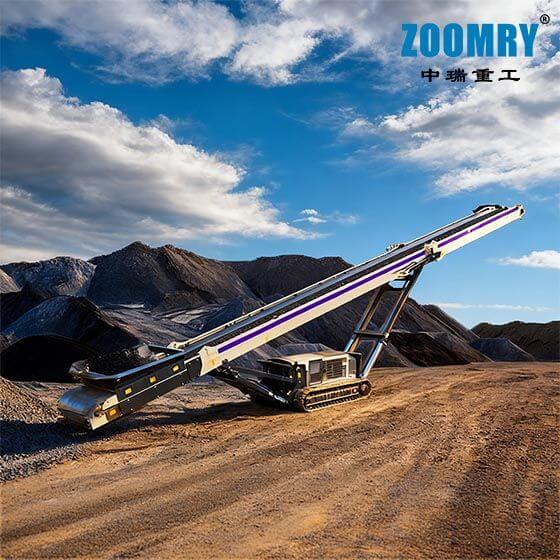
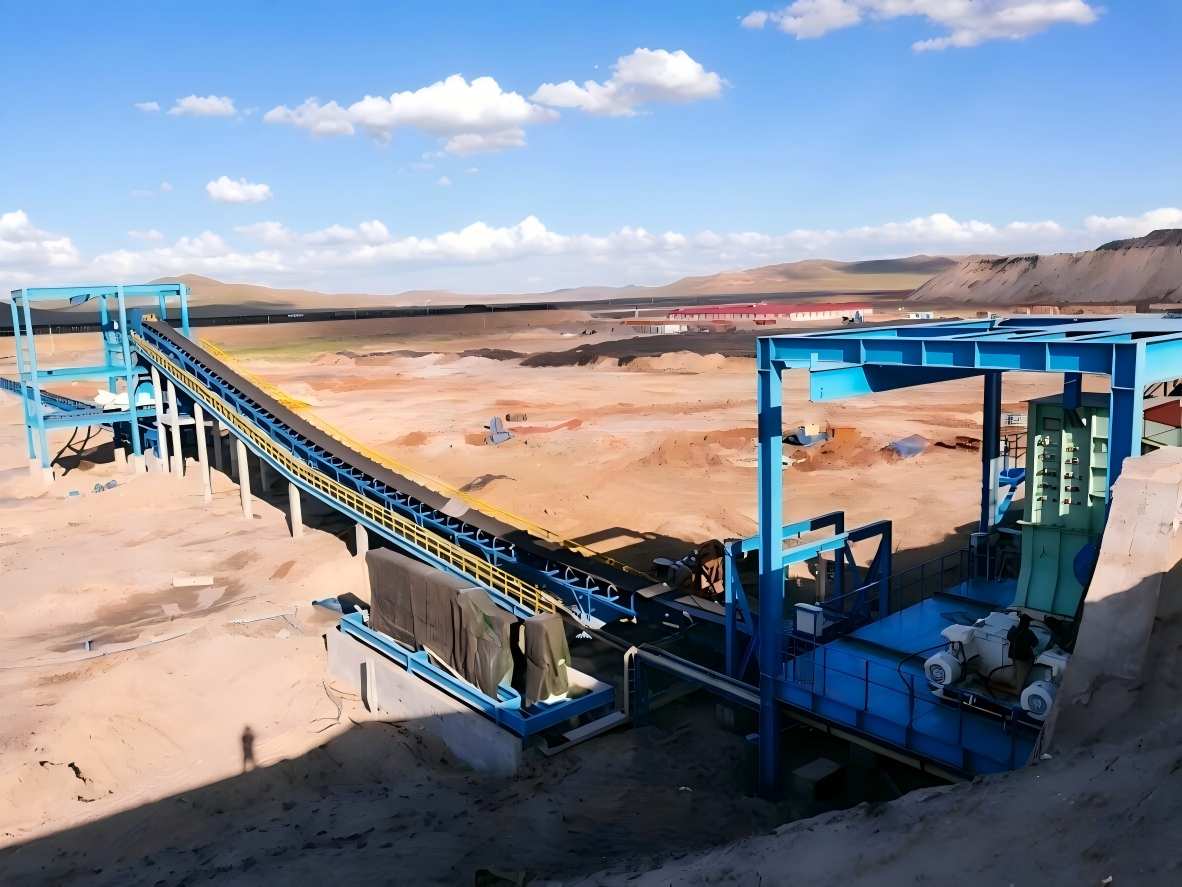
Our portable vulcanizing equipment is designed for transport and operation at job sites. Complete vulcanizing machine sets — including heating plates, pressure systems, and accessories — can be supplied as standalone equipment or integrated with telescopic stackers and long-distance belt conveyor systems.
2. Site Vulcanizing Procedure
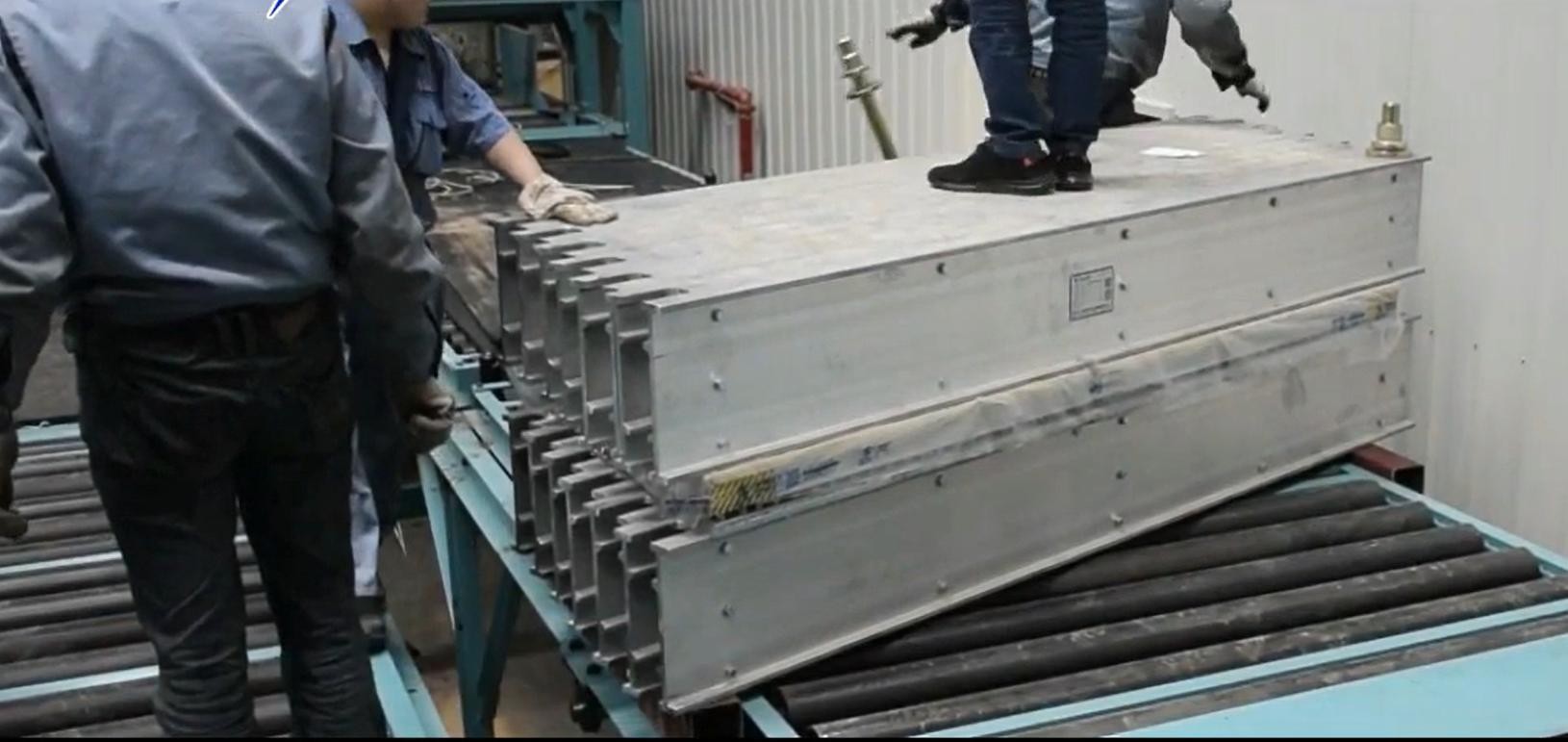
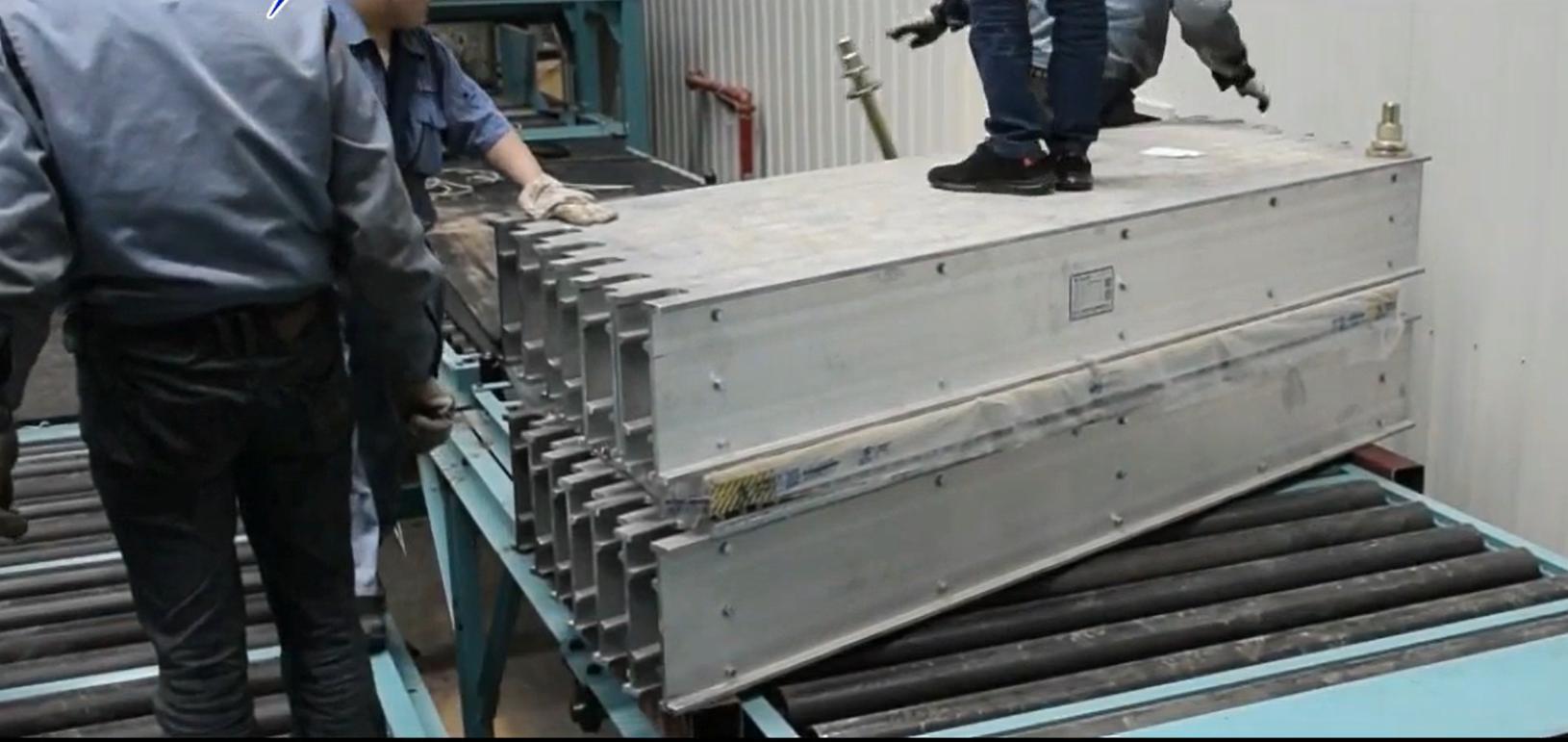
Step 1 — Positioning the Vulcanizing Machine
Unpack and position the vulcanizing machine at the splicing location. Ensure the work area is clean, dry, and free from dust or moisture that could affect vulcanizing quality.
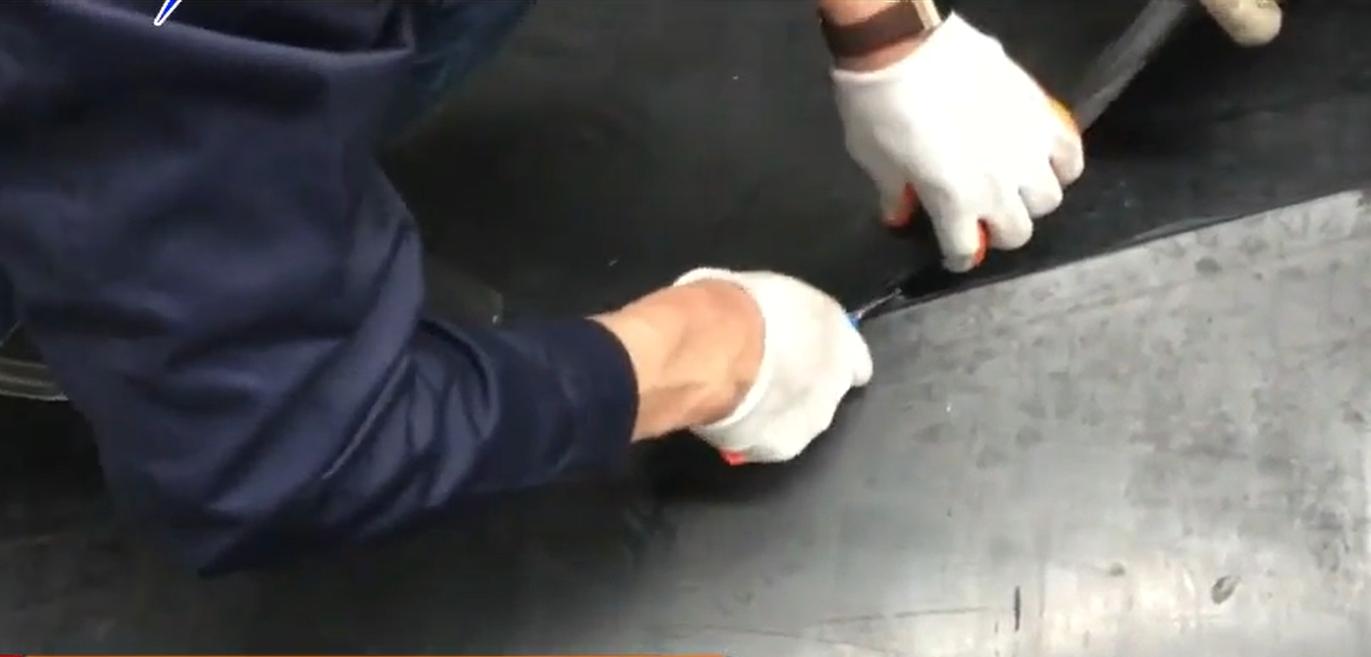
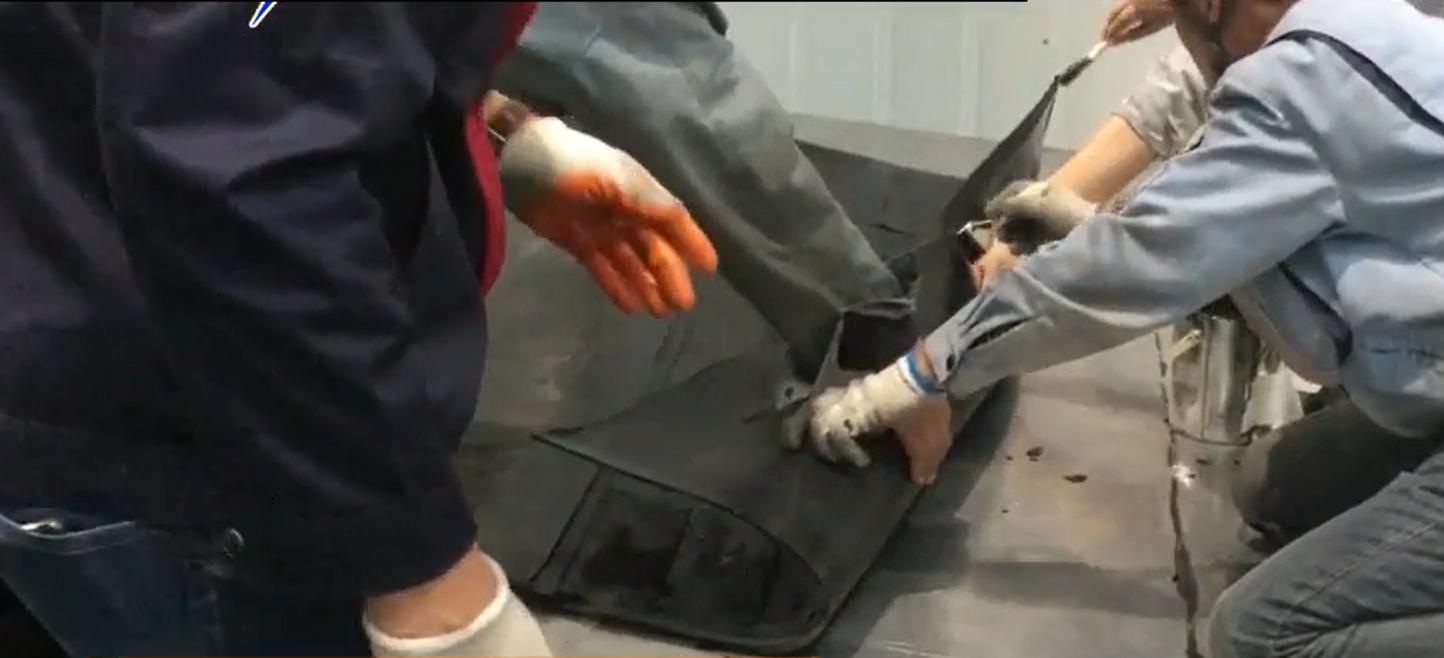
Step 2 — Separating and Stripping Belt Layers
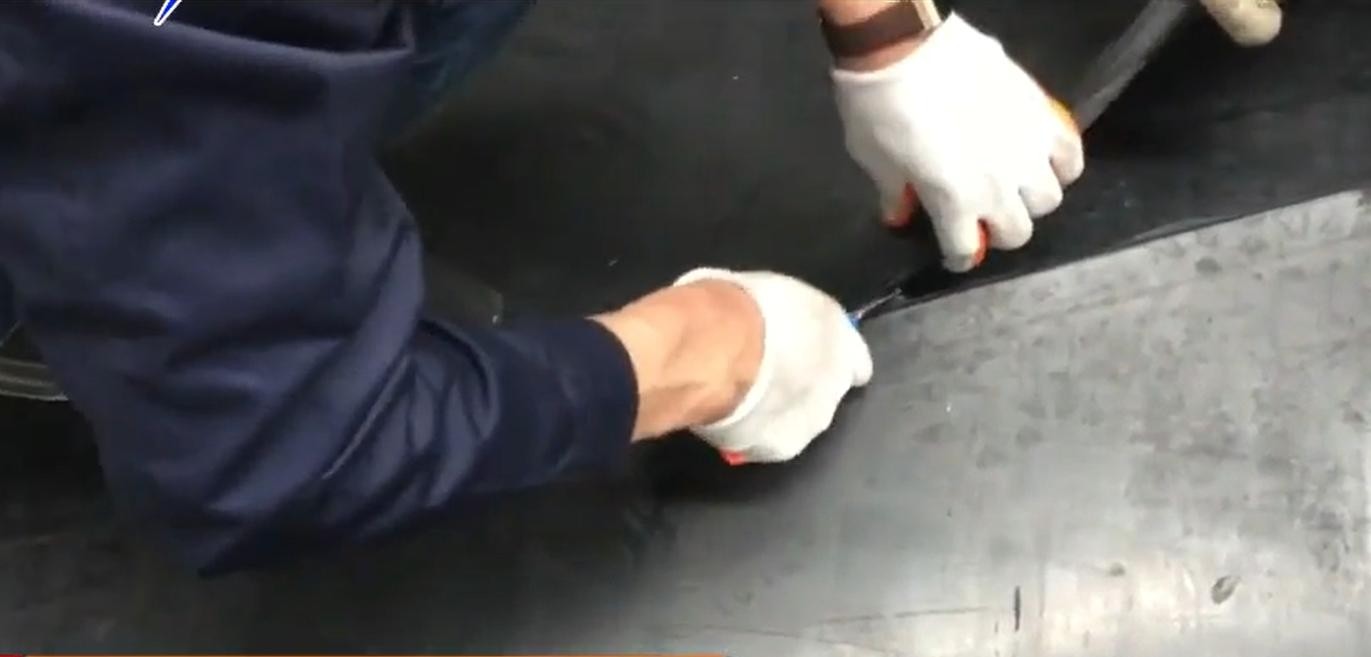
Carefully separate the belt layers at the splicing point using specialized tools. Remove the cover rubber to expose the carcass layers. Strip the belt ends to the required step length according to the belt type and splicing design.
Step 3 — Polishing, Cleaning, and Applying Glue
Polish the stripped belt surface using a wire brush or grinder to create a clean, rough surface for optimal adhesion. Remove all dust and debris. Apply a uniform layer of splicing glue to the prepared surfaces and allow it to dry according to the manufacturer's instructions.
Step 4 — Placing Core Rubber and Cover Rubber
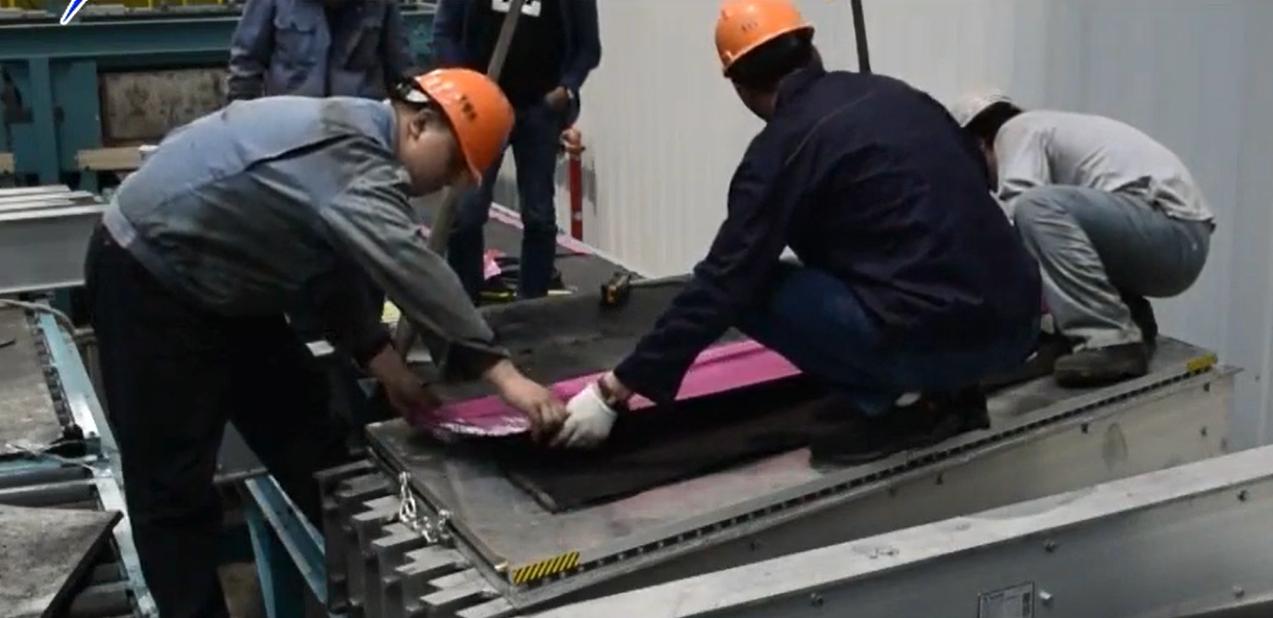
Place the core rubber (cushion gum) between the prepared belt layers. Position the cover rubber strips on both the top and bottom surfaces of the splice area. Ensure proper alignment and overlap according to belt width and splicing design.
Step 5 — Assembling the Press and Starting Vulcanization
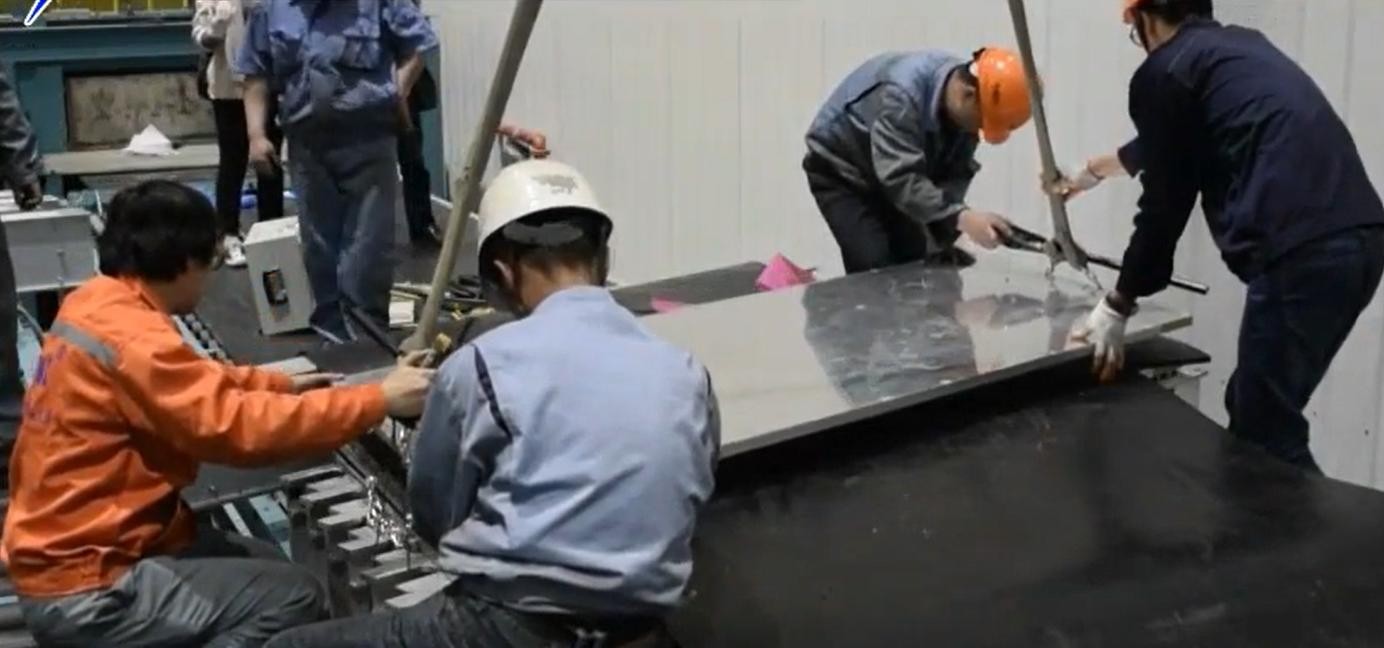
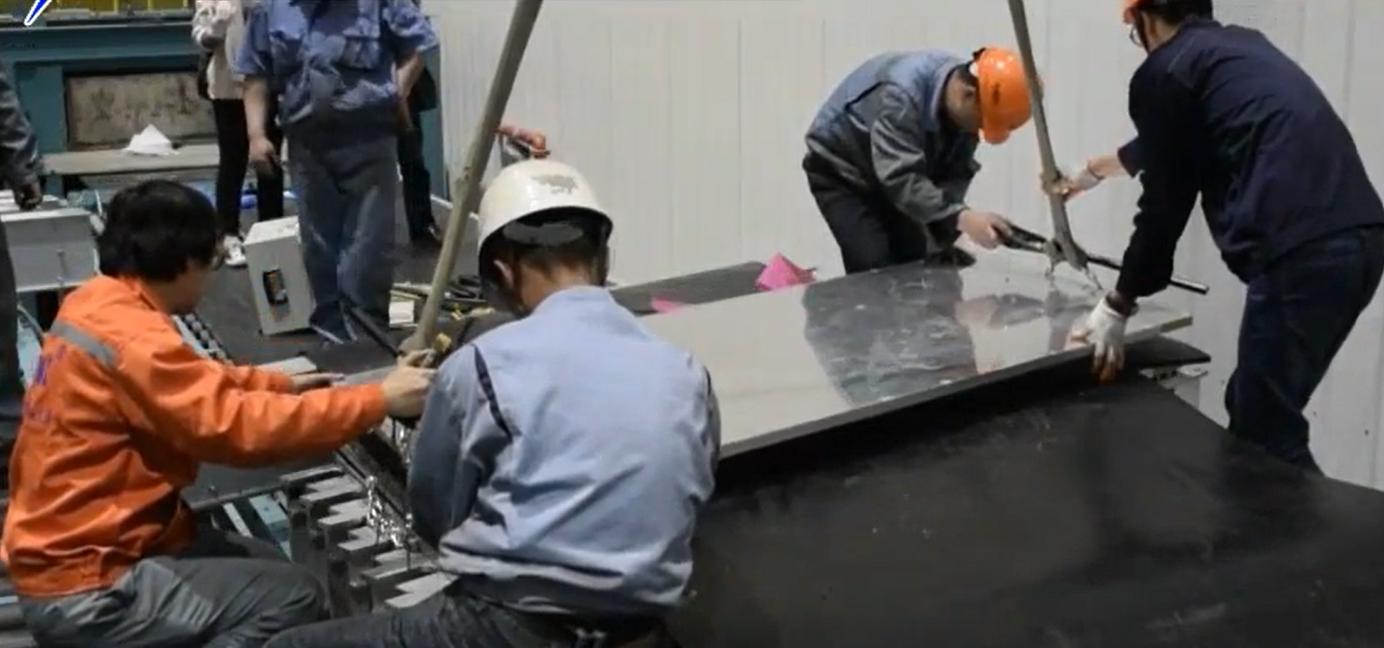
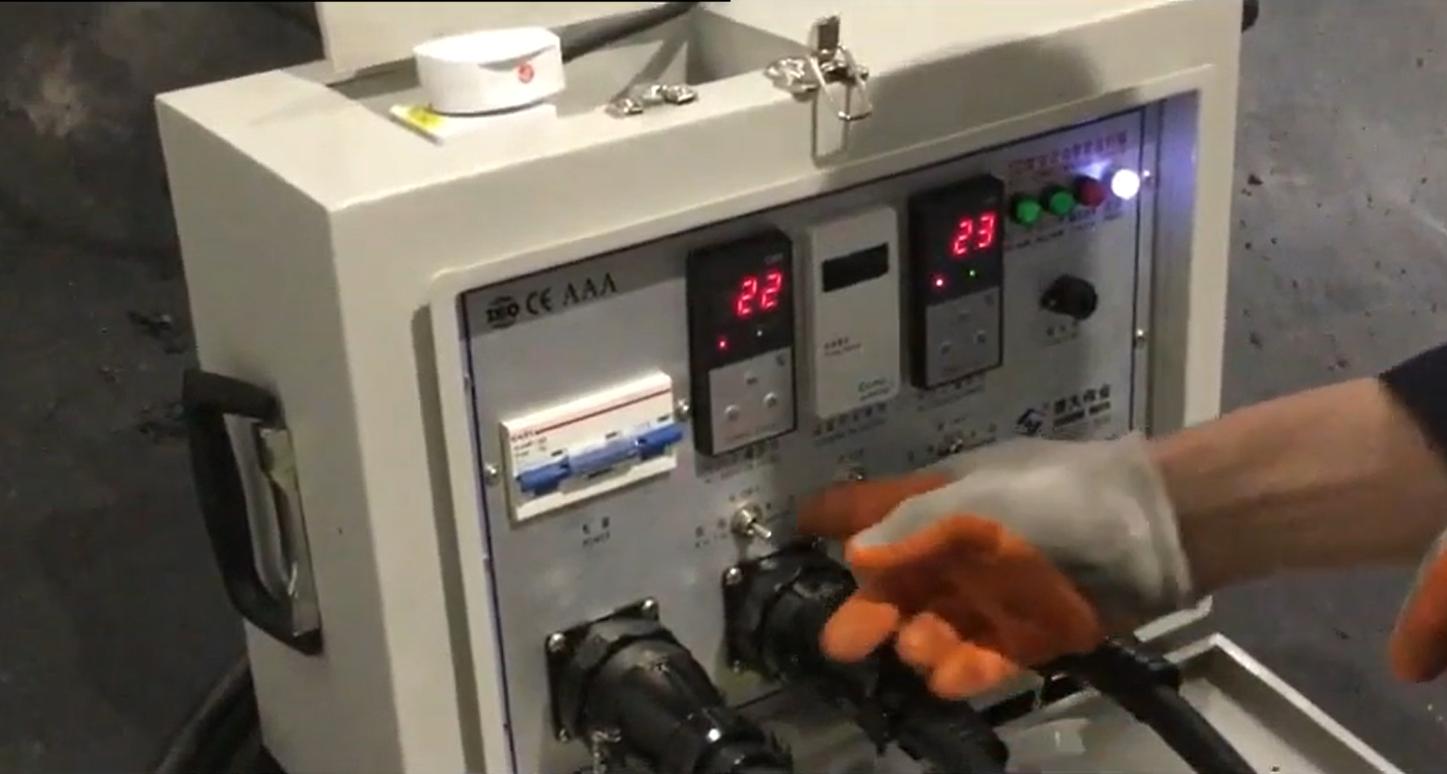
Assemble the vulcanizing press plates, heating elements, and clamping frames around the prepared splice area. Apply the required pressure using hydraulic or screw mechanisms. Start the heating process and maintain the specified temperature and curing time according to the belt manufacturer's specifications. After vulcanization is complete, allow the belt to cool before removing the press.
3. Belt Types & Equipment Coverage
| Belt Type | Typical Application | Vulcanizing Notes |
|---|---|---|
| PVC Belt | Underground coal conveying | Flame-retardant splicing materials required |
| PVG Belt | Gassy mine conveying | Anti-static + flame-retardant requirements |
| Steel Cord Belt | Long-distance overland conveyors | Requires cord alignment and multi-stage curing |
What Information Do We Need for Vulcanizing Service Quotation?
- Belt type (PVC, PVG, or steel cord) and belt width
- Number of splices required and splice step design
- Site location and access conditions for equipment transport
- Whether equipment purchase or full on-site service is required
- Certification or safety requirements for the site (mining, ATEX, etc.)
Related Solutions
Need Vulcanizing Equipment or On-Site Splicing Service?
Tell us your belt type, width, and splice requirements — our engineers will confirm the appropriate vulcanizing equipment and service scope.
Request Service Quotation →