 ZOOMRY

Portable Feed Conveyor for Controlled Material Feeding
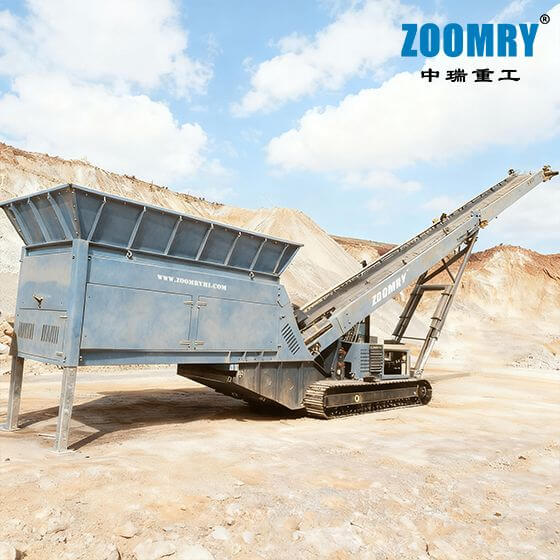
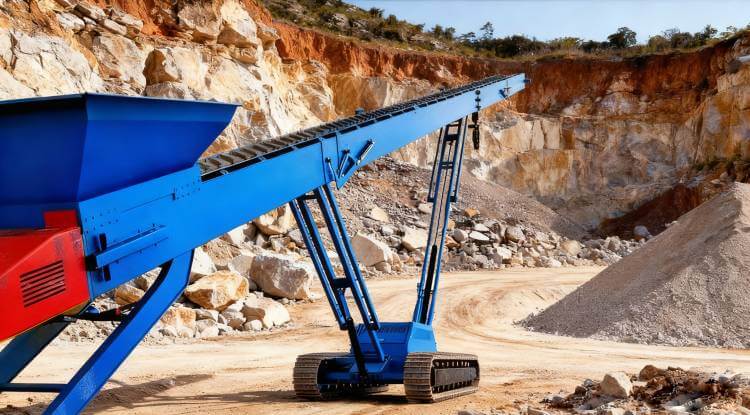
The ZOOMRY portable feed conveyor is a hopper-fed material handling unit designed to receive bulk material and deliver it at a controlled rate to the next stage of the process. It is commonly positioned between a truck or wheel-loader loading point and a crusher, screen, transfer conveyor, or stockpile. By combining a receiving hopper, feeder section, and discharge conveyor in one road-transportable layout, the unit helps simplify temporary or relocatable feeding operations in mining, quarry, aggregate, and industrial material-handling applications.
How the Portable Feed Conveyor Works
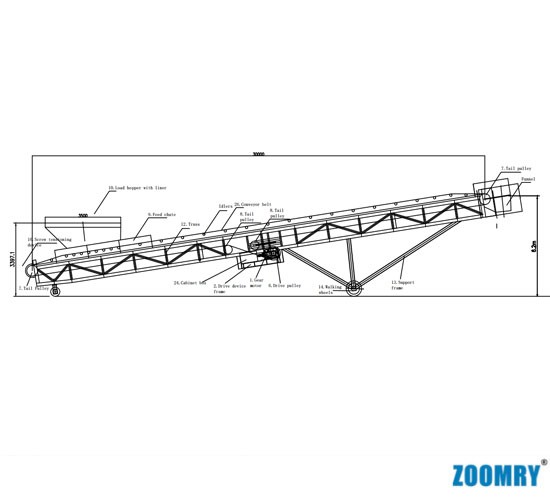
Material is loaded into the receiving hopper by a wheel loader, truck, or upstream conveyor. The hopper provides temporary buffer capacity when loading is intermittent, helping to reduce sudden changes in the material flow delivered to downstream equipment. Material then passes to the feeder belt, which draws material from the hopper and transfers it to the discharge conveyor or directly to the next process stage.
Where oversize rock, debris, or unwanted material must be removed before processing, an optional scalping grizzly can be installed above the hopper. The grizzly opening is selected around the required separation size and the operating limits of the downstream crusher, screen, or conveyor. Feed rate, feeder dimensions, hopper volume, and discharge arrangement are specified according to material characteristics and project throughput requirements.
Main Equipment Components
Receiving Hopper
The receiving hopper accepts bulk material discharged by loading equipment and provides buffer capacity before the material enters the feeder. Hopper capacity is selected according to the loading cycle, wheel-loader bucket size, truck unloading method, required operating continuity, and available installation area. ZOOMRY feed conveyor configurations are available with hopper capacities up to 20 cu yd (15.3 m³).
Optional Scalping Grizzly
A scalping grizzly can be used when the feed contains oversize material that should be separated before reaching downstream equipment. This arrangement can help protect crusher inlets, screening decks, feeder belts, and transfer points from material outside the intended size range. Grizzly configuration and opening size should be determined according to the material and downstream process requirements.
Feeder Belt
The feeder belt draws material from the hopper and controls delivery to the discharge point. Belt width, feeder length, belt speed, and drive arrangement are selected around the required capacity, bulk density, maximum lump size, moisture condition, and material flow behavior. Reference feeder widths range from 30 to 42 in. (762 to 1,067 mm), depending on the selected series and configuration.
Discharge Conveyor
The discharge conveyor transfers material from the feeder section to a crusher, screen, stockpile, or downstream conveyor. Conveyor length and discharge height are configured to match the site layout and required transfer point. For portable projects, the overall arrangement can be designed around road transport, on-site setup, and the available loading and discharge space.
Portable Feed Conveyor Configurations
Each feed conveyor is configured around the operating conditions of the project rather than supplied as a one-size-fits-all unit. The final arrangement may vary according to the material source, loading equipment, downstream process, mobility target, and transport restrictions.
Road-Transportable Layout
Suitable for projects that require relocation between work areas, quarry faces, temporary processing plants, or multiple sites.
Hopper and Feeder Sizing
Hopper volume and feeder dimensions are selected for the incoming loading cycle, required buffer capacity, and target feed rate.
Oversize Material Separation
An optional scalping grizzly can separate oversize material before it enters the feeder and downstream processing line.
Project-Specific Discharge
Discharge height and conveyor arrangement can be matched to crushers, screens, transfer conveyors, stockpiles, and loading areas.
Typical Applications
The portable feed conveyor is suitable for operations that require controlled material receiving, buffering, and delivery before the next stage of handling or processing. It can be used as a mobile feed point for crushing and screening circuits or as a flexible transfer unit in a wider conveyor system.
- Primary crusher feeding from trucks or wheel loaders.
- Mobile crushing and screening operations.
- Aggregate and quarry material handling lines.
- Mining feed and transfer applications.
- Temporary stockpile receiving and transfer operations.
- Industrial bulk-material receiving and controlled discharge points.
Feed Conveyor vs. Standard belt conveyor
A feed conveyor and a standard belt conveyor can both move bulk material, but they serve different functions in a material handling line. A portable feed conveyor is designed around the receiving point, where material arrives in intermittent loads from trucks or loaders. A standard conveyor is generally designed for continuous transfer between defined process points.
| Feature | Portable Feed Conveyor | Standard Belt Conveyor |
|---|---|---|
| Primary Function | Material receiving, buffering, and controlled feeding | Continuous transfer between process points |
| Receiving Section | Integrated hopper with feeder arrangement | Usually requires a separate hopper, chute, or transfer point |
| Material Loading | Typically loaded by wheel loader, truck, or upstream conveyor | Typically loaded from a controlled transfer point |
| Mobility | Road-transportable layout available | Depends on fixed, semi-mobile, or mobile conveyor design |
| Typical Use | Crusher feeding, screening circuits, and controlled receiving | Transfer between crushing, screening, stockpiling, or loading stages |
Series Selection Guide
The following information provides a general reference for ZOOMRY portable feed conveyor configurations. Final model selection should be based on the actual material properties, maximum lump size, required capacity, loading method, discharge requirements, transport conditions, and local site restrictions.
| Series | Typical Use | Hopper Capacity | Typical Capacity | Configuration Note |
|---|---|---|---|---|
| Series 12 | Small quarry, sand, and gravel operations | 10 cu yd (7.6 m³) | 450–600 TPH | Compact road-transportable layout |
| Series 900 | Medium-capacity aggregate, mining, and coal handling | 12–20 cu yd (9.2–15.3 m³) | 450–900 TPH | Multiple hopper and feeder size options |
| Series 1400 | Aggregate and mineral transfer lines | 20 cu yd (15.3 m³) | 500–750 TPH | Integrated belt conveyor option |
Selection note: Typical capacity is affected by material bulk density, particle size distribution, maximum lump size, moisture content, feeder speed, loading conditions, and final system design.
Specifications – Portable Feed Conveyor Series
The following dimensions and capacity ranges are provided as a general reference. For a project-specific recommendation, please provide the material type, bulk density, maximum lump size, moisture condition, required capacity, loading method, discharge destination, site layout, and transport requirements.
| Model | Hopper Capacity | Belt Feeder | Belt Conveyor | Typical Capacity | ||||
|---|---|---|---|---|---|---|---|---|
| cu yd | m³ | in. × ft | mm × m | in. × ft | mm × m | TPH | MTPH | |
| Series 12 | 10 | 7.6 | 30 × 8–36 × 8 | 762 × 2.4–914 × 2.4 | 30 × 60–36 × 70 | 762 × 18.3–914 × 21.3 | 450–600 | 409–545 |
| Series 900 | 12–20 | 9.2–15.3 | 30 × 14–42 × 18 | 762 × 4.3–1,067 × 5.5 | – | – | 450–900 | 409–818 |
| Series 1400 | 20 | 15.3 | 36 × 16–42 × 16 | 914 × 4.9–1,067 × 4.9 | 30 × 60–36 × 80 | 762 × 18.3–914 × 24.4 | 500–750 | 455–682 |
Note: For technical drawings or a customized configuration—including hopper dimensions, feeder type, belt width, conveyor length, discharge height, and control requirements—please contact the ZOOMRY engineering team.
Frequently Asked Questions
What is a portable feed conveyor?
A portable feed conveyor is a hopper-fed conveying unit designed to receive bulk material from loading equipment and deliver it at a controlled rate to downstream process equipment. It combines a receiving hopper, feeder section, and discharge conveyor in a layout intended for relocation and road transport, subject to final machine dimensions and applicable transport regulations.
When is a scalping grizzly needed?
A scalping grizzly is useful when the incoming material contains oversize rock, debris, or other material that should be removed before it enters a feeder, crusher, screen, or conveyor. The grizzly opening should be selected according to the desired separation size and the operating requirements of downstream equipment.
Can a portable feed conveyor feed a crusher directly?
Yes. A portable feed conveyor can be configured to discharge material to a primary crusher, screening machine, or transfer conveyor. The final discharge height, conveyor arrangement, material flow rate, and interface requirements should be confirmed during project selection.
Can the feed conveyor handle wet, sticky, or large-lump material?
The equipment configuration should be selected around the material. Wet, sticky, abrasive, or large-lump materials may require changes to the hopper geometry, liner selection, discharge opening, feeder type, or drive arrangement. These operating conditions should be provided during the engineering review.
What information is needed for a feed conveyor quotation?
Please provide material type, bulk density, maximum lump size, moisture condition, required capacity, loading equipment, hopper loading method, discharge destination, installation area, and transport requirements. These inputs help determine the suitable hopper capacity, feeder dimensions, belt width, conveyor length, and project configuration.
Related Equipment
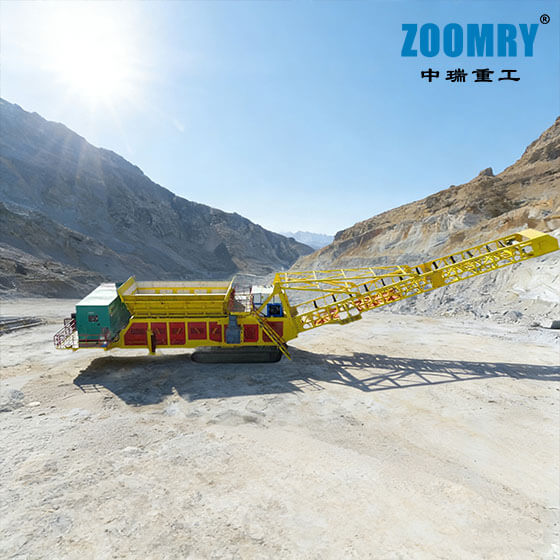
Heavy-duty hopper and feeder systems for buffering and controlled bulk-material discharge.
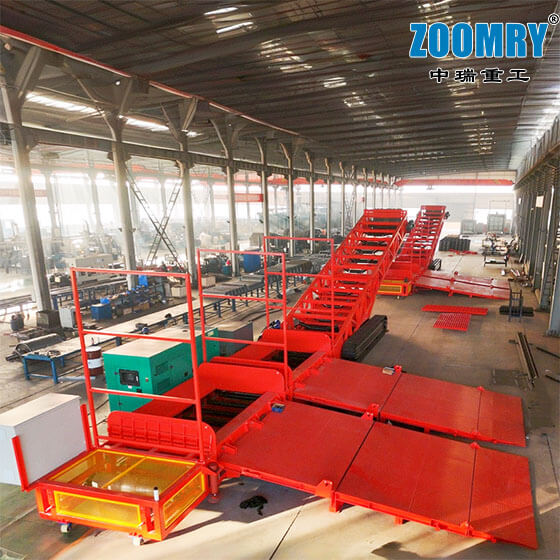
Fixed and tunnel-based feeding arrangements for stockpile reclaim and bulk-material handling lines.
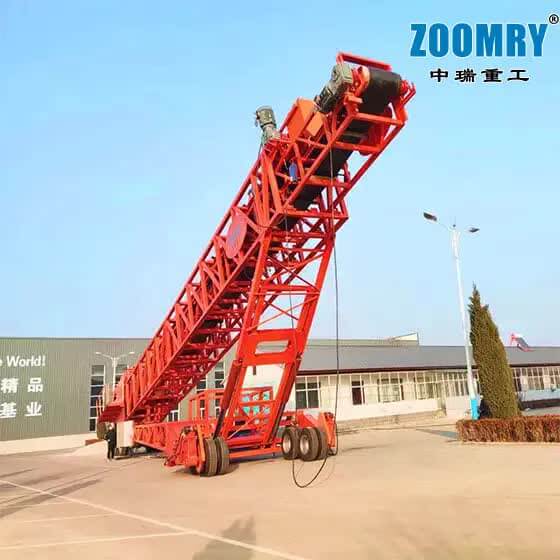
Mobile stacking conveyors for flexible stockpile management after feeder discharge.
Industry Solutions
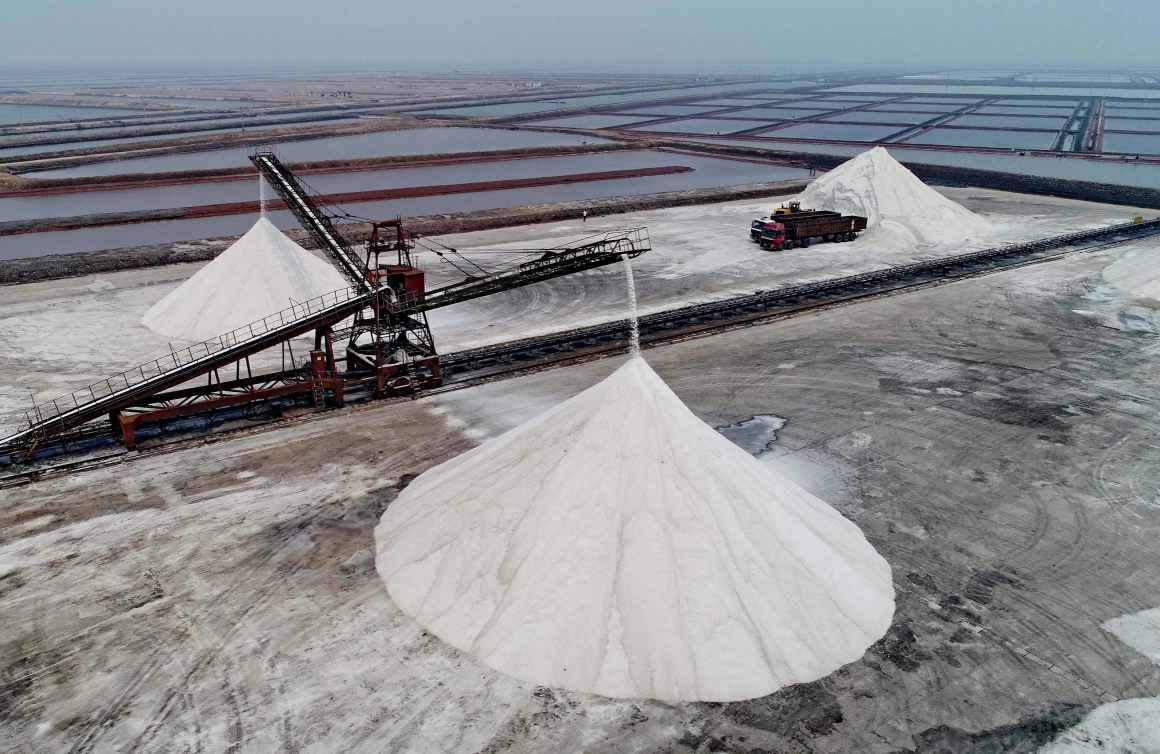
Feeding and conveying configurations for salt receiving, stockpiling, and processing lines.
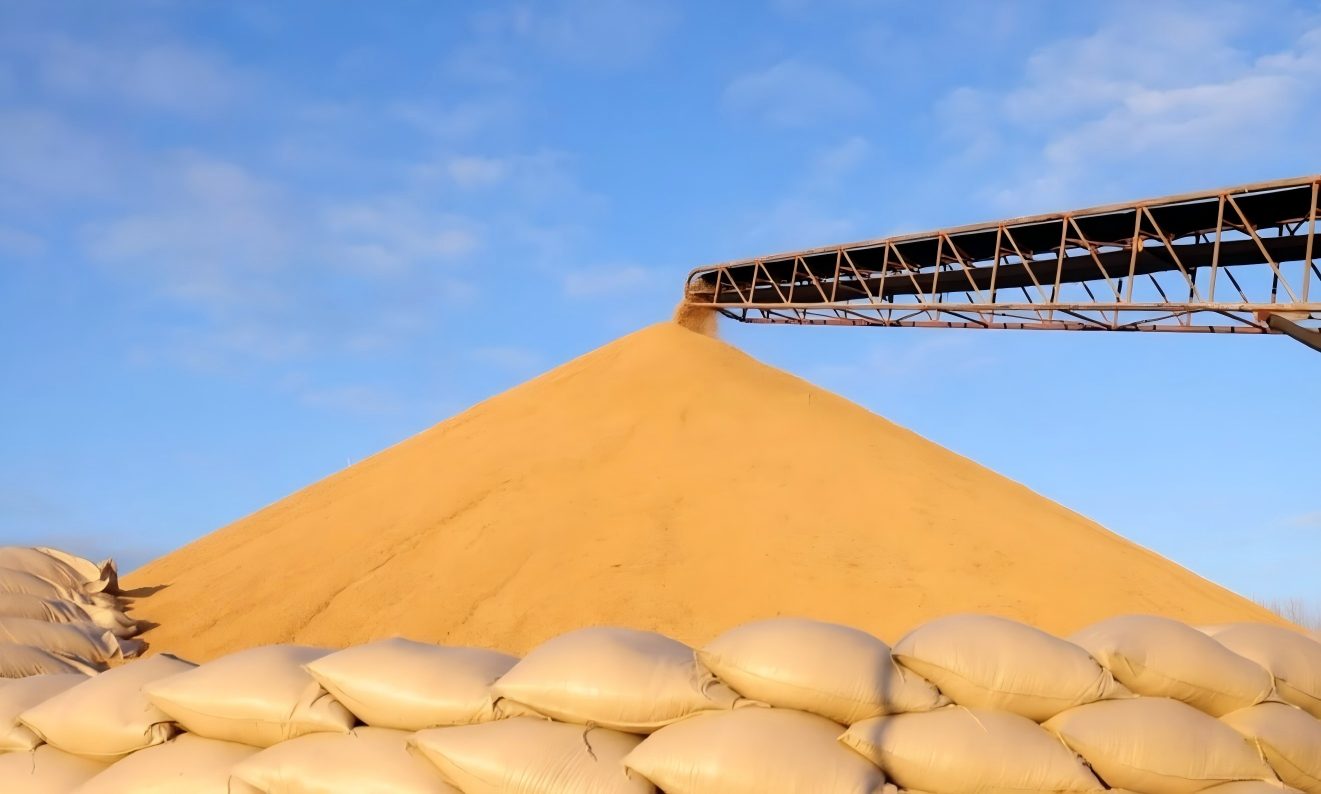
Feed and conveyor systems configured for grain receiving, transfer, and storage operations.
Request a Portable Feed Conveyor Quote
Share your material type, bulk density, maximum lump size, required capacity, loading method, discharge requirement, and site layout. ZOOMRY engineers will recommend a suitable portable hopper-fed conveyor configuration for your operation.
Get a Quote →