 ZOOMRY

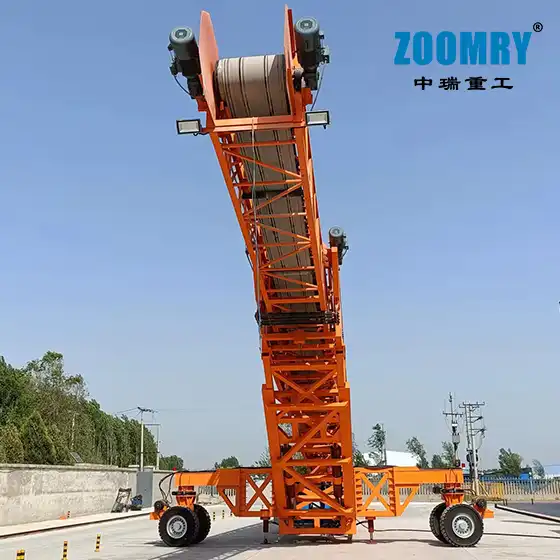
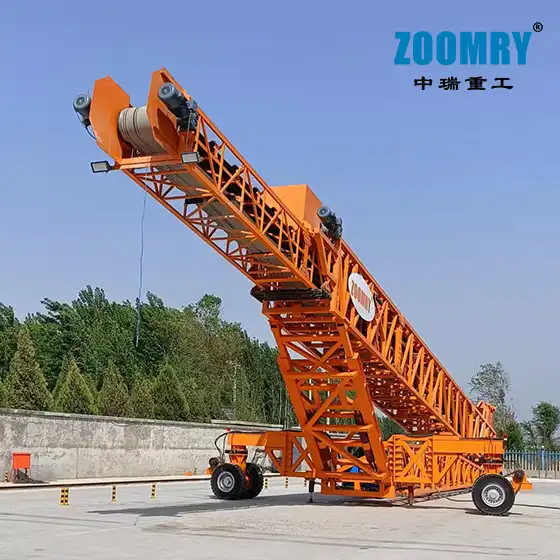
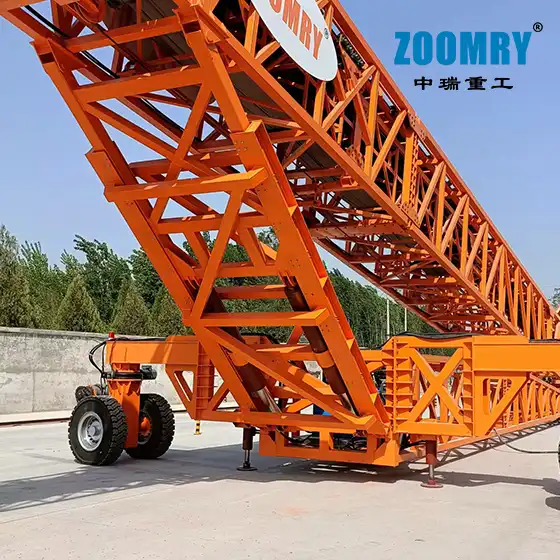
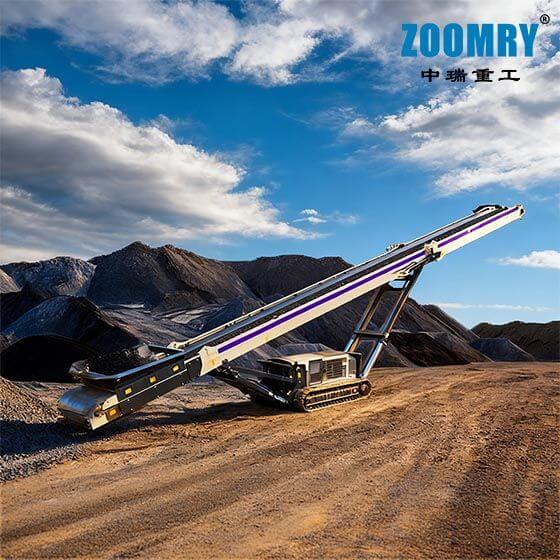
The Wheel Radial Stacker is a wheeled radial stacking conveyor purpose-built for high-volume stockpile operations across mining, ports, cement, and biomass industries. All units come standard with diesel power unit, hydraulic main lift, and hydraulic top fold — electric and dual power configurations are available as options. This heavy-duty mobile stacker features a setback axle design and a maximum conveyor angle of 20 degrees, achieving the highest inventory per conveyor length in its class. With a durable truss frame, large infeed hopper, and a base capacity of 500 TPH (upgradeable to 800 TPH), it delivers flexible, cost-effective stockyard management for concrete aggregate plants and sugar processing terminals, with stacking heights reaching up to 20m.
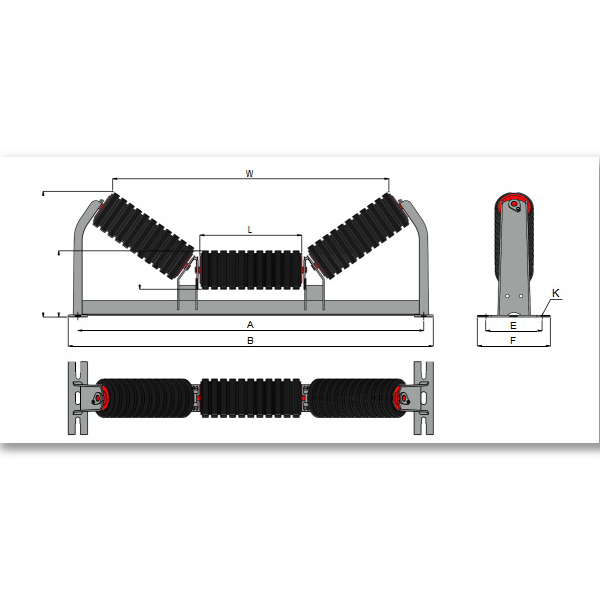
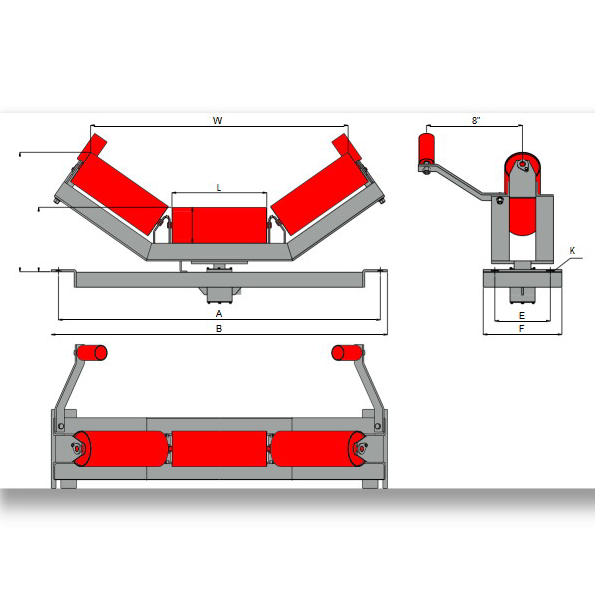
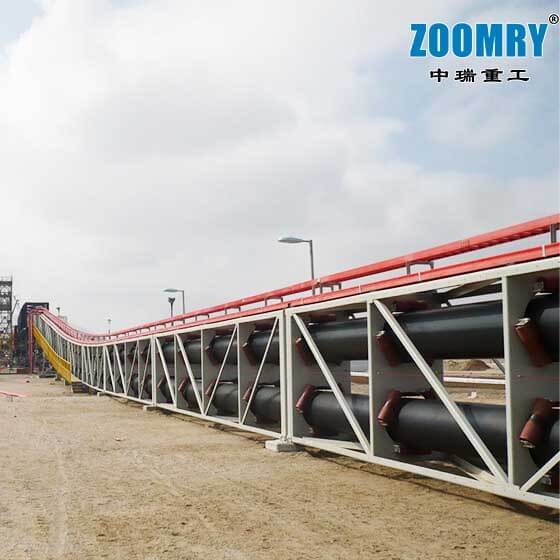
Engineered with advanced bulk material handling technology, the ZOOMRY Wheel Radial Stacker integrates seamlessly into existing belt conveyor systems, efficiently organizing bulk materials into layered, compact stockpiles while minimizing segregation, degradation, and dust generation. Its Conveyor Pulley assemblies and precision conveyor roller sets are built for continuous heavy-load operation, backed by ISO9001, CE, ISO14001, EAC, and KCS certifications.
How It Works: Radial Stacking Principle
Material enters the large infeed hopper — typically fed by a hopper feeder, truck unloader, or upstream conveyor — and transfers onto the main inclined belt. The hydraulic system independently controls boom luffing (elevation) and telescopic extension, while the wheeled undercarriage with pivot stand enables full 360° radial slewing around the feed point. Operators position the discharge pulley precisely to build layered, kidney-shaped stockpiles that maximize storage capacity within the available footprint.
The radial stacking method significantly reduces material segregation compared to conventional conical piling — each layer is deposited evenly across the pile surface rather than cascading down a single slope. This is critical for industries like iron and steel where consistent material gradation directly impacts downstream process efficiency. The low drop height at the discharge point also minimizes dust generation and material degradation, an important consideration for cement and clinker operations with strict environmental controls.
Key Features
Robust Steel Truss Frame: The Wheel Radial Stacker is built on a heavy-duty carbon steel truss structure engineered to withstand continuous heavy loads in harsh environments. The frame undergoes shot blasting and multi-layer anti-corrosion coating, making it suitable for mining, aggregate quarry, and coastal port terminal applications.
High-Performance Conveyor Belt: Features premium-grade conveyor belt — available in EP fabric, nylon, or chevron patterned configurations — selected to match specific material characteristics. Belt widths from 800mm to 1600mm accommodate capacities up to 3,500 m³/h.
Hydraulic Control System: Independent hydraulic circuits manage main boom lift, top fold, and telescopic extension. The system includes pressure-compensated flow control for smooth operation, even under partial load conditions.
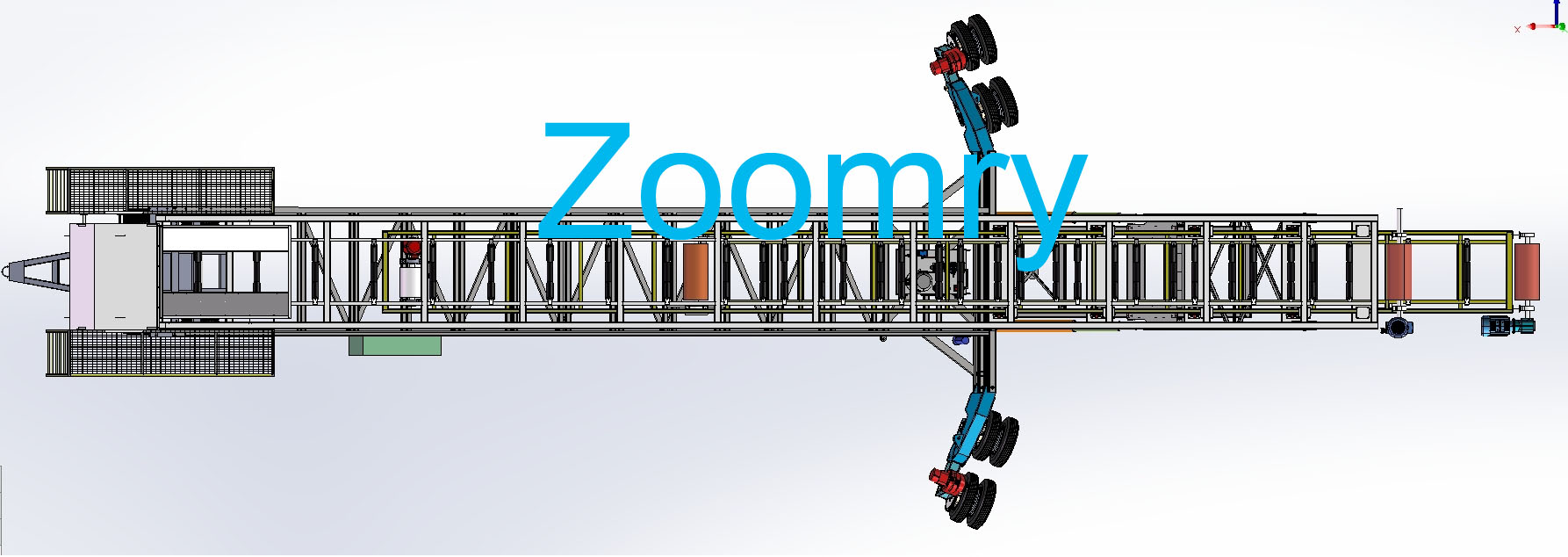
360° Radial Slewing: The pivot stand and tail wheel rotation device allow the entire stacker to rotate around the feed point, building radial stockpiles without relocating the infeed system. This is a key advantage over fixed stationary conveyors.
Towable Mobility: The wheeled chassis with tow bar allows quick relocation between stockpile zones using a standard site vehicle. Hydraulic outriggers provide stable positioning on uneven ground.
Power Options: Standard diesel power unit with optional electric motor or dual power (diesel + electric) configurations. This flexibility allows operation in remote sites without grid power, as well as fixed installations where electric power reduces operating costs.
Structural Composition
The Wheel Radial Stacker integrates 13 key subsystems working in coordination:
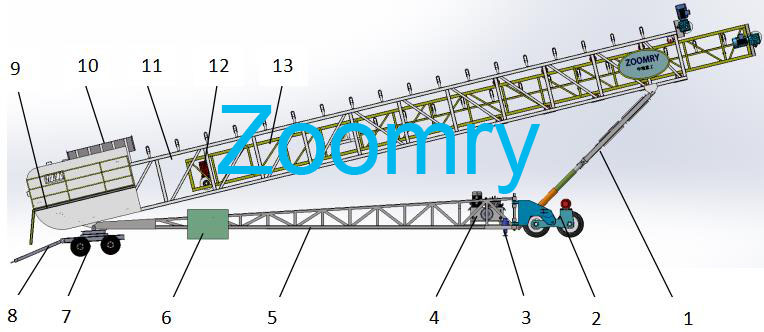
Wheel Radial Stacker — Main structural components and assembly overview
Component labels: 1-Hydraulic lifting system 2-Front wheel walking device 3-Hydraulic outriggers 4-Hydraulic station system 5-Base 6-Electrical control box 7-Tail wheel rotation device 8-Tow bar 9-Maintenance platform 10-Hopper 11-Main belt conveyor 12-Wire rope traction device 13-Telescopic belt conveyor
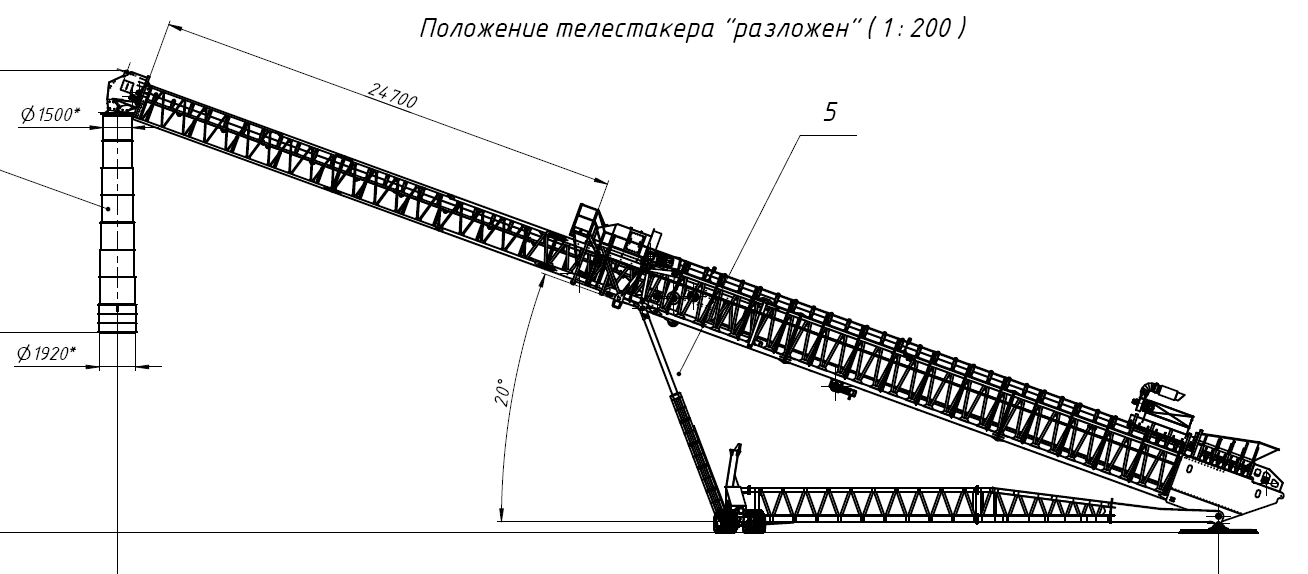
The telescopic boom angle is adjustable between 4° and 20°, giving operators precise control over stockpile height and shape. The drive pulley at the discharge end and tail pulley at the feed end work with the tensioning system to maintain optimal belt tracking across the full range of boom positions.
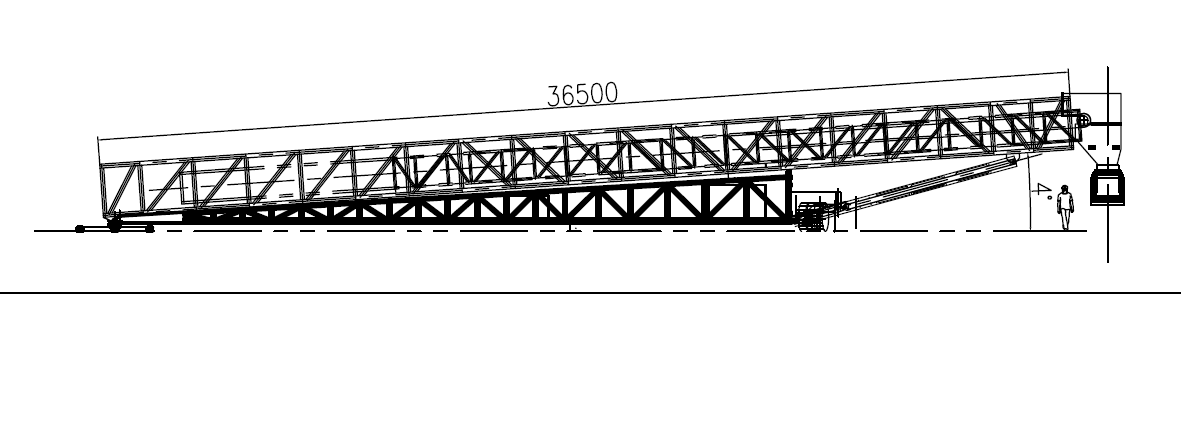
Boom angle control range: 4° to 20° — adjustable via hydraulic lifting system
Hydraulic station and wire rope traction system — powering telescopic extension and boom elevation
Technical Specifications
| Model | Belt Width (mm) | Max Capacity (m³/h) | Belt Speed (m/s) | Standard Length (m) | Max Angle | Telescopic Length (m) |
|---|---|---|---|---|---|---|
| ZR80SF | 800 | 500 | 2.5 | 30 / 40 / 50 | 20° | 10 - 20 |
| ZR100SF | 1000 | 850 | 2.5 | 30 / 40 / 50 | 20° | 10 - 20 |
| ZR120SF | 1200 | 1500 | 3.15 | 30 / 40 / 50 | 20° | 10 - 20 |
| ZR140SF | 1400 | 2100 | 3.15 | 30 / 40 / 50 | 20° | 10 - 20 |
| ZR160SF | 1600 | 3500 | 4 | 30 / 40 / 50 | 20° | 10 - 20 |
Standard models shown. Custom belt widths, lengths, capacities, and power configurations available upon request. We maintain long-term partnerships with SEW and Flender for drive components.
Model Selection Guide
Selecting the right Wheel Radial Stacker model depends on three primary factors: material type, required throughput, and available site footprint.
| Application Scenario | Recommended Model | Key Reason |
|---|---|---|
| Small quarry / sand & gravel yard | ZR80SF | Compact footprint, 500 m³/h sufficient for aggregate output |
| Medium coal stockyard | ZR100SF - ZR120SF | 850-1,500 m³/h matches typical coal handling rates |
| Iron ore / high-density material | ZR140SF - ZR160SF | Wider belt + higher power for iron ore density |
| Port terminal / high throughput | ZR160SF | 3,500 m³/h for port vessel loading support |
| Biomass / wood chips | ZR100SF | Light material, moderate capacity, woodchip optimized |
Application Scenarios
Mining and Quarrying
In mining and quarrying operations, the Wheel Radial Stacker handles ore, gravel, sand, and crushed stone with high efficiency. By building layered radial stockpiles, it minimizes material segregation — a critical factor when consistent gradation affects downstream crusher and mill performance. The towable wheeled design allows rapid redeployment as mining faces advance, reducing the need for fixed infrastructure.
Biomass Processing
Our radial stacker efficiently sorts and organizes bulk biomass materials including wood chips and sawdust, agricultural residues, and organic feedstock. The low drop height and controlled discharge reduce dust and fines, while the radial pattern optimizes storage density in biomass yards.
Construction and Infrastructure
The heavy construction industry benefits from rapid stockpiling of aggregates, crushed stone, and gravel. The stacker's mobility allows contractors to establish temporary stockyards close to the point of use, reducing haul truck cycles and fuel costs.
Port and Terminal Stockyards
At port terminals, the Wheel Radial Stacker works alongside tracked ship loaders and truck unloaders to manage temporary stockpiles before vessel loading. Its radial slewing capability enables high-density storage within limited quayside footprints.
Advantages vs. Conventional Methods
| Comparison Point | Wheel Radial Stacker | Conventional Loader | Fixed Stacker |
|---|---|---|---|
| Stacking Height | Up to 20m | 5m - 8m | Up to 20m |
| Material Segregation | Minimal (layered radial) | Significant (single cone) | Moderate |
| Dust Control | Good (low drop height) | Poor (open tipping) | Moderate |
| Mobility | High (towable, quick redeploy) | High (self-propelled) | None (permanent install) |
| Operating Cost | Low (electric option available) | High (diesel + labor) | Low |
| Stockpile Pattern | Radial fan / kidney | Conical only | Linear or conical |
| Site Utilization | Excellent | Moderate | Good |
Frequently Asked Questions
Q: What is the difference between a Wheel Radial Stacker and a Tracked Radial Stacker?
The Wheel Radial Stacker is towable and optimized for firm, level ground conditions common in quarries and stockyards. A tracked radial stacker uses crawler tracks for superior mobility on soft, uneven, or muddy terrain — ideal for mining sites and unpaved areas. Wheeled models offer lower ground pressure and faster inter-site transport via towing.
Q: How much material can a radial stacking conveyor stockpile per day?
Based on the ZR160SF model at 3,500 m³/h capacity, a single wheel radial stacker can handle over 50,000 tonnes per day (assuming 1.5 t/m³ bulk density and continuous operation). Actual throughput depends on material density, infeed consistency, and operator shift patterns. For applications requiring even higher capacity, the telescopic radial stacker extends reach and pile volume without moving the feed point.
Q: Can the Wheel Radial Stacker handle abrasive materials like iron ore?
Yes. For abrasive materials such as iron ore and copper concentrate, we recommend wear-resistant AR steel liners in the hopper, ceramic pulley lagging on the drive and bend pulleys, and heavy-duty EP or steel cord conveyor belt options rated for the material's abrasiveness. The truss frame is designed with additional reinforcement for high-density materials.
Q: What power supply options are available?
Standard configuration includes a diesel engine power unit for off-grid operation. Optional electric motor drive is available for sites with grid power access — reducing fuel costs and emissions. Dual power (diesel + electric) configuration enables hybrid operation, switching between power sources based on availability and cost.
Q: How is the Wheel Radial Stacker transported between sites?
The integrated tow bar and wheeled chassis allow towing by a standard site truck or tractor. Hydraulic outriggers are retracted for transport and deployed for operational stability. For longer-distance relocation, the stacker can be loaded onto a low-bed trailer. This contrasts with fixed conveyor systems which require disassembly and civil works for relocation.
Related Equipment
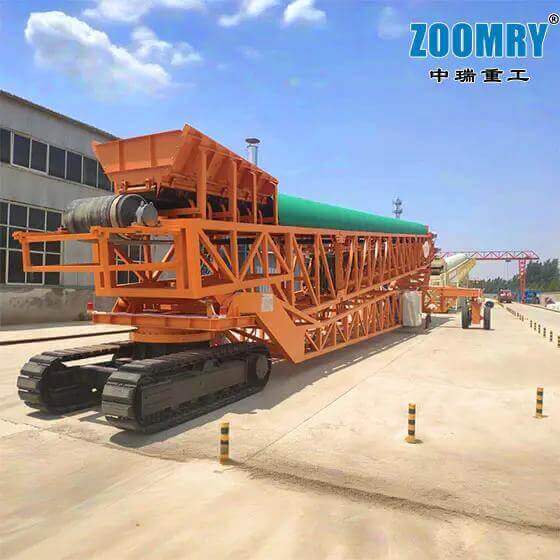
Crawler-mounted for soft ground and rough terrain — ideal for mining and unpaved stockyards.
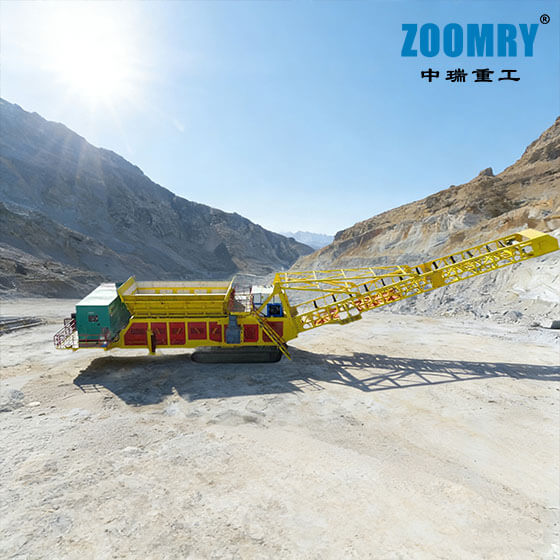
Regulates feed rate from trucks or loaders, ensuring continuous and controlled stacking.
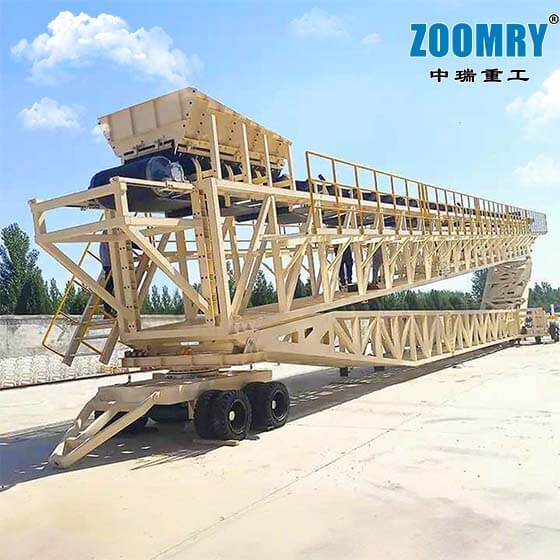
Extendable telescopic boom for variable reach and maximum stockpile capacity.
Industry Solutions
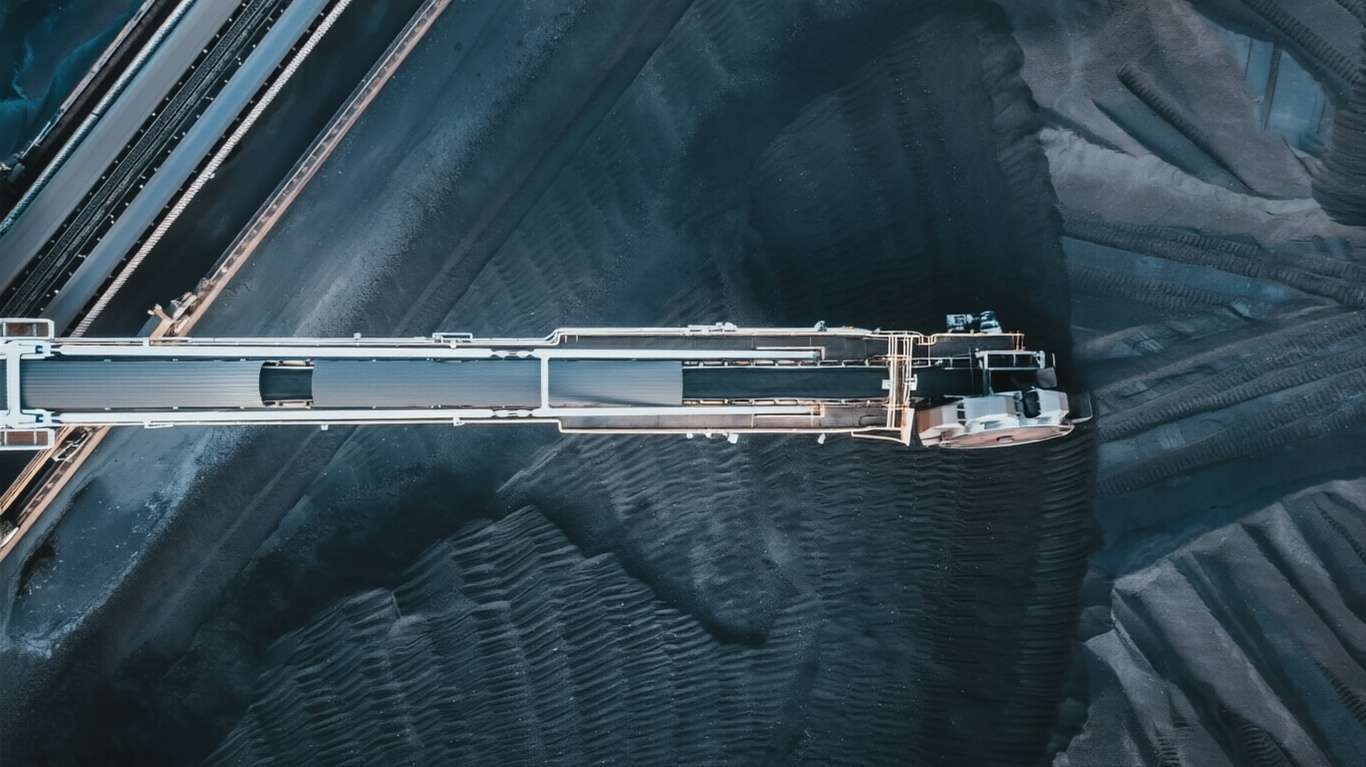
Radial stacking solutions for coal stockyards — minimize segregation and dust during high-volume storage.
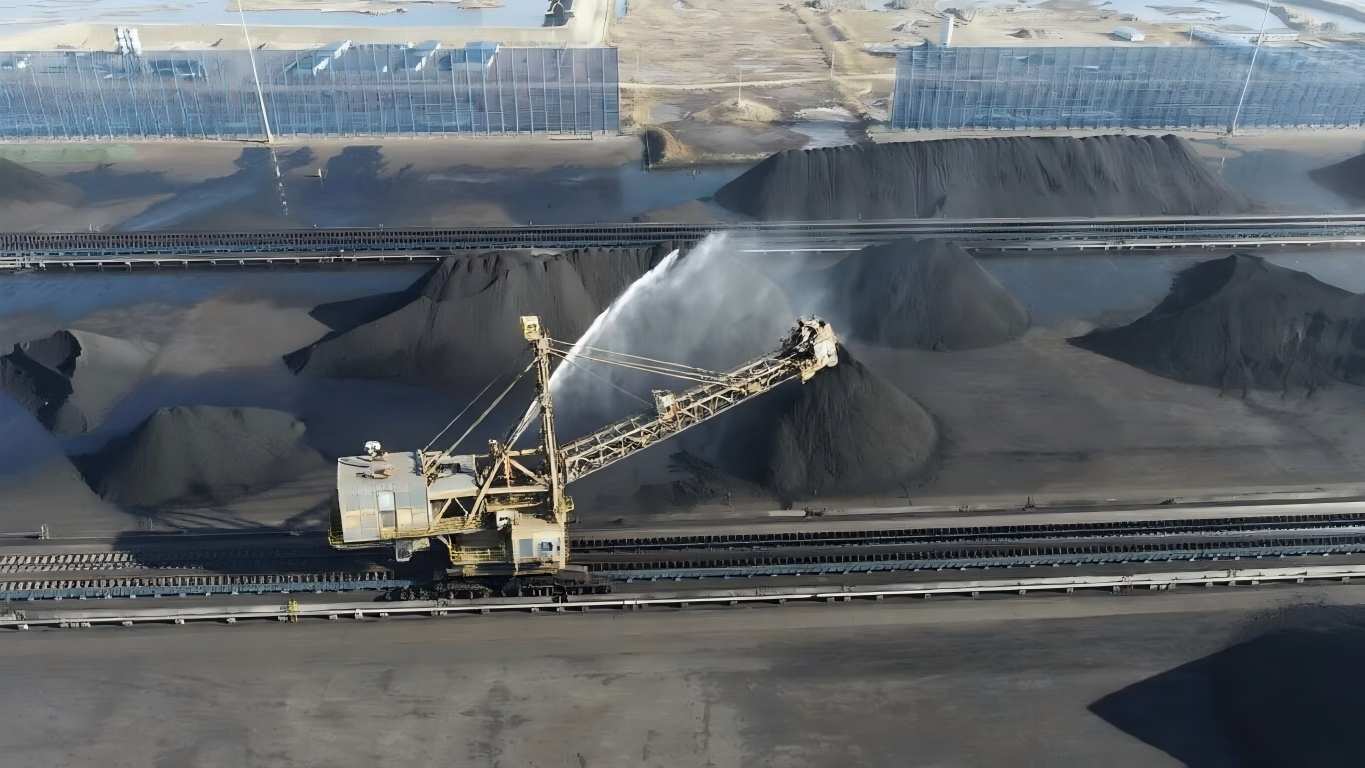
Wheeled and tracked stackers for heap leaching pad construction with anti-corrosion protection.
Request a Quote for Wheel Radial Stacker
Tell us your material type, required capacity, and site conditions. Our engineers will recommend the optimal wheeled radial stacking conveyor configuration for your stockpile operation.
Get a Quote →