 ZOOMRY

Summary: spiral scraper conveyors handling high-moisture, sticky materials often face high resistance, motor overload trips, and chain misalignment. This article provides systematic troubleshooting and prevention solutions.
1. High Conveying Resistance / Motor Overload Trip
Symptoms: Persistent high motor current; frequent overload trips; reduced throughput; failure to start.
Root causes:
- Material fill rate exceeds design capacity – feed speed higher than conveying capacity;
- High moisture or sticky material adhering to trough floor and side walls – increased friction;
- Scraper chain tension too tight – significantly increased friction loss;
- Material buildup or caking inside trough – scraper jamming.
Prevention & solutions:
- Feed control: Adjust feeder speed based on conveyor rated capacity; keep feed rate ≤90% of design value. ZOOMRY recommends installing flow monitoring devices for real-time fill level detection.
- Material preconditioning: For high-moisture/sticky materials, add drying or pre-crushing steps before feeding to reduce moisture and adhesion.
- Tension adjustment: Regularly check chain tension – natural sag of 15–25mm at drive sprocket is recommended. Avoid over-tensioning which increases friction loss.
- Cleaning maintenance: Inspect and clean trough interior weekly; shorten to each shift for sticky material applications.
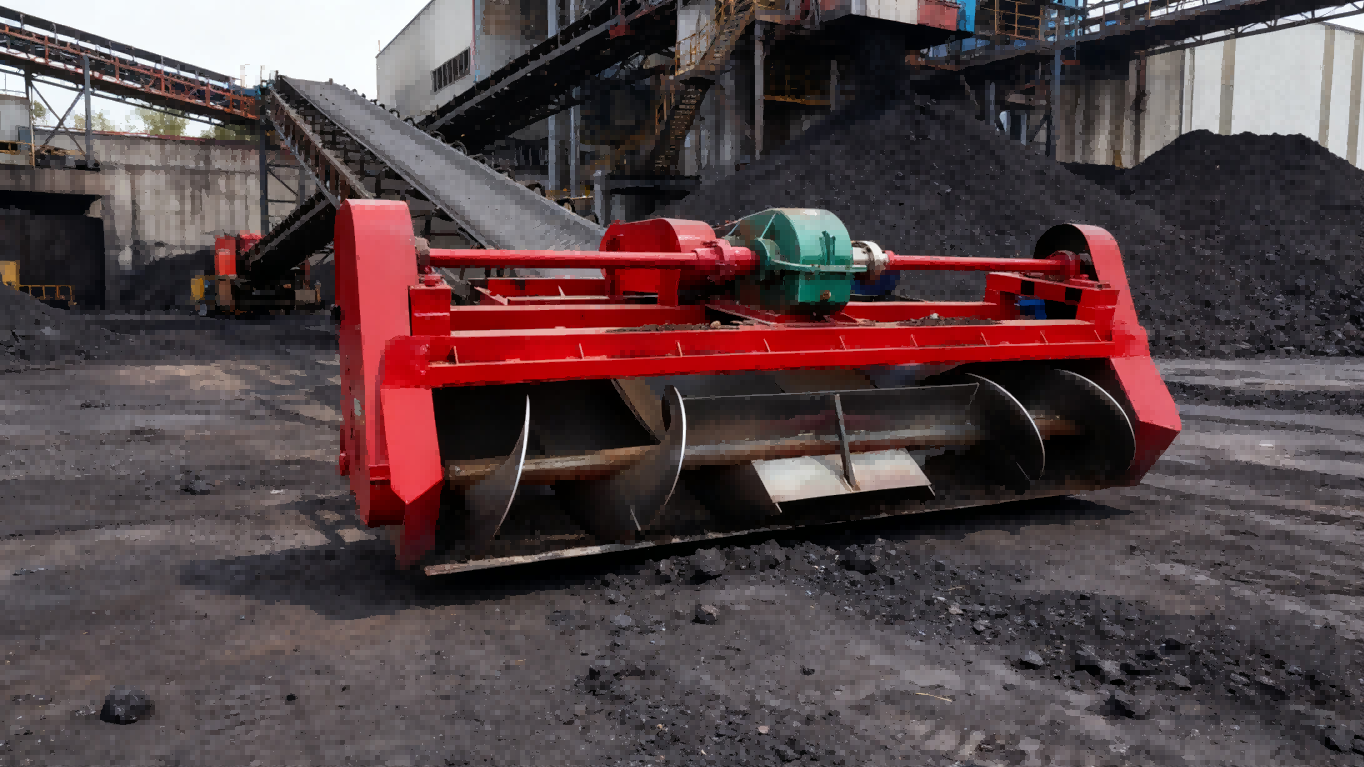
2. Chain Misalignment / Jamming / Tooth Skipping
Symptoms: Chain runs off-track; scraper rubs against trough side walls; chain jams or skips teeth; risk of chain breakage.
Root causes:
- Uneven tension on both chains – asymmetric tensioning adjustment;
- Head and tail shafts not concentric; bearing wear; uneven sprocket wear;
- Uneven material accumulation on both sides – uneven force pulling chain;
- Worn or deformed guide rails – scraper running off-track.
Prevention & solutions:
- Synchronized tensioning: When adjusting tensioning devices, measure elongation on both sides; ensure difference ≤3mm.
- Shaft alignment: Check head and tail shaft parallelism and concentricity quarterly; deviation should be ≤0.5mm/m. Replace sprockets when tooth wear >1/3.
- Uniform feeding: Adjust feed chute position to ensure even material distribution across trough width – avoid eccentric loading causing uneven chain force.
- Guide rail maintenance: Inspect guide rail wear monthly; replace when wear depth >1/3 of original thickness; correct deformed rails to ensure straight scraper travel.
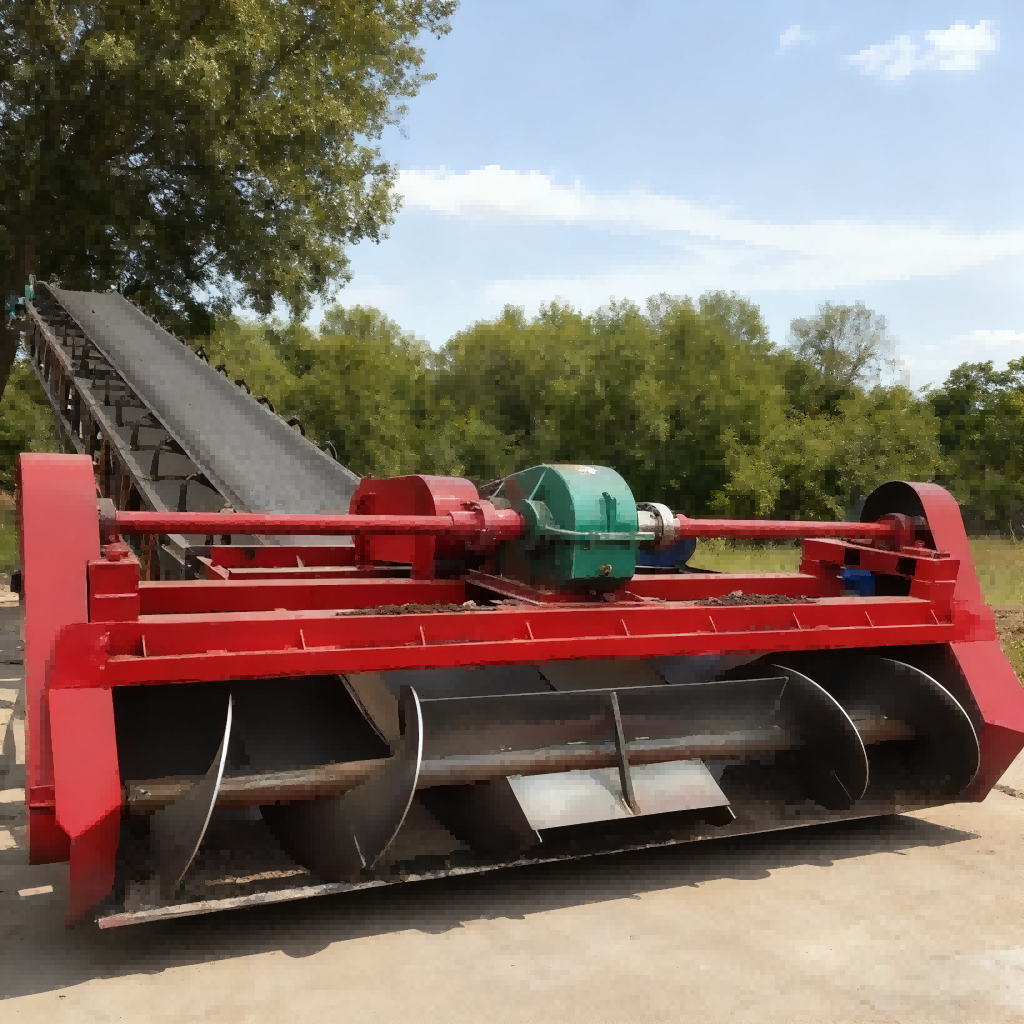
Conclusion: Reliable spiral scraper conveyor operation directly impacts production continuity. Proper feed control, regular cleaning, standardized chain tensioning, and guide rail maintenance significantly reduce resistance and chain misalignment – ensuring efficient and stable operation.
Need a Quote or Technical Advice?
Contact our engineers today for a customized solution.
Request a Quote Chat on WhatsApp