 ZOOMRY

Quick answer: A truck unloader is a drive-over receiving system that transfers bulk material from dump trucks onto a conveyor or stockpile. ZOOMRY truck unloaders handle 200–1,800 t/h standard (up to 3,000 t/h custom) with belt widths of 650–1,800 mm, available in wheeled and tracked configurations for ports, mines, quarries, and grain terminals.
A truck unloader is a drive-over receiving system that transfers bulk material from dump trucks onto a conveyor or stockpile. It is used at ports, mines, quarries, and grain terminals where trucks deliver material in high volumes and continuous unloading is required. A properly configured truck unloader reduces truck turnaround time and helps maintain steady feed to downstream processing or loading equipment.

Working Principle of the Truck Unloader
ZOOMRY truck unloaders use a low-position receiving hopper that allows dump trucks to discharge directly into the system. Material flows from the hopper onto a heavy-duty belt conveyor, which transfers it to the next stage — a stockpile, downstream conveyor, ship loader, or processing circuit.
The system is available in wheeled and tracked configurations. Wheeled units are suited to paved or compacted surfaces, while tracked units are designed for soft ground and unpaved operating areas. Both configurations offer 2-ramp and 4-ramp options depending on truck throughput requirements.
Key Specifications
| Key Parameter | Value Range |
|---|---|
| Processing capacity | 200–1,800 t/h (standard); up to 3,000 t/h (custom) |
| Belt width | 650–1,800 mm |
| Hopper width | 3.5–5.7 m (customized to match loading equipment) |
| Discharge height | Up to 5.8 m |
| Conveyor length | 8–20 m |
| Belt speed | 1–4 m/s |
| Drive | Dual 11 kW electric head-end drive; FLENDER/SEW reducers |
| Configuration options | Radio control, 2/4 truck ramps, manual/hydraulic ramp, Belt Cleaner, diesel generator |
Key Benefits
Reduced Truck Turnaround Time
A truck unloader allows dump trucks to discharge directly into the receiving hopper and return to hauling without waiting for excavator or loader assistance. This reduces unloading time per truck and keeps haul cycles moving, which is particularly valuable in port and mine operations where truck queuing affects overall throughput.
Continuous Material Flow
The hopper buffers material and the conveyor delivers a controlled feed rate to downstream equipment. This helps maintain stable operation of crushers, screens, ship loaders, and stockyard conveyors, avoiding the intermittent feed pattern typical of direct truck dumping.
Reduced Re-handling
In layouts with a downstream conveyor, a truck unloader can reduce intermediate loader re-handling between truck unloading and the next transfer point. Loaders may still be required for stockpile management and material recovery, but their role in primary unloading can be significantly reduced.
Configurable for Different Materials
Truck unloaders handle coal, ore, aggregates, grain, and other bulk materials. Belt type, hopper design, and discharge arrangement are selected according to material characteristics. For special applications such as grain handling or corrosive environments, specific belt compounds and component materials can be specified.

Wheeled vs Tracked Truck Unloaders
Two mobility configurations are available:
- Wheeled truck unloaders — towable units for paved yards, quarry floors, and concrete pads. Repositioning typically requires a site tractor and takes about 10–15 minutes.
- Tracked truck unloaders — self-propelled crawler units for soft ground, unpaved mining sites, and quayside operations. They can reposition independently in under 5 minutes.
Both configurations use the same receiving hopper and conveyor design. The choice depends on ground conditions, relocation frequency, and site layout. See the wheeled truck unloader and tracked truck unloader product pages for model-level specifications.
Project Applications
Truck unloaders are deployed across bulk material handling operations where truck delivery is the primary transport method:
- Ports and terminals: Receiving material for mobile ship loading or stockyard storage
- Mines and quarries: Feeding crushers, screens, and overland conveyors
- Power plants: Receiving coal deliveries for boiler feed systems
- Grain terminals: Drive-over receiving for grain storage facilities
For port operations, a truck unloader paired with a mobile ship loader creates a truck-to-vessel loading chain without fixed infrastructure. Compare tracked truck unloader configurations and wheeled truck unloaders for specific site requirements.
Frequently Asked Questions
What is a truck unloader and how does a drive-over hopper work?
A truck unloader is a drive-over receiving hopper that lets trucks discharge bulk material directly through a floor grille into a conveyor system below. The truck drives over the hopper, opens the trailer hatch, and material flows by gravity onto the receiving belt — eliminating wheel loader re-handling.
How do I choose between a wheeled and tracked truck unloader?
Wheeled truck unloaders suit fixed stockyards and paved surfaces where the unit stays in one position. Tracked configurations handle soft ground, unpaved port yards, and sites requiring frequent repositioning. Selection depends on ground conditions, relocation frequency, and site layout.
What capacity of truck unloader do I need for my receiving station?
Capacity selection depends on truck arrival frequency, trailer size, material bulk density, and required turnaround time. ZOOMRY units cover 200–1,800 t/h standard, with custom configurations up to 3,000 t/h for high-volume terminals.
Can a truck unloader handle wet or sticky material?
Yes. For wet or sticky materials, UHMW hopper liners reduce adhesion and a belt cleaner at the discharge pulley prevents carryback. For extremely cohesive materials, a chain plate feeder can replace the belt feeder for positive extraction.
What maintenance does a truck unloader require?
Routine maintenance includes weekly belt tension checks, monthly idler bearing lubrication and hopper liner inspection, quarterly hydraulic seal checks, and annual drive pulley lagging inspection. Wheeled units additionally require tyre pressure and brake checks.
Related Products
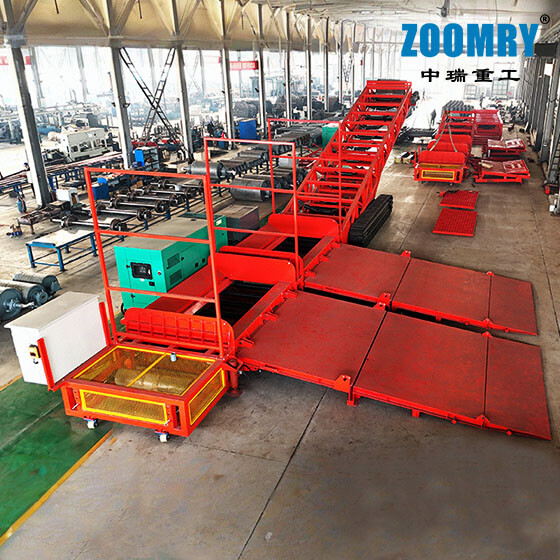
Drive-over hopper systems for bulk material receiving
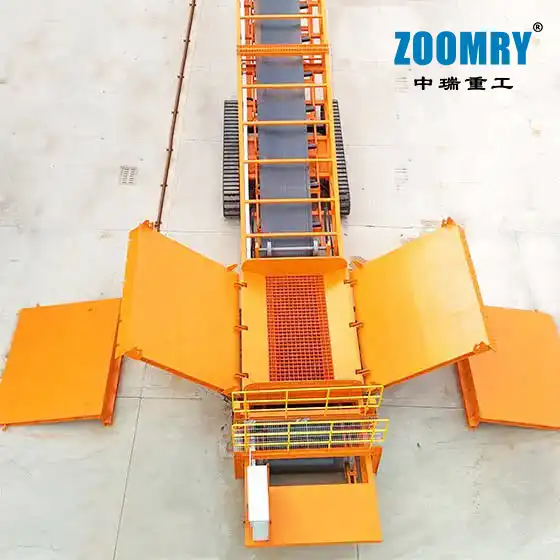
Towable units for paved yards and quarry operations
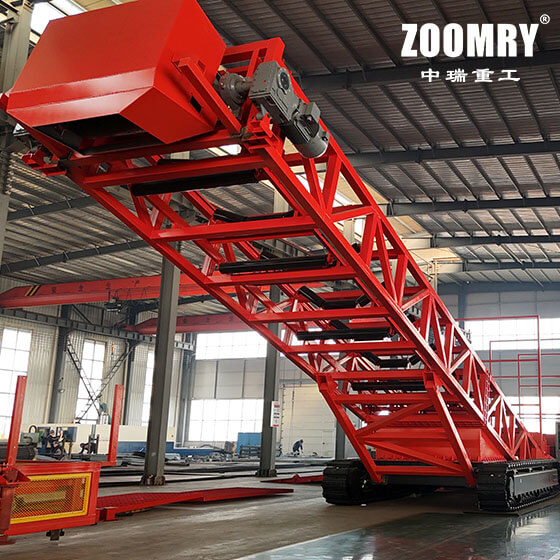
Self-propelled crawler units for soft ground and quayside
Industry Applications

Truck receiving systems for terminal and quay operations
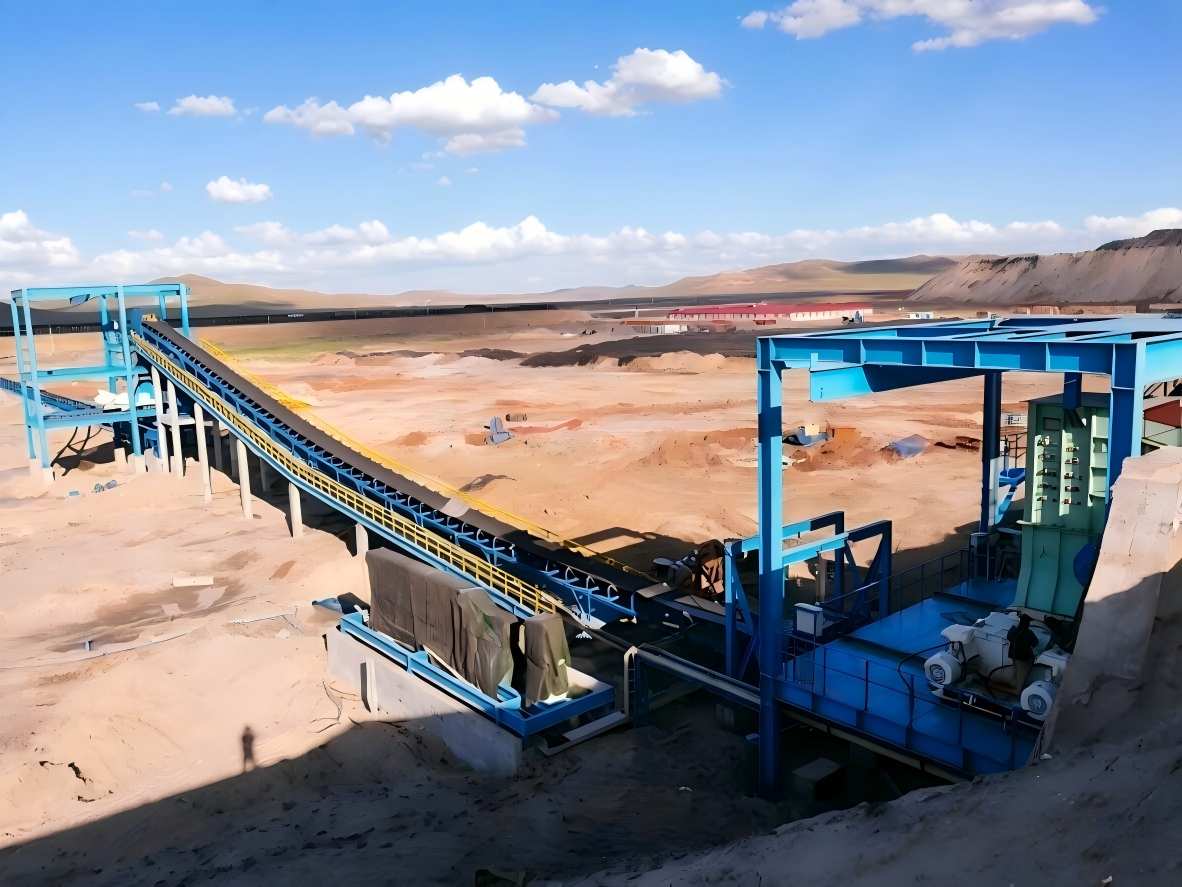
Truck unloaders for mine and quarry material receiving
Related Reading
For a full comparison of drive-over, wheeled, tracked, and custom flip-type configurations, read What Is a Truck Unloader? Types, Configurations & How They Work. For a complete port system combining truck unloading with mobile ship loading, see the truck unloader + mobile ship loader solution. For integrated conveying projects that connect receiving stations to downstream systems, explore the ZOOMRY EPC project case library.
Need a Truck Unloader for Your Operation?
Contact ZOOMRY with your material type, truck fleet size, throughput target, and site ground conditions for a truck unloader recommendation.
Contact Us →