 ZOOMRY

The selection of steel materials for conveyor rollers and steel rollers directly impacts equipment service life, maintenance costs, and operational reliability. Two commonly specified carbon steels — Q235B and 20# steel — serve different roles in bulk material handling equipment. Understanding their differences helps procurement and engineering teams make informed material selection decisions.
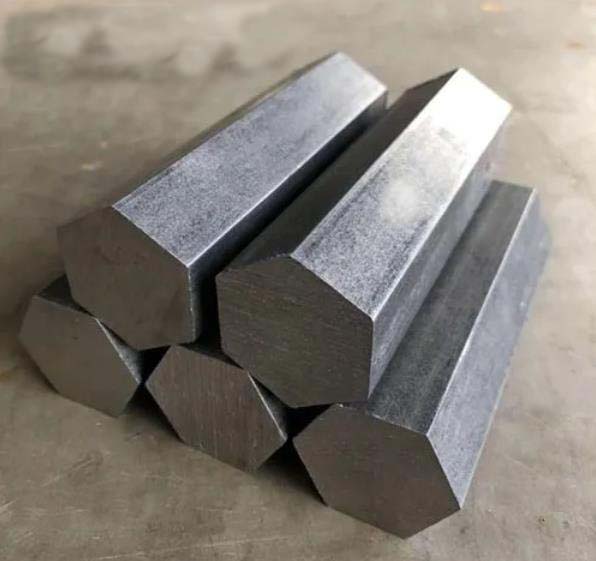
Key Differences Between Q235B and 20# Steel
Material Nature
Q235B is a carbon structural steel with a yield point (σs) of 235 MPa, widely used in general structural applications including conveyor frames and support structures. 20# steel is a high-quality low-carbon steel, suitable for cold extrusion, carburizing, and hardening processes — making it the preferred choice for Conveyor idler shafts and precision-machined components.
Cold Deformation Plasticity
Q235B has relatively poor cold deformation plasticity. Cracks are prone to occur on parts with strict shape requirements or complex geometries. 20# steel demonstrates high cold deformation plasticity, making it suitable for bending, calendering, flanging, and hammer arch processing — processes commonly required in Conveyor Pulley shell fabrication.
Strength Characteristics
The strength of Q235B is slightly lower than 20# steel. Due to the number of quenching cycles in certain applications, Q235B may exhibit temper brittleness. 20# steel has slightly higher strength and, because it is rarely quenched in standard applications, has no temper brittleness — an important consideration for drive pulley shafts subjected to cyclic loading.
Application Recommendations for Conveyor Equipment
| Component | Recommended Material | Reason |
|---|---|---|
| Roller shell (standard duty) | Q235B | Cost-effective, adequate structural strength |
| Roller shaft / Idler shaft | 20# steel or 45# steel | Higher strength, better cold deformation plasticity |
| Conveyor frame structure | Q235B | Good weldability, economical for large structures |
| Pulley shaft (heavy-duty) | 20# steel or 40Cr | Fatigue resistance under cyclic loading |
Proper steel selection reduces premature component failure and extends maintenance intervals. For long-distance belt conveyors operating in demanding conditions, the right material choice at the design stage prevents costly replacements during operation. View ZOOMRY's conveyor EPC project cases to see material specifications proven in global mining and port applications.
Related Products
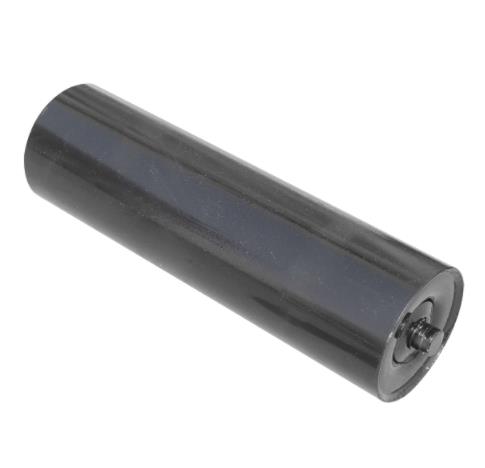
Steel and HDPE rollers — Q235B and 20# shaft options
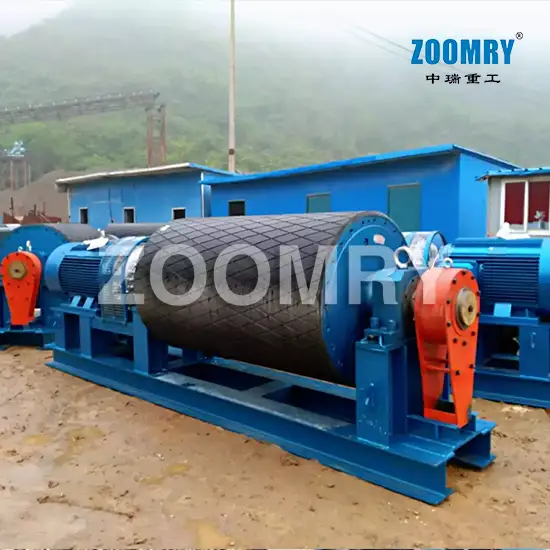
Drive, tail, and bend pulleys — 16Mn steel shells
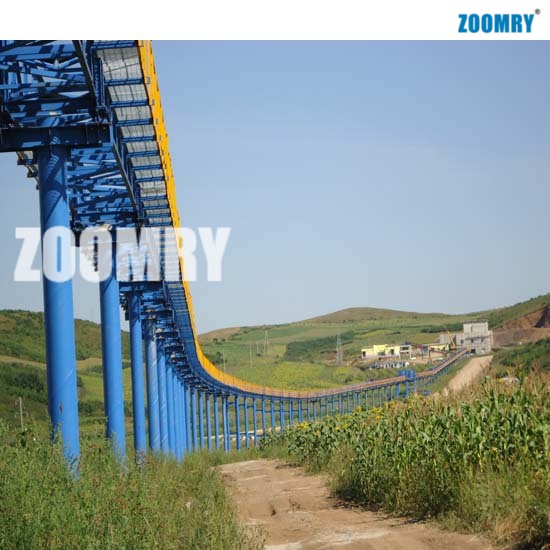
Long-distance curved conveying — single flight up to 15 km
Industry Applications
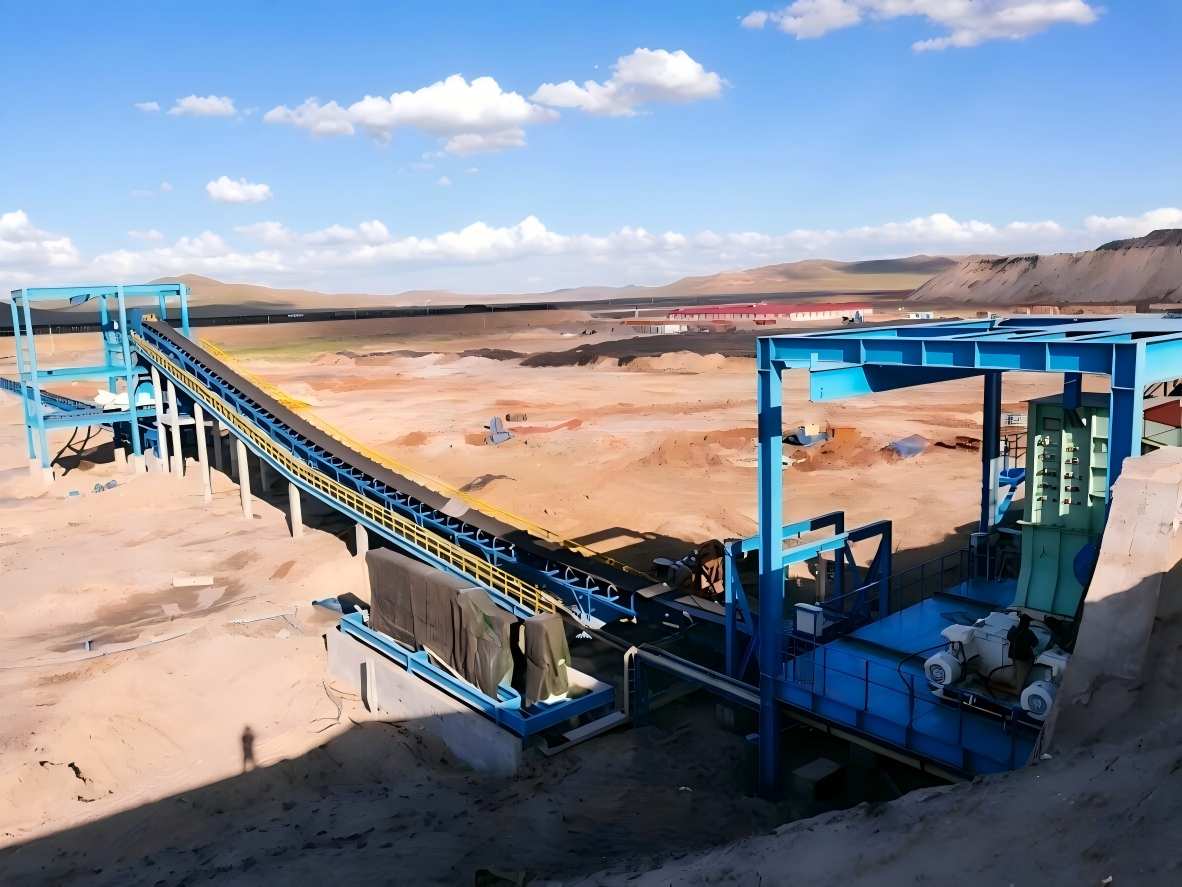
Heavy-duty steel components for mine conveyor systems
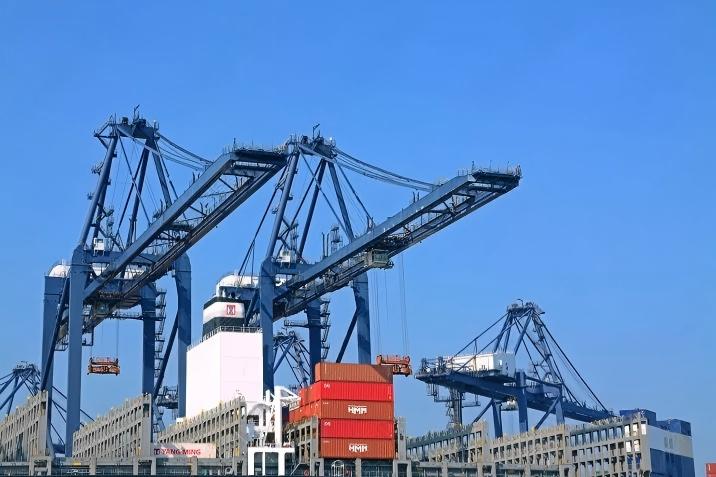
Corrosion-resistant steel components for port conveyors
Need Technical Guidance on Steel Selection for Conveyor Components?
Contact ZOOMRY for material specifications, customized steel grades, and expert recommendations for your conveyor system requirements.
Contact Us →