 ZOOMRY

Choosing the best conveyor system for your operation directly impacts efficiency, operating costs, and long-term reliability. As a professional bulk material handling solution provider, ZOOMRY engineers complete conveyor systems for mining, cement, and port applications. The decision isn't always straightforward — moving material at the required speed and efficiency demands careful evaluation. This guide covers five critical factors to consider when selecting a conveyor system.
1. The Type of Material You Will Be Moving
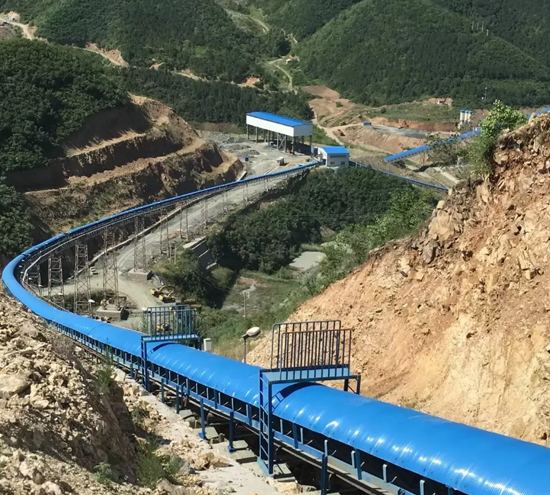
The most important consideration is the material type — temperature, moisture content, and abrasiveness determine the optimal conveyor design. Long-distance curved belt conveyors are widely used in mines, wharves, cement plants, sand and gravel aggregates, and various raw material factories. For abrasive ores, steel cord belts with wear-resistant covers are recommended. For hot materials, heat-resistant belts rated T1–T3 should be specified. ZOOMRY can analyze your material type and recommend the right equipment for efficient, long-term operation.
2. Type of Operation — Conveying vs Feeding
The conveyor system you choose largely depends on your operation type. Conveying means picking up material from a pickup point and moving it to a desired drop point — suited to standard belt conveyors. Feeding is a more time-sensitive process where material is fed into the system in batches or at a constant flow rate — requiring hopper feeders or metering conveyors. Each operation type demands specific equipment for maximum efficiency.
3. Equipment Size and Design
Larger equipment is not always better. Available space is a major factor — compact designs like Pipe conveyors with tight curve capability save space, while large inclination conveyors reduce the footprint needed for vertical lift. ZOOMRY helps you select equipment that fits your available space while maintaining optimum efficiency, developing a plan specific to your operation.
4. Working Environment
Environmental factors significantly influence conveyor selection. Operations with open ignition sources or fire/explosion risks require fire-resistant belts and ATEX-compliant drives. If personnel work closely with equipment, safety guards, emergency stops, and belt arrestors become mandatory. For corrosive environments such as salt or fertilizer handling, HDPE rollers and stainless steel components prevent premature failure.
5. Choose Quality Equipment You Can Trust
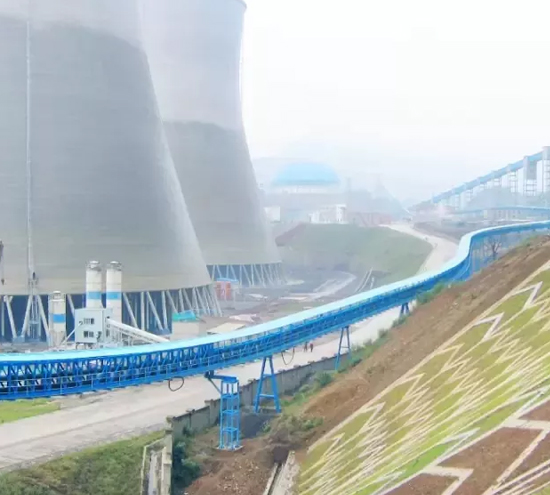
Research and select a company with a strong industry reputation. ZOOMRY — a professional belt conveyor manufacturer and EPC contractor founded in 2002 — specializes in bulk material handling solutions that lower production costs, increase productivity, and reduce environmental impact. With ISO 9001 and ISO 14001 certified facilities, 20+ years of experience, and comprehensive after-sales support, ZOOMRY delivers reliable products backed by first-class service at competitive prices.
Related Equipment
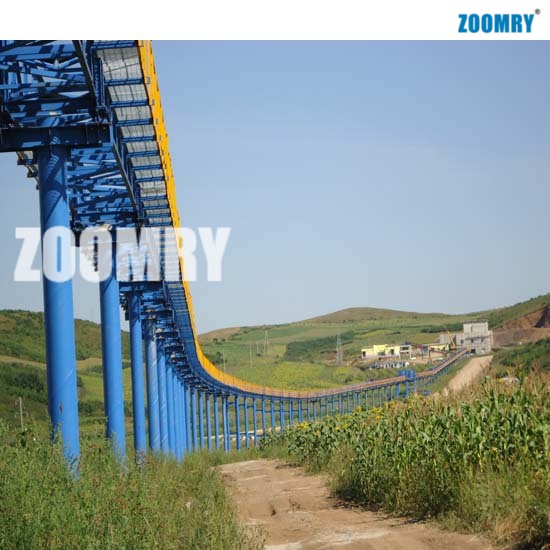
Single-flight systems up to 15 km — follows natural terrain without transfer points.
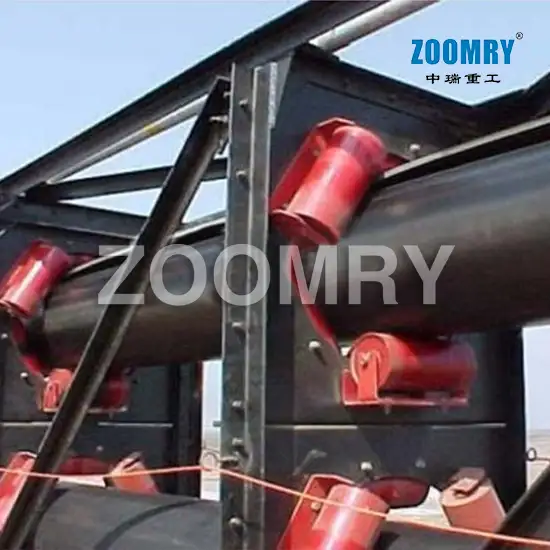
Enclosed tubular conveyor — dust-free, spillage-free transport for sensitive environments.
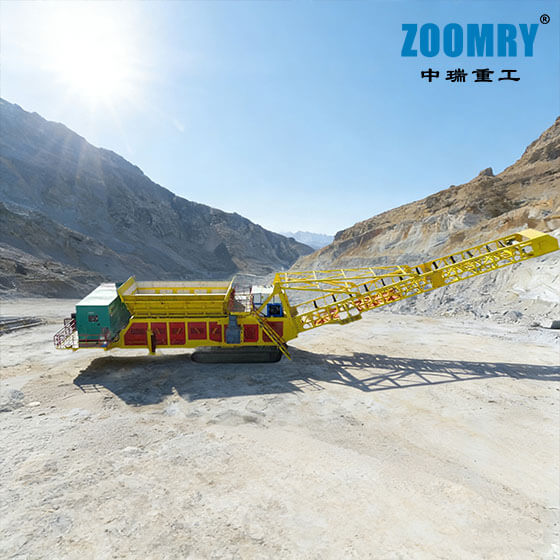
Controlled material feeding — belt or chain plate options for precise feed rate regulation.
Need Help Choosing the Best Conveyor System?
Contact ZOOMRY for expert conveyor system selection, material analysis, and customized bulk material handling solutions.
Contact Us →